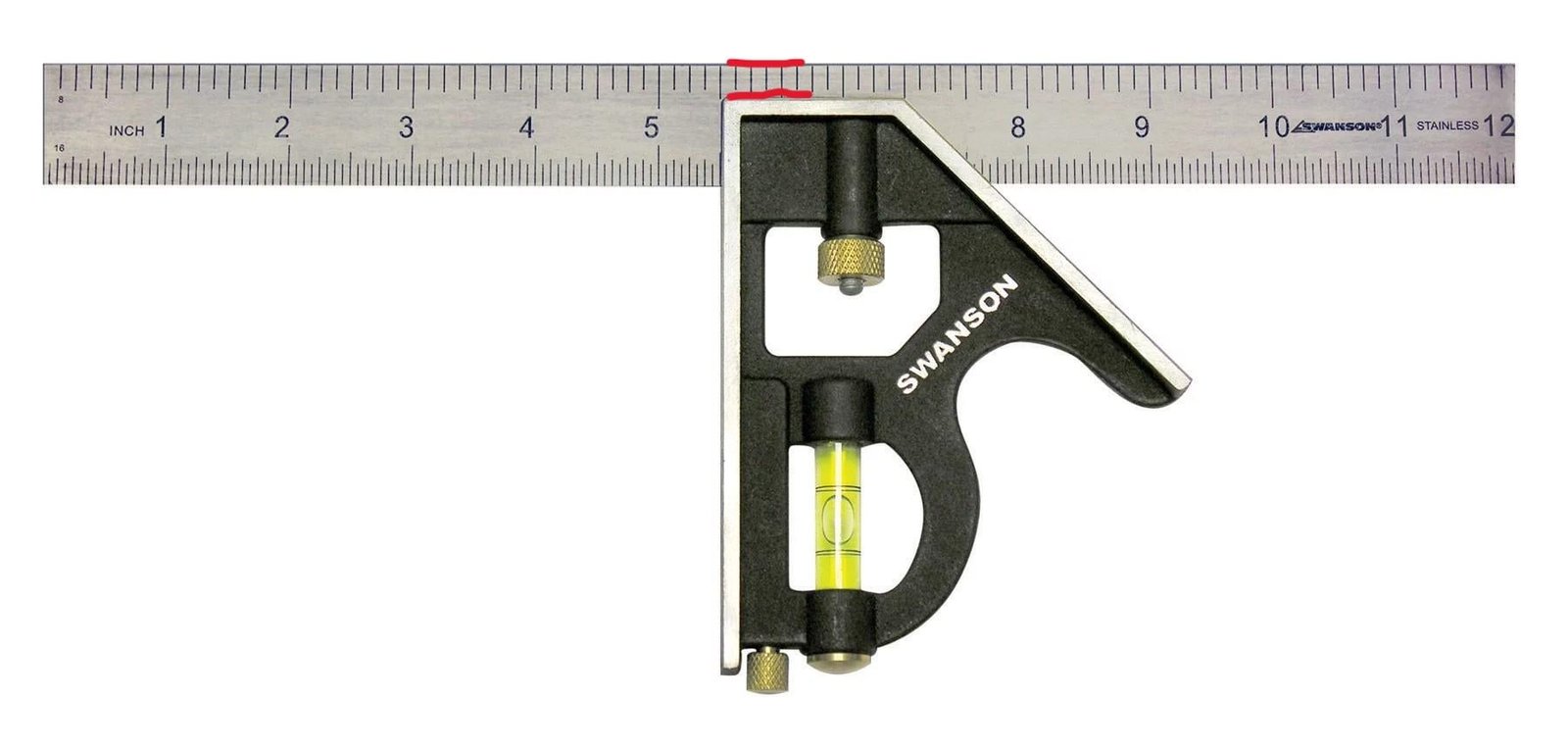
If you’re working on a furniture project, precision is everything. Using a combination square can make your marking tasks faster, easier, and more accurate.
But if you’ve never used one before, it might seem tricky or confusing. Don’t worry—this guide will show you exactly how to use a combination square to mark your furniture like a pro. By the end, you’ll feel confident and ready to create clean, sharp lines that bring your project to life.
Keep reading, and discover the simple steps that will transform how you work with wood.
Choosing The Right Combination Square
A combination square is a handy tool for marking furniture. Picking the right one makes your work easier and more accurate. This guide helps you choose the best combination square for your needs.
Look at the type, material, and size before buying. Each factor affects how well the tool works and lasts.
Types Of Combination Squares
There are different types of combination squares for various tasks. Knowing these types helps you pick the right one for marking furniture.
- Standard Combination Square:Measures 12 inches. Good for most furniture projects.
- Mini Combination Square:Smaller size, about 6 inches. Fits tight spaces.
- Engineer’s Square:Made for metalwork but can be used for precise marking on wood.
- Try Square:Simple and used mainly for checking right angles.
Material And Build Quality
The material of a combination square affects its strength and durability. Look for a solid build that lasts long and stays accurate.
| Material | Benefits | Considerations |
| Stainless Steel | Rust-resistant and strong | Usually more expensive |
| Carbon Steel | Very strong and durable | Needs oil to prevent rust |
| Aluminum | Lightweight and easy to carry | Less durable than steel |
| Plastic | Very light and cheap | Not very durable or precise |
Size And Scale Considerations
Size matters when choosing a combination square. Pick one that fits your furniture pieces and work style.
- Blade Length:Longer blades measure bigger pieces but can be harder to handle.
- Scale Type:Look for clear, easy-to-read markings in inches or millimeters.
- Adjustability:A sliding head lets you mark different angles and depths.
- Weight:Heavier squares feel sturdy but may tire your hand.
Setting Up Your Combination Square
A combination square helps you mark furniture pieces with precision. Setting it up correctly ensures accurate measurements. This guide covers the key steps for adjusting your tool.
Learn how to adjust the blade, use the locking mechanism, and calibrate the square. These steps make your work easier and more accurate.
Adjusting The Blade
Loosen the locking screw to slide the blade to the desired length. Align the blade with the measurement marks on the ruler. Make sure the blade sits flat against the stock for a firm hold.
- Loosen the lock screw gently.
- Slide the blade to the needed measurement.
- Check the blade is straight and flat.
- Tighten the screw to hold the blade in place.
Locking Mechanism Tips
The locking mechanism keeps the blade steady. Use the thumb screw or lever to fix the blade firmly. Avoid over-tightening to prevent damage. Test the lock by trying to move the blade after tightening.
- Use a firm but gentle grip on the lock.
- Check the blade does not slip after locking.
- Keep the locking parts clean to avoid jamming.
Calibrating For Accuracy
Calibration ensures your combination square measures correctly. Place the blade at zero on a flat surface. Check the square’s 90-degree angle against a known right angle. Adjust the blade slightly if needed for perfect alignment.
| Check Point | Action |
| Blade at zero mark | Align blade with ruler start |
| Square angle | Test against a known right angle |
| Blade alignment | Adjust if blade is off by a small margin |
Marking Straight Lines On Furniture
Using a combination square helps you draw accurate straight lines on furniture pieces. It ensures your cuts and joins fit well together.
This tool is simple but very useful for marking edges and surfaces before cutting or assembling.
Aligning The Square With Edges
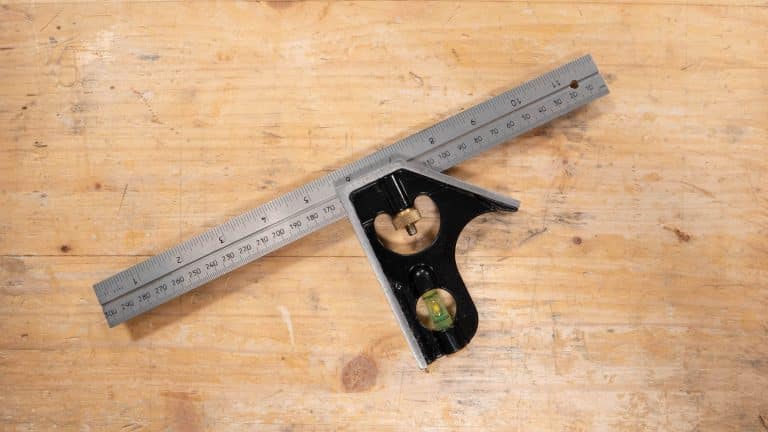
Place the stock of the combination square firmly against the furniture edge. Make sure it sits flush without gaps.
Check that the square does not wobble or tilt. This alignment keeps your line straight and true to the edge.
Using The Blade For Consistent Marks
Extend the blade to the desired measurement and lock it in place. Use the blade edge as a guide to draw your line.
- Hold the square steady with one hand.
- Draw the line along the blade edge with a pencil.
- Keep the pencil upright for a thin, clear line.
- Repeat marking if needed for dark, visible lines.
Common Mistakes To Avoid
| Mistake | Effect | How to Fix |
|---|---|---|
| Loose blade locking | Blade shifts, causing crooked lines | Always tighten the lock before marking |
| Square not flush on edge | Line is angled or wavy | Press square firmly and check alignment |
| Using dull pencil | Lines are thick and unclear | Sharpen pencil before marking |
| Moving square while marking | Line is inconsistent or broken | Hold square steady and move pencil smoothly |
Credit: commonwoodworking.com
Marking Angles And Measurements
A combination square is a useful tool for marking angles and measurements on furniture pieces. It helps you draw straight lines, measure depths, and mark precise angles. Knowing how to use it will improve your woodworking accuracy.
This guide will explain how to use the protractor feature, measure depths and heights, and transfer measurements accurately when marking furniture.
Using The Protractor Feature
The combination square includes a protractor that lets you mark different angles. You can set the blade to any angle between 0 and 180 degrees. This helps in cutting or joining furniture parts at the right angle.
To use the protractor, loosen the lock nut and rotate the blade to the desired angle. Tighten the nut to hold it in place. Then, place the ruler on the workpiece and mark along the blade edge.
Measuring Depths And Heights
The combination square can measure depths and heights with its ruler and head. You slide the ruler to match the depth or height you want to check. This is helpful for setting the depth of cuts or measuring the thickness of furniture parts.
Hold the head against the surface and extend the ruler until it touches the point you want to measure. Read the measurement on the ruler for an accurate depth or height.
Transferring Measurements Accurately
To transfer measurements, set the ruler to the desired length by sliding it through the head. Lock it in place with the screw. Use the fixed ruler edge to mark the same measurement on another piece of wood.
This method ensures consistency and accuracy when marking multiple furniture parts. Always double-check the ruler setting before marking.
Additional Tips For Precision
Using a combination square helps you mark furniture accurately. Small details can improve your precision. These tips will guide you to better results.
Precise marking saves time and reduces mistakes. Pay attention to your tool and marking methods for best outcomes.
Maintaining Your Combination Square
Keep your combination square clean to ensure precise measurements. Dirt or rust can cause errors. Regular care keeps it working well.
Store the square in a dry place. Check the blade for bends or damage before each use. Tighten loose parts to avoid slipping.
- Wipe the blade and body after use
- Apply light oil to prevent rust
- Check the 90-degree and 45-degree angles often
- Store in a case or toolbox
Using Pencil Or Knife Marks
Choose your marking tool based on the wood and project. Pencils are good for rough marks. Knives give fine, sharp lines for exact cuts.
Use a sharp pencil for thin lines. A marking knife cuts fibers and shows clearer lines on some woods. Both tools help guide your saw or chisel.
- Pencil marks are easy to see and erase
- Knife marks are precise and last longer
- Use a knife on hardwoods for cleaner lines
- Light pressure avoids deep cuts when marking
Working With Different Wood Types
Wood grain and hardness affect marking. Soft woods may need gentle handling. Hardwoods require sharper marking tools for clear lines.
Adjust your technique based on the wood. Test your marks on scrap pieces first. This helps avoid mistakes on your project.
- Softwoods: use light pencil marks to avoid crushing fibers
- Hardwoods: use a sharp knife or hard pencil for clear marks
- Grain direction affects how marks appear; mark across grain for visibility
- Practice on scrap wood to find the best method

Credit: www.amazon.co.uk

Credit: www.reddit.com
Frequently Asked Questions
What Is A Combination Square Used For In Furniture Marking?
A combination square helps measure and mark precise angles, lines, and depths on furniture pieces. It ensures accuracy and consistency in woodworking projects.
How Do You Set A Combination Square For Marking?
Loosen the lock, slide the ruler to the desired measurement, then tighten the lock. This sets an accurate marking guide for your furniture.
Can A Combination Square Measure Angles For Furniture Joints?
Yes, it measures common angles like 90° and 45°. This aids in making accurate cuts and fitting joints properly.
Why Is A Combination Square Better Than A Ruler For Marking?
It offers multiple functions: measuring, marking, and checking angles. This versatility improves precision and speeds up furniture marking tasks.
Conclusion
Using a combination square makes furniture marking precise and easy. Its versatility is perfect for various tasks. Align edges, draw lines, and measure accurately. Beginners find it simple to handle. Professionals rely on its consistency. Mistakes reduce with practice. Quality furniture needs precise marks.
Keep your tools clean and maintained. This ensures longevity and accuracy. Patience and practice enhance skills over time. Enjoy creating beautiful, well-marked furniture. Your craftsmanship improves with each project.