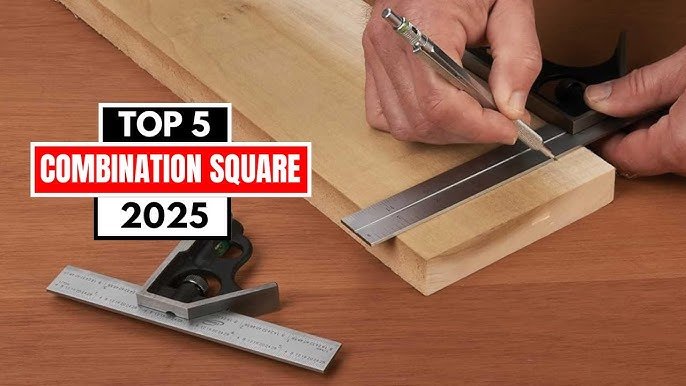
If you want your projects to look sharp and professional, mastering the combination square is a must. This simple tool can help you measure, mark, and check angles with incredible accuracy.
Whether you’re cutting wood, setting up a layout, or checking the squareness of a joint, knowing how to use a combination square will save you time and prevent costly mistakes. Keep reading, and you’ll discover easy steps to make this tool your secret weapon for precision in every project.
Choosing The Right Combination Square
A combination square is a useful tool for many projects. It helps you measure, mark, and check angles precisely.
Picking the right combination square ensures your work is accurate and easy to do. Consider the type, material, and size before buying.
Types Of Combination Squares
There are several types of combination squares. Each type suits different tasks and skill levels.
- Standard combination square: measures 90 and 45 degrees, common for woodworking.
- Center square: finds the center of round objects like pipes or rods.
- Protractor head: measures and marks angles other than 45 and 90 degrees.
- Depth gauge: measures depth or height in slots or holes.
Materials And Build Quality
Material affects the tool’s durability and precision. Choose one that lasts and stays accurate.
- Steel: strong and durable, resists bending and wear.
- Stainless steel: resists rust and corrosion, good for moist areas.
- Aluminum: lightweight but less durable than steel.
- Plastic parts: common in budget models, less precise and less durable.
Look for tight fitting parts and clear markings. These details improve accuracy and ease of use.
Size Options
Combination squares come in different sizes. Choose based on your project needs and workspace.
- 6-inch: best for small projects and tight spaces.
- 12-inch: versatile size for general woodworking and metalworking.
- 24-inch or larger: used for big projects and long measurements.
Smaller sizes are easy to handle. Larger sizes cover more area but can be less portable.
Basic Parts And Their Functions
A combination square is a useful tool for measuring and marking. It helps ensure your cuts and layouts are exact and clean.
This tool has several key parts. Each part has its own role to make measuring easier and more precise.
Blade And Ruler
The blade, often called the ruler, is the long, flat part of the combination square. It has measurements marked on it in inches or millimeters.
- The blade slides through the handle for adjustment.
- It helps measure lengths and depths.
- The markings allow you to read exact measurements.
- Some blades have both metric and imperial units.
Stock And Handle
The stock is the thick part attached at a right angle to the blade. It acts as a guide to hold the ruler steady against the workpiece.
| Part | Function |
| Stock | Provides a firm right angle for accurate marking |
| Handle | Holds the blade and allows adjustment |
| Locking Screw | Tightens the blade in place |
Scriber
The scriber is a small, pointed metal tool stored inside the stock. It is used to mark materials where you want to cut or measure.
Using the scriber helps you:
- Make thin, clear marks on wood or metal
- Mark precise points for drilling or cutting
- Avoid using pencils that might smudge
Setting Up For Accurate Measurements
Using a combination square correctly helps you get precise measurements. You must prepare the tool before measuring.
Setting up includes checking the tool’s parts and making sure everything fits tightly and is true.
Calibrating The Square
Calibration ensures the combination square gives accurate readings. Start by placing the blade at zero on a flat surface.
- Place the square’s stock against a true edge.
- Adjust the blade until it lines up perfectly with the zero mark.
- Tighten the locking screw to hold the blade in place.
- Repeat the check to confirm calibration is correct.
Locking The Blade
Locking the blade keeps your measurement steady and consistent. Make sure the blade does not move once set.
| Step | Action |
| 1 | Slide the blade to the needed mark. |
| 2 | Turn the locking knob clockwise. |
| 3 | Check the blade for any movement. |
| 4 | Retighten if the blade shifts. |
Checking For Squareness
Squareness means the blade and stock form a perfect 90-degree angle. Use this check to confirm the tool’s accuracy.
To check squareness:
- Place the stock flat against a straight edge.
- Mark a line along the blade’s edge on a piece of wood.
- Flip the square and place the stock on the same edge.
- Draw a second line along the blade.
- If the lines align, the square is accurate.
- If not, adjust the blade and repeat the process.

Credit: taytools.com
Measuring And Marking Techniques
A combination square is a tool that helps you measure and mark wood or metal with accuracy. It has a ruler and a movable head that can be set at different angles. Learning how to use it well saves time and improves your work quality.
Here are some key techniques to measure and mark using a combination square. These include marking 90-degree and 45-degree angles, and measuring depth and height precisely.
Marking 90-degree Angles
Set the square’s head firmly against the edge of your workpiece. The ruler will lie flat on the surface. Use a sharp pencil to draw a line along the ruler’s edge. This line will be perfectly perpendicular to the edge.
Check that the head is tight and does not move during marking. This ensures your line stays accurate. Use this method to mark cuts or joinery lines that need a right angle.
Marking 45-degree Angles
Adjust the square’s head so the ruler forms a 45-degree angle with the base. Place the head against the edge of the material. Draw a line along the ruler’s edge to mark the 45-degree angle.
- Loosen the head screw to slide the ruler.
- Align the ruler with the 45-degree angle slot.
- Tighten the screw to lock the position.
- Place the head on the material edge firmly.
- Draw your angled line along the ruler.
This angle is useful for making miter joints and chamfers.
Depth And Height Measurements
The combination square can measure depth or height by using the ruler’s length beyond the head. Place the head flat on a surface and extend the ruler into the slot or hole you want to measure.
| Measurement Type | How to Measure | Example Use |
|---|---|---|
| Depth | Place the head on the surface. Slide ruler into hole or slot. | Check groove depth in wood. |
| Height | Stand the square on a flat surface. Measure height by ruler extension. | Measure thickness of small parts. |
Using The Combination Square For Layout
The combination square is a useful tool for marking and measuring wood or metal. It helps you make straight, accurate lines for cutting or drilling.
You can use it to scribe lines, transfer measurements, and check flatness or alignment. Each task makes your work cleaner and more precise.
Scribing Lines
Scribing lines means drawing precise marks on your material. Use the combination square’s ruler and head to guide your pencil or scribe tool.
Place the head firmly against the edge of the workpiece. Slide the ruler to the exact measurement you need. Then draw a line along the ruler’s edge.
- Hold the square tight to avoid movement
- Use a sharp pencil or metal scribe for clear lines
- Double-check the measurement before marking
Transferring Measurements
The combination square helps move measurements from a plan to your workpiece. This step ensures cuts and holes are in the right place.
Adjust the ruler to the desired length and lock it in place. Then place the square against the workpiece and mark the end of the measurement.
- Set the ruler to the exact measurement
- Lock the ruler securely to hold the length
- Mark the spot clearly for accuracy
Checking Flatness And Alignment
You can check if a surface is flat or if two edges align using the combination square. This helps avoid errors in assembly or finishing.
Place the square’s head against one edge and see if the ruler lies flat on the surface. If gaps appear, the surface is uneven. You can also check if edges meet at a right angle.
- Use the square’s 90-degree angle for edge checks
- Look for light or gaps between ruler and surface
- Adjust your workpiece or tool if needed
Advanced Tips For Precision
Using a combination square with precision takes more than basic skills. Advanced tips help avoid mistakes and keep measurements accurate. These tips also show how to use the tool alongside others for better results.
Focus on careful handling and regular checks to maintain the tool’s accuracy. Learn how to work smart by combining tools and avoiding common errors.
Avoiding Common Errors
Common errors can cause wrong measurements. Watch for these mistakes and fix them early to ensure precise work.
- Check that the blade is tightly locked before measuring.
- Do not use the tool on rough or uneven surfaces.
- Avoid reading measurements at an angle; view them straight on.
- Keep the tool clean from dust and debris.
- Do not force the tool when marking or measuring.
Maintaining Tool Accuracy
Keep your combination square accurate by regular care and checks. Small problems can affect all your measurements.
| Maintenance Task | How Often | Notes |
| Clean blade and body | After each use | Use a soft cloth to remove dirt |
| Check blade alignment | Monthly | Use a flat surface and square test |
| Lubricate moving parts | Every 3 months | Apply light machine oil |
| Inspect locking mechanism | Monthly | Ensure it holds the blade firmly |
Using With Other Measuring Tools
Combine the combination square with other tools for better precision. Each tool adds value to your measurements.
- Use a caliper to measure thickness after marking lines with the square.
- Check angles with a protractor to verify square accuracy.
- Use a steel ruler for longer straight measurements along with the square.
- Combine with a level to ensure surfaces are flat and square.
Care And Maintenance
Using a combination square with precision means taking good care of it. Regular maintenance keeps it accurate and reliable. This guide covers cleaning, rust prevention, and calibration checks.
Proper care extends the life of your tool and helps you get the best results in your work. Follow these simple tips to maintain your combination square.
Cleaning And Storage
Keep your combination square clean to avoid dirt buildup. Dirt can affect the tool’s accuracy and smooth movement. Store it in a dry, safe place after use.
- Wipe down the tool with a soft cloth after each use.
- Use a brush to remove dust from hard-to-reach areas.
- Store the square in its case or a protective pouch.
- Avoid leaving it in damp or dusty environments.
Preventing Rust
Rust can damage the metal parts of your combination square. It causes roughness and can ruin measurements. Use these methods to stop rust from forming.
- Apply a light coat of machine oil on metal surfaces regularly.
- Keep the tool dry before storing.
- Use silica gel packs in the storage case to absorb moisture.
- Inspect the tool for rust spots and clean them with fine steel wool.
Regular Calibration Checks
Check your combination square’s accuracy often. Calibration ensures your measurements are correct. This table shows simple checks you can do at home.
| Check Type | How to Check | What to Do if Off |
| 90-Degree Angle | Place square against a known straight edge and verify the blade is perpendicular. | Adjust the blade or contact a professional for repair. |
| Blade Straightness | Lay blade flat on a surface and look for bends or warping. | Straighten carefully or replace the blade if damaged. |
| Measurement Markings | Compare markings with a ruler or tape measure. | Recalibrate or mark corrections if needed. |
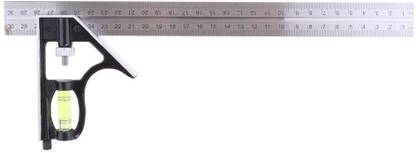
Credit: www.leoalmanac.org
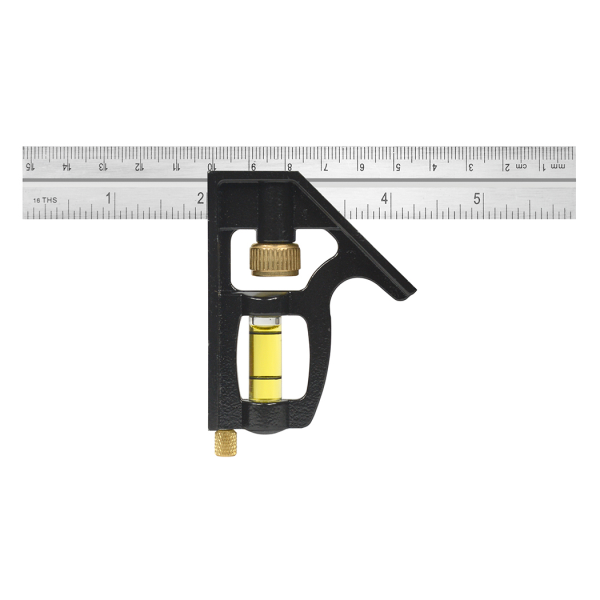
Credit: www.johnsonlevel.com
Frequently Asked Questions
What Is A Combination Square Used For?
A combination square measures angles, depths, and distances precisely. It helps mark 90° and 45° angles. It is essential for woodworking, metalworking, and construction tasks requiring accuracy.
How To Read Measurements On A Combination Square?
Align the ruler’s edge with your workpiece. Read the measurement on the ruler where the head’s edge aligns. Use the scale markings for precise readings in inches or millimeters.
Can A Combination Square Check Level Surfaces?
Yes, many combination squares have a built-in spirit level. This feature allows you to check if surfaces are level or plumb quickly and accurately during your projects.
How To Maintain A Combination Square For Accuracy?
Keep it clean and dry to prevent rust. Store it in a protective case. Regularly check calibration and avoid dropping or bending the ruler to maintain accuracy.
Conclusion
Using a combination square boosts your precision in projects. It’s a handy tool for measuring and marking. Accuracy in your work becomes simple. With practice, you’ll get the hang of it quickly. Remember to keep the square clean for best results.
Whether you’re cutting wood or metal, it guides you well. Invest in a quality square for reliable performance. Understanding this tool enhances your skills. Precision becomes part of your routine. So, try it on your next project. Experience the difference it makes.