Are you ready to tackle your next home project but feel unsure about using a cordless drill? You’re not alone.
A cordless drill is one of the most useful tools you can have, yet many people hesitate to use it because it seems complicated. What if you could learn simple, clear steps that make using your drill easy and even fun?
You’ll discover exactly how to handle a cordless drill with confidence. By the time you finish reading, you’ll be ready to take on your DIY tasks quickly and safely. Let’s get started and unlock the power of your cordless drill for your home projects!
Credit: www.homebuilding.co.uk
Choosing The Right Cordless Drill
Picking the right cordless drill makes your home projects easier. It helps you work faster and with less effort.
Knowing different drill types and features lets you choose a drill that fits your needs well.
Types Of Cordless Drills
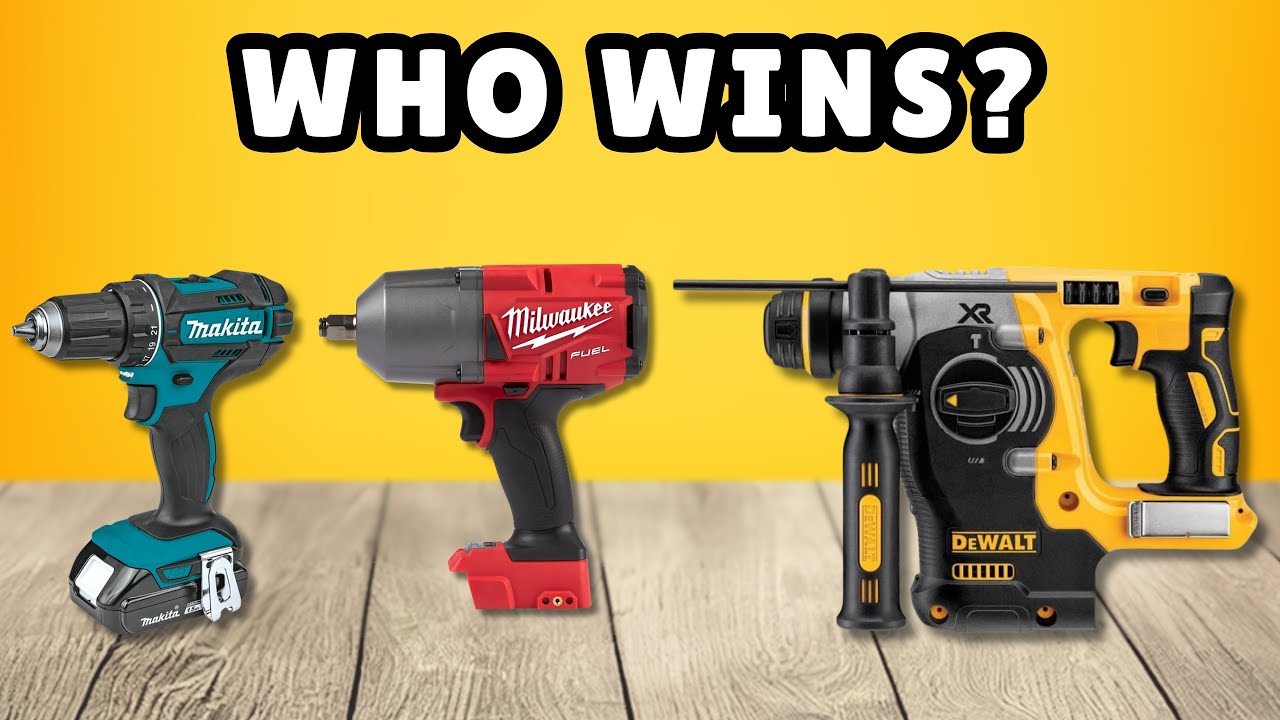
There are several types of cordless drills. Each type suits different tasks and skill levels.
- Standard Drill:Good for simple drilling and screwing jobs.
- Hammer Drill:Adds a hammering motion for drilling into hard materials like concrete.
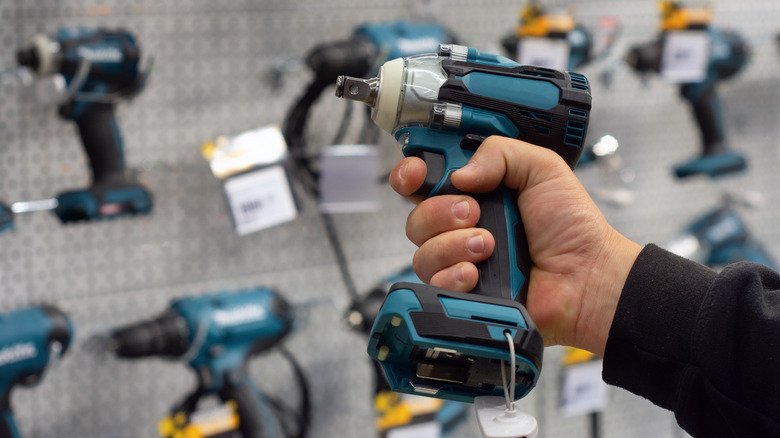
- Impact Driver:Delivers high torque for driving large screws and bolts.
- Right-Angle Drill:Fits tight spaces where regular drills can’t reach.
Key Features To Consider
| Feature | Why It Matters |
| Power (Voltage) | Higher voltage means more drilling strength. |
| Speed Settings | Multiple speeds give control for different tasks. |
| Chuck Size | Determines the drill bit sizes you can use. |
| Weight | Lighter drills are easier to handle for longer times. |
| Grip Comfort | A good grip reduces hand fatigue and improves control. |
Battery Life And Charging
Battery life affects how long you can use the drill without stopping. Fast charging helps you get back to work sooner.
- Choose lithium-ion batteries for longer life and lighter weight.
- Check how many amps the battery has; higher amps mean longer run time.
- Look for chargers with quick charge options.
- Keep extra batteries handy for long projects.

Credit: infrakraft.com
Essential Drill Accessories
A cordless drill is a handy tool for many DIY projects. To get the best results, you need the right accessories. These accessories help you work on different materials and keep your drill in good shape.
Knowing which accessories to use can make your projects easier and safer. Below are some important drill accessories to consider for your home tasks.
Drill Bits For Different Materials
Drill bits come in many types. Each type works best with certain materials. Using the right bit prevents damage and makes drilling smoother.
- Wood Bits:Designed to cut through wood cleanly. They often have a sharp point for easy starting.
- Metal Bits:Made from high-speed steel or cobalt. These bits are strong and resist heat.
- Masonry Bits:Used for brick, stone, or concrete. They have a carbide tip to drill tough surfaces.
- Spade Bits:Flat bits used for drilling large holes in wood quickly.
- Auger Bits:Help drill deep holes in wood with less effort.
Additional Attachments
Besides drill bits, other attachments can improve your drill’s use. These make tasks like driving screws or sanding easier.
- Screwdriver Bits:Fit into the drill to drive screws fast and tight.
- Hole Saws:Cut large holes in wood or drywall for pipes or cables.
- Wire Brushes:Attach to clean metal surfaces or remove rust.
- Sanding Drums:Help smooth wood or remove old paint.
- Right Angle Attachments:Allow drilling in tight or hard-to-reach spots.
Storage And Maintenance
Keeping your drill and accessories in good condition makes them last longer. Proper storage protects them from damage and dirt.
Regular maintenance helps your drill work well every time you use it.
- Store bits and attachments in a case or organizer to avoid loss.
- Clean bits after use to remove dust and debris.
- Check for wear or damage before each project.
- Keep the drill battery charged and store it in a dry place.
- Lubricate moving parts as needed according to the drill manual.
Basic Drill Operation
A cordless drill is a handy tool for many home projects. It helps you drill holes and drive screws easily.
Understanding the basic operation of the drill makes your work safer and faster. This guide covers the main steps.
Setting Up The Drill
First, charge the drill battery fully. Insert the battery firmly into the drill base until it clicks. Next, select the right drill bit for your task.
- Make sure the drill is off before attaching bits.
- Insert the drill bit into the chuck and tighten it by hand or with the chuck key.
- Wear safety glasses before starting work.
Adjusting Speed And Torque
Adjust speed and torque based on the material and task. Use lower speed for metal or hard surfaces. Higher speed works well for wood.
| Material | Recommended Speed | Torque Setting |
| Wood | High | Medium |
| Metal | Low | High |
| Plastic | Medium | Low |
Proper Handling Techniques
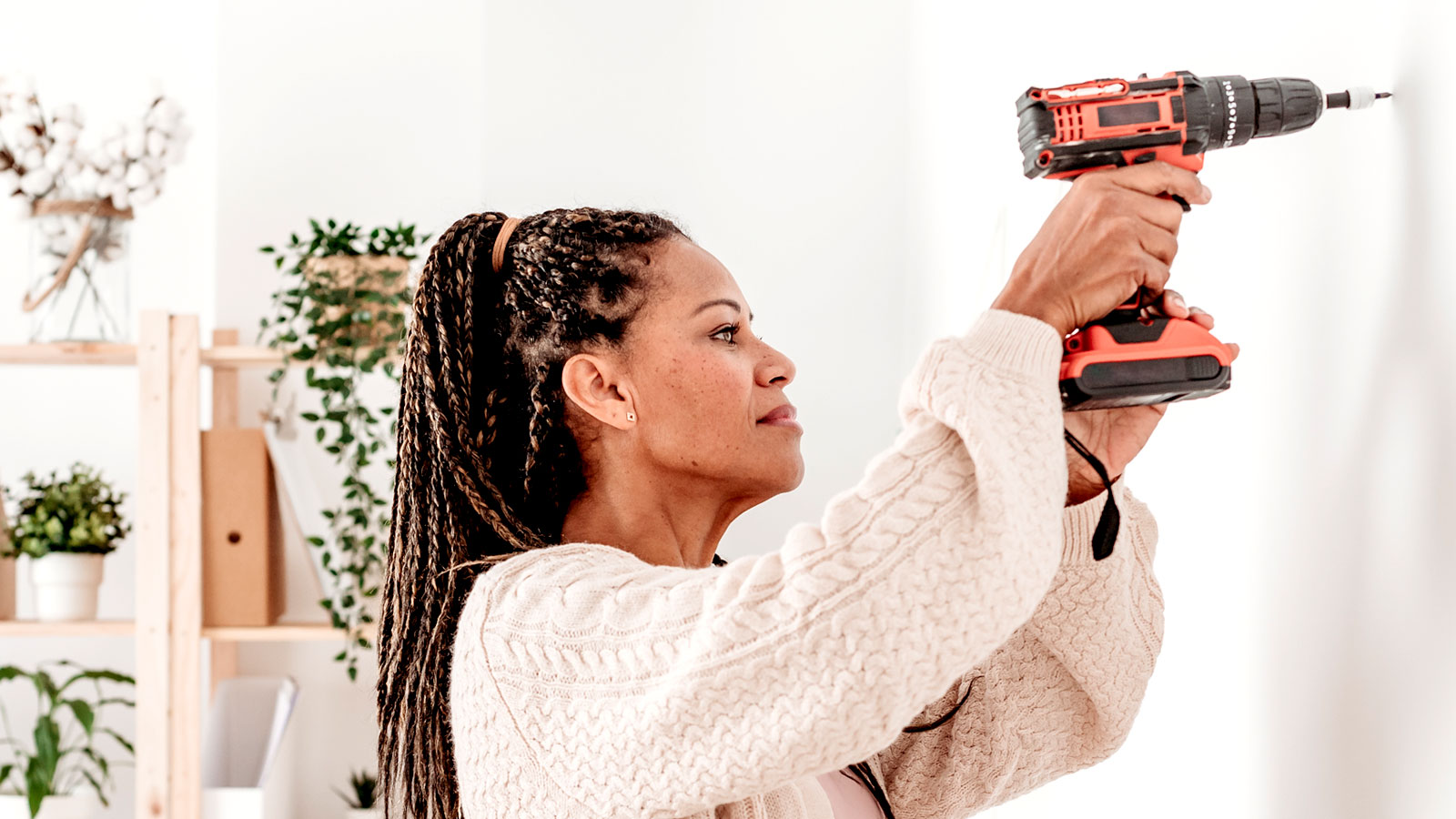
Hold the drill firmly with both hands. Keep your wrist straight and apply steady pressure. Let the drill do the work without pushing too hard.
- Keep your feet balanced and body stable.
- Use clamps to hold small or loose workpieces.
- Keep the drill bit straight to avoid slipping.
- Release the trigger slowly when done drilling.
Safety Tips For Using A Cordless Drill
Using a cordless drill is helpful for many home projects. It saves time and effort. Still, safety must come first.
Follow simple rules to keep yourself safe. This guide covers what gear to wear, safe drilling habits, and how to avoid injuries.
Protective Gear To Wear
Wear the right gear to protect your body. This gear helps prevent accidents and injuries while using a cordless drill.
- Safety glasses to shield your eyes from dust and debris
- Hearing protection like earplugs or earmuffs to protect your ears
- Work gloves to improve grip and protect your hands
- Long sleeves and pants to cover your skin
- Sturdy shoes to protect your feet from falling objects
Safe Drilling Practices
Use the drill correctly to avoid accidents. Follow these safety steps every time you drill.
- Check the drill and battery for damage before use.
- Secure the workpiece firmly to prevent movement.
- Start drilling at a slow speed to maintain control.
- Keep both hands on the drill for stability.
- Do not force the drill; let the bit cut at its own pace.
- Keep the drill perpendicular to the surface for a straight hole.
- Turn off and unplug the drill before changing bits.
Preventing Common Injuries
Many injuries happen from simple mistakes. Watch out for these risks and use safe habits.
| Injury Type | Cause | How to Prevent |
|---|---|---|
| Eye injury | Flying debris or dust | Wear safety glasses |
| Hand cuts | Slipping drill or sharp bits | Use gloves and firm grip |
| Electric shock | Drill damaged or wet conditions | Inspect drill and avoid water |
| Hearing damage | Loud noise from drill | Wear ear protection |
| Muscle strain | Improper posture or force | Keep good posture and do not force drill |
Diy Project Ideas With A Cordless Drill
A cordless drill is a handy tool for many DIY home projects. It helps you work faster and with less effort. You can use it for simple repairs, building furniture, and adding decorations.
Learning how to use a cordless drill opens up many possibilities. Here are some project ideas to get you started at home.
Simple Home Repairs
A cordless drill makes fixing things around the house easier. You can tighten loose screws, hang shelves, or drill holes for wall anchors. It saves time and keeps your home in good shape.
- Tighten door hinges and cabinet handles
- Install curtain rods or blinds
- Fix loose stair railing screws
- Drill holes to hang picture frames
- Assemble small repair parts quickly
Furniture Assembly And Creation
You can build or put together furniture pieces with a cordless drill. It helps you drive screws fast and with less strain. Whether assembling a bookshelf or creating a custom table, the drill is key.
| Project | Tool Use | Tip |
| Bookshelf Assembly | Driving screws | Use the right drill bit size |
| Table Creation | Pre-drilling holes | Mark measurements before drilling |
| Chair Repair | Removing old screws | Use reverse mode on drill |
Decorative Projects
Use your cordless drill for creative decoration tasks. You can make wall art, build plant holders, or create light fixtures. The drill helps you work with wood, metal, or plastic pieces.
- Drill holes in wood for string lights
- Build wooden crates for plants
- Create custom picture frames
- Make a hanging rack with hooks
- Attach metal decorations to walls
Troubleshooting Common Issues
Cordless drills are handy tools for DIY projects. Sometimes, they stop working as expected. Knowing how to fix common problems saves time and frustration.
This guide covers three frequent issues: drill not starting, battery problems, and bit slipping or breaking. Each section explains easy fixes you can try.
Drill Won’t Start
If your drill does not start, first check the power switch. Make sure it is fully turned on. Sometimes dust or dirt blocks the switch.
Also, confirm the battery is correctly attached. Loose connections can stop the drill from working. Clean the contacts if needed.
- Check if the power switch moves smoothly
- Secure the battery firmly in place
- Clean dust from the switch and battery contacts
- Try a different battery if available
Battery Problems
Battery issues are common with cordless drills. If the drill loses power quickly, the battery may be old or damaged. Recharge the battery fully before use.
Keep spare batteries charged and ready. Store batteries in a cool, dry place to extend their life. Avoid leaving batteries in the drill for long periods.
- Charge the battery until the indicator shows full
- Use a different battery to test the drill
- Store batteries away from heat and moisture
- Replace batteries that no longer hold a charge
Bit Slipping Or Breaking
If the drill bit slips or breaks, check how it fits in the chuck. The chuck must be tight to hold the bit firmly. Use the chuck key or hand tighten if your drill has one.
Choose the right bit for the material. Using the wrong bit can cause it to break or slip. Replace worn or damaged bits quickly to avoid problems.
- Tighten the chuck securely around the bit
- Use bits made for the material you drill
- Inspect bits for wear and replace if needed
- Do not force the drill if the bit slips
Credit: www.youtube.com
Frequently Asked Questions
How Do I Choose The Right Cordless Drill For Diy Projects?
Select a cordless drill with suitable power, battery life, and speed settings. Consider the drill’s weight and ergonomics for comfort. Look for models with adjustable torque for varied tasks. Check user reviews to ensure reliability and ease of use. Match drill features to your project needs.
What Safety Tips Should I Follow When Using A Cordless Drill?
Always wear safety goggles and gloves to protect yourself. Keep hair and loose clothing away from the drill. Use clamps to secure workpieces for stability. Check the drill bit is tightly fastened before use. Work in a well-lit area and maintain a firm grip on the drill.
How Do I Maintain My Cordless Drill For Longevity?
Regularly clean the drill and remove dust buildup. Charge the battery fully before storage and avoid overcharging. Store the drill in a dry, cool place to prevent damage. Inspect drill bits for wear and replace as needed. Lubricate moving parts occasionally to ensure smooth operation.
What Drill Bits Work Best For Home Diy Projects?
Use high-speed steel (HSS) bits for wood and plastic. For metal, choose cobalt or titanium-coated bits. Masonry bits are best for concrete or brick surfaces. Match drill bit size to your screw or hole requirements. Always use sharp, undamaged bits for clean, precise holes.
Conclusion
Mastering a cordless drill makes DIY projects easier. Confidence grows with each use. Practice improves skills and results. Always prioritize safety. Choose the right drill bit for the job. Remember to charge the battery regularly. A handy tool, the cordless drill transforms home improvement tasks.
From hanging pictures to building furniture, it’s versatile. Keep it in your toolkit for various projects. Spend time learning, and projects will turn out great. Soon, you’ll tackle new challenges effortlessly. Enjoy the satisfaction of creating with your own hands.
Happy drilling!