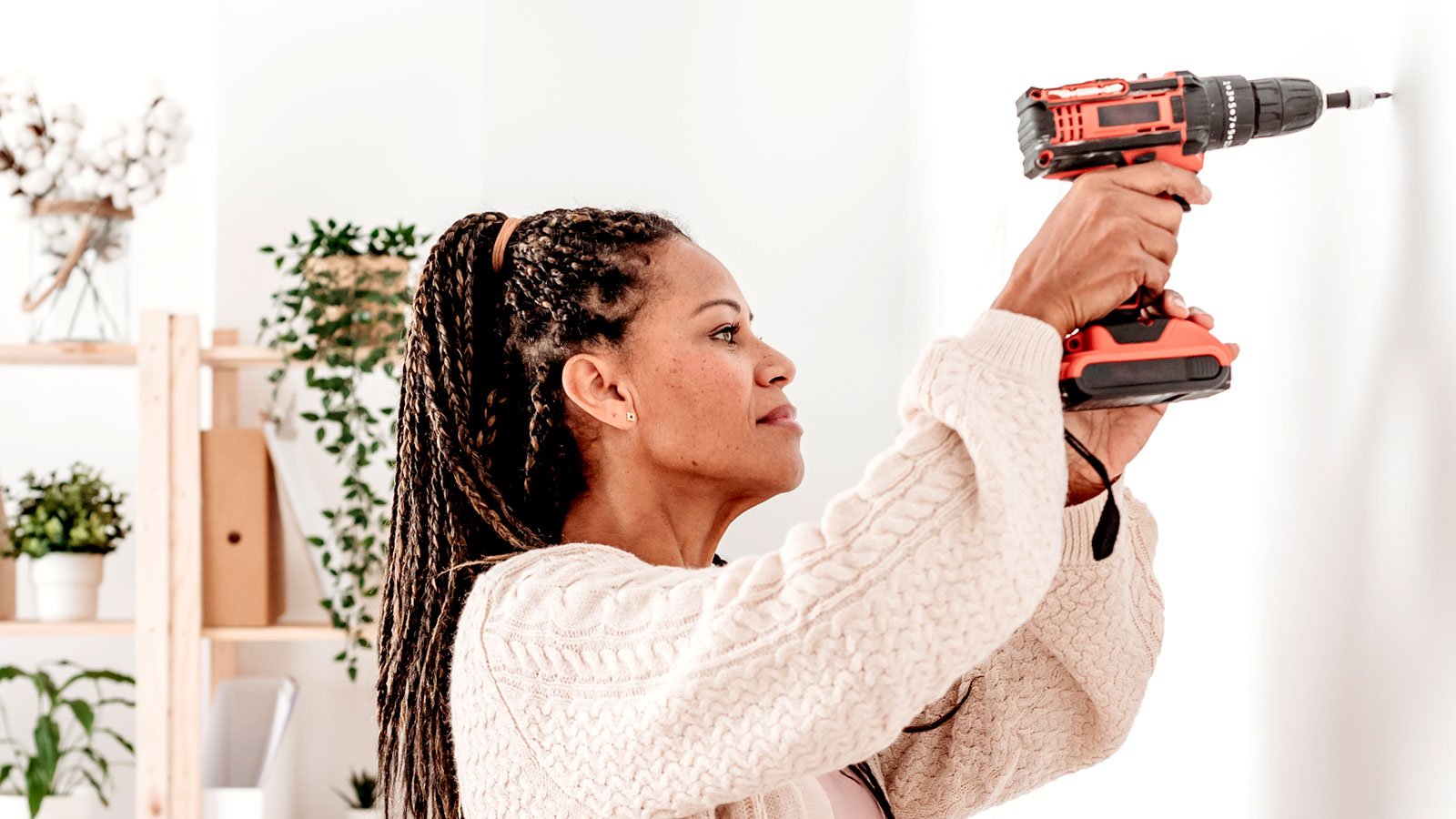
If you’ve ever struggled to drill through metal, you know it’s not as simple as it looks. Using a cordless drill for metal can save you time and effort—but only if you do it right.
In this guide, you’ll learn easy, step-by-step tips to make sure your drill works smoothly and your metal stays intact. Whether you’re fixing something at home or working on a project, mastering this skill will boost your confidence and get the job done faster.
Ready to drill like a pro? Let’s dive in.
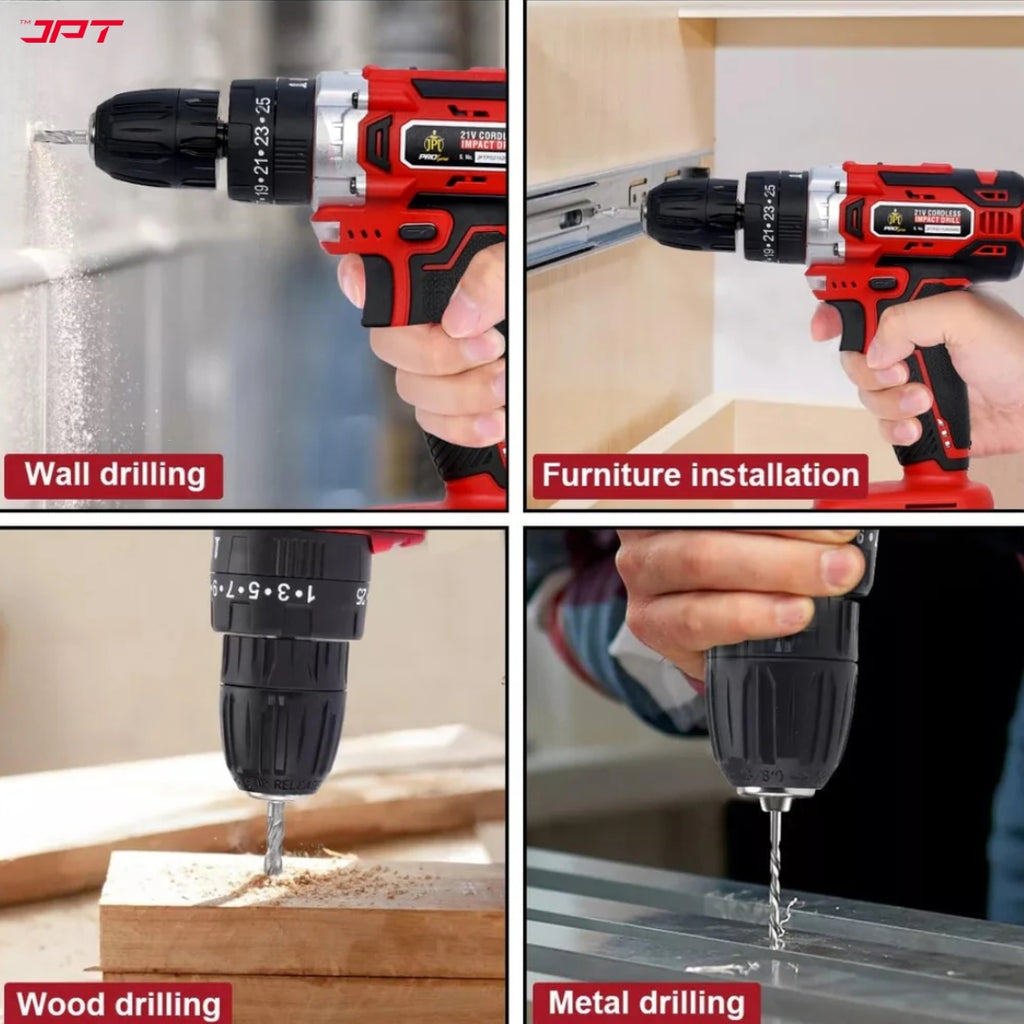
Credit: jpttools.com
Choosing The Right Drill And Bits
Using a cordless drill to drill metal requires picking the right tools. Choosing the correct drill and bits makes the job easier and safer.
This guide helps you select the best cordless drill and metal drill bits for your project.
Selecting A Cordless Drill
Choose a cordless drill with enough power to handle metal. Look for a drill with a high voltage battery, usually 18 volts or more. It should have adjustable speed settings for better control.
- Battery type: lithium-ion for longer life and lighter weight
- Variable speed control to match metal thickness
- Comfortable grip for steady handling
- Keyless chuck for easy bit changes
Picking Metal Drill Bits
Metal drill bits differ from wood or masonry bits. They are made from strong materials to cut through metal cleanly. Pick the correct type and size for your project.
| Bit Type | Best Use | Material |
| High-Speed Steel (HSS) | General purpose metal drilling | Steel alloy |
| Cobalt Bits | Hard metals like stainless steel | HSS with cobalt |
| Titanium-Coated | Longer life on softer metals | HSS with titanium coating |
| Carbide-Tipped | Very hard metals and high speed | Carbide tip on steel shaft |
Preparing For Metal Drilling
Drilling into metal needs careful preparation. You must get your tools and workspace ready.
Proper prep helps you drill clean holes and stay safe during the job.
Marking The Drill Spot
Mark the exact spot where you want to drill. This guide helps your drill bit stay on track.
Use a center punch or a sharp nail to make a small dent on the metal. This dent stops the bit from slipping.
Securing The Metal Piece
Hold the metal firmly before drilling. Moving metal can cause bad holes or injury.
Use clamps or a vise to keep the metal steady. Make sure it is tight and will not move.
- Place the metal on a stable surface
- Use clamps or a bench vise
- Check that the piece cannot spin or slide
Safety Gear Essentials
Wear safety gear before drilling metal. Metal drilling can create sharp chips and loud noise.
Use safety glasses, gloves, and ear protection to protect yourself from harm.
- Safety glasses to protect your eyes
- Gloves to protect your hands
- Ear plugs or earmuffs for loud noise
- Wear long sleeves to shield your arms
Setting Up The Drill
Using a cordless drill for metal requires proper setup. This ensures safety and good results.
Focus on adjusting the drill speed, installing the correct bit, and checking the battery power first.
Adjusting Drill Speed
Metal drilling needs a slower speed to avoid overheating the bit. Most cordless drills have speed settings.
- Turn on the drill and locate the speed switch or dial.
- Select a low or medium speed setting suitable for metal.
- Test the speed on a scrap metal piece before starting your work.
Installing The Drill Bit
Use a bit designed for metal, such as a high-speed steel bit. Proper installation keeps the bit steady.
- Open the chuck by turning it counterclockwise.
- Insert the drill bit fully into the chuck.
- Tighten the chuck clockwise until the bit is secure.
- Check the bit is straight and does not wobble.
Checking Battery Power
Battery power affects drill performance. Check it before you start drilling.
| Battery Level | Action |
|---|---|
| Full | Ready for drilling metal |
| Medium | Consider charging soon |
| Low | Charge before use |

Credit: www.ttp-hard-drills.net
Drilling Techniques For Metal
Using a cordless drill to drill metal requires care and the right approach. Proper drilling techniques help create clean holes and protect your tools.
This guide explains how to start the hole, keep steady pressure, and cool the drill bit during the work.
Starting The Hole
Begin drilling by marking the spot clearly. Use a center punch to make a small dent. This helps the drill bit stay in place and not slip.
- Mark the drilling spot with a marker or scribe.
- Use a center punch and hammer to create a small dent.
- Start drilling at a slow speed to avoid slipping.
- Hold the drill steady and perpendicular to the metal surface.
Maintaining Steady Pressure
Apply steady and moderate pressure while drilling. Too much force can damage the drill bit or the metal. Too little pressure slows the work and causes heat.
| Pressure Level | Effect on Drilling |
| Light | Slow drilling, bit may overheat |
| Moderate | Clean hole, good bit life |
| Heavy | Bit damage, rough hole, drill strain |
Cooling The Drill Bit
Metal drilling creates heat that can dull the drill bit. Cool the bit often to keep it sharp and working well.
Use these methods to cool the drill bit:
- Pause drilling to let the bit cool.
- Apply cutting oil or lubricant to the drilling area.
- Use water spray carefully, but avoid electric tool contact with water.
- Drill at slower speeds to reduce heat build-up.
Troubleshooting Common Issues
Using a cordless drill to drill metal can sometimes cause problems. Knowing how to fix common issues helps you work safely and efficiently.
This guide covers how to handle bit slippage, overheating, and drill jams when drilling metal.
Dealing With Bit Slippage
Bit slippage happens when the drill bit spins but does not cut into the metal. This can damage the bit and make drilling harder.
To stop slippage, first check if the bit is sharp and suitable for metal. Also, make sure the drill chuck is tight and holds the bit firmly.
- Use a drill bit designed for metal
- Tighten the chuck properly
- Apply steady pressure, not too hard
- Start drilling at a low speed
Handling Overheating
Drilling metal creates heat. Overheating can damage the drill and bit. It also makes the metal harder to drill.
To prevent overheating, drill slowly and use light pressure. You can also stop often to let the drill cool down. Using cutting oil helps reduce heat.
- Drill at a slow speed
- Use light, steady pressure
- Pause to cool the drill and bit
- Apply cutting oil or lubricant
Fixing Drill Jams
A drill jam happens when the bit gets stuck in the metal. This can stop your work and may harm the drill or bit.
To fix a jam, stop the drill immediately. Reverse the drill slowly to free the bit. Check the bit for damage before continuing.
- Stop drilling when jam occurs
- Switch drill to reverse mode
- Turn slowly to remove the bit
- Inspect the bit for wear or damage
- Replace damaged bits before restarting
Post-drilling Care
Taking care after drilling metal is important for safety and tool life. Proper steps keep the metal clean and the drill ready for next use.
Follow simple care tips to protect your work and tools. This helps avoid rust and damage.
Cleaning The Metal Surface
After drilling, metal edges may have burrs and dust. Clean the surface to avoid injury and rust.
Use a brush or cloth to remove metal shavings. Apply a light oil to stop rust from forming.
- Brush off metal shavings carefully
- Wipe with a dry cloth
- Apply a thin layer of oil or rust protector
- Store metal in a dry place
Storing The Drill Properly
Keep your cordless drill safe by storing it in a dry, cool place. Avoid damp or dusty areas.
Remove the battery if you won’t use the drill soon. Charge the battery partially before storing.
- Store drill in its case or on a shelf
- Remove and charge battery separately
- Keep away from moisture and extreme heat
- Check the drill before next use
Maintaining Drill Bits
Drill bits wear out faster if not cared for. Clean them after each use and store properly.
Sharpen dull bits or replace them to keep drilling efficient and safe.
- Remove metal dust from bits with a brush
- Store bits in a case or holder
- Sharpen bits with a file or sharpener
- Replace bits if too worn or damaged
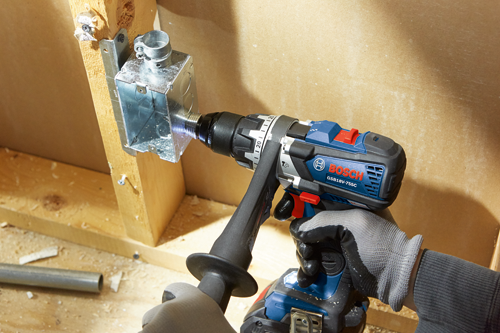
Credit: www.boschtools.com
Frequently Asked Questions
How Do You Drill Metal With A Cordless Drill?
To drill metal with a cordless drill, use a sharp, high-speed steel (HSS) drill bit. Ensure the drill is set to a low speed setting. Secure the metal piece tightly using a clamp. Start drilling with light pressure and gradually increase as needed.
Always wear safety glasses to protect your eyes.
What Drill Bit Is Best For Metal?
High-speed steel (HSS) drill bits are best for drilling metal. They are durable and can withstand high temperatures generated during drilling. For tougher metals like stainless steel, consider using cobalt or titanium-coated bits. These provide better heat resistance and durability, ensuring efficient drilling.
Can A Cordless Drill Handle Thick Metal?
Yes, a cordless drill can handle thick metal if equipped with the right drill bit. Use high-speed steel or cobalt bits for thick metal. Ensure your drill has sufficient battery power and torque. Start with a pilot hole to make the process easier and more efficient.
What Precautions Should I Take When Drilling Metal?
When drilling metal, always wear safety glasses to protect your eyes. Secure the metal piece using a clamp to prevent movement. Use a lubricant, like cutting oil, to reduce heat and friction. Start drilling at a low speed and apply steady pressure to avoid damaging the drill bit.
Conclusion
Using a cordless drill for metal is simple and effective. Choose the right drill bit and secure the metal firmly. Start drilling slowly to avoid slipping or damage. Keep the drill steady and apply gentle pressure. Always wear safety glasses and gloves for protection.
With practice, drilling metal becomes easier and safer. Enjoy your project with confidence and care. Keep these tips in mind for better results each time.