
Are you ready to tackle your next DIY project with a cordless drill? Before you start, it’s important to know how to use your drill safely.
Using this powerful tool without the right precautions can lead to accidents or damage. But don’t worry—by following simple safety steps, you can protect yourself and get the job done efficiently. Keep reading to discover easy and effective tips that will help you handle your cordless drill like a pro, every time.
Your safety and success are just a few clicks away!
Choosing The Right Drill
Choosing the right cordless drill is important for safe use. A good drill fits your needs and is easy to handle. This guide covers key points to help you pick the best drill.
Look at the drill type, battery power, and features. These factors help you work safely and finish tasks better.
Types Of Cordless Drills
Cordless drills come in different types for various jobs. Choose one that matches your project and skill level.
- Drill Driver:Good for drilling holes and driving screws. It is versatile and easy to use.
- Hammer Drill:Adds a hammering action. Best for drilling into concrete or brick.
- Impact Driver:Provides high torque for driving large screws and bolts.
- Right-Angle Drill:Has a compact head for tight spaces.
Battery Considerations
The battery affects how long the drill runs and how powerful it is. Choose a battery that fits your work style.
| Battery Type | Run Time | Power | Weight |
| Ni-Cad | Short | Moderate | Heavy |
| NiMH | Moderate | Good | Medium |
| Li-ion | Long | High | Light |
Essential Drill Features
Some features improve safety and ease of use. Look for these when choosing a drill.
- Variable Speed Control: Adjust speed for different tasks.
- Reverse Function: Helps remove stuck screws safely.
- Ergonomic Grip: Reduces hand fatigue and improves control.
- LED Light: Illuminates dark work areas.
- Clutch Settings: Prevents overdriving screws and damaging materials.
Preparing For Safe Drilling
Using a cordless drill safely starts before you press the trigger. Preparation helps prevent accidents and makes your work easier.
Check your drill and workspace carefully. Use the right tools to keep control and avoid damage.
Inspecting The Drill
Look over your cordless drill before use. Check for cracks or loose parts. Make sure the battery is charged and fits well.
Test the drill by turning it on briefly. Listen for strange sounds. Stop if it feels hot or works unevenly.
- Check the drill body for damage
- Ensure the battery is secure
- Test the trigger and speed control
- Look for worn or broken parts
Selecting Proper Drill Bits
Pick drill bits that fit your job and drill. Using the right bit makes drilling easier and safer.
Match the bit size to the hole you want. Use bits made for the material you will drill, like wood or metal.
- Choose the right size for your hole
- Use bits for the material type
- Check bits for damage or dullness
- Replace worn bits before drilling
Setting Up Your Workspace
Clear your workspace before drilling. Remove clutter and tripping hazards to keep safe and focused.
Secure your workpiece with clamps or a vise. This stops movement and helps you drill straight holes.
- Keep area tidy and well-lit
- Use clamps to hold materials
- Wear safety goggles and gloves
- Ensure good ventilation if indoors
Basic Drilling Techniques
Using a cordless drill safely is important for good results and avoiding injuries. Basic drilling techniques help you work with control and accuracy.
This guide covers how to hold the drill, start and stop it properly, and control its speed.
Proper Grip And Stance
Hold the drill firmly with both hands for better control. Use your dominant hand on the trigger and the other hand to steady the drill body.
Stand with your feet shoulder-width apart. Keep a balanced stance to avoid slipping or losing control during drilling.
- Grip drill handle firmly but not too tight
- Place your support hand near the front of the drill
- Keep feet flat and spaced evenly
- Bend knees slightly for better balance
Starting And Stopping The Drill
Before starting, make sure the drill bit is secure and the workpiece is clamped down. Begin drilling at a slow speed to avoid slipping.
Release the trigger smoothly to stop the drill. Do not force the drill to stop by pulling it away too fast.
- Check drill bit is tight before use
- Clamp workpiece securely
- Start drilling slowly and steadily
- Release trigger gently to stop
Controlling Drill Speed
Use the variable speed trigger to control how fast the drill spins. Start with low speed for accuracy, then increase speed as needed.
Slower speeds work best for hard materials. Faster speeds suit softer materials and faster drilling.
- Press trigger lightly for slow speed
- Press trigger harder to increase speed
- Match speed to material type
- Slow speed helps prevent drill bit damage
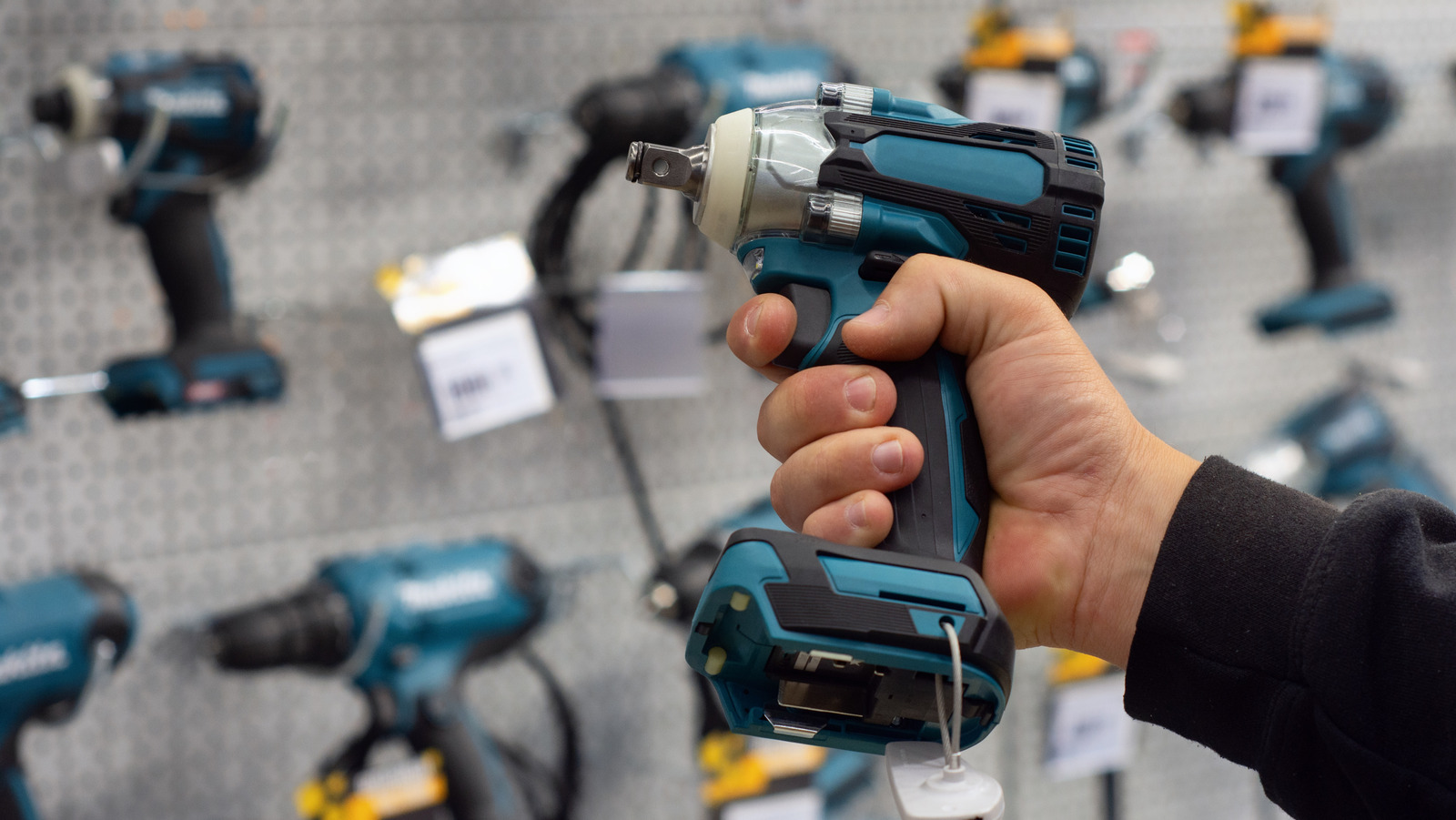
Credit: www.slashgear.com
Safety Gear And Precautions
Using a cordless drill can be safe if you follow simple rules. Wearing the right gear helps protect you from injuries.
Taking precautions keeps your work area safe and lets you focus on the task. Always prepare before drilling.
Protective Eyewear And Gloves
Wear safety glasses to protect your eyes from dust and debris. This stops small particles from causing harm.
Gloves protect your hands from splinters and sharp edges. Choose gloves that fit well and allow good grip.
- Use clear or tinted safety glasses
- Wear gloves made for work tasks
- Replace damaged gear immediately
Avoiding Loose Clothing
Loose clothes can catch in the drill. Wear fitted clothes to stay safe while working.
Keep long hair tied back and remove jewelry. This stops accidents caused by getting caught in the drill.
- Wear close-fitting shirts and pants
- Secure long hair with bands or clips
- Remove watches, rings, and bracelets
Working In Well-lit Areas
Good lighting helps you see the drill and work surface clearly. It reduces mistakes and accidents.
Use natural light or strong lamps. Avoid working in dark or shadowy places to stay safe.
- Work near windows during the day
- Use bright LED lights if needed
- Keep the work area free of shadows
Handling Common Challenges
Using a cordless drill can be easy if you know how to handle common problems. This guide helps you use it safely and avoid damage.
Learn how to fix stuck bits, stop your drill from overheating, and keep the battery working longer.
Dealing With Stuck Bits
Bits can get stuck if you apply too much force or use the wrong type. Don’t force the drill if the bit is stuck.
Try loosening the bit by turning it backward slowly. Use pliers if needed, but be gentle to avoid damage.
- Stop drilling if the bit stalls
- Reverse the drill slowly to loosen the bit
- Use pliers carefully to pull out stuck bits
- Choose the right bit for the material
Preventing Overheating
Overheating can damage your drill and make it unsafe. Give the drill breaks during long jobs to cool down.
Keep the drill clean and avoid pushing too hard. This helps the motor run smoothly and stay cool.
- Take short breaks every few minutes
- Clean dust and debris from vents
- Use moderate pressure while drilling
- Keep the drill in a cool place when not in use
Maintaining Battery Life
Battery care helps your drill last longer. Charge the battery fully before use and avoid letting it drain completely.
Store batteries in a dry, cool place. Remove the battery from the drill if you will not use it for a long time.
- Charge batteries before first use
- Do not let battery drain fully
- Store batteries away from heat and moisture
- Remove battery from drill when storing

Credit: www.theguardian.com
Storing And Maintaining Your Drill
Keeping your cordless drill clean and well stored helps it last longer. Regular care avoids damage and keeps it ready to use.
Follow simple steps to clean, store, and check your drill. This keeps it safe and working well every time.
Cleaning After Use
After using your drill, remove dust and debris from its surface and vents. Use a dry cloth or a small brush to clean it gently.
Do not use water or harsh chemicals. Check the drill bits and wipe them clean before storing.
Proper Storage Tips
Store your drill in a dry place away from extreme temperatures. Keep it in a case or on a shelf safe from dust and moisture.
- Keep the battery separate if you will not use the drill for a long time.
- Store the drill in an upright position to avoid damage.
- Place it where children cannot reach it.
- Use a protective case to avoid scratches and drops.
Routine Maintenance Checks
| Check | What to Look For | Action |
|---|---|---|
| Battery | Charge level and damage | Charge fully and replace if damaged |
| Chuck | Secure grip on drill bits | Tighten or clean to keep firm hold |
| Switch | Responsive on/off function | Repair or replace if it sticks |
| Drill Bits | Sharpness and wear | Sharpen or replace dull bits |

Credit: www.youtube.com
Frequently Asked Questions
How Do I Start A Cordless Drill Safely?
Before starting, ensure the drill bit is secured. Check the battery charge. Hold the drill firmly with both hands. Use the appropriate speed setting for your task. Keep fingers away from the trigger when not in use.
What Safety Gear Should I Wear?
Always wear safety goggles to protect your eyes. Use ear protection if the noise level is high. Wear gloves to protect your hands from sharp objects. Avoid wearing loose clothing or jewelry that might get caught in the drill.
How Can I Avoid Drill Kickback?
To avoid kickback, maintain a firm grip on the drill. Start drilling at a slow speed. Make sure the drill bit is sharp and suited for the material. Apply steady pressure without forcing the drill.
What Is The Correct Way To Hold A Drill?
Hold the drill with your dominant hand on the handle. Use your other hand to support the back. Keep elbows close to your body for stability. This grip provides control and reduces fatigue.
Conclusion
Using a cordless drill safely protects you from injuries. Always wear safety gear like goggles and gloves. Keep your work area clean and well-lit. Check the drill and battery before starting work. Hold the drill firmly and avoid loose clothes.
Follow the drill’s instructions carefully every time. Practice these safety tips to work confidently and avoid accidents. Safety matters more than speed or power. Stay alert and take your time to do the job right.
