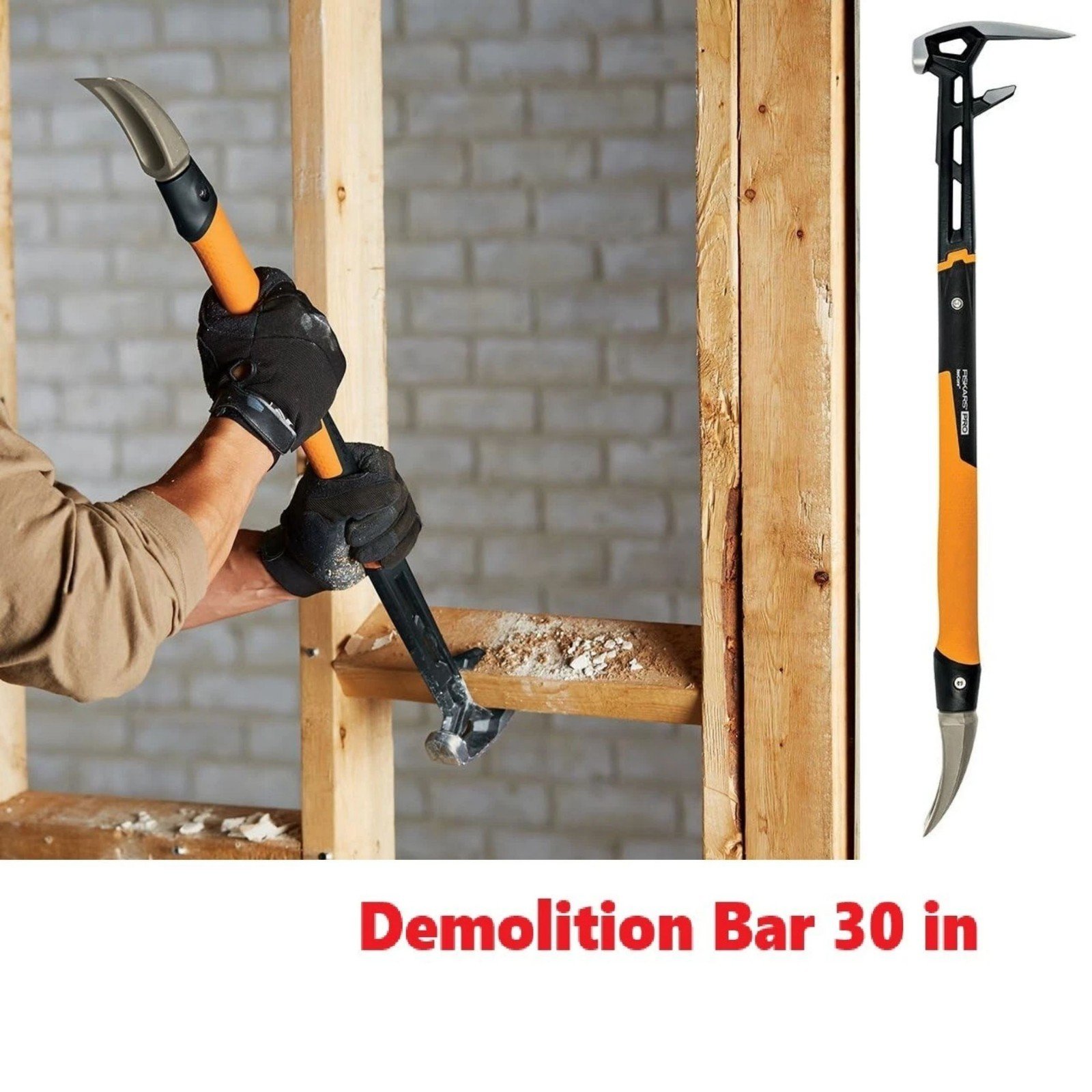
Are you ready to tackle your next demolition project but unsure how to use a crowbar safely and effectively? Whether you’re breaking down old walls, removing nails, or prying apart wooden boards, mastering this simple tool can save you time and effort.
You’ll discover step-by-step tips and tricks to handle a crowbar like a pro. Keep reading to learn how to protect yourself, get the most power out of every move, and make your demolition work smoother and faster. Your project deserves the right start—let’s dive in!
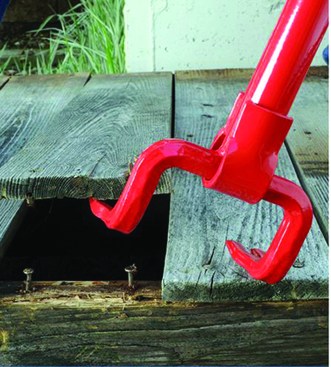
Credit: www.jlconline.com
Choosing The Right Crowbar
Using a crowbar makes demolition easier and safer. Picking the right one helps you work better.
There are many types and sizes of crowbars. Learn what suits your demolition job best.
Types Of Crowbars
Crowbars come in different shapes for different tasks. Some are flat, others curved or straight.
Flat crowbars are good for prying and lifting. Curved ones work well for pulling nails and demolition.
- Flat Bar: Thin and flat for sliding under materials
- Gooseneck: Curved end for nail pulling and leverage
- Wrecking Bar: Heavy and thick for tough demolition
- Utility Bar: Smaller, easy to carry for light jobs
Material And Size Considerations
Most crowbars are made from steel for strength and durability. Some have rust-resistant coatings.
Choose size based on your job. Longer bars give more leverage but can be hard to control.
- Steel material for strength and long life
- Coated bars resist rust in wet conditions
- Short bars are good for tight spaces
- Long bars provide more force and reach
Safety Gear Essentials
Using a crowbar for demolition can be risky without the right safety gear. Protecting yourself reduces injury chances.
Always wear proper clothing and protective gear before starting any demolition work with a crowbar.
Protective Clothing
Wear clothes that cover your arms and legs to avoid cuts and bruises. Thick fabrics like denim or canvas work well.
- Long-sleeve shirts to protect arms
- Durable pants to shield legs
- Steel-toe boots for foot safety
- Hard hats to protect your head
- High-visibility vests if working near traffic
Eye And Hand Protection
Eyes and hands face the highest risk during demolition. Use safety glasses and strong gloves to guard them.
| Protection | Purpose | Recommended Type |
|---|---|---|
| Safety Glasses | Prevent dust and debris from entering eyes | Wrap-around lenses with impact resistance |
| Work Gloves | Protect hands from cuts and splinters | Leather or heavy-duty synthetic gloves |
Preparing The Work Area
Before using a crowbar for demolition, prepare the work area carefully. This helps keep the job safe and efficient.
Organizing the space makes it easier to remove materials and avoid accidents.
Clearing Obstacles
Remove all items that block your work zone. This includes furniture, tools, and debris.
Clearing the area prevents trips and gives you room to move the crowbar freely.
- Move furniture to another room or outside
- Pick up loose items from the floor
- Stack tools away from the demolition zone
- Clear dust and small debris regularly
Marking Demolition Zones
Mark areas where you plan to use the crowbar. Use tape or chalk to outline the demolition zones.
This helps you focus on the right spots and avoid damaging important parts of the structure.
- Use bright tape to mark edges and corners
- Write notes on tape to show what to remove
- Keep marked zones clear of people and pets
- Check markings before starting demolition work

Credit: trueprepper.com
Basic Crowbar Techniques
A crowbar is a simple tool used in demolition work. It helps to pull things apart and remove nails.
Knowing how to use a crowbar safely and correctly saves time and effort.
Leveraging And Prying
Hold the crowbar near the curved end for better control. Place the curved end under the object you want to move.
Push down on the straight end to lift or separate materials. Use steady pressure to avoid damage or injury.
- Position the curved end under the object firmly
- Use your body weight to apply force
- Work slowly to avoid breaking the crowbar
- Keep your hands away from pinch points
Removing Nails And Fasteners
Slide the crowbar’s claw under the nail head. Pull the handle back to lift the nail out gently.
If nails are hard to remove, wiggle the crowbar side to side. This loosens the nail before pulling it out.
- Place the claw under the nail head carefully
- Pull the handle back slowly and steadily
- Use rocking motion to loosen stuck nails
- Wear gloves to protect your hands
Advanced Demolition Methods
Using a crowbar for demolition requires skill and care. This tool helps break structures safely and efficiently.
Advanced methods improve control and reduce damage to surrounding areas. Knowing techniques for walls and tough materials is key.
Breaking Through Walls
Start by locating studs or framing inside the wall. Insert the crowbar between the drywall and studs to create leverage.
- Position the crowbar at an angle for better force
- Use steady pressure to avoid sudden breaks
- Work in small sections for control
- Wear safety gear to protect from dust and debris
Handling Stubborn Materials
Materials like concrete or plaster need more effort. Use the crowbar’s claw to chip away small parts carefully.
| Material | Recommended Action | Safety Tip |
| Concrete | Tap edges gently with hammer and crowbar | Wear gloves and eye protection |
| Plaster | Score surface before prying | Use dust mask to avoid inhalation |
| Brick | Remove mortar first for easier removal | Check for loose bricks before applying force |
Maintaining Your Crowbar
Keeping your crowbar in good shape helps it last longer and work better. Regular care prevents rust and damage.
This guide covers how to clean, store, and sharpen your crowbar safely and easily.
Cleaning And Storage
After use, remove dirt and debris from your crowbar. Clean it with water and a stiff brush. Dry it well to stop rust.
- Wipe with a cloth to remove dust
- Use a wire brush for tough spots
- Apply light oil to metal parts to prevent rust
- Store in a dry place away from moisture
- Hang it or keep it in a toolbox to avoid damage
Sharpening Tips
A sharp crowbar edge makes demolition easier. Use a file or grinder to sharpen the tip. Be careful to keep the shape.
| Tool | Purpose | Tip |
| Metal file | Hand sharpening | Use steady strokes along the edge |
| Angle grinder | Fast sharpening | Wear gloves and eye protection |
| Sandpaper | Smooth rough spots | Use fine grit for a clean finish |
Common Mistakes To Avoid
Using a crowbar for demolition seems easy but can be tricky. Mistakes can cause injury or damage. Knowing what to avoid helps you work safely and effectively.
This guide covers two common mistakes: incorrect handling and ignoring safety precautions. Avoid these to protect yourself and your project.
Incorrect Handling
Holding the crowbar the wrong way reduces your control. It can also cause faster fatigue and accidents. Using too much force in the wrong direction can damage surfaces you want to keep.
- Do not use the crowbar as a hammer.
- Keep a firm grip with both hands when prying.
- Apply steady pressure instead of sudden force.
- Position the crowbar close to the object’s edge.
- Avoid twisting the tool too much to prevent breakage.
Ignoring Safety Precautions
Many accidents happen because users skip safety steps. Always wear protective gear and check your surroundings. Ignoring safety can lead to serious injuries.
| Safety Measure | Reason |
| Wear gloves | Protect hands from blisters and cuts |
| Use safety goggles | Shield eyes from flying debris |
| Check for hidden nails or wires | Prevent puncture wounds or electric shocks |
| Clear the work area | Avoid tripping or hitting others |
| Work in good lighting | See clearly and avoid mistakes |
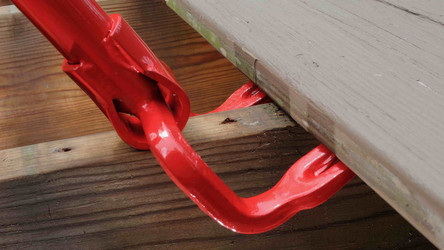
Credit: angelguardproducts.com
Frequently Asked Questions
What Safety Gear Is Essential When Using A Crowbar?
Always wear gloves, safety goggles, and sturdy boots. These protect your hands, eyes, and feet from injury. Proper safety gear reduces risks during demolition tasks.
How Do I Choose The Right Crowbar Size?
Select a crowbar based on your project size. Longer bars provide more leverage, while shorter bars offer better control. Match the tool size to the demolition task for efficiency.
Can A Crowbar Damage Surfaces During Demolition?
Yes, crowbars can damage surfaces if used improperly. Use gentle, controlled force and protective barriers to minimize damage. Proper technique prevents unnecessary harm to surrounding materials.
What Is The Best Technique To Pry With A Crowbar?
Insert the crowbar tip under the material edge. Apply steady pressure, using leverage to lift or separate. Avoid sudden force to ensure effective and safe demolition.
Conclusion
Using a crowbar for demolition requires care and precision. Remember to wear safety gear. Protect your hands, eyes, and head. Work slowly, ensuring control with each move. Focus on the task at hand. A steady grip helps avoid accidents. Always assess the structure before starting.
This prevents unexpected surprises. Know your limits and ask for help if needed. Practice makes perfect, so keep trying. With these tips, you can handle demolition with confidence. Crowbars are essential tools. Use them effectively and safely.