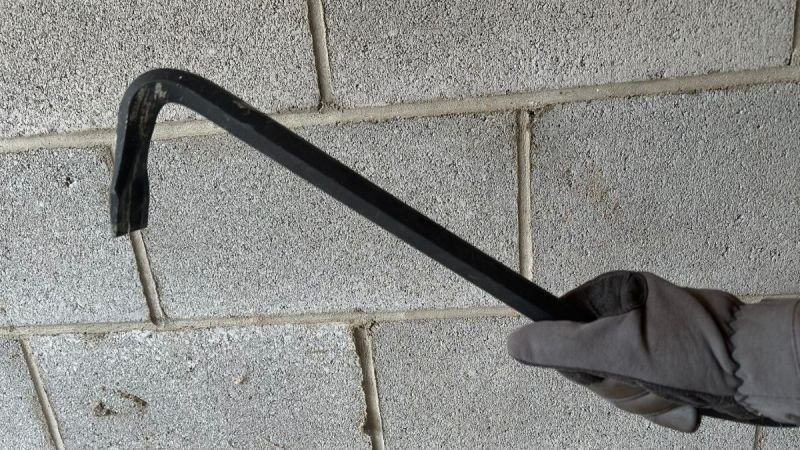
Are you ready to tackle your demolition project but unsure how to use a crowbar safely? Using this powerful tool can make your work faster and easier, but only if you handle it the right way.
One wrong move could lead to injury or damage you didn’t expect. You’ll discover simple, clear steps to use a crowbar effectively while keeping yourself safe. Keep reading to learn the essential tips that will protect you and make your demolition work smoother than ever.
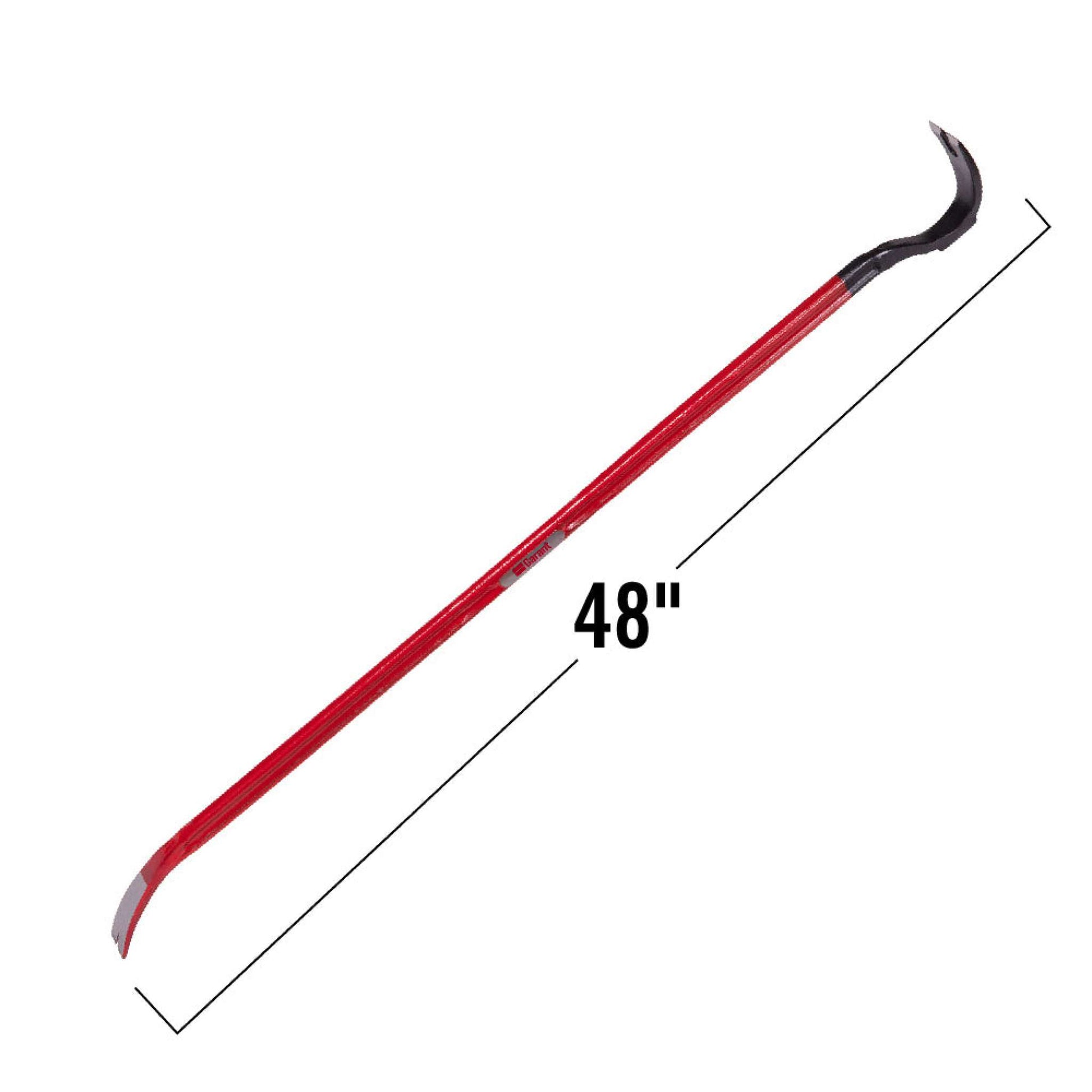
Credit: www.garant.com
Choosing The Right Crowbar
Using a crowbar safely starts with picking the right one. The correct crowbar makes demolition easier and safer.
Consider the type, material, and size before buying or using a crowbar for demolition work.
Types Of Crowbars
Crowbars come in different shapes and sizes. Each type fits different demolition jobs and tasks.
- Flat Pry Bars: Thin and flat, good for removing nails and prying boards.
- Gooseneck Crowbars: Curved end helps in pulling nails and lifting heavy objects.
- Wrecking Bars: Larger and stronger, used for heavy demolition and breaking materials.
- Alignment Bars: Slim and straight, best for aligning materials during construction.
Material And Size Considerations
Choose a crowbar made from strong materials like steel. Size affects control and force.
| Material | Benefits | Drawbacks |
| Steel | Strong and durable | Heavier to handle |
| Aluminum | Lighter and easy to carry | Less strong than steel |
| Carbon Steel | Very strong and tough | Can be expensive |
- Smaller crowbars (12-18 inches) work well for light tasks.
- Larger crowbars (24-36 inches) give more leverage for tough jobs.
- Pick a size that feels comfortable and safe to use.
Preparing For Demolition
Using a crowbar for demolition needs careful preparation. Safety is key to avoid injuries.
Before starting, check your work area and get the right safety gear. This helps you work safely and well.
Assessing The Work Area
Look over the space where you will work. Remove anything that might cause trips or falls.
- Clear loose objects and debris
- Check for hidden wires or pipes
- Make sure the floor is dry and not slippery
- Keep pets and children away from the area
Gathering Safety Gear
Wear safety gear to protect yourself during demolition. Proper equipment reduces risks.
| Safety Gear | Purpose |
| Safety goggles | Protect eyes from debris |
| Gloves | Shield hands from sharp edges |
| Hard hat | Guard head against falling objects |
| Sturdy boots | Provide foot protection and grip |
| Long sleeves and pants | Cover skin from cuts and scrapes |
Safe Handling Techniques
Using a crowbar for demolition needs care and focus. Safety protects you and others around you.
Learn how to hold and use the crowbar safely. Follow these tips to avoid injuries.
Proper Grip And Stance
Hold the crowbar firmly with both hands. Keep your hands apart for better control.
Stand with your feet shoulder-width apart. Keep your body balanced and stable.
- Grip the crowbar near the middle and the end
- Keep your wrists straight to avoid strain
- Bend your knees slightly for better balance
- Face the work area directly
Applying Controlled Force
Use steady, controlled pressure when prying or pulling. Avoid sudden or jerky movements.
Let the crowbar do the work with slow, even force. This prevents slipping and damage.
- Push or pull with smooth, steady motions
- Stop if the crowbar slips or catches
- Use your body weight, not just your arms
- Wear gloves to improve grip and protect hands
Effective Demolition Methods
Using a crowbar correctly helps you demolish structures safely. It makes the work easier and reduces injury risks.
This guide covers two key methods: prying and leveraging, and removing nails and fasteners.
Prying And Leveraging
A crowbar works as a lever to separate materials. Place the curved end under the object you want to move or remove.
- Position the crowbar close to the edge for better leverage.
- Push down on the handle to lift or pry the material.
- Work slowly to avoid sudden breaks or slips.
- Use your legs to apply force safely, not just your arms.
- Wear gloves and eye protection during the process.
Removing Nails And Fasteners
The crowbar helps pull out nails and other fasteners. Use the claw end to grip nails firmly.
| Step | Action |
| 1 | Slide the claw under the nail head carefully. |
| 2 | Rock the crowbar back to loosen the nail. |
| 3 | Pull the nail out slowly to avoid bending it. |
| 4 | Use a block of wood under the crowbar for extra leverage. |
Preventing Common Injuries
Using a crowbar can be dangerous if you do not follow safety rules. Many injuries happen because people do not take precautions. Learning how to use a crowbar safely helps prevent these injuries.
Paying attention to your surroundings and protecting your body keeps you safe during demolition work. This guide covers how to avoid slips and falls and protect your hands and eyes.
Avoiding Slips And Falls
Slips and falls cause many injuries during demolition. Always keep your work area clean and free from debris to avoid tripping. Wet or oily floors increase the risk of slipping.
Wear shoes with good grip to stay stable. Move carefully and avoid rushing, especially when climbing or stepping over obstacles. Keep your focus on where you step to stay balanced.
- Clear tools and materials from walkways
- Wear slip-resistant boots or shoes
- Keep floors dry and clean
- Watch your step on uneven surfaces
- Use ladders safely and maintain three points of contact
Protecting Hands And Eyes
Your hands and eyes are at risk when using a crowbar. Wear sturdy gloves to protect your hands from cuts and bruises. Gloves also improve your grip on the tool.
Always wear safety glasses or goggles to keep dust and debris out of your eyes. Flying particles can cause serious eye injuries during demolition. Never skip this protection.
- Use thick work gloves for hand safety
- Wear impact-resistant safety glasses
- Inspect gloves and glasses for damage before use
- Replace damaged protective gear immediately
- Keep your hands clear of the crowbar’s striking area
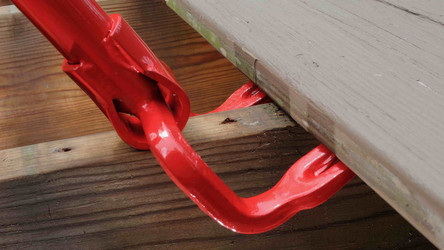
Credit: angelguardproducts.com
Maintaining Your Crowbar
Keeping your crowbar in good shape helps it last longer. Proper care makes demolition work safer and easier.
Regular maintenance prevents accidents and keeps the tool ready for use anytime.
Cleaning And Storage Tips
Clean your crowbar after each use. Dirt and rust can damage the metal over time.
Wipe it with a dry cloth. Use a wire brush to remove stuck dirt or rust spots.
- Apply light oil to metal parts to stop rust.
- Store the crowbar in a dry place.
- Keep it off the ground to avoid moisture.
- Hang it on a tool rack or place it in a toolbox.
Inspecting For Damage
Check your crowbar before each use. Look for cracks, bends, or worn areas.
Damaged tools can break and cause injury. Replace your crowbar if you find serious damage.
- Look closely at the tips for chipping or bending.
- Check the shaft for straightness and cracks.
- Make sure the handle is secure and smooth.
- Remove any rust that could weaken the metal.
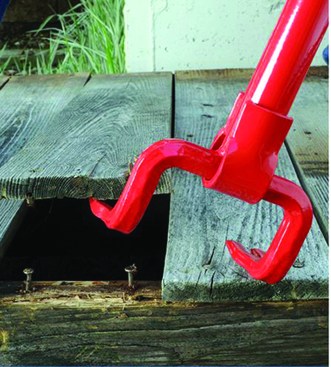
Credit: www.jlconline.com
Frequently Asked Questions
How Do I Hold A Crowbar Safely During Demolition?
Hold the crowbar firmly with both hands, keeping a strong grip. Position your hands away from the striking end. Maintain a balanced stance to avoid slips. Always wear gloves to improve grip and protect your hands from injuries.
What Protective Gear Is Essential When Using A Crowbar?
Wear safety goggles to protect your eyes from flying debris. Use gloves to prevent blisters and improve grip. Steel-toed boots protect your feet from falling objects. Consider a hard hat and long sleeves for additional safety during demolition.
How Can I Avoid Damaging Surfaces With A Crowbar?
Apply controlled, steady pressure instead of forceful blows. Use the crowbar’s flat end to pry gently. Insert the crowbar carefully between surfaces to avoid unnecessary damage. Work slowly and assess the structure before each move.
When Is The Best Time To Replace A Crowbar?
Replace a crowbar if it is bent, cracked, or rusted. Check for worn or damaged handles that affect grip. Using a damaged crowbar increases accident risks. Always inspect your tool before starting demolition work.
Conclusion
Mastering crowbar use ensures safe demolition. Focus on proper grip. Maintain control. Wear gloves and goggles for safety. Evaluate the structure before starting. Use the crowbar’s leverage wisely. Understand your limits to avoid injuries. Keep your workspace clear of debris.
Practice makes perfect. Regularly inspect your tools for damage. Safety first, always. With these tips, demolition becomes manageable and secure. Remember, patience is key. Take breaks when needed. Stay alert and attentive. Happy demolishing!