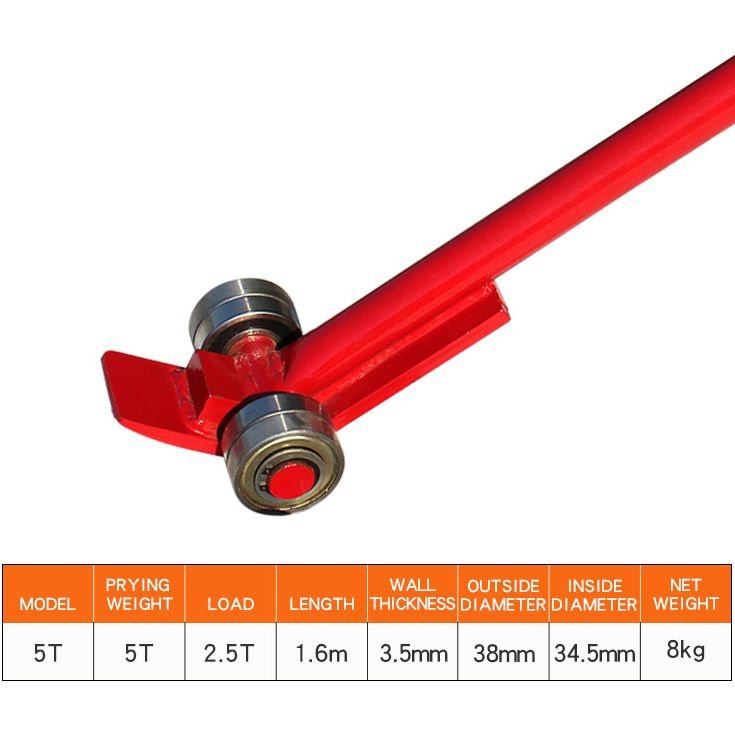
Have you ever struggled to lift or pry something heavy with your bare hands? A crowbar can be your best friend in these situations, making tough jobs easier and safer.
But using it the right way is key to getting the job done without injury or damage. In this guide, you’ll learn simple, effective techniques to use a crowbar for lifting and prying like a pro. Keep reading, and you’ll gain the confidence to tackle those stubborn tasks quickly and efficiently.
Choosing The Right Crowbar
A crowbar is a helpful tool for lifting and prying. Picking the right one makes your work easier and safer.
Different crowbars fit different jobs. Knowing the types, materials, and sizes helps you choose well.
Types Of Crowbars
Crowbars come in several shapes and designs. Each type suits a specific task like lifting or prying.
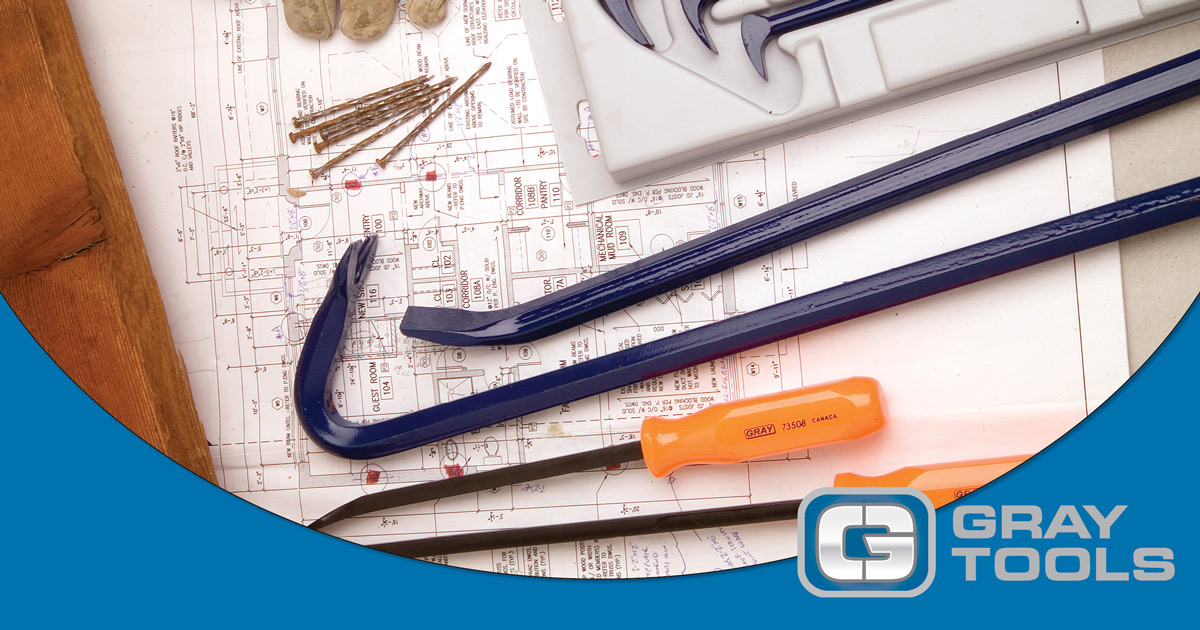
- Flat Bar: Thin and straight for light prying and pulling nails.
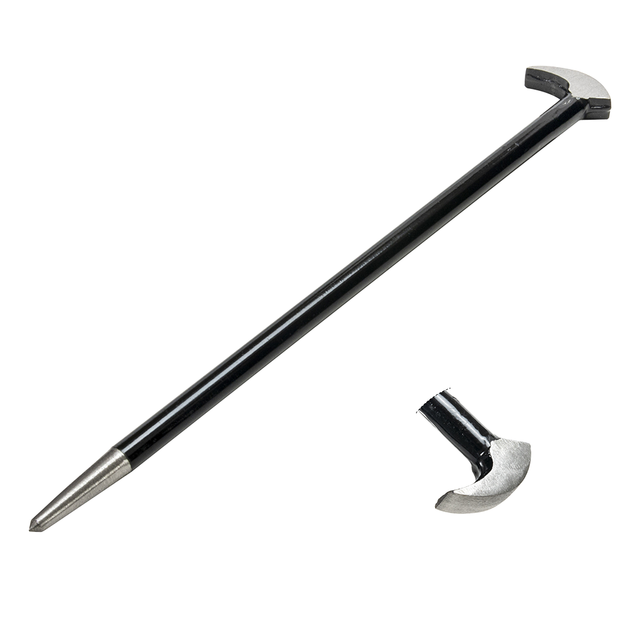
- Gooseneck Bar: Has a curved end for better leverage in lifting.
- Wrecking Bar: Heavy and strong for demolition and heavy lifting.
- Pinch Bar: Long and slim for deep prying in tight spaces.
Material And Size Considerations
Choose crowbars made from strong materials like steel. Good material means the tool lasts longer.
Size matters for control and power. Longer bars give more leverage but are harder to handle.
- Steel: Most common, strong, and durable.
- Carbon Steel: Extra tough for heavy jobs.
- Length: Short bars are easy to use in tight spots.
- Length: Long bars provide more lifting power.
Safety Measures Before Starting
Using a crowbar for lifting and prying can be risky without safety steps. Preparing well helps prevent injuries.
Always check your tools and surroundings before you begin work. Safety keeps you and others safe.
Protective Gear Essentials
Wear the right protective gear to protect your body. This gear helps stop cuts, bruises, and other injuries.
- Wear safety gloves to protect your hands from sharp edges and splinters.
- Use safety goggles to shield your eyes from flying debris.
- Wear sturdy boots to protect your feet from heavy objects.
- Consider wearing a hard hat if working in a place with overhead risks.
- Wear long sleeves and pants to protect your skin from scrapes.
Work Area Preparation
Clear the area where you will use the crowbar. A tidy space lowers the chance of accidents.
Make sure the surface is stable and dry. Check that nothing can fall or slide during your work.
- Remove loose objects and clutter from the work area.
- Ensure good lighting so you can see clearly.
- Keep others away from the work zone to avoid distractions and accidents.
- Check that the object you will lift or pry is secure and supported.
Basic Crowbar Techniques
A crowbar is a simple tool used for lifting and prying objects. Knowing how to use it correctly makes the job easier and safer.
These techniques help you apply force without damaging the tool or the object you work on.
Proper Grip And Positioning
Hold the crowbar firmly with both hands. One hand should be close to the curved end, and the other near the middle.
Stand with your feet shoulder-width apart. Position your body so you can push or pull without strain.
- Use your dominant hand near the curved end for control
- Keep your other hand steady in the middle for balance
- Face the object directly to apply force safely
- Bend your knees slightly to keep your back safe
Leverage And Force Application
Place the curved tip of the crowbar under the edge of the object you want to lift or pry. The tool acts as a lever.
Push down on the opposite end to lift or pry the object. Use steady, controlled force to avoid slipping or damage.
- Position the fulcrum (pivot point) close to the object
- Apply force slowly for better control
- Use your body weight to add power without extra effort
- Keep the crowbar angle low to increase leverage
Lifting With A Crowbar
A crowbar is a strong tool used to lift heavy objects. It helps you move things by using leverage.
Using a crowbar correctly keeps you safe and makes lifting easier. Learn how to find the right point to lift and how to do it step by step.
Finding The Right Fulcrum
The fulcrum is the support point under the crowbar. It helps you lift objects more easily.
Choose a solid, stable object as the fulcrum. It should be close to the object you want to lift.
- Use a block of wood or a rock as the fulcrum
- Make sure the fulcrum will not move during lifting
- Place the fulcrum near the object’s edge for better leverage
Step-by-step Lifting Process
Follow these steps to lift an object safely with a crowbar. Keep your body balanced and use slow, steady movements.
- Slide the flat end of the crowbar under the object
- Place the fulcrum close to the object, under the crowbar
- Hold the crowbar handle firmly with both hands
- Push down on the handle to lift the object
- Lift slowly and adjust the fulcrum if needed
- Move the object carefully once lifted
Prying Methods And Tips
Using a crowbar correctly helps you lift and pry objects safely. This tool gives you strong leverage for tough tasks.
Knowing how to start the pry and protect surfaces makes your work easier and avoids damage.
Starting The Pry
Place the crowbar’s flat end under the edge of the object. Push the handle down slowly to lift or separate parts.
Use steady pressure. Avoid sudden moves that can slip or break the tool. If the object is stuck, try rocking the crowbar gently.
- Find a strong point to insert the crowbar
- Use your body weight to push the handle down
- Keep your hands away from the lifting area
- Work slowly for better control
Avoiding Damage To Surfaces
Protect surfaces by placing a thin piece of wood or cardboard between the crowbar and the material. This stops scratches and dents.
Be careful not to force the crowbar too hard. Gentle pressure helps prevent cracks or chips on wood, metal, or other materials.
- Use a buffer like wood or thick cardboard
- Check the crowbar’s edge for rough spots
- Lift slowly to avoid sudden damage
- Wear gloves to keep a good grip and avoid slips

Credit: www.amazon.ca
Common Mistakes To Avoid
Using a crowbar needs care and correct technique. Mistakes can cause injury or damage.
Learn the common errors to avoid while lifting and prying with a crowbar.
Overexertion Risks
Trying to lift too much weight with a crowbar can cause muscle strain or worse. It is important to know your limits and use the crowbar safely.
- Do not use your arms alone; let your body weight assist the lift.
- Avoid sudden, sharp pulls that can strain muscles.
- Take breaks if you feel tired to prevent accidents.
- Use proper gloves for a better grip and less strain on your hands.
- Ask for help if the object is too heavy or stuck.
Incorrect Angle Usage
Using a crowbar at the wrong angle reduces its power and can cause damage to surfaces or the tool itself.
| Wrong Angle | Effect |
|---|---|
| Too steep (vertical) | Less leverage, more effort needed |
| Too shallow (flat) | Tool slips, risks injury |
| Side pressure | Can bend or break the crowbar |
Maintaining Your Crowbar
Keeping your crowbar in good shape helps it last longer. Proper care makes your work safer and easier.
Regular maintenance includes cleaning, storing, and checking for damage. These steps keep the tool ready for use.
Cleaning And Storage
After using your crowbar, clean off dirt and debris. Use a wire brush or cloth to remove stuck material.
- Wipe the metal with a dry cloth to prevent rust
- Apply a light coat of oil for extra protection
- Store the crowbar in a dry place away from moisture
- Keep it off the ground to avoid damage and rust
Inspecting For Wear And Damage
Check your crowbar before each use. Look for cracks, bends, or worn areas that could cause failure.
| Part | What to Check | Action if Damaged |
| Tip | Chips or bends | Replace or sharpen |
| Handle | Cracks or looseness | Do not use, replace tool |
| Body | Rust or wear spots | Clean and oil, replace if deep |
Credit: www.accio.com
Credit: www.tenaquip.com
Frequently Asked Questions
What Is A Crowbar Used For?
A crowbar is a versatile tool used for lifting, prying, and removing nails. Its design allows for leveraging heavy objects and breaking open materials. It’s commonly employed in construction and demolition tasks.
How Do You Lift With A Crowbar?
To lift with a crowbar, position its flat end under the object. Apply downward force on the opposite end to leverage and lift. Ensure a firm grip for safety. Adjust the angle as needed for better leverage.
Can A Crowbar Remove Nails?
Yes, a crowbar can effectively remove nails. Use the claw end to grip the nail’s head. Gently pull back while maintaining a steady grip. Ensure the crowbar’s angle maximizes leverage for easy nail extraction.
Is Using A Crowbar Safe?
Using a crowbar is generally safe if proper techniques are followed. Wear protective gear like gloves and goggles. Ensure a stable stance and grip. Be cautious of surroundings to avoid injury or damage.
Conclusion
Using a crowbar safely makes lifting and prying easier. Always hold it firmly and use steady pressure. Choose the right crowbar size for your task. Keep your workspace clear to avoid accidents. Practice helps you get better and stronger. With care, a crowbar becomes a useful tool at home or work.
Stay safe, work smart, and finish your job well.