Imagine transforming raw wood into stunning furniture pieces with precision and ease. If you’re passionate about creating beautiful furniture, mastering the use of a drill press is essential.
This powerful tool is your ticket to achieving clean, accurate holes and perfect joints in your woodworking projects. Whether you’re a seasoned craftsman or a beginner eager to learn, understanding how to use a drill press can elevate your furniture-making skills to new heights.
Ready to unlock the secrets of this indispensable tool and enhance your craft? Let’s dive into the world of drill presses and discover how they can revolutionize your woodworking projects.
Choosing The Right Drill Press
Using a drill press can make furniture making easier and more accurate. Choosing the right drill press depends on your needs and the kind of furniture you plan to create.
This guide will help you understand the types of drill presses, key features to look for, and how to set a budget for your purchase.
Types Of Drill Presses
There are several types of drill presses. Each type suits different tasks and workspace sizes. Knowing these can help you pick the right one.
- Bench Drill Press:Small and compact, fits on a workbench. Good for light jobs and small furniture parts.
- Floor Drill Press:Larger and heavier, stands on the floor. Best for heavy-duty drilling and bigger furniture pieces.
- Radial Drill Press:Has an arm that moves the drill head. Useful for drilling large or awkward furniture parts.
Key Features To Consider
Look for features that make your work easier and safer. These features affect how well you can drill holes and how long the drill press will last.
| Feature | Why It Matters |
| Variable Speed Control | Allows drilling different materials at proper speeds. |
| Adjustable Table | Helps position workpieces at different angles. |
| Depth Stop | Keeps holes the same depth every time. |
| Power | More power lets you drill harder wood easily. |
| Safety Features | Protects you from accidents during drilling. |
Setting A Budget
Drill presses come in many price ranges. Setting a budget helps you focus on models that fit your needs and wallet.
- Decide how often you will use the drill press.
- Think about the size and type of furniture you make.
- Check prices for models with the features you want.
- Include costs for accessories and maintenance.
- Choose the best drill press you can afford within your budget.

Credit: www.youtube.com
Essential Drill Press Accessories
A drill press is a useful tool for making furniture. Using the right accessories helps you work safely and precisely.
These accessories improve your control and make drilling easier on wood. They help create clean and accurate holes.
Drill Bits For Woodworking
Choosing the right drill bits is important for furniture making. Wood drill bits are designed to make clean holes without splitting the wood.
Spur-point bits and Forstner bits are common types. They help you drill flat-bottom holes or precise angled holes.
- Spur-point bits make clean, straight holes
- Forstner bits create flat-bottom holes
- Brad-point bits reduce wood splintering
- Twist bits work for general drilling
Clamps And Vises
Clamps and vises hold your wood firmly in place. They stop the wood from moving while you drill.
This keeps your work safe and accurate. Using clamps and vises prevents mistakes and protects your hands.
- Use clamps to fix wood on the drill press table
- Vises hold small or odd-shaped pieces securely
- Adjust clamps to avoid damaging the wood
- Keep work steady for clean drilling
Depth Stops And Safety Guards
Depth stops control how deep the drill bit goes into the wood. This helps you avoid drilling too far.
Safety guards protect your fingers from the spinning drill bit. They reduce the risk of accidents while working.
- Set depth stops to drill consistent hole depths
- Use safety guards to cover the drill bit
- Check accessories before starting work
- Always wear safety glasses when using a drill press
Preparing The Workspace
Before using a drill press for furniture making, prepare your workspace well. A clean and organized area helps you work safely and efficiently.
Good preparation can prevent accidents and improve your drilling accuracy. Focus on setting up your workbench, lighting, and safety measures.
Stable Workbench Setup
Your drill press needs a strong and steady base. A stable workbench stops the machine from moving or shaking during use.
Place the drill press on a flat surface. Use bolts or clamps to fix it firmly. This reduces vibrations and keeps your work precise.
Lighting And Visibility
Good lighting helps you see your work clearly. It reduces mistakes and improves safety while drilling furniture parts.
Use bright, focused lights near the drill press. Avoid shadows and glare on your workspace. Natural light is helpful if available.
Safety Precautions
Safety is important when using a drill press. Wear safety glasses and keep your hands away from moving parts.
- Wear ear protection if noise is loud
- Remove loose clothing and jewelry
- Keep the area clean to avoid slips
- Use clamps to hold furniture pieces firmly
- Know where the emergency stop button is

Credit: www.reddit.com
Setting Up The Drill Press
Setting up the drill press correctly helps you work safely and accurately. It ensures you drill holes at the right spot and size. Take time to adjust the parts before starting.
This guide covers how to adjust the table, select the speed, and install the drill bit. Each step prepares your drill press for furniture making tasks.
Adjusting The Table Height And Angle
Start by moving the table to the right height for your workpiece. The table must be level and stable. You can also tilt it to drill angled holes.
- Loosen the table lock handle.
- Raise or lower the table to the needed height.
- Use a square to check the angle if needed.
- Tighten the lock handle securely.
- Make sure the table does not move during drilling.
Selecting The Correct Speed
Choosing the right speed keeps your drill bit sharp and your wood safe. Different wood types and drill bit sizes need different speeds.
| Drill Bit Size | Recommended Speed (RPM) |
| 1/8 inch or smaller | 3000 – 3500 |
| 1/8 inch to 1/4 inch | 1500 – 3000 |
| 1/4 inch to 1/2 inch | 750 – 1500 |
| Over 1/2 inch | 500 – 750 |
Check your drill press manual for exact speed settings. Use the belt and pulley system to change speeds safely.
Installing The Drill Bit
Installing the drill bit correctly prevents accidents and ensures clean holes. Follow these steps to install the bit safely.
- Turn off and unplug the drill press.
- Open the chuck by turning it counterclockwise.
- Insert the drill bit fully into the chuck.
- Tighten the chuck by turning it clockwise.
- Use the chuck key to secure the bit firmly.
- Remove the chuck key before turning on the drill press.
Techniques For Accurate Drilling
Using a drill press helps make clean and precise holes in wood. Accuracy is key to good furniture making.
Follow simple techniques to keep your drilling exact and safe. This improves the fit of parts and the look of your work.
Marking And Aligning Workpieces
Mark your workpiece clearly before drilling. Use a pencil or marking knife for thin and clear lines.
Align the marked spot under the drill bit carefully. Lower the bit slowly to check the position before turning the machine on.
- Use a center punch to create a small dent on the mark
- This dent keeps the drill bit from slipping
- Check alignment from both top and side views
Using A Fence For Consistency
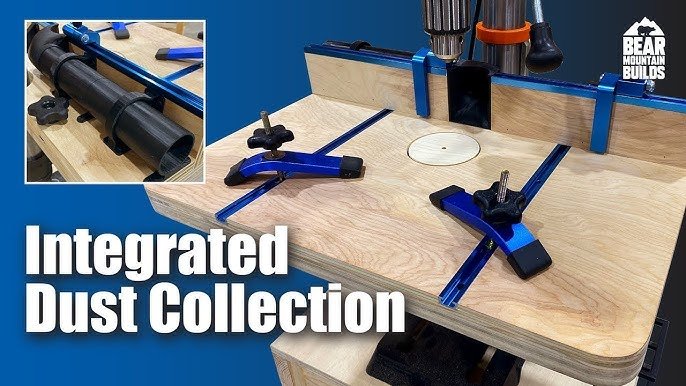
A fence guides your workpiece to keep holes in the same spot on each piece. It helps when drilling multiple parts.
Set the fence at the correct distance from the drill bit. Clamp it tightly so it does not move during drilling.
- Measure the distance from the bit to the fence
- Use a square to make sure the fence is parallel to the bit
- Test on scrap wood before drilling your project pieces
Controlling Feed Rate
Feed rate means how fast you push the wood into the drill bit. Controlling this keeps holes clean and prevents damage.
Push slowly and evenly. Let the drill bit do the work without forcing it too hard.
- Start with a low speed on the drill press
- Apply steady pressure, not too fast or too slow
- Stop and clear chips from the hole if needed
Common Furniture Making Drilling Tasks
Using a drill press helps create clean and precise holes in wood. It is important for many furniture making tasks. This tool saves time and improves accuracy.
Below are some common drilling tasks you will perform on a drill press for furniture projects. Each task requires different settings and techniques.
Drilling Pilot Holes
Pilot holes guide screws and prevent wood from splitting. Drill press allows steady, straight holes for strong joints. Choose a drill bit smaller than the screw diameter.
- Mark the spot for the hole on the wood
- Set the drill press depth to control hole depth
- Use a slow speed to avoid burning the wood
- Clamp the wood securely to the table
- Drill straight down to create the pilot hole
Countersinking And Counterboring
Countersinking creates a conical hole for screw heads to sit flush with the surface. Counterboring drills a flat-bottom hole to hide bolt heads below the surface. Both improve the furniture’s look and function.
| Task | Bit Type | Purpose |
|---|---|---|
| Countersinking | Countersink bit | Allows screw heads to sit flush |
| Counterboring | Forstner or spade bit | Creates a flat-bottom hole for bolt heads |
Creating Dowel Holes
Dowel holes join pieces of wood with wooden pins. Accuracy is key to strong joints. Use a drill press with a fence or jig to keep holes aligned.
Tips for drilling dowel holes:
- Measure and mark hole positions carefully
- Use a drill bit that matches the dowel diameter
- Set the drill press depth stop for consistent hole depth
- Clamp wood firmly to avoid movement
- Drill slowly and steadily for clean holes
Troubleshooting And Maintenance
Using a drill press for furniture making needs care. Troubleshooting and maintenance keep it working well.
Regular checks help find problems early. Fixing issues prevents damage and saves time.
Fixing Drill Bit Wander
Drill bit wander happens when the bit moves off the mark. It makes holes less accurate.
To fix this, clean the drill bit and the work surface. Use a center punch to start the hole. Lower the drill speed for better control.
- Clean drill bit and surface
- Use a center punch to mark hole
- Reduce drill speed
- Check bit sharpness
Lubricating Moving Parts
Lubrication helps parts move smoothly. It reduces wear and noise in the drill press.
Apply oil or grease to gears, spindle, and pulleys. Clean parts before lubricating. Use the correct lubricant for each part.
- Clean parts before lubrication
- Use machine oil for spindle and gears
- Grease pulleys if needed
- Lubricate regularly to prevent rust
Replacing Worn Components
Worn parts cause poor performance and safety risks. Replace belts, bearings, or chuck if damaged.
Inspect parts often. Buy the right replacements from trusted sources. Follow the manual to install new parts safely.
- Check belts for cracks or wear
- Test bearings for smooth rotation
- Inspect chuck for damage
- Use correct tools for replacement

Credit: www.youtube.com
Frequently Asked Questions
How Do I Set Up A Drill Press For Furniture Making?
To set up a drill press, secure it on a stable surface. Adjust the table height and angle for precise drilling. Choose the correct drill bit for your wood type. Always wear safety gear and test on scrap wood first.
What Safety Tips Should I Follow Using A Drill Press?
Always wear safety glasses and keep long hair tied back. Use clamps to secure wood pieces firmly. Avoid loose clothing and gloves near the drill. Never leave the drill press running unattended. Follow manufacturer instructions carefully.
Which Drill Bits Work Best For Furniture Making?
Use brad point bits for clean wood holes. For metal parts, select high-speed steel bits. Spade bits are good for larger holes. Always match the bit size to your project needs to avoid wood damage.
How Do I Ensure Accurate Holes With A Drill Press?
Use clamps or a vise to hold workpieces steady. Mark drilling points clearly with a pencil or awl. Adjust the drill press speed to suit the material. Lower the bit slowly for controlled, clean holes.
Conclusion
Using a drill press makes furniture making easier and more precise. It helps you drill straight holes every time. Always keep safety in mind while working. Practice with scrap wood before starting your project. Clean your drill press after each use.
This tool saves time and improves your work quality. With patience, your skills will grow steadily. Enjoy creating strong, beautiful furniture pieces at home.