If you want your drilling projects to be spot-on every time, mastering the drill press is key. You might have used a handheld drill, but a drill press takes precision to a whole new level.
Imagine making perfect holes quickly, with no guesswork or mistakes. That’s exactly what you’ll learn here. By the end of this article, you’ll know how to set up and use a drill press like a pro, saving you time and frustration.
Ready to boost your skills and get flawless results? Keep reading!
Credit: www.vevor.ca
Choosing The Right Drill Press
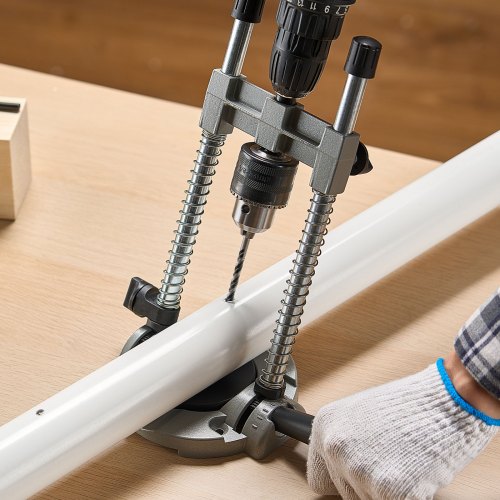
Using a drill press helps you drill holes with high accuracy. Picking the right drill press is important for good results.
There are different types of drill presses and features to think about before buying one. This guide will explain these points.
Types Of Drill Presses
Drill presses come in many types. Each type fits certain jobs and spaces.
Here are the main types you should know:
- Bench-Top Drill Press:Small and fits on a workbench. Good for light jobs and small spaces.
- Floor Drill Press:Larger and stands on the floor. Offers more power and depth for big projects.
- Radial Drill Press:Has a movable arm for drilling large workpieces. Used in heavy-duty shops.
- Magnetic Drill Press:Portable and uses a magnet to attach to metal surfaces. Ideal for metalworking on-site.
Key Features To Consider
Look for features that improve accuracy and ease of use. These features help you get precise holes every time.
Important features include:
- Adjustable Speed:Allows you to match speed with the material you drill.
- Depth Stop:Lets you set how deep the drill bit goes for consistent holes.
- Table Size and Movement:A bigger table supports larger workpieces. Some tables tilt or rotate for angled holes.
- Spindle Travel:The distance the drill bit can move down. More travel means you can drill thicker materials.
- Power and Motor Size:Stronger motors handle tougher materials and longer work.
- Build Quality:A solid frame reduces vibration and improves precision.
Setting Up Your Drill Press
Setting up your drill press correctly helps you make accurate holes. Take time to prepare the machine and your workpiece.
This guide covers how to secure your workpiece and adjust the table and depth stop for precision drilling.
Securing The Workpiece
Keep your workpiece steady to avoid mistakes and injury. Use clamps or a vise to hold it tight on the drill press table.
- Choose a clamp or vise that fits your workpiece size.
- Place the workpiece flat on the table surface.
- Position clamps to prevent movement without blocking the drill bit.
- Tighten clamps firmly but avoid crushing the material.
- Check that the piece does not shift before drilling.
Adjusting The Table And Depth Stop
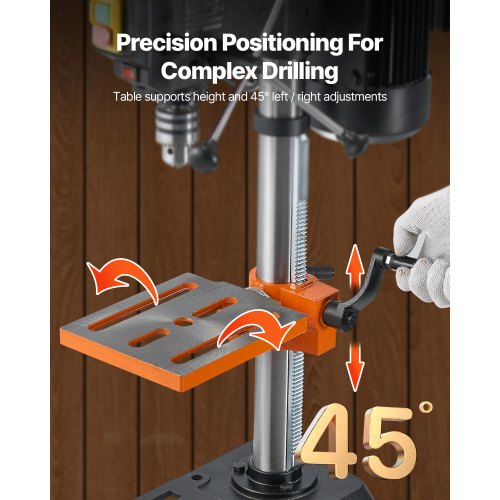
Adjusting the table height and depth stop controls the drill bit’s position and drilling depth. This ensures each hole is precise.
| Adjustment | Purpose | How to Adjust |
| Table Height | Set distance from bit to workpiece | Loosen the table lock, raise or lower the table, then tighten the lock |
| Table Angle | Align workpiece for angled drilling | Loosen the tilt lock, tilt table to needed angle, tighten lock |
| Depth Stop | Limit drilling depth for uniform holes | Turn depth stop to set max bit travel |
Selecting Drill Bits For Precision
Using the right drill bit is key for precise drilling with a drill press. The bit must fit the material and the hole size.
Choosing the correct bit reduces errors and improves the finish of your workpiece.
Common Drill Bit Types
Different drill bits serve different purposes. Picking the right type helps you drill clean and accurate holes.
- Twist bits: Good for wood, metal, and plastics <librad best="" bits:="" for="" li="" point="" prevent="" slipping
- Forstner bits: Make flat-bottom holes in wood
- Masonry bits: Drill into brick and concrete
- Step bits: Create holes with different sizes
Maintaining Sharpness
Sharp drill bits make cleaner holes and reduce heat. Keep bits sharp for better precision and longer use.
Check bits often for dull edges or chips. Use a sharpening tool or replace bits that are too worn.
- Sharpen bits with a bench grinder or file
- Use cutting oil to cool bits while drilling
- Store bits properly to avoid damage
- Clean bits after use to remove debris
Drilling Techniques For Accuracy
Using a drill press correctly can improve your drilling accuracy. Proper techniques help you make clean and precise holes.
Focus on the right speed, secure the workpiece well, and follow a careful drilling process to get the best results.
Proper Speed Settings
Select the right speed for the material and drill bit size. Too fast or too slow can cause errors and damage.
| Material | Recommended Speed (RPM) |
| Softwood | 1500-3000 |
| Hardwood | 1000-1500 |
| Metal | 300-1000 |
| Plastic | 1000-2000 |
Using Clamps And Jigs
Always clamp your workpiece to stop it from moving. Use jigs for repeated or angled holes to keep the drill steady.
- Use strong clamps to hold the piece firmly.
- Check that the workpiece is flat against the table.
- Apply jigs to guide the drill for consistent holes.
- Double-check the setup before starting the drill press.
Step-by-step Drilling Process
Follow a clear process to drill precise holes every time. Take your time and keep control.
- Set the drill press speed based on the material.
- Secure the workpiece using clamps or jigs.
- Align the drill bit with the mark on the workpiece.
- Lower the drill bit slowly and apply steady pressure.
- Drill through the material without forcing the bit.
- Raise the bit carefully once the hole is done.
- Turn off the drill press and unclamp the workpiece.
Safety Tips While Using A Drill Press
Using a drill press needs careful attention to safety. Following safety tips can help prevent injuries.
Always prepare properly before starting to work with the drill press. This keeps you safe and improves your work.
Protective Gear
Wearing the right protective gear is important when you use a drill press. It shields you from flying debris and noise.
- Wear safety goggles to protect your eyes from dust and chips.
- Use ear protection to reduce noise damage during long use.
- Wear close-fitting clothes to avoid getting caught in moving parts.
- Use gloves only when appropriate; avoid loose gloves near the drill.
- Wear sturdy shoes to protect your feet from heavy objects.
Avoiding Common Hazards
Knowing common hazards helps you avoid accidents while using the drill press. Stay alert and follow safety rules.
| Hazard | How to Avoid |
| Loose clothing or jewelry | Remove them before starting work |
| Unsecured workpiece | Clamp the workpiece firmly |
| Using wrong drill speed | Set correct speed for the material |
| Not removing the key | Always take out the chuck key before turning on |
| Forgetting to turn off | Turn off and unplug when finished |
Credit: www.vevor.ca
Troubleshooting Common Issues
Using a drill press can sometimes lead to problems that affect your work. Fixing these issues quickly helps keep your drilling precise and safe.
Two common problems are bit wander and overheating. Each problem has simple solutions you can try.
Dealing With Bit Wander
Bit wander happens when the drill bit moves away from the mark. This causes holes to be off-center or uneven.
- Check if the drill bit is sharp and not damaged.
- Use a center punch to make a small dent at the drilling spot.
- Slow down the drill speed for better control.
- Secure the workpiece firmly with clamps or a vise.
- Make sure the drill press table is aligned and stable.
Handling Overheating And Bit Breakage
Overheating can dull or break drill bits and damage your material. It happens if the bit moves too fast or pressure is too high.
| Cause | Effect | Solution |
| High drill speed | Overheating | Reduce RPM to recommended speed |
| Too much pressure | Bit breakage | Apply gentle, steady pressure |
| Using wrong bit type | Poor cutting and heat | Use bit suited for the material |
| No cooling/lubrication | Heat build-up | Use cutting oil or water |
Keep the drill bit cool and sharp. Check your settings before starting to drill.
Maintenance For Long-term Precision
Keeping your drill press in good condition ensures it works accurately for many years. Regular maintenance helps avoid mistakes and damage.
Two key parts of maintenance are cleaning and lubrication, and checking alignment and calibration. Both are important for precise drilling.
Cleaning And Lubrication
Dirt and dust can cause your drill press to lose precision. Clean the machine often to remove debris. Lubricate moving parts to reduce wear and keep it running smoothly.
- Turn off and unplug the drill press before cleaning.
- Use a brush or cloth to remove dust from the table, spindle, and motor area.
- Apply light machine oil to the spindle and gears.
- Check the owner’s manual for recommended lubricants and intervals.
- Wipe off excess oil to prevent dirt buildup.
Checking Alignment And Calibration
Proper alignment and calibration keep your drill press drilling straight and at the correct depth. Check these settings regularly to maintain accuracy.
| Check Item | How to Check | Correction Method |
| Spindle Alignment | Use a dial indicator to test runout on the spindle. | Adjust the spindle bearings or replace worn parts. |
| Table Squareness | Place a square against the table and spindle; check for gaps. | Loosen table bolts and adjust until square. |
| Depth Stop Accuracy | Lower the drill bit to a set mark on a test piece. | Adjust the depth stop until the bit hits the mark consistently. |

Credit: judge.me
Frequently Asked Questions
What Is A Drill Press Used For?
A drill press is used for precision drilling. It ensures holes are drilled accurately and consistently. Ideal for woodworking, metalworking, and other materials, it enhances control and safety. With adjustable speeds and depths, a drill press is essential for projects requiring exactness and repeatability.
How Do You Operate A Drill Press Safely?
To operate safely, always wear safety goggles and secure your workpiece. Adjust the speed according to the material being drilled. Use clamps to prevent movement, and keep hands away from the drill bit. Always turn off the machine before making any adjustments.
How To Choose The Right Drill Press Speed?
Choosing the right speed depends on the material and drill bit size. Softer materials require higher speeds, while harder materials need lower speeds. Refer to the drill press manual for recommended settings. Adjust the speed accordingly to ensure precision and prevent bit damage.
What Are Common Mistakes When Using A Drill Press?
Common mistakes include using incorrect speed settings, not securing the workpiece, and neglecting safety gear. Avoid applying excessive force and ensure the drill bit is sharp. Regular maintenance and proper handling enhance performance and extend the machine’s lifespan.
Conclusion
Using a drill press helps you drill holes with great accuracy. Always set your drill speed and depth before starting. Secure your workpiece firmly to avoid movement. Take your time and follow safety rules closely. Practice makes your drilling more precise and neat.
With patience, you will improve quickly. A drill press is a helpful tool for many projects. Keep these tips in mind for better results every time.