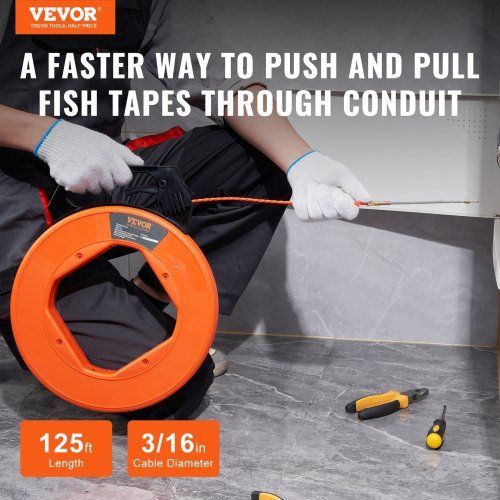
If you’ve ever tried to pull electrical wires through walls or tight spaces, you know how tricky it can be. That’s where a fish tape becomes your best friend.
But how exactly do you use a fish tape to make this job easier and faster? You’ll discover simple, step-by-step tips that anyone can follow—even if you’ve never handled one before. By the end, you’ll feel confident and ready to tackle your wiring project like a pro.
Keep reading to unlock the secret to smooth, hassle-free wire pulling.
Credit: www.vevor.ca
Choosing The Right Fish Tape
Using fish tape helps pull wires through walls and pipes. Picking the right fish tape makes the job easier and safer.
Different types of fish tapes suit different tasks. Learn about materials, size, and features to choose well.
Types Of Fish Tape Materials
Fish tapes come in several materials. Each type has benefits and limits for different jobs.
- Steel:Strong and stiff. Good for long runs. Can rust if not cared for.
- Fiberglass:Lightweight and flexible. Does not conduct electricity. Good for tight spaces.
- Nylon-coated:Smooth surface reduces friction. Protects wires from damage.
- Mylar:Thin and flexible. Best for short, easy pulls.
Length And Thickness Considerations
Choose fish tape length and thickness based on your project size and wire type.
| Length | Use | Thickness | Benefit |
| 25 to 50 feet | Small jobs or short walls | Thin | Easier to handle and bend |
| 50 to 100 feet | Standard home wiring | Medium | Good balance of strength and flexibility |
| 100+ feet | Large buildings or long runs | Thick | Resists kinking and breaks |
Special Features To Look For
Extra features can improve your work and safety when using fish tape.
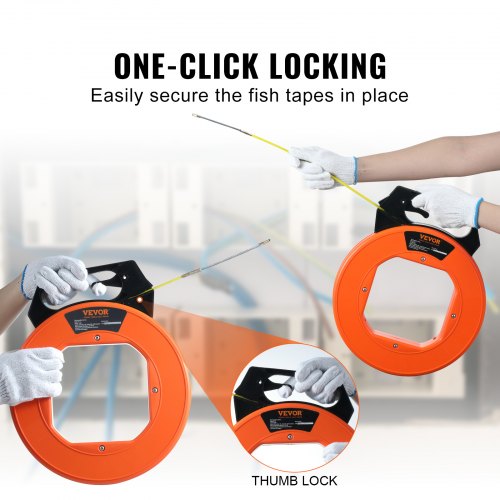
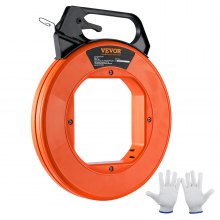
- Fish tape with a handle:Easier to wind and unwind.
- Non-conductive tape:Safer around live wires.
- Tape with a hook or eyelet:Helps attach wires securely.
- Bright color or reflective finish:Easy to see inside dark spaces.
- Durable case:Protects tape and keeps it clean.
Preparing For Wire Fishing
Using a fish tape helps pull wires through walls and tight spaces. Before starting, you must prepare well.
Proper preparation makes wire fishing easier and safer. It also prevents damage to wires and walls.
Gathering Necessary Tools
Collect all the tools you need before starting wire fishing. This saves time and avoids interruptions.
- Fish tape for pulling wires
- Wire strippers and cutters
- Electrical tape for securing wires
- Flashlight to see inside walls
- Measuring tape to check distances
- Gloves for hand protection
Safety Precautions
Always follow safety rules to avoid accidents. Electricity and tools can be dangerous if handled wrong.
Turn off power at the breaker before working with wires. Use gloves to protect your hands from cuts.
- Switch off the power supply
- Wear insulated gloves
- Use safety glasses to protect eyes
- Check for live wires with a tester
- Work in a well-lit area
Assessing The Wiring Path
Look at the route where you will pull the wire. Check for obstacles like pipes or studs inside walls.
Measure the distance to know how much fish tape and wire you need. Plan the path to avoid damage.
- Locate studs, pipes, and vents
- Measure wall cavities and spaces
- Find the shortest, safest wire path
- Mark entry and exit points clearly
Basic Fish Tape Techniques
Using fish tape helps pull wires through conduits safely and easily. It is a tool electricians use to navigate wires in walls and ceilings.
Learning the basic techniques will make your work faster and reduce damage to cables or conduits.
Feeding The Tape Through Conduits
Start by holding the fish tape reel firmly. Slowly push the tape into the conduit. Keep your hand close to the end of the tape to guide it smoothly.
- Ensure the conduit is clear of debris before feeding the tape.
- Push the tape steadily to avoid kinks or bends.
- If the tape meets resistance, gently pull back and try a different angle.
- Use lubricant spray if the tape does not slide easily.
Handling Tight Corners And Bends
Tight corners need extra care. Push the tape slowly and avoid forcing it through bends. Let the tape curve naturally to prevent damage.
| Tip | Action |
| Sharp corner | Feed tape slowly and wiggle gently |
| Multiple bends | Advance tape in small increments |
| Stiff conduit | Use lubricant to ease movement |
| Blocked path | Withdraw tape and clear obstruction |
Retrieving The Tape Smoothly
Pull the tape back carefully to avoid jerks. Hold the reel firmly to control the speed. Keep the tape straight as you retract it.
- Slowly wind the tape back on the reel.
- Check for any damage or bends on the tape.
- Clean the tape after use to remove dirt and debris.
- Store the tape in a dry place to prevent rust.

Credit: www.amazon.com
Advanced Tips For Challenging Situations
Using a fish tape can be tough in some situations. These tips help you handle difficult jobs with ease.
Learn how to make the tape move smoothly, get past blocks, and work in tight spots.
Using Lubricants For Easier Passage
Lubricants reduce friction and help the fish tape slide through wires and conduits. Choose a lubricant safe for electrical wires.
- Apply lubricant sparingly on the tape’s leading edge.
- Use silicone-based lubricants for longer runs.
- Avoid oil-based lubricants that may harm insulation.
- Reapply lubricant if the tape slows down.
Dealing With Obstructions
Obstructions like bends, debris, or tight fittings can block the fish tape. Use patience and careful techniques to move past these.
| Obstruction Type | Tip to Overcome |
| Tight Bend | Push and pull gently, try twisting the tape slowly. |
| Debris Inside Conduit | Use a small brush or compressed air to clear the path. |
| Sharp Edges | Cover tape tip with tape to protect it from damage. |
| Multiple Bends | Feed tape slowly, adjusting angle frequently. |
Working In Confined Spaces
Confined spaces limit your movement. Prepare tools and plan your path to work safely and efficiently.
- Use a smaller diameter fish tape for narrow conduits.
- Keep the work area well-lit with portable lights.
- Wear gloves for better grip and protection.
- Have a partner assist by guiding the tape or holding the reel.
Maintaining And Storing Fish Tape
Fish tape helps electricians pull wires through walls and conduits. Keeping it clean and stored properly makes it last longer.
Good maintenance stops damage and keeps the tape easy to use next time.
Cleaning After Use
Clean fish tape after every job. Dirt and grease can cause it to stick or rust.
Wipe the tape with a dry cloth to remove dust. Use a damp cloth if it is very dirty. Let it dry fully before storing.
- Remove dirt and debris with a soft cloth
- Use mild soap and water for tough grime
- Dry tape completely to prevent rust
- Do not use harsh chemicals that damage the tape
Proper Storage Methods
Store fish tape in a cool, dry place to avoid rust and damage. Keep it away from direct sunlight and moisture.
Coil the tape carefully back into its case. Avoid kinks or bends that can break the tape.
- Use the original case or a protective container
- Keep tape dry to prevent corrosion
- Avoid bending or twisting the tape sharply
- Store in a place with stable temperature
Troubleshooting Common Issues
Fish tape can get stuck or tangled inside conduits. It may also get rusty or damaged over time.
Fix problems early to keep the tape working well and safe to use.
- If tape gets stuck, pull back slowly and wiggle gently
- Use lubricant spray for tight bends or sticky spots
- Check tape for rust and clean it right away
- Replace tape if it shows cracks or serious damage
Credit: www.vevor.com.au
Frequently Asked Questions
What Is A Fish Tape Used For?
A fish tape helps electricians pull wires through walls, conduits, and tight spaces. It simplifies routing cables safely and efficiently.
How Do You Feed Wire Using Fish Tape?
Push the fish tape through the conduit first. Attach the wire to the tape’s end securely. Then, pull the tape back to draw the wire through.
Can Fish Tape Damage Wires Or Conduit?
Proper use of fish tape avoids damage. Pull wires gently and avoid sharp bends to prevent wire or conduit harm.
What Materials Are Fish Tapes Made From?
Fish tapes are typically made from steel, fiberglass, or nylon. Each offers different flexibility and strength for various job needs.
Conclusion
Using a fish tape can simplify wiring tasks. Start with the basics, then practice. Safety is crucial. Always wear gloves and goggles. Remember to keep your workspace organized. Test your connections after running wires. This ensures everything works properly. Troubleshooting helps solve unexpected issues.
Keep your fish tape clean and stored properly. It increases its lifespan. With practice, you’ll handle wiring projects confidently. Try different techniques to see what works best. Enjoy the satisfaction of a job well done. Happy wiring!