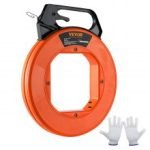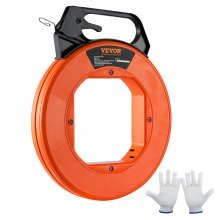
Are you planning a DIY electrical project and feeling a bit unsure about using a fish tape? You’re not alone.
Many people find this tool a bit intimidating at first. But once you know how to handle it safely, it can become your best ally in routing wires through walls, ceilings, and tight spaces. Imagine the satisfaction of completing your project efficiently and without any mishaps.
In this guide, you’ll discover simple, practical tips that will boost your confidence and ensure you use a fish tape safely and effectively. Ready to tackle your project with ease? Let’s dive in and get you started on the right foot!
Choosing The Right Fish Tape
Using fish tape safely starts with picking the right type. Different materials and lengths suit different jobs.
Choosing the right fish tape helps you work faster and avoid damage to wires or walls.
Types Of Fish Tape Materials
Fish tapes come in various materials. Each type has its own strength and flexibility.
- Steel:Strong and stiff. Good for long runs but can rust.
- Fiberglass:Flexible and non-conductive. Safer near electricity.
- Nylon-coated:Smooth and easy to pull. Resists corrosion.
- Plastic:Lightweight and flexible. Best for short distances.
Selecting The Appropriate Length
Pick a fish tape length that matches your project size. Too short or too long causes problems.
| Length | Best Use |
| 25 feet | Small residential jobs, short cable pulls |
| 50 feet | Standard home wiring, medium runs |
| 100 feet | Commercial wiring, long cable pulls |
| 150 feet | Large scale projects, industrial use |
Preparing For Fish Tape Use
Using fish tape safely starts with good preparation. Taking time to prepare helps avoid accidents.
Before using fish tape, check your tools and the tape itself. This keeps your work smooth and safe.
Gathering Necessary Tools
Gather all tools before starting to use fish tape. Having everything ready saves time and effort.
- Fish tape reel
- Gloves to protect your hands
- Wire or cable to pull
- Flashlight for dark spaces
- Wire lubricant to ease pulling
- Safety glasses to protect your eyes
Inspecting The Fish Tape
Check the fish tape for damage before use. A damaged tape can break or cause injury.
Look for cracks, bends, or rust on the tape. Make sure the reel spins freely and smoothly.
- Check the tape for cracks or dents
- Look for rust or corrosion
- Make sure the reel moves without sticking
- Test the tape’s flexibility without forcing it
Safe Handling Techniques
Using a fish tape correctly helps avoid injuries and damage. Always handle it with care to keep control and prevent accidents.
Knowing how to grip and avoid problems like kinks makes your work easier and safer. Follow simple steps for best results.
Proper Grip And Control
Hold the fish tape firmly to keep it steady. Use one hand near the reel and the other to guide the tape.
Keep a steady pace when pushing or pulling the tape. Avoid sudden moves that can cause loss of control.
- Grip the reel handle firmly with your dominant hand
- Guide the tape smoothly with your other hand
- Keep the tape straight as you feed it through
- Do not rush the movement to avoid slips
Avoiding Kinks And Snags
Push the tape slowly to avoid bending it sharply. Kinks can weaken the tape and cause it to break.
Watch for obstacles or sharp edges that can catch the tape. Move carefully to prevent snags and damage.
- Feed the tape straight without twisting
- Stop if the tape feels stuck or tight
- Pull back gently if you hit a snag
- Inspect the tape for damage before use

Credit: www.amazon.com
Feeding Fish Tape Through Conduits
Feeding fish tape through conduits helps guide wires in walls or ceilings. It makes pulling wires easier and safer.
Using the right techniques can prevent damage and save time during electrical work. Always handle fish tape carefully.
Techniques For Smooth Insertion
Keep the fish tape straight as you feed it into the conduit. Avoid sharp bends to prevent it from getting stuck.
Use slow and steady pressure. Let the tape move naturally without forcing it forward.
- Hold the tape close to the conduit opening
- Feed the tape gently and steadily
- Keep the tape aligned with the conduit path
- Pull back slightly if you feel resistance
Dealing With Obstacles
Conduits may have bends, joints, or blockages that stop the fish tape. Stop feeding the tape if it gets stuck.
Try to push and pull the tape slowly to move past the obstacle. If it still does not move, retract the tape and check for damage.
- Use a lubricant to ease tape movement in tight bends
- Check conduit openings for debris before feeding tape
- Do not force the tape to avoid breaking it
- If blocked, pull tape out and inspect the conduit
Retrieving And Pulling Wire
Using a fish tape helps you pull wire through walls and conduit safely. Proper technique prevents damage to the wire and makes the job easier.
This guide covers how to attach wire securely and pull it without damage using a fish tape.
Attaching Wire Securely
Attach the wire to the fish tape firmly. This stops the wire from slipping off during pulling.
- Strip a small section of the wire insulation.
- Use electrical tape to wrap the wire end tightly to the fish tape tip.
- Wrap tape smoothly to avoid bumps that can catch inside conduit.
- Check the connection by pulling gently before feeding the wire through.
Pulling Without Damage
Pull the wire slowly and steadily. Quick or jerky pulls can damage the wire or insulation.
| Tip | Reason |
| Keep tension even | Prevents wire from snagging or breaking |
| Use lubricant if needed | Helps wire slide smoothly through tight spaces |
| Avoid sharp bends | Protects wire from internal damage |
| Pull from the fish tape end | Keeps wire aligned and reduces stress |

Credit: ccs.inc
Maintaining Fish Tape
Fish tape is a tool used to pull wires through walls and conduit. Keeping it in good shape helps it last longer. Proper care makes your work safer and easier.
Regular maintenance stops damage and keeps the tape working well. Learn how to clean, store, check, and fix your fish tape.
Cleaning And Storage Tips
Clean your fish tape after each use. Dirt and grease can cause it to stick or rust. Use a soft cloth to wipe it down. Avoid harsh chemicals that can damage the tape.
Store the tape in a dry place. Coil it carefully to avoid kinks. Keep it away from moisture and direct sunlight to prevent rust and damage.
- Wipe tape clean with a dry or slightly damp cloth
- Use mild soap if grease is present
- Dry tape completely before storing
- Keep tape coiled without sharp bends
- Store in a cool, dry location
Regular Inspection And Repairs
Check your fish tape often for signs of damage. Look for rust, cracks, or bends. Damaged tape can break or cause injury during use.
Fix small issues quickly. Light rust can be removed with fine sandpaper. Replace the tape if it has deep cracks or severe damage.
- Inspect tape before and after each use
- Check for rust spots and wipe them off
- Look for kinks or bends that affect smooth use
- Repair minor rust with sandpaper
- Replace tape if damaged beyond repair
Avoiding Common Hazards
Using a fish tape can be tricky and unsafe if you do not take care. Knowing the hazards helps you avoid accidents and injuries. This guide shows how to use a fish tape safely.
Always follow safety steps to protect yourself from electrical shocks and physical harm. Read the tips below before you start working with a fish tape.
Electrical Safety Precautions
Electricity can cause serious injuries if you are not careful. Before using a fish tape, turn off the power to the wires you will work on. Use a voltage tester to make sure no current flows.
- Wear insulated gloves to protect from shocks.
- Keep the fish tape away from live wires.
- Do not use a fish tape if the coating is broken or damaged.
- Never touch the metal tape when it is near electricity.
- Work in a dry area to avoid electrical hazards.
Preventing Physical Injuries
Physical injuries can happen if you use the fish tape wrongly. Be cautious to avoid cuts, punctures, and muscle strains. Use the right tools and body posture.
| Risk | How to Avoid |
| Hand cuts from tape edges | Wear thick gloves and handle tape carefully |
| Eye injury from tape snapping back | Wear safety glasses and control tape release |
| Muscle strain from pulling tape hard | Use smooth, steady pulls and rest often |
| Slips or falls in work area | Keep workspace clear and dry |

Credit: www.amazon.com.au
Frequently Asked Questions
What Is The Purpose Of A Fish Tape?
A fish tape helps electricians pull wires through walls, conduits, or pipes. It simplifies wire installation in tight spaces. This tool saves time and effort during electrical work, making it essential for safe and efficient wiring.
How Do You Safely Handle A Fish Tape?
Wear gloves to avoid cuts from the metal tape. Always retract the tape slowly to prevent snapping. Avoid forcing the tape through tight bends to reduce damage and injury risks.
Can Fish Tape Be Used On Live Wires?
No, fish tape should never be used on live electrical wires. Always turn off power before using the tool to prevent electric shocks and accidents.
How Do You Avoid Damaging Walls With Fish Tape?
Use gentle, steady pressure when pushing fish tape through walls. Avoid sharp bends or forcing the tape to minimize wall damage. Plan the wire route carefully before starting.
Conclusion
Using fish tape safely helps prevent injuries and saves time. Always wear gloves to protect your hands. Avoid forcing the tape through tight spaces. Keep the tape clean and check for damage before use. Work slowly and carefully to avoid accidents.
Following these simple tips ensures a safer and easier job. Practice makes the task feel natural. Stay focused and patient while using fish tape. Safety first, every time you work with electrical wiring.