If you’re planning a flooring project, getting your measurements right is crucial. Using a folding ruler can make this task easier, faster, and more accurate.
But if you’ve never used one before, it might seem tricky. Don’t worry—this guide will show you exactly how to use a folding ruler step-by-step. By the end, you’ll feel confident measuring your space like a pro, saving time and avoiding costly mistakes.
Ready to make your flooring project a success? Let’s dive in!
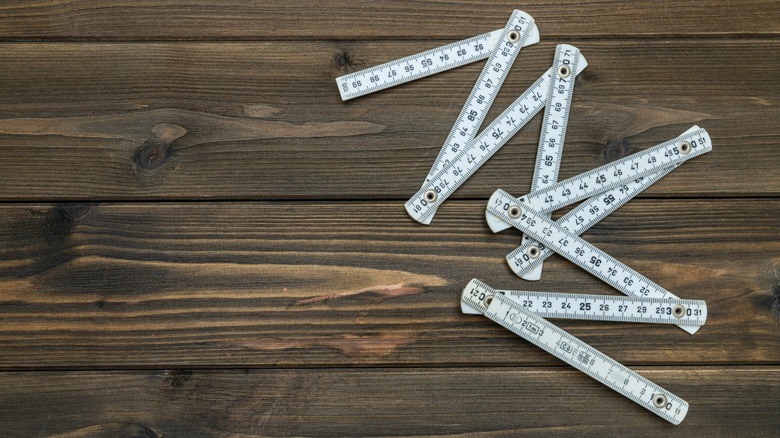
Credit: www.slashgear.com
Choosing The Right Folding Ruler
A folding ruler is a handy tool for flooring projects. It helps you measure floors accurately and fits easily in your toolbox.
Picking the right folding ruler makes your work faster and more precise. Look at materials, length, and locking features.
Materials And Build Quality
Folding rulers come in different materials like wood, plastic, and metal. Choose a strong and durable one for long use.
Metal rulers last longer and resist bending. Wooden rulers are light but can break easily. Plastic ones are cheap but less sturdy.
- Metal: Durable and strong, good for heavy use
- Wood: Lightweight but can crack or chip
- Plastic: Affordable but less durable
Length And Measurement Units
Choose a folding ruler length that suits your flooring project size. Common lengths are 1 meter and 2 meters.
Check if the ruler shows measurements in inches, centimeters, or both. Pick the units you use most for easy reading.
- 1 meter or 2 meter lengths fit most flooring jobs
- Inches are common in the US
- Centimeters are used in most other countries
- Dual scale rulers show both units
Locking Mechanisms
Locking features keep the folding ruler steady when measuring. This helps avoid errors and makes measuring easier.
Look for folding rulers with simple locks. They should hold the ruler firmly but also release easily for folding.
- Snap locks hold sections firmly in place
- Sliding locks allow smooth adjustment
- Magnetic locks keep the ruler folded tightly
Preparing For Accurate Measurements
Using a folding ruler correctly helps you get exact measurements for flooring projects. Accurate measurements save time and reduce material waste.
Before measuring, prepare your tools and work area. This ensures reliable results and smooth work progress.
Clearing The Work Area
Remove furniture and debris from the floor space. A clear area lets you measure without obstacles or mistakes.
Check the floor for bumps or dirt. Clean the surface to avoid errors in your measurement.
Checking The Ruler For Damage
Inspect your folding ruler before use. Look for cracks, bends, or missing parts that affect accuracy.
Ensure the folding joints move smoothly. Damaged parts can cause wrong measurements and waste materials.
- Check each segment for cracks or splits
- Test folding joints for smooth movement
- Look for worn or faded measurement marks
Calibrating Measurement Accuracy
Compare your ruler’s markings with a known accurate tape measure. This step helps confirm your ruler’s precision.
Adjust your measuring technique if the ruler shows differences. Always start measurements from the zero mark.
- Place both rulers side by side
- Check measurements at several points
- Note any differences and adjust accordingly
Measuring Floors With A Folding Ruler
Using a folding ruler is helpful for measuring floors in many projects. It is easy to carry and can measure long distances.
This tool works well for different floor shapes and sizes. Learn how to measure straight lines, corners, and odd spaces.
Measuring Straight Lines
Open the folding ruler fully to measure long, straight floor sections. Place it flat on the floor for accuracy.
Make sure the ruler is straight and not bent. Read the measurement where the floor ends or meets another surface.
Handling Corners And Angles
Fold the ruler at the joints to fit inside corners and angles. Use the ruler’s edges to measure each side carefully.
Measure one wall side, then the other. Note the angle if needed by aligning the ruler parts along the walls.
- Fold the ruler to match the corner shape
- Measure each wall side separately
- Record each measurement clearly
Measuring Irregular Spaces
For odd-shaped floors, use the folding ruler to measure smaller sections. Break the space into simple shapes.
Measure each part and write down the lengths. Add the measurements to find the total floor size.
- Divide the floor into smaller sections
- Measure each section with the folding ruler
- Add all measurements for total length

Credit: www.amazon.ca
Tips For Precise Marking
Using a folding ruler helps you measure accurately for flooring projects. Marking your measurements clearly is key to a good fit.
Follow these tips to make sure your marks are exact and easy to follow.
Using Pencil Marks
Use a sharp pencil to make thin, clear marks on your flooring material. Thick marks can cause mistakes.
Light marks are easier to erase if needed. Avoid pressing too hard with the pencil.
Marking Multiple Points
When marking several points, label each one to avoid confusion. Use numbers or letters near each mark.
- Mark the start and end points clearly
- Label each measurement in order
- Check that marks match your plan
Double-checking Measurements
Always measure twice before cutting. This reduces the risk of errors and wasted material.
- Use the folding ruler to measure again
- Compare new marks with previous ones
- Adjust marks if you find any mistakes
Maintaining Your Folding Ruler
Using a folding ruler for flooring projects needs care to keep it accurate. Proper maintenance makes your ruler last longer.
Cleaning and storing your ruler the right way helps avoid damage. Check your ruler often for signs of wear.
Cleaning And Storage
Clean your folding ruler after each use to remove dirt and dust. Use a soft cloth with mild soap and water if needed.
Dry the ruler completely before storing it. Keep it folded neatly in a dry place away from direct sunlight.
- Wipe down after use
- Use mild soap and water for tough dirt
- Dry fully to prevent rust or mold
- Store in a dry, cool spot
- Avoid leaving it in the sun
Avoiding Warping Or Damage
Do not bend or force the ruler beyond its joints. This can cause warping or breakage.
Keep the ruler away from heavy objects or pressure that can bend it. Handle it gently during use and storage.
- Fold and unfold carefully
- Do not force joints to move
- Avoid placing heavy items on the ruler
- Keep away from heat sources
- Handle with clean, dry hands
When To Replace Your Ruler
Replace your folding ruler if it shows cracks, deep scratches, or bent sections. These problems affect accuracy.
If the numbers or markings fade and are hard to read, it is time to get a new ruler. Accuracy is key for flooring projects.
- Cracks or breaks in the wood or metal
- Warped or bent parts that do not straighten
- Faded or missing measurement marks
- Loose or damaged joints

Credit: www.amazon.ca
Frequently Asked Questions
How Do I Measure Flooring Accurately With A Folding Ruler?
Use the folding ruler to measure straight lines and corners precisely. Extend it fully for long distances. Fold at joints to measure irregular spaces. Always double-check measurements for accuracy before cutting flooring materials.
Can A Folding Ruler Help Measure Irregular Floor Shapes?
Yes, folding rulers are ideal for irregular floor shapes. Their hinged design allows you to bend and fit the ruler along curves or corners, ensuring accurate measurements for complex flooring layouts.
What Are Common Mistakes When Using A Folding Ruler?
Common mistakes include not fully extending the ruler, misreading joints, and measuring on uneven surfaces. Always ensure the ruler is straight and flat for precise flooring measurements.
How To Maintain A Folding Ruler For Longevity?
Keep the folding ruler clean and dry after use. Avoid dropping or forcing the hinges. Store it flat or folded gently to prevent damage and ensure accurate measurements over time.
Conclusion
Completing flooring projects with a folding ruler is simple and effective. Measure accurately to ensure perfect fits and finishes. Practice using the ruler for better control and precision. Keep it clean and store it properly for long-lasting use. Choose a sturdy ruler that suits your project needs.
Double-check your measurements to avoid costly mistakes. A folding ruler can become your trusted tool for flooring tasks. With practice, your projects will look professional and polished. Enjoy the satisfaction of a job well done!