Ever tried measuring a wall and found yourself struggling with a floppy tape measure? You’re not alone.
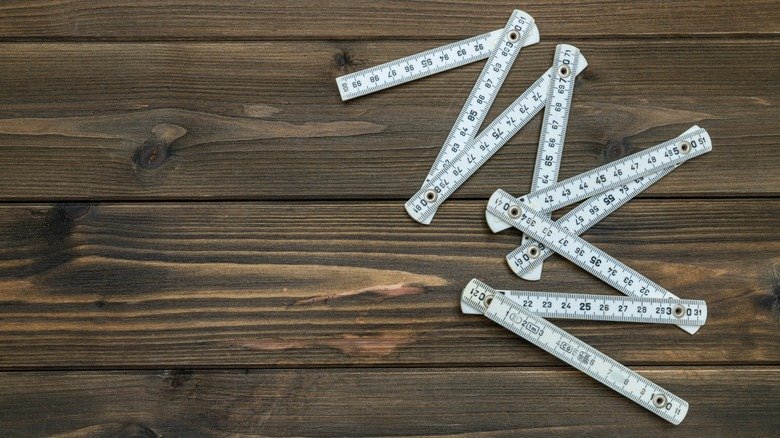
Enter the folding ruler—a tool that’s been around for ages but might just be your new best friend when it comes to precise wall measurements. Why? Because it’s designed to snap into place, giving you accurate readings without the hassle.
In this guide, you’ll discover how to make the most of a folding ruler for wall measurements. Imagine effortlessly getting the perfect measurements for your home projects, saving time and avoiding costly mistakes. Ready to transform your measuring game and ensure every project is a success? Let’s dive in!

Credit: www.reddit.com
Choosing The Right Folding Ruler
Using a folding ruler helps you measure walls accurately. Picking the right one makes your work easier.
Different folding rulers fit different needs. Learn about types, materials, and measurement units before buying.
Types Of Folding Rulers
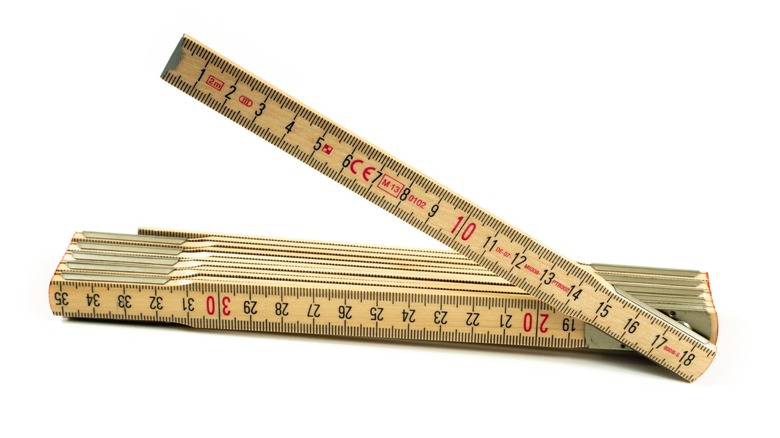
Folding rulers come in several types. Some fold in segments, while others roll up like tape.
Segment folding rulers are good for straight walls. Tape-style folding rulers work well in tight spaces.
- Segment folding rulers: multiple connected parts
- Tape-style folding rulers: flexible and rollable
- Hybrid models: combine features of both types
Material And Durability
Materials affect how long your folding ruler lasts. Choose one that fits your working conditions.
Wood is traditional but can wear out. Plastic is light but may break. Metal is strong and durable.
- Wood: classic look, less durable
- Plastic: lightweight, can snap
- Metal: strong, lasts longer
Measurement Units
Check what units the folding ruler shows. Choose one with units you understand and need.
Some rulers show inches, others show centimeters. Some have both for more options.
- Inches: common in the US and some countries
- Centimeters: used in most countries worldwide
- Dual units: both inches and centimeters on one ruler
Credit: www.slashgear.com
Preparing For Wall Measurements
Measuring walls accurately helps you plan better for any project. Using a folding ruler makes this task simple and precise.
Before you start measuring, prepare the space properly. This will ensure your measurements are correct and easy to take.
Clearing The Measurement Area
Remove any furniture or objects near the wall. This gives you clear access to the surface you want to measure. A clean area helps avoid mistakes and makes the process faster.
Marking Reference Points
Mark fixed points on the wall to guide your measurements. Use a pencil or painter’s tape to place marks at corners or edges. These points help you keep track of where you start and stop measuring.
- Mark the bottom corner of the wall
- Mark the top corner on the same side
- Mark any obstacles like windows or doors
Tools To Have Handy
| Tool | Purpose |
| Folding ruler | Measures wall length and height |
| Pencil | Marks reference points |
| Painter’s tape | Temporary wall marks |
| Step stool | Reach higher parts of the wall |
| Notepad | Write down measurements |
Basic Folding Ruler Techniques
A folding ruler is a simple tool for measuring walls. It folds into sections for easy use and storage. Learning basic techniques helps get accurate results.
Here are key methods to use your folding ruler well. Follow these tips to measure straight and read the scale correctly.
Extending And Locking The Ruler
Open the folding ruler by pulling out each section one by one. Make sure each joint clicks or locks in place. This keeps the ruler straight and steady while measuring.
- Hold the ruler firmly at the first section.
- Pull the next section until it snaps or locks.
- Repeat until you reach the needed length.
- Check all joints are secure before measuring.
- Fold it back carefully after use to avoid damage.
Measuring Straight Distances
Place the ruler flat against the wall. Align it so the edge lines up straight from one point to another. Keep the ruler steady to avoid errors.
Use these tips to measure straight distances:
- Start at the exact edge or corner you want to measure from.
- Extend the ruler along the wall without bending it.
- Keep the ruler level and straight with your eye line.
- Note the measurement at the far point carefully.
- Use a helper if the wall is very long or hard to reach.
Reading The Scale Accurately
Look closely at the numbers and lines on the ruler. Each small mark shows a unit of length. Make sure you read from the correct end of the ruler.
| Mark Type | Meaning |
| Long line with number | Whole units (e.g., centimeters or inches) |
| Medium line | Half units (e.g., 0.5 cm or ½ inch) |
| Short line | Smaller fractions (e.g., millimeters or eighths) |
Double-check your reading by noting the last full unit and adding the smaller units after it. This avoids mistakes in your measurements.
Measuring Wall Dimensions
Using a folding ruler helps you measure walls accurately. It is a handy tool for finding wall height and width.
This guide shows how to measure different parts of a wall with a folding ruler. Follow simple methods to get precise results.
Measuring Height And Width
Start by fully extending the folding ruler vertically to measure the wall height. Place the ruler’s end at the floor and read the measurement at the ceiling.
To measure width, place the ruler horizontally along the wall from one corner to the other. Make sure the ruler is straight and level.
- Hold the ruler firmly against the wall
- Read the measurement at the point where the wall ends
- Note the number shown on the ruler carefully
Handling Corners And Angles
Measuring corners and angles can be tricky with a folding ruler. Use the ruler’s joints to adjust its shape to match the wall angle.
| Wall Feature | How to Measure |
| Inside Corner | Fold ruler to fit corner angle, then measure each side |
| Outside Corner | Extend ruler around the corner, keep it tight against edges |
| Angled Wall | Adjust ruler joints to match angle, measure along the ruler |
Using Multiple Sections For Long Walls
Long walls may be longer than the folding ruler. Measure in parts by folding and extending the ruler multiple times.
- Place the ruler at the start of the wall and note the length
- Mark the end point of the ruler on the wall
- Move the ruler to the mark and measure the next section
- Add all section lengths to get the total wall length
Tips For Accuracy
Using a folding ruler to measure walls can be simple with the right approach. Accuracy is key to avoid errors in your project.
Follow these tips to get precise measurements every time you use your folding ruler.
Avoiding Common Mistakes
Many measurement errors come from basic mistakes. Keep the ruler straight and fully extended. Avoid bending it during measurement.
- Make sure the ruler locks firmly at each fold.
- Do not estimate measurements; read the ruler marks carefully.
- Measure from the correct starting point on the ruler.
- Keep the ruler flat against the wall surface.
Double-checking Measurements
Always measure twice to confirm your numbers. This reduces the chance of costly mistakes later.
| Measurement Check | Reason |
| First Measurement | Initial reading of the wall length |
| Second Measurement | Verify the first reading for accuracy |
| Compare Results | Identify any differences and re-measure if needed |
Using A Helper For Precision
Having another person can improve measurement accuracy. One holds the ruler while the other reads the scale.
- A helper keeps the ruler steady and straight.
- They can mark points on the wall while you measure.
- Two people can check each other’s work for errors.
- Use clear signals to communicate while measuring.
Storing And Maintaining Your Folding Ruler
Keeping your folding ruler clean and well-maintained helps it last longer. Proper care also ensures accurate measurements every time.
This guide covers cleaning, folding, and storing tips for your folding ruler.
Cleaning After Use
Remove dirt and dust from your folding ruler after each use. This prevents buildup that can cause damage or affect accuracy.
- Wipe the ruler with a soft, dry cloth.
- Use a slightly damp cloth for sticky or stubborn dirt.
- Dry the ruler completely before folding.
- Avoid using harsh chemicals or abrasive materials.
Proper Folding Techniques
Fold your ruler carefully to avoid bending or breaking the joints. Correct folding keeps the ruler compact and safe.
- Hold the ruler firmly near the hinge.
- Fold one section at a time slowly and evenly.
- Ensure each segment locks in place gently.
- Do not force any part that feels stuck.
- Check for smooth movement after folding.
Storage Recommendations
| Storage Tip | Reason |
|---|---|
| Store in a dry place | Prevents rust and damage to metal parts |
| Keep away from direct sunlight | Avoids warping or fading of the ruler |
| Use a protective case or pouch | Protects from dust and accidental drops |
| Place flat or hang vertically | Prevents unwanted bending or pressure |

Credit: www.reddit.com
Frequently Asked Questions
How Do I Properly Unfold A Folding Ruler?
To unfold a folding ruler, gently pull each segment outward. Ensure the joints click firmly to lock in place. Avoid forcing the ruler to prevent damage. Fully extended, it provides accurate measurements for walls and other surfaces.
Can I Use A Folding Ruler For Large Wall Measurements?
Yes, folding rulers are suitable for large walls. Their segmented design allows extension up to several feet. Measure in sections if the wall exceeds the ruler’s length. This ensures precise and manageable measurements for your project.
What Are Tips For Accurate Wall Measurements?
Hold the ruler flat against the wall for accuracy. Measure from a fixed point like a corner or edge. Double-check measurements by repeating the process. Use a pencil to mark key points for reference.
How Do I Maintain A Folding Ruler For Longevity?
Keep the ruler clean and dry after use. Store it folded in a protective case to avoid damage. Avoid exposure to extreme temperatures or moisture. Regularly check joints for smooth movement and repair if needed.
Conclusion
Using a folding ruler makes wall measuring simple and clear. It fits easily in your hand and helps you get exact lengths. Always keep the ruler straight and read the numbers carefully. Practice a few times to feel more confident.
Accurate measurements help your projects turn out right. Try different spots on the wall for best results. Keep your folding ruler in good shape for many uses. With patience and care, you can measure walls like a pro. Simple tools, smart steps—great results follow.