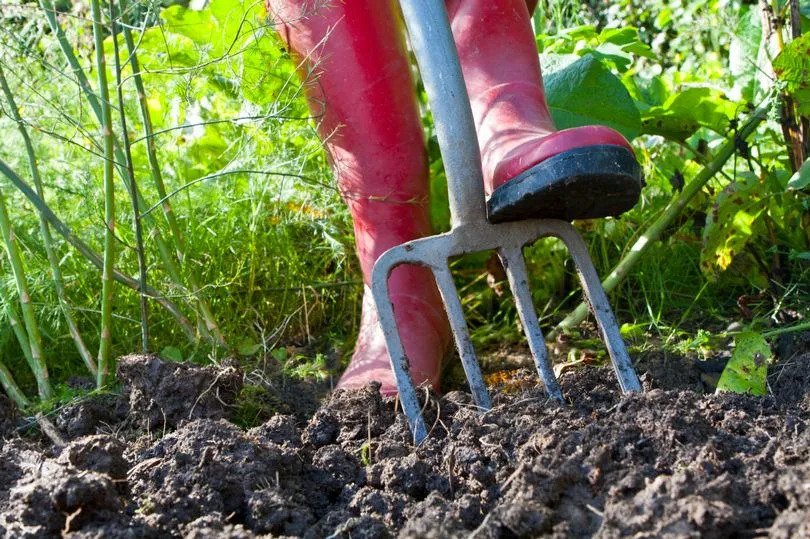
Are you ready to take your composting skills to the next level? A garden fork might just be the secret tool you’ve been missing.
Imagine a lush, thriving garden where your plants grow healthier and faster—all thanks to the perfect compost. Using a garden fork for turning compost can make this dream a reality. But why is it so effective? And how can you master this technique to transform your garden into a green paradise?
You’ll discover the step-by-step process of using a garden fork to boost your composting efficiency. Get ready to dig deep into the secrets of a flourishing garden!

Credit: www.amazon.com
Choosing The Right Garden Fork
Using a garden fork makes turning compost easier and faster. Picking the right fork helps you work with less effort.
This guide covers the types of garden forks, their materials, and the best sizes and handle designs.
Types Of Garden Forks
Garden forks come in different types. Each type suits certain tasks better. Some are good for light compost, others for heavy soil.
- Digging Fork:Has long, strong tines for breaking hard soil.
- Border Fork:Smaller, lighter fork for turning compost and light soil.
- Manure Fork:Has wide, flat tines to move compost or manure easily.
Material And Durability
Garden forks are made from different materials. Choose one that lasts and fits your budget.
| Material | Durability | Weight | Cost |
| Steel | Very strong and long-lasting | Heavier | Moderate to high |
| Aluminum | Resists rust but less strong | Lightweight | Higher |
| Fiberglass Handle | Strong and resists weather | Lightweight | Moderate |
| Wood Handle | Comfortable but can wear out | Medium weight | Low to moderate |
Size And Handle Design
The right size helps you avoid strain. Handle design affects comfort and control.
Key factors to consider:
- Fork length: Choose a fork that fits your height for easy use.
- Handle type: T-shaped handles offer good grip; straight handles give better leverage.
- Weight: A lighter fork reduces fatigue when turning compost.
- Grip material: Look for handles with soft grips to prevent blisters.

Credit: www.youtube.com
Preparing Your Compost Pile
Turning compost with a garden fork helps speed up decomposition. Preparing your compost pile right is important for good results.
Start by gathering the right ingredients and arranging them properly. Check moisture and temperature regularly to keep the pile healthy.
Ideal Compost Ingredients
Use a mix of green and brown materials in your compost. Greens add nitrogen, and browns add carbon, both needed for good compost.
- Green materials: vegetable scraps, grass clippings, coffee grounds
- Brown materials: dry leaves, straw, cardboard, small branches
- Avoid meat, dairy, and oily foods
- Chop large pieces to help break down faster
Layering Techniques
Build your compost pile by layering different materials. This helps air flow and speeds up decomposition.
Start with coarse materials at the bottom. Alternate layers of green and brown materials, about 2-4 inches thick each.
- Bottom: twigs or straw for air flow
- Next: green materials for nitrogen
- Then: brown materials for carbon
- Repeat layers until pile is about 3 feet high
Moisture And Temperature Checks
Keep the compost moist, like a damp sponge. Too dry or too wet slows down the process.
Check the pile’s temperature with a compost thermometer. It should stay between 110°F and 160°F for best results.
- If too dry, add water and mix
- If too wet, add dry brown materials
- Turn pile with a garden fork to add air
- Monitor temperature daily during active composting
Techniques For Turning Compost
Turning compost helps speed up the breakdown of organic materials. It adds oxygen to the pile. This keeps the compost healthy and prevents bad smells.
Using a garden fork correctly makes turning compost easier. You can mix the materials well and keep the pile balanced. Below are tips on when and how to turn your compost.
When To Turn Compost
Turn your compost every 1 to 2 weeks. This timing keeps the pile warm and active. If the compost looks dry or smells bad, turn it more often.
- Check for heat in the center of the pile.
- Turn if the pile cools down.
- Turn if the pile becomes wet or smelly.
- Turn more often in hot weather.
Proper Fork Insertion
Insert the fork deep into the compost. Use the tines to lift and move the material. Avoid just stirring the top layer.
| Fork Position | Action |
| Vertical insertion | Lift material from the bottom |
| Angled insertion | Turn and mix layers |
| Shallow insertion | Only moves surface, less effective |
Effective Turning Motions
Use strong, steady motions to turn the compost. Lift the pile from the bottom and place it on top. This mixes old and new material.
- Insert the fork fully into the pile.
- Lift a section of compost out.
- Turn the section over to the top.
- Repeat around the pile evenly.
Safety Tips While Using A Garden Fork
Using a garden fork helps turn compost efficiently. It is important to stay safe during the process. Follow these tips to avoid accidents and injuries.
Proper safety measures protect your body and make compost turning easier. Learn how to use protective gear, maintain good posture, and prevent common injuries.
Protective Gear
Wearing the right protective gear keeps you safe from sharp objects and dirt. It also prevents blisters and bruises while working with a garden fork.
- Wear sturdy gloves to protect your hands.
- Use closed-toe shoes or boots to guard your feet.
- Consider safety glasses to protect your eyes from debris.
- Wear long sleeves and pants to avoid scratches.
Handling And Posture
Correct handling and posture reduce strain and improve control. This helps prevent muscle pain and accidents while turning compost.
| Tip | Description |
| Hold the Fork | Grip the handle firmly with both hands. |
| Stand Properly | Keep your feet shoulder-width apart for balance. |
| Bend Your Knees | Use knee bends, not your back, to lift material. |
| Move Smoothly | Lift and turn compost in steady motions. |
Avoiding Common Injuries
Injuries can happen without care. Watch out for cuts, strains, and slips by following safety steps.
- Cuts and Punctures:Always check the compost for sharp objects before turning.
- Back Strain:Avoid twisting your back; use your legs to lift.
- Slips and Falls:Keep the work area clear and dry.
- Blisters:Wear gloves and take breaks to rest your hands.
Maintaining Your Garden Fork
Using a garden fork for turning compost keeps your soil healthy. To keep your fork working well, regular care is important.
Good maintenance helps your garden fork last longer and work better. Follow simple steps to clean, protect, and store it properly.
Cleaning After Use
Clean your garden fork right after use. Removing dirt stops rust and damage. Use a stiff brush or water to clear soil from the tines.
Dry the fork completely before storing it. Wet tools can rust faster and wear out.
- Use a stiff brush to remove dirt
- Rinse with water if needed
- Wipe dry with a cloth
- Let air dry before storing
Rust Prevention
Rust can damage your garden fork. Keep it dry and clean to prevent rust. Apply oil to metal parts to create a protective layer.
Use vegetable oil or light machine oil. Rub a small amount on the tines and metal head with a cloth.
- Keep the fork dry after use
- Apply oil regularly to metal parts
- Check for rust spots and remove them
- Use sandpaper to smooth rusty areas
Storage Tips
Store your garden fork in a dry place to avoid rust and damage. Hang it on a wall or keep it off the ground.
Keep the fork away from rain and moisture. Proper storage keeps the wood handle strong and the metal parts safe.
- Hang the fork on a hook or peg
- Keep it inside a shed or garage
- Do not leave it outside in the rain
- Store with the tines facing down or sideways

Credit: www.youtube.com
Troubleshooting Compost Issues
Using a garden fork to turn compost helps speed up the process. Sometimes, compost may have problems that slow it down or cause bad smells.
Knowing how to fix these issues can improve your compost and make your garden healthier.
Dealing With Odors
Bad smells usually happen when compost is too wet or lacks air. Turning the compost with your garden fork adds air and reduces odors.
If the smell stays, add dry materials like leaves or straw. These soak up extra moisture and balance the compost.
- Turn compost often to add air
- Add dry brown materials to absorb moisture
- Avoid adding too much kitchen waste at once
Slow Decomposition
Compost breaks down slowly when it lacks air, water, or the right mix of materials. Use your garden fork to turn it regularly and mix it well.
Make sure the compost is moist but not wet. Add green materials like vegetable scraps and brown materials like paper to keep a good balance.
- Turn compost every 1-2 weeks
- Keep compost moist like a wrung-out sponge
- Mix green (nitrogen) and brown (carbon) materials
Pest Management
Pests come to compost if food scraps are exposed. Turning the pile with your garden fork buries food waste and keeps pests away.
Cover food scraps with brown materials each time you add them. This hides the smell and stops pests from finding food.
- Turn compost regularly to bury food scraps
- Add dry leaves or straw on top of food waste
- Use a closed compost bin if pests are a big problem
Frequently Asked Questions
What Is The Best Way To Use A Garden Fork For Compost?
Insert the garden fork deep into the compost pile. Lift and turn the material gently. Repeat to aerate and mix evenly. This speeds up decomposition and improves compost quality.
How Often Should I Turn Compost With A Garden Fork?
Turn your compost every 1 to 2 weeks. Regular turning ensures oxygen flow and balanced moisture. This helps break down organic matter faster and reduces odor.
Can A Garden Fork Prevent Compost From Becoming Compacted?
Yes, using a garden fork loosens dense compost layers. It prevents compaction by increasing airflow and drainage. This creates a healthier environment for microbes to thrive.
Is A Garden Fork Better Than A Pitchfork For Compost?
A garden fork has shorter, sturdier tines ideal for turning heavy compost. It offers better control and less damage to compost. Pitchforks are less effective for thorough aeration.
Conclusion
Using a garden fork makes compost turning easier and faster. It helps mix materials well, letting air reach the pile. This speeds up the composting process and keeps it healthy. Regularly turning compost stops bad smells and pests. Keep your garden fork clean and use steady, gentle movements.
Soon, you will have rich soil to improve your plants. Simple tools, small effort, great results. Try it yourself and watch your garden grow.