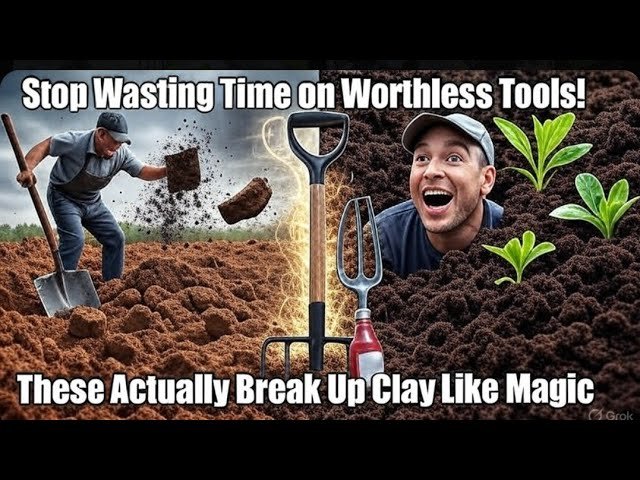
Are you tired of battling with hard, unyielding soil in your garden? You’re not alone.
Many gardeners face the challenge of compacted soil that seems impervious to shovels and spades. But what if there was a tool that could make your gardening life easier and your plants happier? Enter the garden fork – a simple yet powerful tool that can transform your gardening experience.
In this guide, you’ll discover how to effectively use a garden fork to break up hard soil, making way for healthier plants and a more vibrant garden. Imagine the satisfaction of easily turning over soil, improving its texture, and promoting better growth. Keep reading to unlock the secrets of using a garden fork and turn your gardening woes into wins.
Choosing The Right Garden Fork
Using a garden fork helps break up hard soil and prepare your garden for planting. Picking the right fork makes the job easier and more effective.
This guide covers the types of garden forks, their materials, and sizes to help you choose the best tool for your needs.
Types Of Garden Forks
Garden forks come in several types based on their design and purpose. Each type suits different gardening tasks.
- Digging Fork:Has strong, thick tines for breaking hard soil and turning compost.
- Border Fork:Smaller and lighter, ideal for working in tight spaces or borders.
- Potato Fork:Features wide, curved tines to lift root vegetables gently.
- Weeding Fork:Narrow tines made for removing weeds without disturbing plants.
Material And Durability
Garden forks are made from different materials that affect their strength and lifespan.
| Material | Durability | Weight | Maintenance |
| Steel | Very strong and lasts long | Heavier | Needs rust protection |
| Aluminum | Good strength but less durable | Lightweight | Low maintenance |
| Fiberglass Handle | Strong and resists weather | Moderate | Easy to clean |
| Wooden Handle | Strong but can crack | Moderate | Needs oiling |
Size And Handle Options
Choosing the right size and handle style makes using a garden fork more comfortable and effective.
- Fork Size:Larger forks cover more ground but can be heavier.
- Handle Length:Long handles give more leverage; short handles offer better control.
- Handle Shape:D-shaped handles provide a good grip, while straight handles suit different hand positions.
- Weight:Choose a weight you can lift easily for longer work sessions.
Preparing The Soil
Breaking up hard soil with a garden fork makes planting easier. Proper preparation helps plants grow strong and healthy. This guide covers key steps before using the fork.
Start by clearing debris, checking soil moisture, and marking the work area. These steps save time and effort while improving results.
Clearing Debris
Remove sticks, rocks, and old roots from the soil surface. These items block the fork’s tines and make digging harder. Clearing debris also protects your tools from damage.
- Pick up sticks and branches by hand
- Use a rake to gather small stones
- Clear old plant roots and weeds
- Dispose of debris away from the garden area
Moisture Levels For Easier Work
Soil moisture affects how easy it is to break up hard ground. Too dry soil is tough and crumbly. Too wet soil is heavy and sticky. Aim for moist but not soggy soil.
| Soil Condition | Feel Test | Action |
| Too Dry | Crumbles easily, dusty | Water soil lightly a day before |
| Ideal Moisture | Holds shape, slightly damp | Start digging with garden fork |
| Too Wet | Sticky, clumps when squeezed | Wait for soil to dry before working |
Marking The Area
Mark the area you want to work on. This helps keep your efforts focused and organized. Use simple tools to outline the space clearly.
Tools for marking the area:
- Garden twine or string
- Wooden stakes or small sticks
- Spray paint safe for plants
Stretch the twine between stakes to form straight lines. This guides where to use the garden fork.
Proper Technique For Forking
Using a garden fork helps break up hard soil efficiently. It loosens soil and improves air and water flow.
Learning the right technique prevents injury and makes the task easier. Follow these steps for best results.
Correct Stance And Grip
Stand with your feet shoulder-width apart for balance. Keep your back straight to avoid strain.
Hold the fork handles firmly but not too tight. Use both hands to control the tool well.
- Feet shoulder-width apart
- Back straight, bend knees slightly
- Firm, relaxed grip on handles
- Both hands on the fork
Inserting The Fork
Push the fork’s tines straight into the soil. Apply pressure using your foot on the fork’s back.
Insert the fork deep enough to reach compacted soil layers. Avoid forcing it at an angle.
- Place tines straight down
- Use foot pressure to push in
- Reach deep soil layers
- Avoid bending the fork
Breaking Up Soil Clumps
Lift and rock the fork to break soil clumps apart. Use a gentle twisting motion for better effect.
Repeat this process across the area until the soil is loose and crumbly. Remove large stones or roots.
- Lift soil with fork tines
- Rock or twist fork gently
- Break large clumps into small pieces
- Clear stones and roots
Dealing With Tough Soil Conditions
Hard soil can make gardening difficult. Using a garden fork helps break it up. It loosens the soil and makes planting easier.
Understanding how to use water and tools correctly can improve tough soil. Avoiding soil compaction keeps the soil healthy for plants.
Using Water To Soften Soil
Water helps soften hard soil before you use the garden fork. Wet soil is easier to break and less tiring to work with.
Water the soil well and wait 24 hours. This gives time for the water to reach deep into the ground.
Leveraging Tools For Hard Spots
Some soil spots are harder than others. Use a garden fork first to loosen the soil gently. For very hard areas, try a pick or spade to break the surface.
- Start by pushing the garden fork into the soil
- Lift and rock the fork to break clumps
- Use a spade to cut roots or very hard parts
- Work slowly to avoid damage to soil structure
Avoiding Soil Compaction
Soil compaction makes soil hard and stops roots from growing. Avoid walking on wet soil and keep heavy tools off it.
Use the garden fork to loosen soil without pushing down hard. This keeps the soil crumbly and healthy for plants.
Maintaining Your Garden Fork
A garden fork helps you break up hard soil easily. To keep it working well, you need to maintain it properly. Good care makes your fork last longer.
Maintaining your garden fork includes cleaning, sharpening, and storing it right. These simple steps keep your tool ready for your next gardening task.
Cleaning After Use
After using your garden fork, remove soil and debris from the tines. Use a stiff brush or water to clean it well. Dry the fork to stop rust from forming.
- Brush off dirt with a stiff brush
- Wash with water if needed
- Dry completely before storing
Sharpening The Tines
Sharp tines make digging easier and save your energy. Use a metal file to sharpen the edges. Always file in one direction for a smooth finish.
- Secure the fork in a stable position
- File each tine edge evenly
- Check for sharpness regularly
Storage Tips
Store your garden fork in a dry place to prevent rust. Hang it on a wall or keep it off the ground. Cover the tines to avoid accidents and damage.
- Keep it indoors or in a shed
- Hang on hooks or racks
- Cover tines with a protective guard

Credit: www.reddit.com
Safety Tips While Working
Using a garden fork to break up hard soil can be tough work. Safety is very important to avoid injuries. Wearing the right gear and using good body movements helps protect you.
This guide covers protective gear, body mechanics, and ways to avoid common injuries while working with a garden fork.
Protective Gear
Wearing the right protective gear keeps you safe from cuts, bruises, and dirt. It also helps you work longer without pain.
- Wear sturdy gloves to protect your hands from blisters and splinters.
- Use closed-toe shoes with good grip to avoid slipping and protect your feet.
- Wear long pants to guard your legs from scratches and insect bites.
- Consider safety glasses to shield your eyes from flying debris.
Body Mechanics
Using proper body movements reduces strain and helps prevent muscle pain. Lift with your legs, not your back. Keep your back straight and bend your knees.
- Stand with feet shoulder-width apart for balance.
- Hold the garden fork handle firmly with both hands.
- Push the fork prongs into the soil using your body weight.
- Lift the soil by straightening your legs slowly.
- Take breaks often to avoid overworking your muscles.
Avoiding Common Injuries
Knowing common injuries helps you watch for signs and avoid them. Strains, cuts, and falls are the most frequent problems when working in the garden.
| Injury | Cause | Prevention |
| Muscle Strain | Overuse or poor lifting | Use correct body mechanics and rest often |
| Hand Cuts | Sharp fork edges or hidden objects | Wear gloves and check soil before digging |
| Slips and Falls | Wet or uneven ground | Wear proper shoes and clear work area |
Enhancing Soil Health Post-forking
Using a garden fork to break up hard soil helps air and water reach plant roots. After forking, care for the soil to keep it healthy. Good soil supports strong plants and better growth.
Improving soil health means adding nutrients, keeping it moist, and preventing compaction. These steps help your garden stay productive and lively.
Adding Organic Matter
Add organic matter like compost or aged manure after forking. This feeds helpful microbes and improves soil structure. Organic matter also holds moisture well.
Spread a thin layer of organic matter over the soil surface. Then mix it gently into the topsoil with your fork. This helps nutrients reach plant roots.
- Use compost, leaf mold, or well-rotted manure
- Avoid fresh manure that can burn plants
- Add organic matter in spring or fall
Mulching Techniques
Mulching keeps soil moist and stops weeds from growing. Use natural materials like straw, grass clippings, or wood chips. Apply mulch after breaking up the soil.
Keep mulch a few inches away from plant stems. This prevents rot and pests. Mulch also helps soil stay cool during hot days.
- Spread 2-3 inches of organic mulch
- Renew mulch as it breaks down
- Use mulch to protect soil from rain impact
Regular Soil Aeration
Soil compacts over time, making it hard for roots to grow. Use a garden fork regularly to aerate the soil. This lets air, water, and nutrients reach plants easily.
Lift and turn the soil gently without disturbing plant roots. Aerate your garden every few weeks during the growing season for best results.
- Fork soil in early spring and late summer
- Avoid working soil when it is too wet
- Break large clumps into smaller pieces
Credit: www.gardeningknowhow.com

Credit: www.heirloomsoul.com
Frequently Asked Questions
What Is The Best Technique To Use A Garden Fork?
Use the garden fork by inserting it vertically into the soil. Wiggle it gently to loosen compact soil. Work systematically over the area for even soil aeration.
How Deep Should I Insert A Garden Fork Into Soil?
Insert the garden fork about 6 to 8 inches deep. This depth effectively breaks up hard soil without damaging roots below. Adjust depth based on soil hardness and plant roots.
When Is The Ideal Time To Use A Garden Fork?
The best time is when soil is moist but not soggy. Avoid working on overly wet or dry soil to prevent clumping or damage. Early spring or fall is ideal for soil preparation.
Can A Garden Fork Improve Soil Drainage?
Yes, using a garden fork loosens compacted soil, improving air and water flow. Better drainage prevents root rot and promotes healthy plant growth. Regular aeration benefits garden soil structure.
Conclusion
Using a garden fork makes breaking hard soil easier and faster. It loosens soil well, letting roots grow deep. This helps plants get water and air they need. Work in small sections for best results. Take breaks to avoid getting tired.
Keep your garden fork clean to last longer. With practice, your soil will improve each time. Happy gardening!