If you have raised garden beds, you know how important it is to keep the soil healthy and free from weeds. But using the right tool can make this job much easier and more effective.
A garden hoe is one of the best tools you can use to care for your raised beds. You’ll learn simple, practical tips on how to use a garden hoe to prepare your soil, remove weeds, and help your plants grow stronger.
By the end, you’ll feel confident handling your hoe like a pro—and your garden will thank you for it. Keep reading to discover how this easy tool can transform your gardening routine.
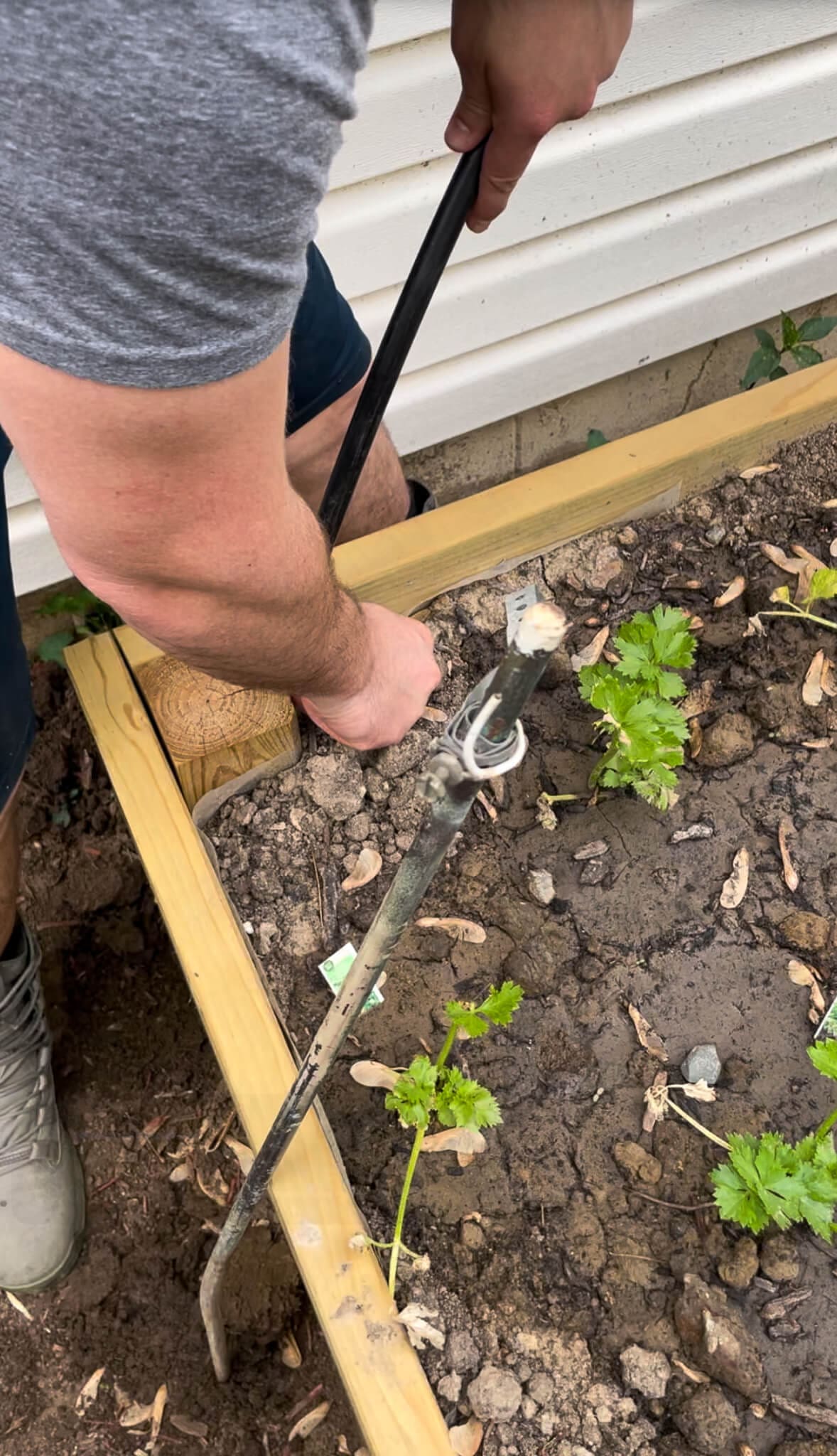
Credit: crystelmontenegrohome.com
Choosing The Right Hoe
Using a garden hoe in raised beds helps keep soil loose and free of weeds. Picking the right hoe makes this job easier and faster.
Different hoes work better for different tasks. Knowing the types helps you choose the best one for your raised beds.
Types Of Garden Hoes
Garden hoes come in several shapes and sizes. Each type has a special use in gardening.
- Draw Hoe: Has a flat blade for chopping weeds and shaping soil.
- Stirrup Hoe: Features a loop blade that moves back and forth to cut weeds.
- Warren Hoe: Has a pointed blade for digging small trenches and weeding.
- Collinear Hoe: A thin blade good for slicing weeds just below the soil surface.
- Dutch Hoe: A flat blade angled to push through soil and cut weeds on the surface.
Each hoe style helps with different gardening tasks. Choose based on your bed size and soil type.
Best Hoe For Raised Beds
Raised beds need hoes that work well in tight spaces and loose soil. A lightweight hoe is easier to handle here.
Stirrup hoes and collinear hoes are great for raised beds. They remove weeds without disturbing plant roots.
- Stirrup Hoe:Cuts weeds just below the surface with a back-and-forth motion.
- Collinear Hoe:Has a thin blade for precise weeding in narrow rows.
- Draw Hoe:Good for shaping soil and chopping tough weeds in larger beds.
Pick a hoe with a comfortable handle length. This helps avoid strain during long gardening sessions.

Credit: www.yahoo.com
Preparing Raised Beds
Preparing raised beds is important for a healthy garden. Using a garden hoe helps make the soil ready for planting.
Good preparation improves plant growth and makes gardening easier.
Clearing Debris
Start by removing leaves, sticks, and old plants from the raised bed. This clears space for new plants.
Use the garden hoe to pull out weeds and break up large clumps of dirt. This makes the soil loose and clean.
- Remove dead plants and weeds
- Clear stones and sticks
- Break up hard soil clumps
Soil Conditioning
Use the garden hoe to mix compost or organic matter into the soil. This adds nutrients that plants need.
Loosen the soil by hoeing deeply but gently. This helps air and water reach plant roots.
- Mix compost or manure into soil
- Break up soil to improve air flow
- Level the soil surface for planting
Proper Hoeing Techniques
Using a garden hoe correctly helps keep your raised beds healthy. It makes weeding easier and improves soil quality.
This guide explains how to hold the hoe, weed efficiently, and aerate the soil for better plant growth.
Correct Grip And Stance
Hold the hoe with both hands for control. One hand should be near the top of the handle, the other closer to the blade.
Stand with feet shoulder-width apart. Keep your back straight and bend your knees slightly to avoid strain.
- Grip the handle firmly but not too tight
- Keep elbows slightly bent
- Face the area you will hoe directly
- Move your body, not just your arms
Effective Weeding Methods
Use the hoe blade to cut weeds just below the soil surface. This stops weeds from growing back quickly.
Work in short strokes and cover small areas at a time. Remove weeds before they go to seed.
- Push the hoe blade forward to cut roots
- Pull the blade back to loosen soil around weeds
- Clear uprooted weeds from the bed
- Hoe often to keep weeds low
Soil Aeration Tips
Hoeing breaks up compacted soil and lets air reach plant roots. This improves water absorption.
Use the hoe to gently stir the top layer of soil without digging too deep. This protects roots.
- Loosen soil surface with light hoe strokes
- Avoid disturbing roots of plants
- Hoe in dry weather to prevent soil clumping
- Aerate soil before planting new seeds
Maintaining Your Garden Hoe
Taking care of your garden hoe keeps it working well for years. Regular maintenance makes gardening easier and safer.
Simple steps like cleaning, sharpening, and proper storage help your hoe last longer.
Cleaning After Use
Clean your garden hoe right after use. Dirt and plant residue can cause rust or damage the blade.
Use a stiff brush or water to remove soil. Dry the hoe well to stop rust from forming.
- Brush off dirt with a stiff brush
- Rinse with water if needed
- Dry the blade and handle thoroughly
- Remove any plant sap or debris
Sharpening The Blade
A sharp blade cuts through soil better and saves effort. Sharpen your hoe blade regularly to keep it effective.
Use a metal file or sharpening stone. Hold the blade steady and file along the edge at a consistent angle.
- Secure the hoe to avoid slipping
- File the blade edge evenly
- Keep the angle between 20 and 30 degrees
- Remove burrs by smoothing the back side
- Wipe the blade clean after sharpening
Storage Recommendations
Store your garden hoe in a dry place to prevent rust and damage. Avoid leaving it outside exposed to rain or sun.
Hang the hoe or place it off the ground. Keep the blade covered or protected to avoid accidents.
- Store indoors or in a shed
- Hang on a wall hook to keep blade off floor
- Use blade covers or wrap in cloth
- Keep away from moisture and direct sunlight
Common Mistakes To Avoid
Using a garden hoe in raised beds can help keep soil healthy. Avoid mistakes that harm your plants or soil.
Knowing what to avoid helps your garden grow better and saves time.
Over-hoeing The Soil
Hoeing too often or too deep can hurt soil structure. It can destroy beneficial soil life and cause soil to dry out.
Light hoeing is enough to break up weeds and loosen the topsoil. Avoid digging too deep or stirring the soil too much.
- Hoe only when soil surface is dry
- Use gentle strokes to break crusted soil
- Limit hoeing to a few times a season
- Avoid deep digging to protect soil layers
Damaging Plant Roots
Hoeing too close to plants can cut or damage roots. This slows plant growth and can cause wilting.
Keep a safe distance from plants and use a light hand near roots. Move soil gently around them instead of digging hard.
- Identify where roots are before hoeing
- Hoe between plants, not next to stems
- Use small tools near young plants
- Work slowly to avoid root injury
Enhancing Raised Bed Care
Using a garden hoe in raised beds helps keep soil healthy and plants strong. It removes weeds and loosens soil for better water flow.
Combining hoeing with other garden tasks makes raised bed care easier and more effective.
Combining Hoeing With Mulching
Hoeing works best when paired with mulching. Mulch protects soil and reduces weed growth. After hoeing, add a layer of mulch to keep the soil moist.
- Use straw, wood chips, or leaves as mulch
- Hoe lightly to avoid disturbing mulch layers
- Apply mulch about 2 to 3 inches thick
- Mulch helps keep soil temperature steady
- Mulching saves water and limits weed seeds
Scheduling Regular Maintenance
Regular hoeing keeps raised beds tidy and plants healthy. Set a schedule to check beds often and remove weeds before they grow.
| Maintenance Task | Frequency |
| Hoe to remove weeds | Once a week |
| Add mulch or refresh layer | Every 3 to 4 weeks |
| Check soil moisture | Twice a week |
| Inspect plants for pests | Weekly |

Credit: backtotheroots.com
Frequently Asked Questions
What Is A Garden Hoe Used For In Raised Beds?
A garden hoe is used for cultivating and weeding in raised beds. It helps in loosening the soil, removing weeds, and creating furrows for planting. Its design allows for efficient work in confined spaces like raised beds, making gardening tasks easier and more effective.
How Do You Choose The Right Garden Hoe?
Choosing the right garden hoe depends on your gardening needs and bed size. Consider the hoe’s weight, handle length, and blade design. A lightweight hoe with a comfortable grip and sharp blade is ideal. Ensure it suits the tasks you plan to perform in your raised beds.
Can You Use A Garden Hoe To Plant Seeds?
Yes, a garden hoe can be used to plant seeds in raised beds. Use the hoe to create shallow furrows in the soil for planting. Its sharp edge is perfect for precise planting, ensuring even seed distribution. This helps in achieving a more organized and productive garden layout.
How Often Should You Hoe Raised Beds?
Hoe your raised beds regularly to maintain healthy soil and prevent weed growth. Aim to hoe at least once a week during the growing season. Regular hoeing helps keep the soil loose, improves aeration, and minimizes weed competition, promoting a more productive garden environment.
Conclusion
Using a garden hoe in raised beds helps keep soil loose and healthy. It makes planting and weeding easier. Regular hoeing stops weeds from taking over your plants. Keep the hoe clean and sharp for best results. Take your time and work gently to protect roots.
This simple tool can improve your garden’s growth. Enjoy watching your plants thrive with less effort. Gardening becomes more fun and rewarding this way. Give your raised beds the care they need daily. Small steps lead to a beautiful, thriving garden space.