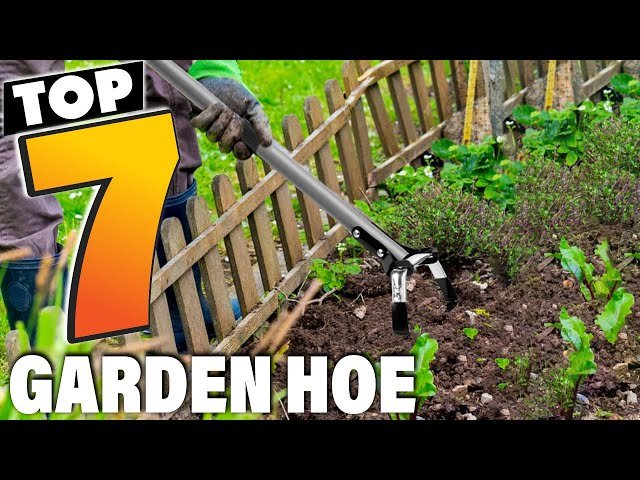
Are weeds taking over your garden and making your plants struggle? You’re not alone.
Weeding can feel like a never-ending chore, but there’s a simple tool that can make your work faster and easier: the garden hoe. When used the right way, a hoe can help you clear weeds quickly without damaging your plants or tiring you out.
You’ll discover step-by-step tips on how to use a garden hoe for weeding efficiently, saving you time and keeping your garden healthy and beautiful. Ready to turn weeding from a hassle into a breeze? Let’s get started!

Credit: www.amazon.com
Choosing The Right Garden Hoe
Using the correct garden hoe helps you weed more efficiently. It reduces effort and protects your plants.
Different hoes suit different soil types and plants. Knowing which hoe to use makes your work easier.
Types Of Garden Hoes
There are many hoes designed for specific tasks. Some have wide blades for large areas. Others have narrow blades for tight spots.
- Draw Hoe:Flat blade for chopping weeds on the surface.
- Dutch Hoe:Sharp blade for slicing weeds just below soil.
- Warren Hoe:Triangle-shaped blade for digging and cutting.
- Collinear Hoe:Long, narrow blade for shallow weeding near plants.
- Hula Hoe:Stirring blade that cuts weeds with a push-pull motion.
Selecting Based On Soil And Plant Types
Choose a hoe that matches your soil texture and the plants you grow. Hard soils need strong blades. Soft soils work well with lighter hoes.
| Soil Type | Best Hoe Type | Reason |
| Clay or Hard Soil | Draw Hoe | Strong blade cuts tough weeds and breaks soil |
| Loose or Sandy Soil | Dutch Hoe | Slices weeds without disturbing soil much |
| Garden Beds with Close Plants | Collinear Hoe | Narrow blade avoids damaging plants |
| Large Open Areas | Hula Hoe | Quick weeding with push-pull motion |
| Mixed Soil | Warren Hoe | Versatile for digging and cutting |

Credit: www.amazon.com
Preparing Your Garden For Weeding
Using a garden hoe works best when your garden is ready. Preparing your garden makes weeding easier and faster.
Start by clearing any debris and moistening the soil. This helps the hoe work better and protects your plants.
Clearing Debris
Remove leaves, sticks, and old plants from your garden. Debris blocks the hoe and slows your work.
Clearing debris lets you see weeds clearly. It also stops debris from getting caught in the hoe blade.
- Pick up large sticks and stones by hand
- Rake leaves and small debris into a pile
- Dispose of debris away from your garden
Moistening The Soil
Water your garden soil before using the hoe. Moist soil is easier to work with than dry, hard soil.
Wet soil helps the hoe cut through roots and lifts weeds out more easily. Avoid soggy soil to prevent damage.
- Water the garden a day before hoeing
- Check the soil; it should be damp but not muddy
- Use a watering can or hose with a spray nozzle
Proper Hoeing Techniques
Using a garden hoe correctly helps remove weeds quickly and protects your plants. Good technique saves your energy and keeps your back safe.
Learn the right way to hold the hoe and how to move it. These tips make weeding easier and more effective.
Correct Grip And Posture
Hold the hoe with both hands for control. One hand should be near the top of the handle and the other a bit lower. Stand straight with your feet shoulder-width apart. Keep your back straight to avoid strain.
- Grip the handle firmly but not too tight
- Keep your elbows slightly bent
- Stand with knees slightly bent
- Face the area you want to weed directly
Effective Hoeing Motions
Use short, controlled strokes just under the soil surface. Avoid digging too deep, as this can harm plant roots and waste energy. Move the hoe in a chopping or sweeping motion to cut weeds at the root.
| Motion Type | Best For | Tip |
| Chopping | Hard soil and tough weeds | Use firm, downward strikes |
| Sweeping | Loose soil and small weeds | Keep blade close to soil surface |
| Pulling | Long weeds | Pull hoe toward you gently |
Targeting Weeds Without Harming Plants
Using a garden hoe can help remove weeds from your garden. It is important to avoid hurting your plants while weeding. Careful hoeing keeps your crops healthy and strong.
Focus on targeting weeds close to your plants. This keeps your garden neat and plants safe.
Identifying Common Weeds
Knowing which plants are weeds helps you remove them quickly. Common weeds grow fast and compete for water and nutrients.
- Dandelions have yellow flowers and jagged leaves.
- Crabgrass spreads low with wide blades.
- Chickweed has small white flowers and grows in clumps.
- Purslane has thick, succulent leaves and red stems.
- Bindweed climbs and has white or pink trumpet flowers.
Look closely at the leaves and flowers to spot weeds. Pull or hoe them before they spread seeds.
Avoiding Crop Damage
Use a hoe gently near your plants to avoid breaking stems or roots. Work the soil around the plants carefully.
- Hold the hoe at a shallow angle to cut weeds just below the surface.
- Work in small sections to control your movements.
- Hoe on dry days to avoid soil compaction.
- Keep the hoe blade sharp for clean cuts.
- Step back often to check your work and avoid plant damage.
By following these tips, you can keep your garden free of weeds and protect your crops.
Timing Your Weeding Sessions
Using a garden hoe is easier and more effective at the right time. Choosing when to weed helps you save effort and keep your garden healthy.
Weeding at the right time prevents weeds from spreading seeds and growing too strong. Let’s look at the best times to use your hoe for weeding.
Best Time Of Day
Early morning or late afternoon are the best times to weed with a hoe. The soil is softer and cooler then, making it easier to remove weeds.
- Weeding in the morning helps you avoid the heat of the day.
- Late afternoon weeding cools the soil and reduces plant stress.
- Avoid midday when the sun is hottest and soil is hard.
- Moist soil holds weeds better for removal with a hoe.
Seasonal Considerations
| Season | Weeding Tip | Why It Helps |
| Spring | Weed regularly after rains | Weeds grow fast in moist soil |
| Summer | Hoe early or late to avoid heat | Soil is dry and hard midday |
| Fall | Remove mature weeds before seeds drop | Stops weed spread next year |
| Winter | Hoe if soil is not frozen | Keeps garden tidy and ready for spring |
Maintaining Your Garden Hoe
Keeping your garden hoe in good shape helps it last longer. Proper care makes weeding easier and more effective.
Regular maintenance prevents rust and damage. It also keeps the hoe sharp and ready for work.
Cleaning After Use
Clean your garden hoe after every use. Removing dirt and plant residue stops rust and decay.
Use water and a brush to scrub off soil. Dry the hoe completely before storing it away.
- Rinse the blade with water
- Scrub with a stiff brush to remove stuck dirt
- Wipe dry with a cloth or let air dry
- Check for any damage or rust spots
Sharpening And Storage Tips
Sharpen the hoe blade to keep it cutting well. A sharp blade makes weeding faster and easier.
Store the hoe in a dry place. Keep it off the ground to avoid moisture and rust.
- Use a file or sharpening stone on the blade edge
- Sharpen at a consistent angle for best results
- Hang the hoe or place it on a rack indoors
- Apply a light coat of oil to the blade to prevent rust
Safety Tips While Hoeing
Using a garden hoe for weeding is simple and effective. Staying safe while hoeing protects you from injury.
Follow safety tips to avoid accidents and keep your body comfortable during work.
Protective Gear
Wear the right protective gear to prevent cuts and skin irritation. Gloves protect your hands from blisters and dirt.
- Wear sturdy gloves to protect your hands
- Use closed-toe shoes to shield your feet
- Wear long sleeves and pants to avoid scratches
- Consider safety glasses to protect eyes from flying debris
Avoiding Strain And Injury
Hoeing can strain your muscles if you use the wrong posture or work too long without breaks.
| Tip | How It Helps |
| Keep your back straight | Reduces lower back pain |
| Use your legs to move | Prevents arm and shoulder strain |
| Take breaks every 20 minutes | Lets muscles rest and recover |
| Use a hoe with a handle length that fits your height | Keeps your posture correct |

Credit: www.amazon.com
Frequently Asked Questions
How Do You Hold A Garden Hoe Correctly?
To hold a garden hoe correctly, grip the handle firmly with both hands. Keep your back straight and use your arms and shoulders to move the hoe. This ensures effective weeding while minimizing strain on your body. Adjust your grip for comfort and control during prolonged use.
What Is The Best Technique For Weeding With A Hoe?
The best technique is to use a push and pull motion. This helps slice through weeds at the root. Ensure your strokes are steady and consistent. Focus on small sections at a time for thorough weeding. This method is efficient and reduces effort.
How Often Should You Hoe Your Garden?
Hoe your garden regularly, ideally every week, to keep weeds at bay. Frequent hoeing prevents weeds from establishing strong roots. Consistent maintenance ensures your plants have access to essential nutrients and water. Regular hoeing promotes a healthier, more productive garden.
Can A Garden Hoe Damage Plants?
Yes, a garden hoe can damage plants if used carelessly. Always be mindful of the blade’s proximity to plant stems. Use gentle, controlled movements to avoid harming your plants. Maintain a safe distance from plant roots and stems to ensure their health.
Conclusion
Using a garden hoe helps keep your garden neat and healthy. Regular weeding stops unwanted plants from taking nutrients. Work slowly and carefully to avoid damaging your flowers. A sharp hoe makes the job easier and faster. Remember to clean your hoe after each use to keep it in good shape.
With practice, you will weed more efficiently every time. Enjoy a beautiful garden free of weeds and full of life. Simple tools, steady hands, and patience—your garden will thank you.