
Do you find yourself constantly battling weeds on your garden pathways? It can feel like a never-ending struggle, especially when those pesky plants keep popping up uninvited.
But what if I told you there’s a simple, effective tool that could make weeding a breeze? Enter the garden hoe, your new best friend in the fight against unwanted growth. In this guide, you’ll discover how to wield this tool like a pro, ensuring your pathways remain pristine and your garden looks its best.
Keep reading to learn how to transform your weeding routine and enjoy a picture-perfect garden path.

Credit: www.reddit.com
Choosing The Right Hoe
Using the right garden hoe makes weeding pathways easier. It helps remove weeds without hurting nearby plants.
Selecting a hoe depends on your pathway size and soil type. The right tool saves time and effort.
Types Of Garden Hoes
Garden hoes come in many shapes and sizes. Each type suits different weeding tasks and soil conditions.
- Draw Hoe: Has a flat blade for chopping weeds.
- Scuffle Hoe: Features a loop blade to cut weeds just below soil.
- Warren Hoe: Has a triangular blade for digging and chopping.
- Collinear Hoe: Thin blade for slicing weeds on hard soil.
- Hoe with a long handle: Good for standing work.
Best Hoe For Pathways
For pathways, choose a hoe that clears weeds without breaking soil. It should fit narrow spaces well.
Scuffle hoes work well on pathways. They cut weeds just below the soil surface and are easy to push or pull.
- Look for a hoe with a narrow blade to fit between plants.
- Choose one with a sharp edge to cut roots cleanly.
- Consider a light hoe for easier handling in tight spots.
Material And Handle Options
Hoe blades are usually steel or aluminum. Steel blades are strong and last longer. Aluminum is lighter but less durable.
Handles can be wood, metal, or fiberglass. Wood handles feel natural and absorb shocks. Metal handles are tough but can be heavy. Fiberglass handles are light and strong.
- Steel blade with wooden handle: classic and durable.
- Aluminum blade with fiberglass handle: light and easy to use.
- Metal blade with metal handle: very strong but heavy.
Preparing The Pathway
Preparing your garden pathway before weeding helps make the work easier. It ensures better results when using a garden hoe.
Good preparation protects plants and keeps the soil healthy. Let’s look at key steps to prepare your pathway.
Clearing Debris
Remove leaves, sticks, and trash from the pathway. Clearing debris lets you see the weeds clearly.
It also prevents your garden hoe from hitting hard objects that can damage it.
- Pick up fallen leaves and twigs by hand.
- Use a broom or blower for small debris.
- Dispose of trash or unwanted material properly.
Assessing Soil Conditions
Check if the soil is dry or wet before weeding. The hoe works best when soil is slightly moist.
Hard or very dry soil can break the hoe blade. Wet soil may stick to the hoe and slow your work.
- Test soil by pressing it with your finger.
- If soil crumbles, it is good for hoeing.
- Water dry soil a day before weeding.
- Wait for wet soil to dry a bit before starting.
Marking Weeding Areas
Mark the sections of the pathway that need weeding. This helps you work in an organized way.
Marking prevents missing spots and saves time. Use simple tools to mark these areas.
- Use garden stakes or small flags to mark areas.
- Draw lines with string or chalk for long pathways.
- Work on one marked section before moving to the next.
Techniques For Effective Weeding
Using a garden hoe helps keep pathways free from weeds. It saves time and effort compared to pulling weeds by hand.
Good hoeing techniques protect your plants and make your work easier. Learn how to use the hoe correctly for best results.
Proper Hoeing Angle
Hold the hoe at a low angle to the soil. This angle cuts weeds just below the surface.
Too steep an angle can dig up soil and harm roots. Keep the blade close to the ground for clean cuts.
Using Short And Long Strokes
Use short strokes for small patches of weeds. This gives you better control and accuracy.
Long strokes work well on larger areas. They remove weeds faster but need more care to avoid soil damage.
- Short strokes: precise, good for tight spaces
- Long strokes: faster, good for open areas
- Mix both to suit different parts of your pathway
Avoiding Damage To Surrounding Plants
Work slowly near plants to avoid hitting their roots or stems. Weeds grow close to plants, so be careful.
Use the tip of the hoe to loosen soil gently around plants. This stops damage and helps keep your garden healthy.
Maintaining Your Garden Hoe
Keeping your garden hoe in good condition helps it last longer. It also makes weeding easier and safer.
Simple care steps like cleaning, sharpening, and proper storage keep your hoe ready for use.
Cleaning After Use
After using your garden hoe, remove dirt and debris. This prevents rust and damage to the blade and handle.
- Use a stiff brush to scrub off soil.
- Rinse the blade with water to remove sticky residue.
- Dry the hoe completely with a cloth to stop rust.
- Apply a light coat of oil to the metal parts.
Sharpening The Blade
A sharp blade cuts weeds easily and saves effort. Sharpen your hoe regularly to keep it effective.
- Secure the hoe in a clamp or hold it firmly.
- Use a metal file or sharpening stone on the blade edge.
- File in one direction, following the blade’s shape.
- Check sharpness carefully to avoid injury.
- Wipe the blade clean and add oil after sharpening.
Storage Tips
| Storage Tip | Reason |
|---|---|
| Hang the hoe on a wall hook | Prevents blade damage and keeps it dry |
| Store in a dry place | Stops rust and wood rotting |
| Keep away from children | Ensures safety |
| Cover blade with a sheath | Protects sharp edge and hands |
Safety Tips While Hoeing
Using a garden hoe can make weeding pathways easier. Safety is important to avoid injuries. Always prepare before you start hoeing.
Wearing the right gear, keeping good posture, and handling the blade carefully help keep you safe. Learn these safety tips now.
Protective Gear
Wear gloves to protect your hands from blisters and cuts. Use sturdy shoes to guard your feet. Long pants and a hat can shield you from sun and dirt.
- Gloves to protect hands
- Closed-toe shoes for foot safety
- Long pants to avoid scratches
- Hat or cap for sun protection
Posture And Ergonomics
Keep your back straight to avoid pain. Bend your knees slightly and use your legs when moving. Hold the hoe close to your body to reduce strain.
| Tip | How to Do It |
| Back | Keep straight, do not hunch |
| Knees | Bend slightly while working |
| Arms | Hold hoe close to body |
| Legs | Use legs to move, not just arms |
Handling Blades Safely
Always carry the hoe with the blade pointing down. Keep the blade sharp but never touch it with bare hands. Store the hoe in a safe place after use.
- Carry with blade facing down
- Do not touch sharp edges
- Keep blade clean and sharp
- Store out of children’s reach

Credit: savvygardening.com
Troubleshooting Common Issues
Using a garden hoe for weeding pathways can be simple. Yet, some problems may slow you down. Knowing how to fix these issues helps keep your garden neat.
This guide covers common troubles like stubborn weeds, hard soil, and soil erosion. Each section gives clear tips to improve your hoeing work.
Dealing With Stubborn Weeds
Stubborn weeds can resist your hoe and keep growing back. You need the right approach to remove them fully.
- Use the hoe to cut weeds just below the surface.
- Pull out thick roots by hand after hoeing.
- Hoe regularly to stop weeds from growing strong.
- Clear debris to expose weed roots for better removal.
- Water the soil lightly before hoeing to soften it.
Hoeing In Hard Soil
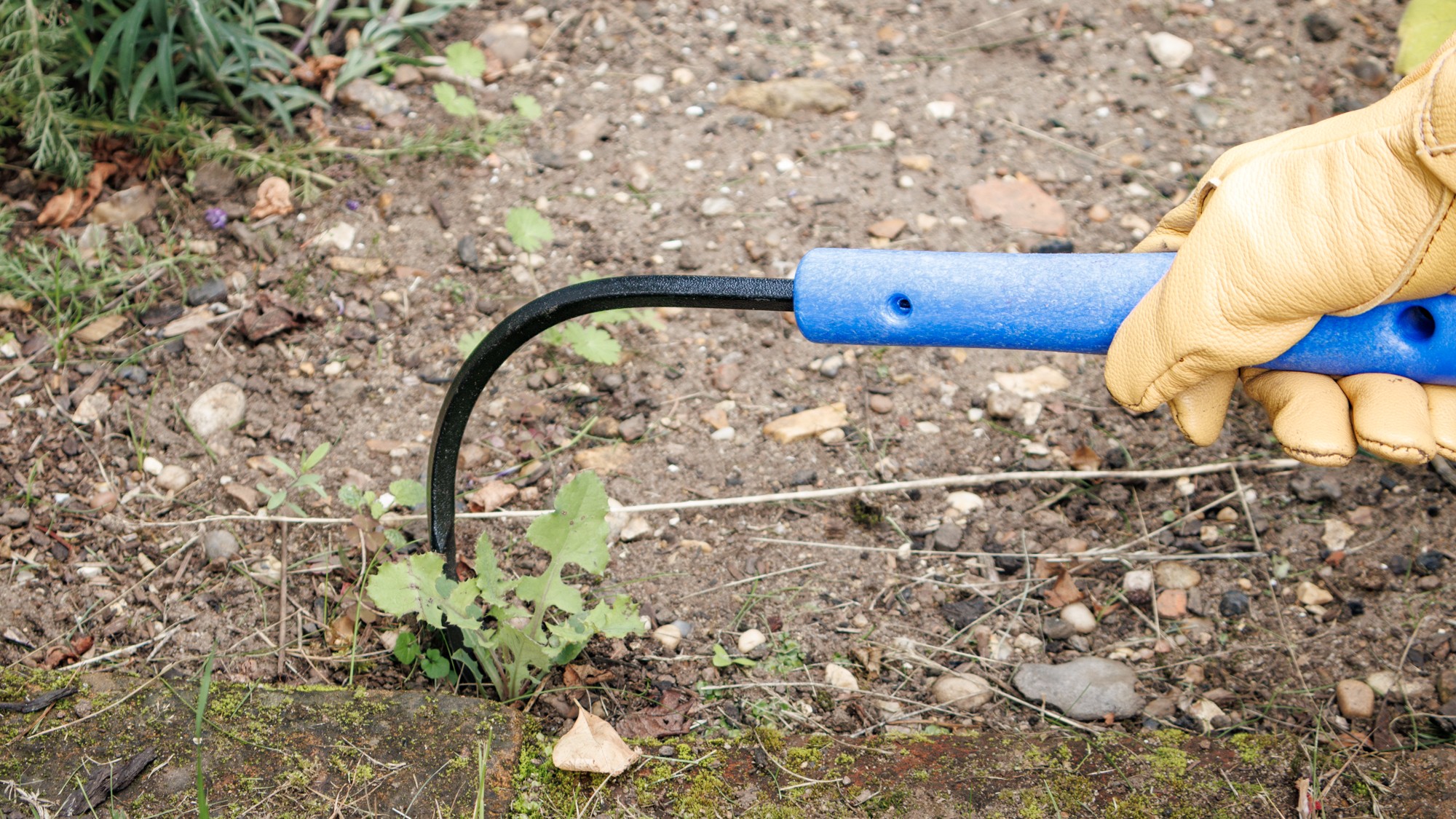
Hard soil makes it tough to use a hoe. It can wear out your tool and tire you quickly. Try these tips to make hoeing easier.
| Tip | Why It Helps |
| Water soil a day before hoeing | Softens soil for easier cutting |
| Use a sharp hoe blade | Reduces effort and damage to tool |
| Work in the morning or evening | Soil is cooler and softer |
| Break soil in small sections | Makes hoeing less tiring |
| Wear gloves and use proper posture | Protects hands and avoids injury |
Preventing Soil Erosion
Hoeing can loosen soil and cause erosion. Protect your pathway soil by following these simple steps.
- Hoe gently near edges to avoid soil loss.
- Leave some plant cover to hold soil in place.
- Add mulch after hoeing to protect soil surface.
- Use shallow cuts instead of deep digging.
- Check slopes and add barriers if needed.
Credit: www.tomsguide.com
Frequently Asked Questions
What Is The Best Garden Hoe For Weeding Pathways?
A sharp, lightweight hoe with a narrow blade works best for pathways. It allows precise weeding without damaging nearby plants. Choose one with a comfortable handle for easy control and less strain during use.
How Do I Use A Garden Hoe Safely For Weeding?
Always wear gloves and sturdy shoes to protect yourself. Use smooth, controlled strokes to avoid injury. Keep your back straight and bend your knees slightly to prevent strain while hoeing pathways.
When Is The Ideal Time To Weed Pathways With A Hoe?
Early morning or late afternoon is best to avoid heat stress. Weeding after rain softens the soil, making it easier to remove weeds with a hoe. Regular weeding prevents weed growth from becoming overwhelming.
Can A Garden Hoe Damage Pathway Plants?
Yes, improper use can harm nearby plants. Use a narrow blade hoe carefully to target only weeds. Maintain a steady hand and avoid aggressive digging close to desired plants.
Conclusion
Using a garden hoe makes weeding pathways easier and faster. It helps keep your garden clean and neat. Regular hoeing stops weeds before they grow big. The tool saves your back and cuts work time. Practice good technique to avoid damaging plants.
Keep the hoe sharp for best results. A tidy pathway improves your garden’s look and feel. Start hoeing today to enjoy a weed-free garden path. Simple steps lead to healthy, beautiful outdoor spaces.
