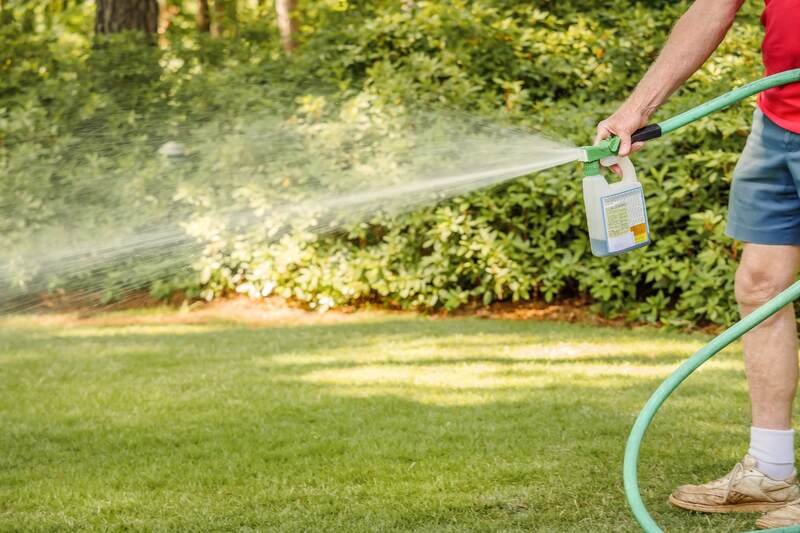
Are you ready to transform your garden into a lush, thriving paradise? Using a garden sprayer for fertilizer could be your secret weapon.
Imagine your plants bursting with life, vibrant and healthy, capturing the admiration of everyone who passes by. But, it doesn’t just happen by chance. You need the right technique and tools, and a garden sprayer is a game changer. By the end of this guide, you’ll know exactly how to use one effectively and efficiently to nourish your plants.
So, if you want to unlock the full potential of your garden, keep reading and discover how a simple sprayer can make all the difference.
Credit: www.ilotchina.com
Choosing The Right Sprayer
Using a garden sprayer helps spread fertilizer evenly. Picking the right sprayer makes your work easier and faster.
There are many sprayer types. Think about your garden size and fertilizer type before buying.
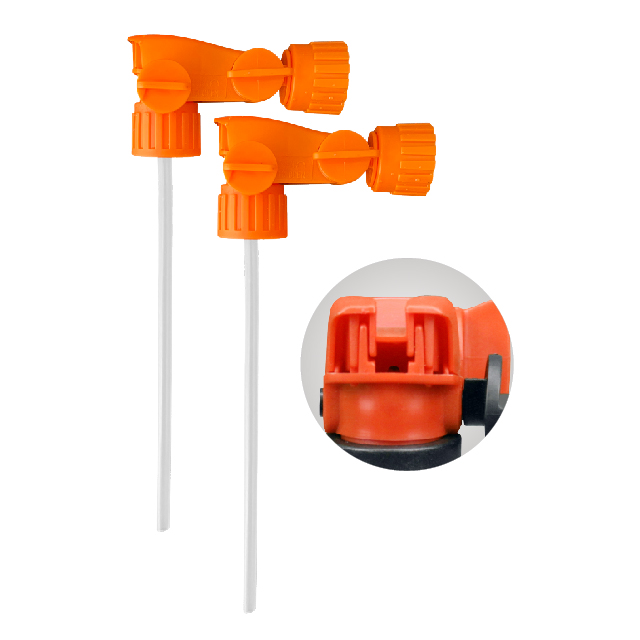
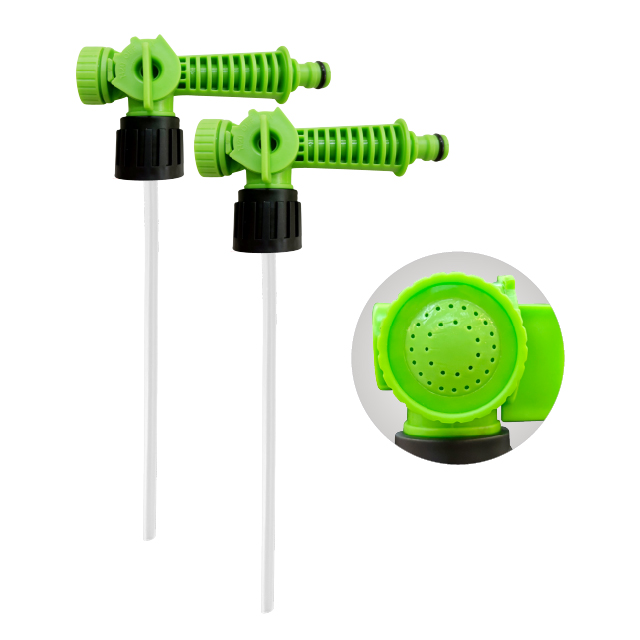
Types Of Garden Sprayers
Garden sprayers come in different styles. Each type fits different garden needs and sizes.
- Handheld Sprayers:Small and easy to use for small gardens.
- Backpack Sprayers:Worn on the back, good for medium to large gardens.
- Push Sprayers:Larger and pushed on wheels for big areas.
Capacity And Size
Choose a sprayer size that fits your garden. Too small means more refills. Too big can be heavy to carry.
Handheld sprayers usually hold 1 to 3 liters. Backpack sprayers hold 10 to 20 liters. Push sprayers hold even more.
- Small capacity for small gardens or spot treatment
- Medium capacity for average garden size
- Large capacity for big gardens or farms
Material And Durability
Sprayers come in plastic or metal. Plastic sprayers are light and rust-resistant. Metal sprayers are stronger but heavier.
Look for sprayers with good seals and sturdy handles. This helps avoid leaks and breaks.
- Plastic sprayers: light and good for most fertilizers
- Metal sprayers: durable and good for tough jobs
- Check seals and hose quality for longer use

Credit: www.amazon.ca
Selecting Fertilizer For Spraying
Using a garden sprayer for fertilizer helps plants get nutrients quickly. Choosing the right fertilizer is important for good results.
The type of fertilizer affects how well it spreads and how plants absorb it. Learn about different fertilizers before spraying.
Liquid Vs. Soluble Fertilizers
Liquid fertilizers are ready to spray and work fast. They mix easily with water and cover leaves well.
Soluble fertilizers are dry powders or crystals. You must dissolve them in water before spraying.
- Liquid fertilizers act quickly and are easy to use.
- Soluble fertilizers are cost-effective but need mixing.
- Both types feed plants through leaves or roots.
Nutrient Requirements For Plants
Different plants need different nutrients to grow well. Know what your plants need before choosing fertilizer.
Common nutrients are nitrogen, phosphorus, and potassium. Some plants may need extra minerals like calcium or magnesium.
- Nitrogen helps leaves grow green and strong.
- Phosphorus supports roots and flowers.
- Potassium improves overall plant health.
- Check plant type to pick the right mix.
Mixing Ratios And Concentrations
Follow fertilizer label instructions for mixing ratios. Too strong fertilizer can harm plants.
Use clean water and measure fertilizer carefully. Mix well to avoid clumps that block sprayer nozzles.
| Fertilizer Type | Water Amount | Concentration |
|---|---|---|
| Liquid | Usually ready to use or dilute 1:10 | Low to medium strength |
| Soluble | Depends on powder instructions | Adjust to plant needs |
Preparing The Sprayer
Using a garden sprayer for fertilizer helps feed your plants evenly. Preparing the sprayer correctly ensures safe and effective application.
This guide covers cleaning and maintenance, filling the tank safely, and calibrating the sprayer for best results.
Cleaning And Maintenance
Clean the sprayer before and after use to avoid clogs and damage. Regular maintenance keeps it working well.
Flush the tank with water and spray it through the nozzle. Check hoses and seals for leaks or cracks.
- Empty leftover fertilizer safely
- Rinse tank and nozzle thoroughly
- Inspect and replace worn parts
- Store sprayer in a dry place
Filling The Tank Safely
Fill the tank in a well-ventilated area to avoid inhaling fumes. Use gloves to protect your skin from chemicals.
Measure fertilizer carefully and add it to the tank with water. Do not overfill to prevent spills.
- Wear protective gloves and eyewear
- Use clean water for mixing
- Follow fertilizer label instructions
- Fill the tank below the maximum level
Calibrating The Sprayer
Calibrate the sprayer to apply the right amount of fertilizer. This prevents wasting product and harming plants.
Test spray on a small area and measure the output. Adjust the nozzle or pressure if needed.
- Mark a test area in your garden
- Spray water over the area for a set time
- Measure how much liquid is used
- Adjust sprayer settings to match fertilizer needs
Applying Fertilizer Effectively
Using a garden sprayer helps spread fertilizer evenly. It makes feeding plants easier and faster.
Proper use prevents plant damage and waste. Follow tips to spray fertilizer the right way.
Best Time For Spraying
Spray fertilizer early in the morning or late afternoon. Avoid spraying in hot midday sun.
Choose calm days to stop wind from blowing spray away. This keeps fertilizer on the plants.
- Morning or late afternoon
- Cooler temperatures
- Low wind conditions
Spraying Techniques
Hold the sprayer nozzle about 12 inches from plants. Move it in steady, even sweeps.
Cover all leaves and soil around plants. Avoid spraying too close or too far for best results.
- Keep nozzle 12 inches from plants
- Use steady, even movements
- Cover leaves and soil evenly
Avoiding Over-application
Read fertilizer instructions carefully. Use the recommended amount for your plant type.
Too much fertilizer can burn plants or waste product. Spray lightly and add more if needed.
- Follow label directions
- Do not spray too much at once
- Apply more only if plants need it
Post-application Care
After applying fertilizer with a garden sprayer, proper care is important. It helps keep your tools in good shape and supports healthy plants.
Following simple steps can extend the life of your sprayer and give your garden the best chance to grow well.
Rinsing The Sprayer
Clean your sprayer right after use to remove any fertilizer residue. This prevents clogging and damage.
- Empty all leftover liquid from the tank.
- Fill the sprayer with clean water and spray until empty.
- Repeat rinsing at least twice for a thorough clean.
- Check nozzles and filters for any blockages.
Storing Equipment Properly
Store your sprayer in a dry and cool place. This stops rust and keeps parts working well.
| Storage Tip | Reason |
| Keep sprayer upright | Prevents leaks and damage |
| Remove batteries if cordless | Extends battery life |
| Cover nozzle caps | Stops dirt and insects |
| Avoid direct sunlight | Protects plastic parts |
Monitoring Plant Response
Watch your plants closely after fertilizing. Look for signs of growth or stress.
- Check leaves for color changes or spots.
- Note new growth or flower development.
- Observe soil moisture and texture.
- Adjust fertilizer use if plants show distress.
Credit: www.ilotchina.com
Safety Tips And Precautions
Using a garden sprayer for fertilizer requires careful attention to safety. Protect yourself and the environment by following simple rules. These tips help you handle chemicals safely and dispose of leftovers properly.
Read all labels and instructions before using any fertilizer. Wear the right gear and keep children and pets away from treated areas.
Personal Protective Gear
Wear protective clothing to avoid contact with fertilizer chemicals. Use gloves, goggles, and a mask to protect your skin, eyes, and lungs. Long sleeves and pants help reduce skin exposure.
- Wear chemical-resistant gloves
- Use safety goggles or glasses
- Put on a dust mask or respirator
- Wear long sleeves and pants
- Use waterproof boots if needed
Handling Chemicals Safely
Mix and apply fertilizer in a well-ventilated area. Avoid breathing in sprays and keep fertilizer away from your face. Use only the amount recommended to prevent harm.
| Safety Step | What to Do |
| Mixing | Use clean water and follow label instructions |
| Applying | Spray downwind to avoid inhaling chemicals |
| Cleaning | Wash sprayer parts outdoors and away from water sources |
| Storage | Store chemicals in original containers, sealed and away from children |
Disposal Of Leftover Fertilizer
Do not pour leftover fertilizer into drains or on the ground. Dispose of it safely to protect water and soil. Follow local guidelines for hazardous waste disposal.
- Use leftover fertilizer on plants if safe
- Seal fertilizer in original containers
- Take unused fertilizer to a hazardous waste site
- Never mix leftover chemicals together
- Clean sprayer equipment properly after use
Frequently Asked Questions
How Do I Prepare A Garden Sprayer For Fertilizer?
First, clean the sprayer thoroughly to avoid contamination. Then, mix the fertilizer according to package instructions. Pour the mixture into the sprayer tank carefully. Ensure the sprayer is sealed tightly before use to prevent leaks.
What Safety Precautions Should I Follow When Using A Sprayer?
Wear protective gloves, goggles, and a mask to avoid contact with chemicals. Work in a well-ventilated area and keep children and pets away. Always read the fertilizer label for specific safety guidelines before spraying.
How Often Should I Apply Fertilizer Using A Garden Sprayer?
Apply fertilizer every 4 to 6 weeks during the growing season. Follow the fertilizer label recommendations to avoid overfeeding plants. Regular applications promote healthy growth and vibrant blooms.
Can I Use Any Fertilizer With A Garden Sprayer?
Not all fertilizers are suitable for sprayers. Use liquid or water-soluble fertilizers designed for spraying. Avoid thick or granular fertilizers to prevent clogging and damage to the sprayer.
Conclusion
Using a garden sprayer for fertilizer makes feeding plants easier. It helps spread nutrients evenly and saves time. Always clean the sprayer after use to keep it working well. Wear gloves and protect your skin during spraying. Follow the instructions on fertilizer packaging for best results.
With practice, you will spray like a pro. Healthy plants grow better and look great. A good sprayer is a helpful tool for any gardener. Keep your garden green and strong this season.