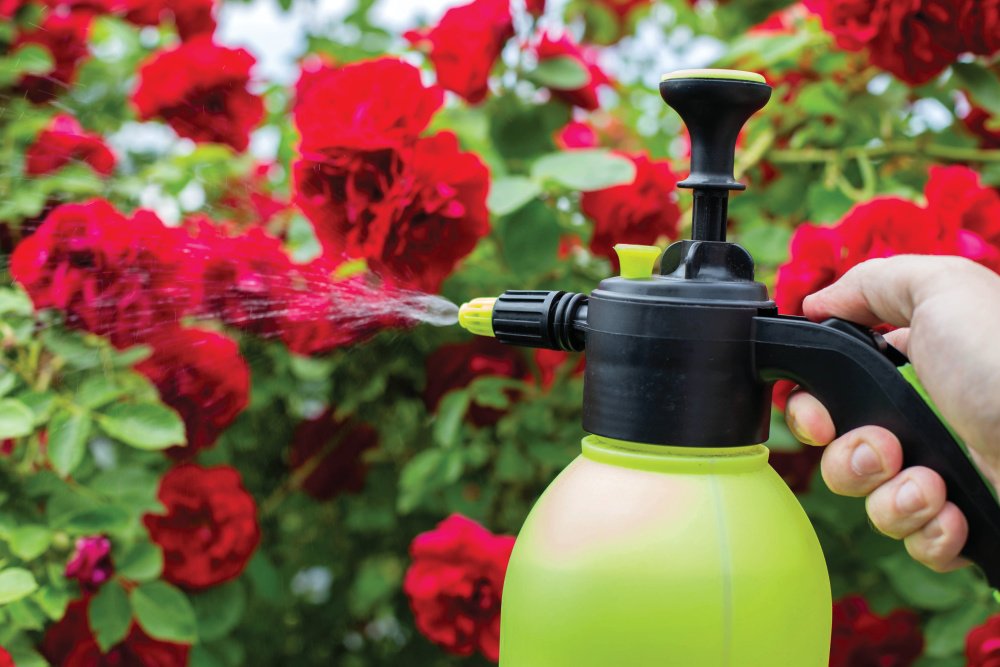
Are you struggling to keep your garden free from pests without damaging your plants? Using a garden sprayer for pesticides can make this job easier, faster, and more effective.
But if you’re unsure how to use it correctly, you might waste product or harm your garden unintentionally. In this guide, you’ll discover simple, step-by-step tips to help you apply pesticides safely and efficiently. By the time you finish reading, you’ll feel confident handling your garden sprayer like a pro and protecting your plants the right way.
Let’s get started!
Choosing The Right Garden Sprayer
Using a garden sprayer helps apply pesticides evenly and safely. Picking the right sprayer makes your work easier.
This guide explains key points to consider before buying a garden sprayer.
Types Of Sprayers
There are three main types of garden sprayers: hand pump, backpack, and hose-end. Each type suits different garden sizes and tasks.
- Hand pump sprayers are small and light for easy use in small gardens.
- Backpack sprayers hold more liquid and are good for medium to large areas.
- Hose-end sprayers attach to your garden hose for quick spraying on large lawns.
Capacity And Material
Choose a sprayer with the right size and strong material. Capacity affects how much you can spray before refilling.
| Capacity | Best Use | Material |
| 1-2 liters | Small gardens or spot treatment | Plastic |
| 4-6 liters | Medium gardens or shrubs | Plastic or metal |
| 10+ liters | Large gardens or farms | Metal or heavy-duty plastic |
Nozzle Options
Nozzles control how the pesticide sprays out. Different nozzles give different spray patterns and droplet sizes.
- Fan nozzles spread spray in a wide, flat pattern.
- Cone nozzles create a circular spray for better coverage.
- Adjustable nozzles let you change the spray pattern as needed.
- Choose nozzles that match the pesticide and the plants you treat.
Preparing Pesticide Solutions
Using a garden sprayer correctly starts with preparing the pesticide solution safely. The right mix helps protect your plants and keeps you safe.
Always follow instructions to avoid mistakes and damage to your garden or health.
Reading Labels Carefully
Read the pesticide label before using it. The label tells you how to mix and use the product safely.
Look for information about the correct amount, safety gear, and warnings.
- Check the active ingredients
- Note the mixing instructions
- Follow safety precautions
- Observe storage and disposal rules
Mixing Pesticides Safely
Mix pesticides outdoors or in a well-ventilated area to avoid inhaling fumes. Wear gloves, goggles, and a mask for protection.
Use clean water and tools. Never mix different pesticides unless the label says it is safe.
- Put water in the sprayer first
- Add pesticide slowly while stirring
- Mix only the amount you need
- Clean tools after use
Measuring Correctly
Use measuring cups or spoons that show clear units. Precise measurement ensures the pesticide works well and is safe.
Do not guess or eyeball the amounts. Follow the label’s recommended rates exactly.
- Use separate tools for pesticides only
- Check the measurement twice before adding
- Measure liquids at eye level
- Record the amounts if needed
Setting Up The Sprayer
Using a garden sprayer for pesticides needs careful setup. Proper setup helps you spray evenly and safely. This guide covers filling, adjusting, and checking your sprayer.
Take your time with each step to avoid mistakes. A good setup means better pest control and less waste.
Filling The Tank
Start by filling the sprayer tank with the right pesticide mix. Always read the label for correct dilution rates.
- Wear gloves and protective gear.
- Measure the pesticide accurately.
- Add water first, then pesticide.
- Close the tank securely after filling.
- Mix the contents by shaking or stirring gently.
Adjusting The Nozzle
Adjust the nozzle to control spray pattern and droplet size. Different plants and pests need different spray types.
| Nozzle Setting | Spray Pattern | Use For |
| Wide spray | Fine mist | Broad coverage on leaves |
| Medium spray | Medium droplets | General pest control |
| Narrow spray | Coarse droplets | Targeted spraying on pests |
Checking For Leaks
Leaks waste chemicals and can harm you or plants. Check all seals and connections before use.
- Fill the tank with water only for a test run.
- Pressurize the sprayer and watch for drips.
- Inspect the hose, nozzle, and tank lid carefully.
- Tighten or replace parts if you find leaks.
- Never use a damaged sprayer.

Credit: www.amazon.com
Effective Spraying Techniques
Using a garden sprayer for pesticides helps protect plants from pests. Proper spraying keeps your garden healthy.
Good techniques make sure pesticides work well and reduce waste.
Timing And Weather Conditions
Spray pesticides when pests are active but plants are dry. Early morning or late afternoon is best.
Avoid spraying on windy or rainy days. Wind spreads spray unevenly. Rain washes it away.
- Choose calm, dry days
- Spray before pests damage plants
- Check weather forecast before spraying
Spraying Patterns
Use steady, even movements to cover plants well. Move the sprayer side to side.
Keep the nozzle close to plants but avoid touching leaves. This reduces waste and drift.
- Spray at a consistent speed
- Overlap spray areas slightly
- Keep nozzle 12-18 inches from plants
Coverage Tips
Make sure to cover all plant parts, including undersides of leaves. Pests hide in these spots.
Do not spray too much. Over-spraying wastes chemicals and can harm plants.
- Spray leaves top and bottom
- Check for missed spots after spraying
- Use the correct spray pressure
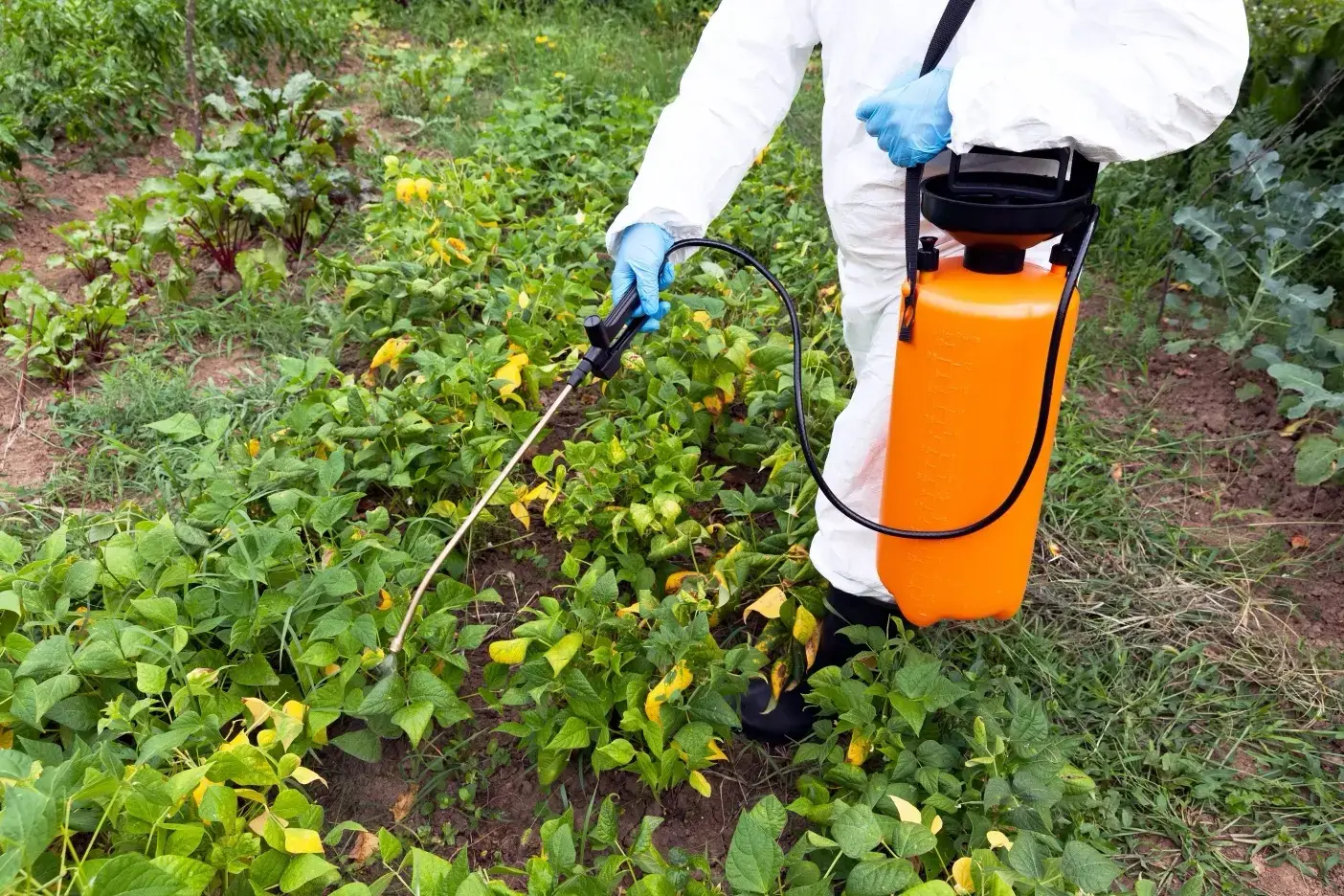
Safety Precautions
Using a garden sprayer for pesticides can protect your plants from pests. It is important to follow safety rules to avoid harm.
Taking safety steps helps keep you, your family, and the environment safe from chemicals.
Protective Gear To Wear
Wear the right protective gear to stop pesticides from touching your skin or getting in your eyes.
Protective gear includes clothes and equipment that cover your body and face.
- Long-sleeved shirts and long pants
- Waterproof gloves
- Safety goggles or glasses
- Respirator or face mask
- Closed-toe shoes or boots
Avoiding Drift And Contamination
Drift happens when pesticide spray moves to places you don’t want it. This can harm people, pets, and plants.
To avoid drift, spray on calm days and keep the spray close to the plants.
- Check wind speed before spraying; avoid windy days
- Spray early in the morning or late in the evening
- Use low pressure and large spray droplets
- Do not spray near water sources or edible plants
- Clean tools and containers after use
Handling Spills
If pesticide spills, act quickly to stop the spread. Clean it safely to protect people and the environment.
Use absorbent materials and wear protective gear while cleaning spills.
- Wear gloves, goggles, and mask before cleaning
- Use sand, soil, or kitty litter to soak up liquid spills
- Put soaked material in a sealed container for disposal
- Wash the spill area with water and soap if safe
- Do not pour spilled pesticides into drains or water
Credit: brewerint.com
Cleaning And Maintenance
Keeping your garden sprayer clean helps it work well for a long time. Proper maintenance stops clogs and damage.
Regular cleaning and care also protect you and the plants from harmful chemicals leftover in the sprayer.
Rinsing The Sprayer
After using pesticides, rinse the sprayer thoroughly. This removes all chemical residues from the tank and hose.
- Empty any leftover pesticide safely.
- Fill the tank with clean water.
- Spray the water through the nozzle to clean the hose.
- Repeat the rinsing process at least twice.
- Open the tank and rinse it with fresh water.
Storing Properly
Store the sprayer in a dry, cool place away from sunlight. This prevents damage to plastic and rubber parts.
| Storage Tip | Reason |
| Keep tank empty and dry | Prevents mold and corrosion |
| Store upright | Stops leaks and damage |
| Cover or close tightly | Keeps dirt and insects out |
| Avoid extreme temperatures | Protects seals and hoses |
Regular Inspection
Check your sprayer often for any damage or wear. This helps avoid leaks and poor spraying performance.
- Look for cracks in the tank or hose.
- Test the nozzle for even spray patterns.
- Check seals and gaskets for tightness.
- Replace worn or broken parts immediately.
- Lubricate moving parts if needed.
Troubleshooting Common Issues
Using a garden sprayer for pesticides can sometimes cause problems. These issues make spraying less effective and frustrating.
Knowing how to fix common problems helps you save time and get better results in your garden.
Nozzle Clogs
Nozzle clogs happen when dirt or pesticide residue blocks the sprayer tip. This stops the spray from coming out properly.
To fix a clog, first turn off the sprayer and release pressure. Remove the nozzle and soak it in warm water to loosen debris.
- Use a soft brush or toothpick to clear the nozzle hole
- Rinse the nozzle with clean water
- Check the filter for dirt and clean it regularly
Uneven Spray
Uneven spray happens when the pesticide does not spread evenly. Some areas get too much, others too little.
This problem often comes from a dirty nozzle or low pressure. Make sure the nozzle is clean and the sprayer is working well.
- Check and clean the nozzle regularly
- Keep the sprayer tank level to maintain steady flow
- Spray at a steady pace and height above plants
Pressure Problems
Pressure problems can cause weak spray or no spray at all. Low pressure makes the pesticide drip instead of spray.
Check the pump and seals for leaks or damage. Make sure the sprayer is fully pressurized before use.
- Inspect pump seals and replace if worn out
- Do not overfill the tank; leave space for air pressure
- Use the pump handle smoothly to build pressure

Credit: www.amazon.com
Frequently Asked Questions
How Do I Choose The Right Garden Sprayer?
Selecting the right garden sprayer depends on your garden size and needs. For small gardens, a handheld sprayer is sufficient. For larger areas, consider a backpack or wheeled sprayer for efficiency. Ensure the sprayer is compatible with the pesticide type you’re using.
What Safety Precautions Should I Take?
Always wear protective gear, including gloves and goggles, when using pesticides. Avoid spraying on windy days to prevent drift. Ensure the sprayer is in good condition and follow the manufacturer’s instructions. Keep children and pets away from the treated area until it’s safe.
How Do I Mix Pesticides Correctly?
Always read the pesticide label for specific mixing instructions. Use the recommended amount of water and pesticide. Fill the sprayer halfway with water, add the pesticide, then fill with water to the desired level. Mix thoroughly to ensure an even distribution.
How Often Should I Clean My Garden Sprayer?
Clean your garden sprayer after each use to prevent clogs and contamination. Rinse thoroughly with water and a mild detergent. Ensure all residue is removed. Regular maintenance extends the sprayer’s lifespan and ensures effective pesticide application.
Conclusion
Using a garden sprayer correctly helps protect your plants from pests. Always follow safety steps to avoid harm. Clean the sprayer after each use to keep it working well. Spray on calm days to prevent chemicals from drifting. Regular care keeps your garden healthy and thriving.
Start with small amounts and watch your plants closely. This simple tool makes pest control easier and safer. Keep practicing to improve your spraying skills. Your garden will thank you for the effort.