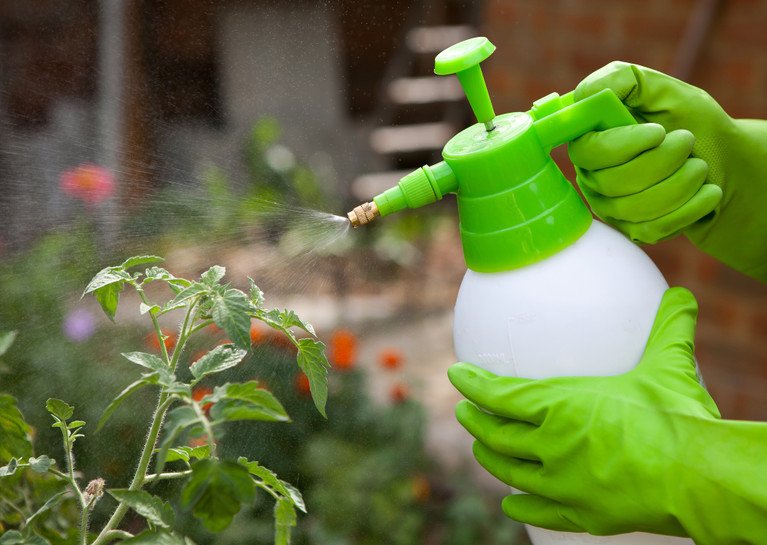
Are you tired of battling stubborn weeds or watching your plants struggle against pests? A garden sprayer might just be the tool you need to turn your gardening woes into wins.
But wait—before you start spraying, it’s crucial to know how to use this tool properly. Using a garden sprayer effectively can make all the difference between a lush, thriving garden and one that falls short of your expectations. You’ll discover simple yet powerful techniques to master your garden sprayer.
Imagine having a garden that’s the envy of your neighbors, flourishing with health and vitality. Ready to unlock the secrets of using a garden sprayer properly? Let’s dive in and transform your gardening experience!
Choosing The Right Sprayer
Using a garden sprayer makes watering and applying chemicals easier. Picking the right sprayer helps you work better and save time.
There are many types of sprayers. Think about your garden size and what you want to spray before buying.
Types Of Garden Sprayers
Different sprayers fit different jobs. Some are good for small plants, others for big areas.
- Handheld sprayers: Small and easy to carry. Best for small gardens.
- Pump sprayers: Use a pump to build pressure. Good for medium gardens.
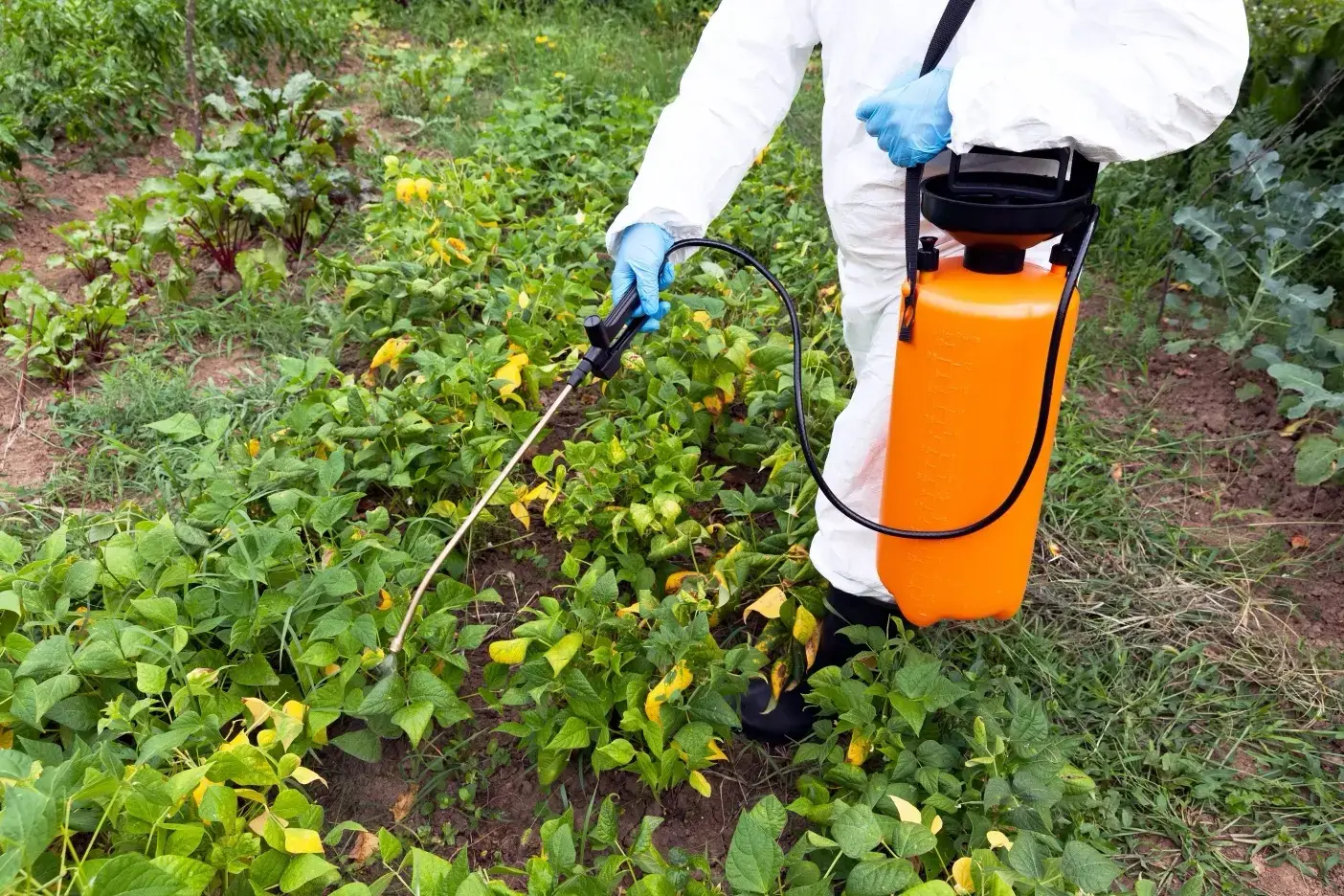
- Backpack sprayers: Worn on your back. Ideal for large gardens or lawns.
- Compression sprayers: Pressurize by pumping air. Good for even spraying.
Factors To Consider
Think about the size of your garden and the type of spraying you need. This helps find the best sprayer.
Check how much liquid the sprayer can hold. Also, look at how easy it is to use and clean.
- Garden size: Bigger gardens need larger sprayers.
- Spray type: Fine mist or strong stream? Choose based on plants.
- Ease of use: Lightweight and simple controls help.
- Cleaning: Easy to clean sprayers last longer.
Sprayer Materials And Durability
Sprayers come in different materials. Good materials last longer and resist damage.
Look for sprayers made with sturdy plastic or metal parts. Check the seals to avoid leaks.
- Plastic: Lightweight and rust-proof but can crack.
- Metal: Strong and lasts long, but may rust if not cared for.
- Rubber seals: Keep liquids from leaking.

Credit: www.buyspraymate.com
Preparing The Sprayer
Using a garden sprayer safely starts with good preparation. Clean and check the sprayer before use.
Proper preparation helps protect your plants and keeps the sprayer working well.
Cleaning Before Use
Always clean the sprayer before adding new chemicals. Old residues can cause blockages or damage plants.
Rinse the tank, hose, and nozzle with clean water. Remove any dirt or leftover spray.
- Empty the sprayer tank completely.
- Fill with clean water and shake well.
- Spray some water through the nozzle to clear it.
- Repeat if needed until water runs clear.
Mixing Chemicals Safely
Mix chemicals outdoors or in a well-ventilated area. Wear gloves and eye protection for safety.
Follow the instructions on the chemical label. Use the right amount of each product.
- Use a clean container for mixing.
- Measure chemicals carefully with a proper tool.
- Add chemicals to water, not water to chemicals.
- Stir the mixture gently to blend.
Filling The Tank Correctly
Fill the sprayer tank slowly to avoid spills. Use clean water to dilute chemicals.
Do not overfill the tank. Leave space for pressure buildup when pumping.
- Check the tank for any cracks or damage.
- Fill the tank halfway with clean water.
- Add the mixed chemicals carefully.
- Fill the rest of the tank with water to the fill line.
- Close the tank securely before use.
Adjusting The Spray Settings
Using a garden sprayer correctly helps protect plants and save chemicals. Adjusting the spray settings is key to getting good results.
Spray settings affect how much liquid comes out and how it spreads. Knowing how to set them improves coverage and reduces waste.
Nozzle Types And Their Uses
Nozzles control the shape and size of the spray. Different nozzles work best for different tasks in the garden.
Choosing the right nozzle helps apply chemicals safely and evenly. Some nozzles give a fine mist, others a strong stream.
- Fan Nozzle:Spreads liquid widely for even coverage on leaves.
- Cone Nozzle:Creates a circular spray good for spot treatments.
- Stream Nozzle:Shoots a strong line of liquid for hard-to-reach spots.
- Mist Nozzle:Produces a fine spray for delicate plants.
Pressure Control Tips
Pressure affects how far and fast the spray travels. Too much pressure wastes liquid and causes drift.
Keep pressure steady for smooth spraying. Use the pressure gauge if your sprayer has one.
- Start with low pressure and increase if needed.
- Check for leaks before spraying.
- Release pressure after use to avoid damage.
- Adjust pressure to match nozzle type and plant size.
Achieving Even Coverage
Even coverage means every part of the plant gets sprayed without waste. Move the sprayer steadily for best results.
Overlap each pass slightly to avoid missed spots. Keep the nozzle the same distance from plants during spraying.
- Walk at a steady pace while spraying.
- Hold the nozzle 12 to 18 inches from plants.
- Overlap spray paths by about 30%.
- Avoid spraying on windy days to reduce drift.
Applying The Spray
Using a garden sprayer correctly helps protect your plants. Proper application ensures the spray works well and avoids damage.
Learn the best times to spray, techniques for different plants, and how to avoid waste and drift.
Best Times To Spray
Spraying at the right time improves effectiveness. Early morning or late afternoon are ideal to avoid heat and wind.
- Spray when temperatures are below 85°F (29°C)
- Avoid spraying during windy days
- Do not spray if rain is expected within 24 hours
- Choose calm and dry weather to reduce drift
- Apply sprays before pests or diseases appear
Spraying Techniques For Different Plants
Different plants need specific spraying methods. Adjust your technique to protect plant health and get full coverage.
| Plant Type | Spray Method | Tips |
| Flowering plants | Light mist | Avoid wetting flowers to protect pollen |
| Fruiting plants | Full coverage | Spray leaves and fruit evenly |
| Leafy vegetables | Fine spray | Cover both top and bottom of leaves |
| Trees and shrubs | Coarse spray | Focus on new growth and branches |
Avoiding Drift And Waste
Drift causes chemicals to move away from plants. Waste means using more spray than needed. Both harm your garden and environment.
- Spray on calm days with little wind
- Hold the nozzle close to plants
- Use the correct nozzle size for the spray type
- Do not spray near water sources
- Clean the sprayer after each use to prevent clogging
Safety Precautions
Using a garden sprayer needs care and attention. Safety keeps you and others safe.
Follow the right steps when handling chemicals and equipment. This helps avoid accidents.
Protective Gear Essentials
Wear the right gear before spraying. It protects your skin, eyes, and lungs from harm.
Use gloves, goggles, and a mask. Long sleeves and pants add extra protection.
- Wear chemical-resistant gloves
- Use safety goggles to protect eyes
- Put on a face mask to avoid inhaling sprays
- Wear long sleeves and pants
- Choose sturdy shoes or boots
Handling Chemicals Responsibly
Read the instructions on the chemical label before use. Follow all safety rules carefully.
Mix chemicals in a well-ventilated area. Use the right amount to avoid overuse or harm.
- Check the label for directions and warnings
- Measure chemicals precisely
- Never mix different chemicals together
- Keep chemicals away from children and pets
- Store chemicals in a cool, dry place
Dealing With Spills And Accidents
Be ready for spills or accidents by having cleanup tools nearby. Act quickly to reduce harm.
If a spill happens, clean it up safely. Dispose of waste according to local rules.
- Keep absorbent materials like sand or kitty litter ready
- Wear protective gear during cleanup
- Avoid touching spilled chemicals directly
- Wash skin immediately if it touches chemicals
- Report serious accidents to emergency services

Credit: www.youtube.com
Maintaining The Sprayer
Keeping your garden sprayer in good shape helps it work well. Proper care extends its life and saves money.
Regular maintenance stops problems before they start. Follow simple steps after each use to keep it ready.
Cleaning After Use
Cleaning the sprayer after every use removes chemicals and dirt. This prevents clogging and damage.
Empty the tank and rinse it with clean water. Spray the water through the nozzle to clear the hose.
- Wear gloves to protect your skin
- Use warm water for better cleaning
- Check the nozzle and filter for debris
- Wipe the outside with a damp cloth
Storage Tips
Store the sprayer in a dry place away from sunlight. This stops parts from wearing out quickly.
Keep the sprayer empty and clean before storing. Remove the battery if it is battery-powered to avoid damage.
- Store indoors in a cool, dry area
- Keep away from freezing temperatures
- Hang or place on a shelf to avoid damage
- Cover the sprayer to keep dust off
Troubleshooting Common Issues
Sprayers may have problems like low pressure or leaks. Knowing how to fix these saves time and effort.
Check the nozzle, hose, and seals for damage. Clean or replace parts as needed to keep the sprayer working.
- Low spray pressure: Clean or unclog the nozzle
- Leaks: Tighten or replace seals and connections
- Hose damage: Replace cracked or broken hoses
- Pump issues: Lubricate or repair the pump
Credit: brewerint.com
Frequently Asked Questions
How Do I Prepare A Garden Sprayer For Use?
First, check the sprayer for damage. Fill it with the correct mixture of water and pesticide or fertilizer. Secure the lid tightly. Test the spray on a small area to ensure even distribution and proper pressure before full use.
What Safety Precautions Should I Take When Using A Garden Sprayer?
Wear protective clothing, gloves, and goggles. Avoid spraying on windy days to prevent drift. Keep children and pets away. Always read and follow the product label instructions for safe handling and application.
How Do I Clean A Garden Sprayer After Use?
Empty the sprayer completely. Rinse the tank with clean water several times. Spray clean water through the nozzle to clear any residue. Remove and clean the nozzle and filters. Store the sprayer in a dry, cool place.
Can I Use A Garden Sprayer For Different Chemicals?
Yes, but clean the sprayer thoroughly between uses. Some chemicals can react or contaminate each other. Use separate sprayers for herbicides and fertilizers if possible to avoid cross-contamination.
Conclusion
Using a garden sprayer correctly keeps your plants healthy and safe. Always follow the instructions on your sprayer and chemicals. Wear protective gear to avoid skin contact with sprays. Clean the sprayer after each use to prevent clogs. Spray on calm days to reduce drift and waste.
Regular care of your sprayer helps it last longer. Small efforts make your garden grow strong and green. Keep practicing, and you will see better results every time. Gardening can be simple and rewarding with the right tools.