If you love gardening, you know how important the right tools are. A garden trowel is one of the most useful tools you can have, but are you using it the best way?
Knowing how to use a garden trowel effectively can save you time, protect your plants, and make your gardening tasks easier and more enjoyable. You’ll discover simple tips and tricks that will help you get the most out of your trowel every time you step into your garden.
Keep reading, and watch your gardening skills grow!

Credit: thegardencrafter.com
Choosing The Right Trowel
A garden trowel is a small tool used for digging, planting, and weeding. Picking the right trowel helps you work better in your garden.
You should consider the type, material, size, and handle comfort before buying a trowel. These factors affect how easy and effective your gardening will be.
Types Of Garden Trowels
There are several types of garden trowels. Each type fits different gardening tasks. Knowing the types helps you choose one that suits your needs.
- Standard Trowel: Good for digging small holes and planting.
- Transplanting Trowel: Has a narrow blade for moving plants carefully.
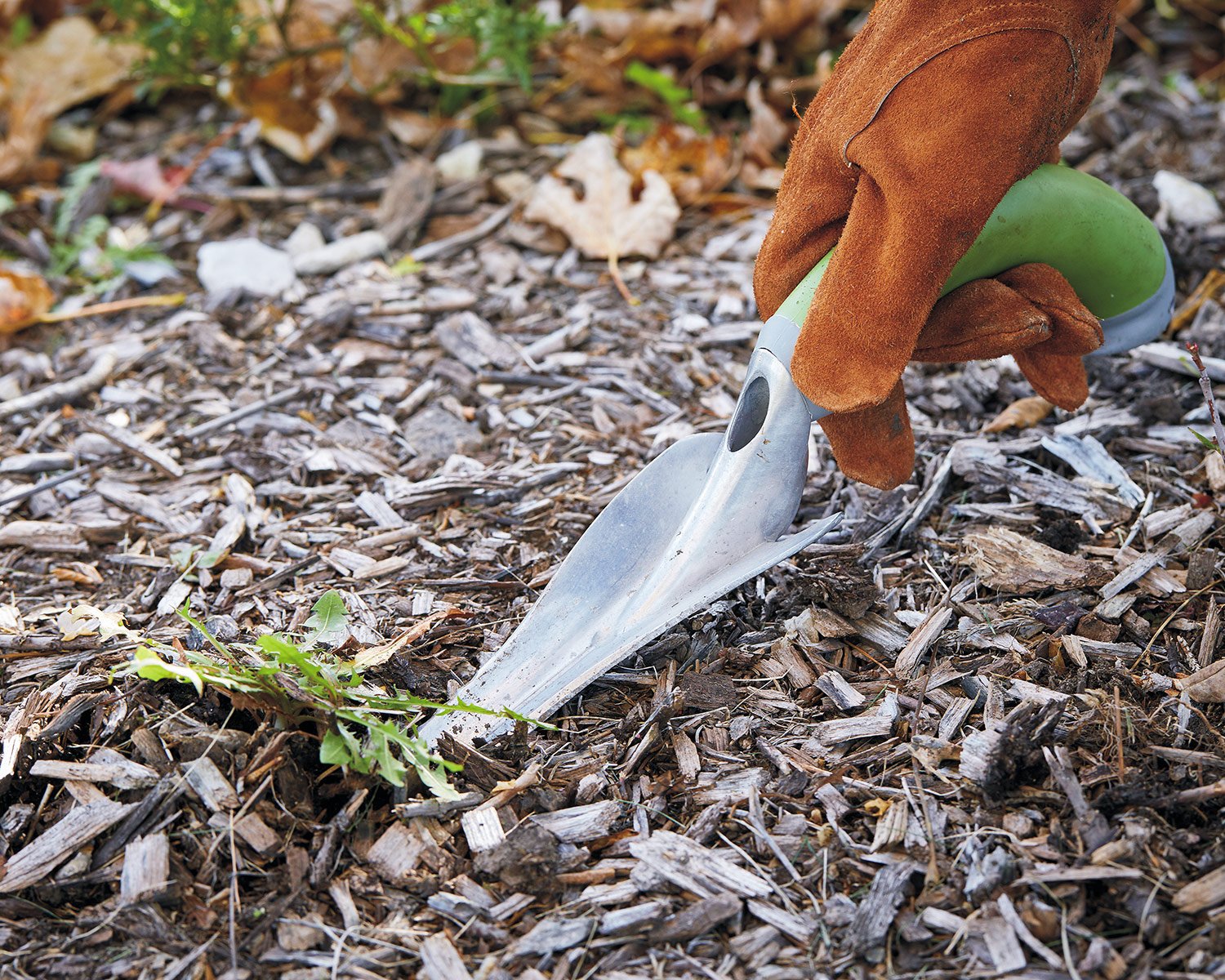
- Weeding Trowel: Features a pointed tip to remove weeds easily.
- Digging Trowel: Wider and stronger for tougher soil.
Materials And Durability
Trowels come in different materials. The material affects the tool’s strength and how long it lasts.
Steel trowels are strong and last long. Aluminum trowels are lighter but may bend. Plastic trowels are good for light tasks but can break easily.
- Stainless Steel: Rust-resistant and very durable.
- Carbon Steel: Very strong but may rust without care.
- Aluminum: Lightweight but less durable.
- Plastic: Best for light gardening and kids.
Size And Handle Comfort
Choose a trowel size that feels right in your hand. A comfortable handle helps reduce hand strain during work.
Look for handles with soft grips or ergonomic shapes. The trowel should not be too heavy or too big for you to use easily.
- Small Trowels: Good for detailed work and small hands.
- Medium Trowels: Fit most tasks and hand sizes.
- Large Trowels: Best for bigger tasks but may tire your hand.
- Ergonomic Handles: Reduce hand fatigue and improve grip.
Preparing For Use
Using a garden trowel properly starts with good preparation. Taking care before you dig helps your work go smoothly.
Keep your trowel clean and sharp, follow safety rules, and choose the best soil for your plants.
Cleaning And Sharpening
Clean your garden trowel after each use to avoid rust and soil build-up. Use water and a brush to remove dirt. Dry it well before storing.
Sharpen the blade regularly to make digging easier. Use a sharpening stone or file. Sharpen both sides evenly to keep the blade balanced.
Safety Precautions
- Wear gloves to protect your hands from cuts and blisters.
- Check the handle for cracks before use to avoid accidents.
- Keep the blade pointed away from your body while digging.
- Store the trowel in a safe place when not in use.
Selecting The Right Soil
| Soil Type | Use |
| Loamy Soil | Good for most plants; easy to dig |
| Sandy Soil | Drains well but needs nutrients |
| Clay Soil | Holds water but can be hard to dig |
| Peaty Soil | Rich in organic matter; keeps moisture |
Techniques For Effective Digging
Using a garden trowel correctly helps you dig better and work faster. The right technique reduces effort and protects your hands and back.
This guide covers grip, posture, and how to dig small holes and loosen hard soil. Follow these tips for easier gardening.
Proper Grip And Posture
Hold the trowel handle firmly but not too tight. Use your dominant hand to control the blade. Keep your wrist straight to avoid strain.
- Stand with feet shoulder-width apart for balance
- Bend your knees slightly, not your back
- Keep your back straight while digging
- Use your arm strength, not just your wrist
Digging Small Holes
Small holes are useful for planting seeds or seedlings. Use the trowel’s pointed tip to break the soil surface.
- Press the trowel tip into the soil firmly
- Rock the trowel back and forth to loosen dirt
- Pull the loosened soil out to create the hole
- Adjust hole size as needed for the plant
Loosening Compact Soil
Compact soil blocks roots and water. Use the trowel to break it up before planting.
| Tip | How to Do It |
|---|---|
| Insert Trowel Deep | Push blade deep into compact soil |
| Use Lever Action | Lift soil by levering the handle upward |
| Break Clumps | Use the edge to chop large dirt clumps |
| Turn Soil | Flip loosened soil to expose fresh surface |
Credit: www.gardeningknowhow.com
Planting And Transplanting Tips
Using a garden trowel properly helps plants grow strong. It makes planting and moving plants easier.
Learn simple ways to dig holes, handle seedlings, and fill soil for healthy plants.
Creating Planting Holes
Use the trowel to dig holes that match the plant’s root size. The hole should be wide and deep enough.
Dig gently to avoid damaging nearby roots or soil structure.
- Clear debris from the hole
- Make the hole twice as wide as the root ball
- Keep the hole depth same as the root ball height
Handling Seedlings Carefully
Lift seedlings by their leaves or root ball, not the stem. This protects the plant from damage.
Use the trowel to gently loosen soil around roots before moving seedlings.
- Hold seedlings firmly but gently
- Keep roots moist during transplant
- Place seedlings straight into the hole
Backfilling And Firming Soil
After placing the plant, fill the hole with soil using the trowel. Fill slowly to avoid air pockets.
Press the soil gently around the plant to hold it upright and support the roots.
- Fill soil halfway, then water lightly
- Finish filling soil and press firmly
- Avoid packing soil too hard
Maintenance And Storage
Using a garden trowel properly extends its life and keeps it working well. Taking care after each use saves money and effort later.
This guide covers cleaning, preventing rust, and storing your trowel safely. Follow these tips to keep your tool in top shape.
Cleaning After Use
Clean your trowel right after gardening. Dirt and debris can damage the metal and handle if left on. Use water and a brush to remove soil.
- Rinse the blade with water to remove dirt.
- Use a stiff brush for stubborn soil.
- Dry the trowel completely with a cloth.
- Check for any plant residue and remove it.
Preventing Rust
Rust weakens your trowel and makes it harder to use. Keep rust away by drying and oiling the metal parts after cleaning.
| Method | Details |
| Drying | Wipe the blade dry immediately after washing. |
| Oiling | Apply a light coat of vegetable or machine oil on metal parts. |
| Storage | Keep in a dry place to avoid moisture build-up. |
| Inspection | Check often for small rust spots and clean them off. |
Storing Safely
Proper storage keeps your trowel safe from damage and rust. Store it where it stays dry and is easy to find for your next use.
- Hang the trowel on hooks to avoid contact with the ground.
- Store in a shed or toolbox with good ventilation.
- Keep away from children and pets for safety.
- Wrap the handle with cloth if storing for a long time.
Troubleshooting Common Issues
Using a garden trowel can be easy, but sometimes problems happen. Fixing these issues helps you work better in your garden.
This guide shows how to handle stubborn roots, loose handles, and worn blades on your trowel.
Dealing With Stubborn Roots
Roots can be hard to cut or dig around. Use steady pressure and try different angles to loosen them.
If roots are very thick, use a pruning tool to cut them first. Avoid forcing the trowel too much to prevent damage.
- Push the trowel blade into the soil firmly.
- Rock the trowel back and forth to break soil around roots.
- Cut thick roots with pruning shears before digging.
- Clean the blade after use to keep it sharp.
Fixing Loose Handles
A loose handle makes digging unsafe and hard. Tighten it to keep control of your trowel.
Check if screws or nails hold the handle. Use a screwdriver or hammer to secure them. If glued, add more wood glue and clamp until dry.
- Inspect handle attachment points for looseness.
- Tighten screws or replace nails if needed.
- Apply wood glue to cracks or loose joints.
- Clamp the handle until glue fully sets.
Replacing Worn Blades
A dull or bent blade makes digging hard. Replace the blade to improve your trowel’s performance.
Remove the old blade by unscrewing or pulling it off. Buy a new blade that fits your trowel model. Attach it firmly and test before use.
- Remove screws or pins holding the blade.
- Buy a replacement blade matching size and shape.
- Attach the new blade tightly with screws or pins.
- Check for stability before digging.
Credit: www.garant.com
Frequently Asked Questions
What Is A Garden Trowel Used For?
A garden trowel is a versatile hand tool. It’s primarily used for digging, planting, and transferring soil. Its pointed, scoop-shaped blade makes it ideal for small gardening tasks. Gardeners also use it for breaking up soil clumps and weeding. It’s essential for precise gardening work in tight spaces.
How Do You Hold A Garden Trowel Properly?
Hold the garden trowel with a firm grip. Ensure your thumb is on top for control. The other fingers wrap around the handle for stability. This grip allows for efficient digging and planting. A proper hold ensures less strain on your wrist, improving effectiveness and comfort.
Can A Garden Trowel Remove Weeds Effectively?
Yes, a garden trowel can effectively remove weeds. Its sharp, pointed blade helps loosen soil around roots. This makes it easier to extract the entire weed. By removing the whole root, you prevent regrowth. It’s particularly useful for tackling small, stubborn weeds in confined areas.
How Do You Maintain A Garden Trowel?
Clean your garden trowel after each use. Remove soil and debris to prevent rust. Regularly sharpen the blade to maintain its effectiveness. Store it in a dry place to avoid moisture damage. Periodically oil the handle and blade to keep them in good condition.
Proper maintenance extends its lifespan.
Conclusion
Using a garden trowel well makes gardening easier and more fun. Keep your trowel clean and sharp for best results. Dig gently to protect plant roots and soil. Practice helps you get better and faster each time. A good trowel can help you plant, dig, and weed with less effort.
Take care of your tool, and it will last longer. Enjoy the process and watch your garden grow healthy and strong. Simple steps bring great results in your garden work.