Are you looking to protect your home or electrical system from dangerous power surges? Knowing how to use a grounding rod correctly is one of the simplest and most effective ways to keep your property and loved ones safe.
But if you’ve never worked with grounding rods before, it can feel confusing or overwhelming. Don’t worry—this guide will walk you through every step, using clear and easy instructions. By the end, you’ll understand exactly how to install and use a grounding rod to boost your electrical safety with confidence.
Keep reading to learn how this small tool can make a big difference for your home’s protection.
Credit: instrumentationtools.com
Purpose Of A Grounding Rod
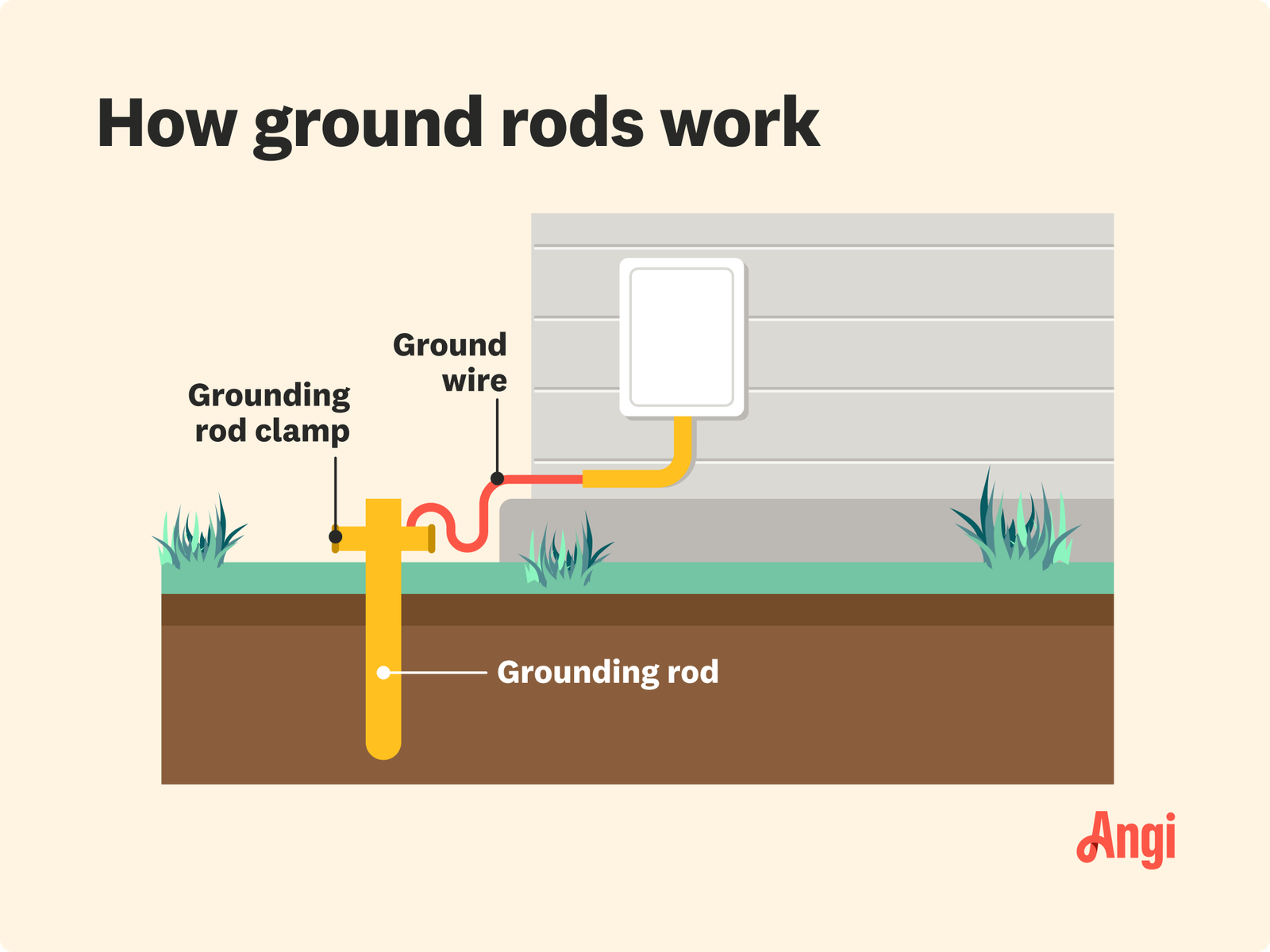
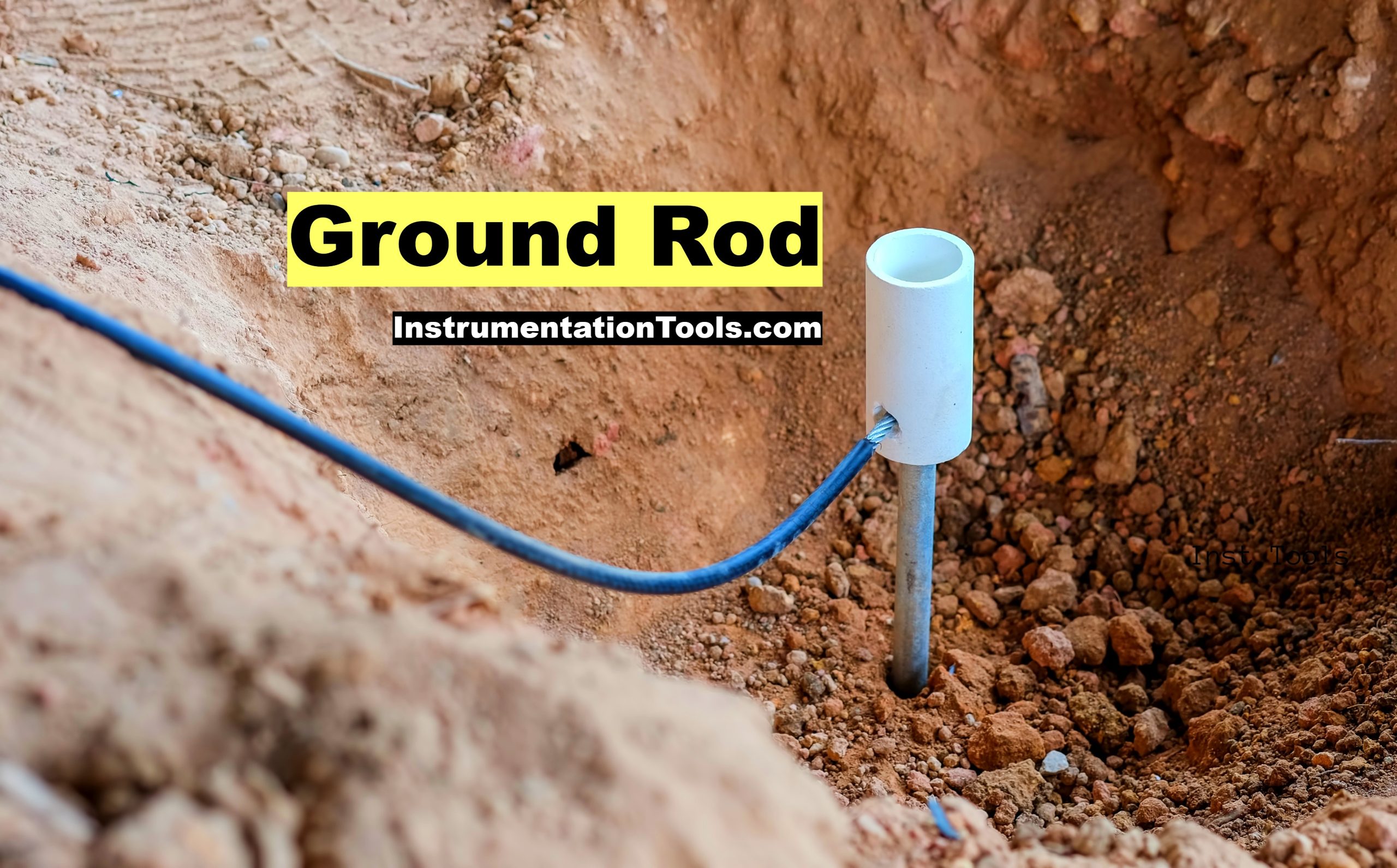
A grounding rod is a metal rod placed in the earth. It connects electrical systems to the ground. This helps keep people and equipment safe.
The grounding rod provides a path for electricity to safely flow into the earth. It protects homes and buildings from electrical problems.
Role In Electrical Safety
The grounding rod lowers the risk of electric shock. It directs extra electricity safely into the ground. This happens during lightning or power surges.
It also helps keep electrical devices working correctly. Without grounding, devices may get damaged or cause fires.
Preventing Electrical Hazards
The grounding rod stops dangerous electricity from building up. It protects people from electrical shocks. It also prevents sparks that can start fires.
- Redirects lightning strikes safely to the earth
- Prevents electrical shocks in faulty wiring
- Reduces risk of fire from electrical faults
- Protects appliances from power surges
Types Of Grounding Rods
Grounding rods help protect electrical systems by directing electricity into the ground. Different materials are used for grounding rods. Each type has its own benefits and uses.
Choosing the right grounding rod depends on the environment and electrical needs. Here are the main types of grounding rods used today.
Copper Rods
Copper rods are popular because copper conducts electricity very well. They resist corrosion and last a long time underground.
Copper rods are easy to install and work well in most soil types. They are more expensive than other rods but offer strong performance.
Galvanized Steel Rods
Galvanized steel rods are steel rods coated with zinc to prevent rust. They cost less than copper rods but may not last as long.
These rods are good for dry soils where corrosion is slower. They need to be checked regularly for wear and tear.
- Less expensive than copper
- Good conductivity but lower than copper
- Needs maintenance in wet or acidic soils
Stainless Steel Rods
Stainless steel rods resist corrosion very well. They are strong and last a long time in tough soil conditions.
These rods cost more than galvanized steel but are ideal for harsh environments. They offer good conductivity and durability.
Choosing The Right Location
Choosing the right location for your grounding rod is important for safety and effectiveness. The spot you pick affects how well the rod works to protect your electrical system.
This guide covers two key points: soil conditions and accessibility. Both help you find the best place to install the grounding rod.
Soil Conditions
The type of soil affects the grounding rod’s ability to conduct electricity. Moist, loose soil works best because it lowers resistance.
- Clay soil holds moisture but can dry and crack, raising resistance.
- Sandy soil drains quickly and may need extra rods for good grounding.
- Rocky soil makes driving the rod difficult and can reduce contact.
- Wet soil generally improves grounding by allowing better electrical flow.
Accessibility And Clearance
Make sure the grounding rod is easy to reach for inspection and maintenance. It also needs enough space around it to avoid interference.
| Requirement | Description |
| Clearance | Keep at least 24 inches clear from pipes or cables. |
| Accessibility | Place where tools can reach without digging. |
| Safety | Avoid spots near walkways or areas prone to damage. |

Credit: www.reddit.com
Tools And Materials Needed
Using a grounding rod safely requires the right tools and materials. These help ensure the rod is installed correctly and works well.
Below are the key items you need before starting your grounding rod project.
Essential Equipment
Gathering the essential equipment makes the installation smooth and effective. Each tool plays an important role in the process.
- Grounding rod (usually copper or galvanized steel)
- Hammer or sledgehammer for driving the rod into the ground
- Wire stripper to prepare grounding wire ends
- Grounding wire (copper wire is common)
- Clamps or connectors to secure wire to the rod
- Shovel or digging tool for making holes if needed
Safety Gear
Wearing safety gear protects you during the installation. It is important to avoid injury while working with tools and metal.
| Safety Gear | Purpose |
| Gloves | Protect hands from sharp edges and splinters |
| Safety glasses | Shield eyes from flying debris when hammering |
| Steel-toed boots | Protect feet from heavy tools or rods |
| Long sleeves and pants | Prevent skin scrapes and cuts |
Step-by-step Installation Process
Installing a grounding rod is important to keep electrical systems safe. A grounding rod directs electricity into the earth during faults.
This guide shows you how to install a grounding rod in three clear steps. Follow each step carefully for proper installation.
Preparing The Site
Start by choosing a spot near your electrical panel. The soil should be soft and moist for easier rod driving.
Clear away rocks, roots, and debris. Make sure there is enough space to work safely around the area.
- Pick a location close to the electrical system
- Check the soil is damp and loose
- Remove any obstacles like rocks or roots
- Clear a working area around the spot
Driving The Rod Into The Ground
Use a hammer or a special grounding rod driver to push the rod straight down into the earth. The rod should go at least 8 feet deep.
Keep the rod vertical and avoid bending it. If the ground is too hard, wet it to make driving easier.
- Hold the rod upright and steady
- Hit the top of the rod firmly with a hammer
- Drive the rod at least 8 feet into the ground
- Wet the soil if the rod is hard to drive
Connecting The Ground Wire
Attach the grounding wire to the rod using a grounding clamp. Make sure the connection is tight and secure.
Run the other end of the wire to your electrical panel’s ground bus. Check all connections for safety before finishing.
- Use a grounding clamp to connect the wire to the rod
- Tighten the clamp to secure the wire
- Run the wire to the electrical panel’s grounding point
- Inspect all connections for good contact
Credit: www.jadelearning.com
Testing Grounding Effectiveness
Testing a grounding rod ensures electrical safety. It checks if the rod properly directs electricity into the earth.
Regular tests help prevent shocks and equipment damage. You need special tools and a clear method to test well.
Using A Ground Resistance Tester
Use a ground resistance tester to measure how well the grounding rod works. This device sends a small current through the rod and the soil.
- Connect the tester’s leads to the grounding rod and auxiliary electrodes.
- Place auxiliary electrodes at set distances from the rod.
- Turn on the tester and follow its instructions.
- Wait for the tester to show the resistance reading.
- Record the resistance value for future checks.
Interpreting Test Results
Low resistance means the rod works well. High resistance means the rod may not safely ground electricity.
| Resistance Value (Ohms) | Effectiveness | Action Needed |
|---|---|---|
| 0 – 5 | Excellent grounding | No action needed |
| 5 – 25 | Good grounding | Check installation, retest regularly |
| 25 – 50 | Moderate grounding | Improve grounding rod or soil condition |
| Above 50 | Poor grounding | Replace rod or add more rods |
Maintenance Tips For Longevity
Using a grounding rod properly keeps your electrical system safe. Regular care helps the rod last longer. Simple maintenance steps prevent damage and ensure good performance.
Check your grounding rod often. Fix small problems early to avoid bigger issues later. This guide helps you keep your grounding rod in top shape.
Regular Inspections
Look at your grounding rod at least twice a year. Check the rod, connections, and surrounding soil. Make sure everything stays tight and clean.
Look for cracks, loose wires, or signs of wear. Inspect the area after storms or heavy rain. These checks help find problems before they grow.
- Inspect the rod for physical damage
- Check wire connections for tightness
- Ensure soil around the rod is moist and not disturbed
- Look for signs of corrosion or rust
- Test grounding resistance with a meter if possible
Corrosion Prevention
Corrosion can weaken your grounding rod over time. Use protective coatings or wraps to stop rust. Keep the rod dry and free from chemicals.
Replace any parts that show heavy corrosion. Use copper or galvanized rods to reduce rust risks. Proper soil treatment also helps reduce corrosion.
- Apply anti-corrosion paint or tape on the rod
- Use rods made from corrosion-resistant materials
- Avoid placing the rod near salty or acidic soil
- Keep the grounding area clean and dry
- Replace corroded parts quickly to maintain safety
Common Mistakes To Avoid
Using a grounding rod correctly is important for safety. Some common mistakes can reduce its effectiveness.
Knowing these errors helps you avoid problems in your grounding system.
Improper Rod Placement
Placing the grounding rod in the wrong spot can cause poor grounding. The rod should be driven deep into moist soil.
Dry or rocky soil reduces the rod’s ability to conduct electricity safely.
- Do not place the rod near concrete or asphalt
- Avoid locations with dry, sandy, or rocky soil
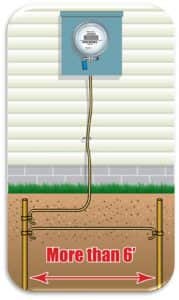
- Place the rod at least 6 feet away from the building foundation
Loose Connections
Loose connections between the grounding rod and wire cause poor electrical contact. This can be dangerous during a fault.
Always tighten clamps and check connections regularly to keep them secure.
- Use the correct clamps for the rod and wire size
- Tighten all bolts firmly but avoid over-tightening
- Inspect connections yearly for corrosion or looseness
Frequently Asked Questions
What Is The Purpose Of A Grounding Rod?
A grounding rod safely directs electrical currents into the earth. It prevents electrical shocks and equipment damage. It stabilizes voltage during power surges. Proper grounding enhances overall electrical system safety and reliability.
How Deep Should A Grounding Rod Be Installed?
A grounding rod should be driven at least 8 feet deep. This ensures good contact with moist soil for effective grounding. Local codes may vary, so always check regulations before installation.
What Materials Are Grounding Rods Made From?
Grounding rods are typically made from copper or copper-clad steel. These materials resist corrosion and provide excellent conductivity. Copper rods are more durable but costlier than steel alternatives.
Can I Install A Grounding Rod Myself?
Yes, with proper tools and safety measures, you can install a grounding rod. Ensure you follow local electrical codes and guidelines. If unsure, consult a licensed electrician for safe installation.
Conclusion
Using a grounding rod is vital for electrical safety. It protects both appliances and people. By following these steps, you ensure proper grounding. Remember to check local regulations before installation. Use the right tools and materials for the task. This guarantees effective grounding.
Regular maintenance is also important. It keeps the system in good condition. Safe grounding prevents electrical hazards. This ensures a secure environment for everyone. Always prioritize safety in electrical work. Your home and family deserve the best protection.