
Are you struggling to drive screws quickly and safely? Using a hand drill can make your work easier, faster, and more precise—but only if you know the right way to use it.
Imagine finishing your project without stripped screws or wasted effort. In this guide, you’ll discover simple, step-by-step tips that anyone can follow. By the end, you’ll feel confident handling your hand drill like a pro and get your tasks done with less hassle.
Ready to take control of your tools and boost your DIY skills? Let’s dive in.
Choosing The Right Hand Drill
Using a hand drill for screws makes your work easier and faster. Picking the right drill helps you finish your project well.
Not all hand drills work the same. Some are better for certain jobs. Learn about the types and bits to choose the best one.
Types Of Hand Drills
There are different hand drills for different tasks. You can pick one based on your needs and comfort.
Manual drills use your hand power. They are light and easy for small jobs. Power drills use electricity or batteries. They work faster and with less effort.
- Manual hand drill:Good for light work and small screws.
- Corded electric drill:Strong power for heavy jobs, needs an outlet.
- Cordless drill:Portable and easy to move, runs on batteries.
- Right angle drill:Fits in tight spaces, useful for corners.
Selecting Drill Bits For Screws
Drill bits hold screws and make holes for them. Choosing the right bit size and type helps screws fit tightly.
Bits come in many shapes. The shape matches the screw head. Using the wrong bit can strip the screw or damage the drill.
- Phillips bit:Fits screws with a cross-shaped slot.
- Flathead bit:Fits screws with a single straight slot.
- Torx bit:Fits star-shaped screws for better grip.
- Hex bit:Fits screws with hexagonal slots.
- Bit size:Match the bit size to the screw head size for a tight fit.

Credit: oukailuo.com
Preparing For Drilling
Using a hand drill for screws needs careful preparation. This helps you drill accurately and safely.
Before you start, mark where the screws will go and secure the workpiece well. These steps make drilling easier.
Marking Screw Positions
Marking the screw positions clearly is important. It guides the drill and stops mistakes.
- Use a pencil or marker to make small dots where screws will go.
- Measure carefully to space the screws evenly.
- Check the marks twice to avoid errors.
- Use a center punch or nail to make a small dent on each mark. This keeps the drill bit from slipping.
Securing The Workpiece
Keep the workpiece steady to drill safely and accurately. Moving wood or metal can cause bad results or injury.
| Method | Details |
|---|---|
| Clamps | Use clamps to hold the piece firmly to a table or workbench. |
| Vise | A vise can grip small or irregular items tightly. |
| Helper | Ask someone to hold the workpiece if clamps are not available. |
| Non-slip Mat | Place a rubber mat under the piece to prevent sliding. |
Setting Up The Drill
Setting up your hand drill correctly makes driving screws easier. It helps avoid mistakes and keeps your work safe.
Follow these steps carefully to prepare your drill before you start screwing.
Inserting The Drill Bit
Choose a drill bit that fits the screws you will use. The bit should match the screw head type and size.
- Loosen the drill chuck by turning it counterclockwise.
- Insert the drill bit straight into the chuck.
- Tighten the chuck by turning it clockwise until the bit is secure.
- Check the bit is straight and firmly held.
Adjusting Drill Speed And Torque
Set the drill’s speed and torque to match the screw and material. This prevents damage and improves control.
| Material Type | Speed Setting | Torque Setting |
| Softwood | High | Low |
| Hardwood | Medium | Medium |
| Metal | Low | High |

Credit: www.familyhandyman.com
Drilling Pilot Holes
Using a hand drill for screws is easier with pilot holes. Pilot holes guide the screw into the wood or material.
Drilling pilot holes helps prevent the material from splitting and makes screwing faster.
When And Why To Drill Pilot Holes
Drill pilot holes before driving screws into hard or thin wood. This stops the wood from cracking.
Use pilot holes to make screwing easier and keep screws straight. This helps the screw hold better.
- When working with hardwood or thin wood
- To avoid splitting the wood
- To guide screws straight
- To make screwing smoother and faster
Tips For Accurate Pilot Holes
Choose the right drill bit size. It should be slightly smaller than the screw’s diameter.
Keep the drill steady and straight while drilling. This makes a clean and accurate hole.
- Mark the spot for the hole before drilling
- Use a clamp to hold the material steady
- Drill slowly to avoid slipping
- Check the hole depth matches the screw length
Driving Screws With A Hand Drill
Using a hand drill to drive screws can save time and effort. It works well for many home and DIY projects.
Knowing how to align the screw, control pressure and speed, and avoid damage helps get the job done right.
Aligning The Screw
Place the screw straight on the drill bit before starting. Hold the drill steady and keep the screw aligned with the hole.
- Use the correct drill bit size for the screw head.
- Start the screw slowly to keep it from slipping.
- Keep the drill perpendicular to the surface.
Controlling Pressure And Speed
Apply steady pressure but do not push too hard. Let the drill do the work. Use lower speed for better control.
| Speed Setting | Use For |
| Low | Driving screws into wood or soft materials |
| Medium | General screw driving tasks |
| High | Drilling holes, not recommended for screws |
Avoiding Stripped Screws
Stripped screws happen when the drill slips or the bit does not fit well. This ruins the screw head and wastes time.
- Choose the right bit size for the screw.
- Keep the drill bit sharp and clean.
- Hold the drill steady and apply consistent pressure.
- Stop if the screw feels loose and reposition it.
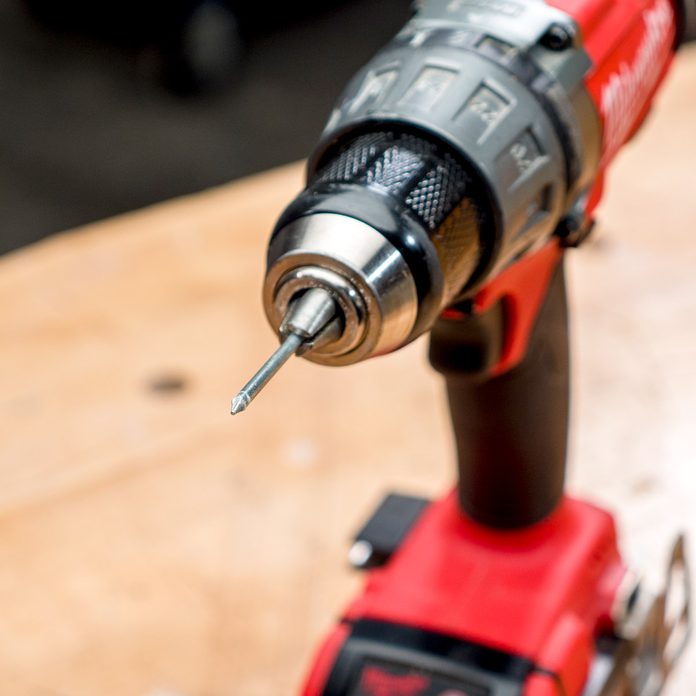
Credit: www.familyhandyman.com
Safety Tips And Best Practices
Using a hand drill for screws can be safe if you follow key tips. Protect yourself and handle tools carefully.
Always prepare before drilling. This helps avoid accidents and keeps your work neat and strong.
Protective Gear
Wear the right gear to protect your eyes, hands, and ears. Safety gear reduces injury risks.
- Use safety goggles to protect your eyes from flying debris.
- Wear gloves for a better grip and to avoid blisters.
- Consider ear protection if you drill for long periods.
- Wear sturdy shoes to protect your feet from falling objects.
Handling Common Issues
Some problems come up often when using a hand drill for screws. Knowing how to fix them keeps you safe.
| Problem | Cause | Solution |
| Screw slips | Wrong drill bit size | Use the correct bit for the screw |
| Drill won’t start | Power or battery issue | Check power source or charge battery |
| Overheating | Continuous use without breaks | Pause regularly to cool the drill |
| Damaged wood surface | Wrong pressure or angle | Keep drill steady and apply gentle pressure |
Frequently Asked Questions
How Do You Use A Hand Drill For Screws?
To use a hand drill for screws, start by selecting the right drill bit. Secure the screw in the bit and align it with the material. Apply gentle pressure while turning the drill clockwise. Ensure the screw is driven in straight to avoid damaging the material.
Can You Use A Hand Drill For All Screws?
Hand drills work well for most screws, but not all. For larger screws, a power drill is better. Hand drills are ideal for light tasks and soft materials. Ensure the drill bit matches the screw size for effective results.
What Is The Best Drill Bit For Screws?
The best drill bit for screws is a matching screwdriver bit. Use a Phillips bit for Phillips screws and a flat-head bit for slotted screws. Choosing the right bit ensures a firm grip and prevents damage to the screw head.
How To Avoid Stripping Screws With A Hand Drill?
To avoid stripping screws, choose the correct bit size and apply steady pressure. Ensure the drill is aligned with the screw. Avoid using excessive force and stop once the screw is firmly in place. Regularly check the bit for wear and replace if necessary.
Conclusion
Using a hand drill for screws is simple and effective. Choose the right drill bit for the screw size. Keep the drill steady and apply gentle pressure. Take your time to avoid slipping or damage. Practice helps improve your control and speed.
Hand drills work well for small jobs and tight spaces. With patience, anyone can use a hand drill safely. Give it a try on your next project. You will feel more confident and skilled.