Are you looking to master the art of using a hand saw for cutting hardwood? You’re in the right place!
Whether you’re a seasoned woodworker or a DIY enthusiast, knowing how to effectively use a hand saw can make a world of difference in your projects. Imagine the satisfaction of achieving smooth, precise cuts every time. It’s not just about having the right tool; it’s about knowing how to wield it with confidence.
In this guide, you’ll discover simple techniques and tips that will transform your woodworking experience. Get ready to unlock the secrets to cutting hardwood like a pro, and watch your projects come to life with ease and precision. Don’t miss out on elevating your skills—read on to become the craftsman you’ve always aspired to be!

Credit: www.youtube.com
Choosing The Right Hand Saw
Cutting hardwood requires the right hand saw for good results. The saw you pick affects your work’s ease and quality.
This guide helps you choose a hand saw by looking at saw types, tooth count, and blade quality.
Types Of Hand Saws For Hardwood
Different hand saws suit different hardwood tasks. Each type has a unique blade shape and teeth design.
- Crosscut Saw:Cuts across the wood grain. It has small, sharp teeth.
- Rip Saw:Cuts along the wood grain. Its teeth are chisel-shaped.
- Back Saw:Has a stiff spine. Good for precise, straight cuts.
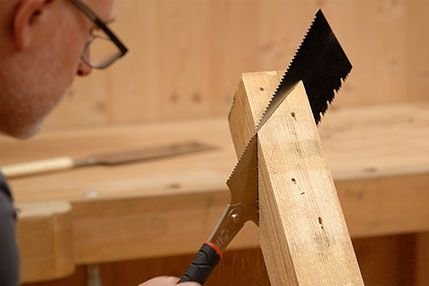
- Japanese Saw:Cuts on the pull stroke for cleaner cuts.
Selecting The Correct Tooth Count
Tooth count affects how smooth or fast your cut will be. It is measured in teeth per inch (TPI).
| Tooth Count (TPI) | Best For |
| 4-6 | Fast, rough cuts |
| 7-10 | General hardwood cutting |
| 11-14 | Smooth, fine cuts |
Blade Material And Quality
The blade material affects durability and sharpness. Good quality blades last longer and cut better.
- High Carbon Steel:Holds sharp edges well but may rust without care.
- Stainless Steel:Resists rust but can lose sharpness faster.
- Tool Steel:Very durable and sharp, often used in premium saws.

Credit: www.tilemountain.co.uk
Preparing For The Cut
Cutting hardwood with a hand saw needs careful preparation. Getting ready helps you cut clean and safe.
Before you start, you must mark, secure, and wear the right gear. These steps make your work easier.
Marking The Cutting Line
Mark the line where you want to cut. Use a pencil or chalk for a clear line on hardwood.
Make sure the line is straight and easy to see. A ruler or square helps you draw a perfect line.
Securing The Hardwood
Hold the hardwood firmly to stop it from moving. Use clamps or a vise to keep the wood steady.
Place the wood on a stable workbench. Make sure it does not wobble or slip while you cut.
Safety Gear Essentials
Wear safety glasses to protect your eyes from wood chips. Gloves help protect your hands.
- Safety glasses or goggles
- Work gloves
- Dust mask to avoid inhaling sawdust
- Closed-toe shoes for foot protection
Proper Sawing Techniques
Using a hand saw on hardwood needs care and skill. The right technique helps you cut cleanly and safely. This guide covers key points for good sawing.
Focus on how you hold the saw, start the cut, and keep a steady rhythm. These tips make your work easier and better.
Correct Grip And Stance
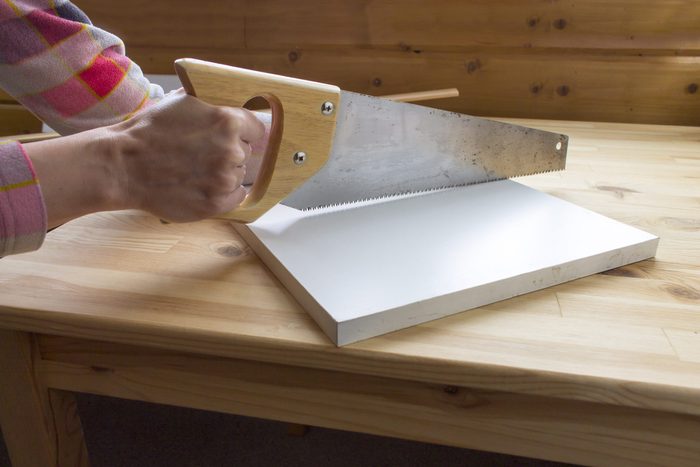
Hold the saw handle firmly but not too tight. Keep your wrist straight to avoid strain. Stand with feet shoulder-width apart for balance.
- Grip the handle with your dominant hand.
- Place your other hand on the wood for control.
- Keep your back straight and bend slightly at the knees.
- Position your body so the saw blade is aligned with the cut line.
Starting The Cut Smoothly
Begin the cut with gentle, short strokes. This helps the saw bite into the wood without slipping. Use your thumb to guide the saw at first.
| Action | Purpose |
| Light strokes | Prevent saw from jumping |
| Thumb guide | Keep saw on the line |
| Slow start | Control direction |
Maintaining A Steady Rhythm
Keep the saw moving at a steady pace. Use long, even strokes that match the length of the saw blade. Avoid forcing the saw to prevent damage.
Here are tips for steady sawing:
- Keep your arm relaxed and use your shoulder to move the saw.
- Let the saw teeth do the cutting, not your strength.
- Watch the cut line and adjust if needed.
Common Mistakes To Avoid
Using a hand saw to cut hardwood needs care and attention. Avoiding common mistakes helps you get clean cuts and saves time.
Some errors can damage your wood or tool. Learn what to watch out for before you start sawing.
Applying Excessive Force
Pushing too hard on the saw can make the blade bend or get stuck. This damages the saw and ruins the cut.
Use steady, gentle pressure. Let the saw teeth do the work by moving the saw forward and backward smoothly.
- Do not push the saw blade deep in one stroke.
- Keep a rhythm to avoid tiring your arms.
- Stop if the saw feels stuck and adjust your angle.
Sawing At Incorrect Angles
Cutting at the wrong angle makes your cut uneven or rough. It can also cause the saw to slip off the wood.
Hold the saw at the right angle, usually about 45 degrees for hardwood. Keep your wrist steady while sawing.
- Mark the cut line clearly on the wood.
- Align the saw blade with the line before cutting.
- Keep the saw straight to ensure a clean cut.
Ignoring Tool Maintenance
A dull or dirty saw blade makes cutting hard and unsafe. It can tear the wood instead of cutting it cleanly.
Clean your saw after use and sharpen the blade regularly. Check the handle and blade for damage before starting.
- Remove sawdust and resin from teeth after each use.
- Sharpen the blade with a file or take it to a professional.
- Tighten loose screws on the handle to keep control.
Maintaining Your Hand Saw
Taking care of your hand saw keeps it sharp and safe to use. Regular maintenance helps the saw last longer.
Proper cleaning, sharpening, and storage are key to good saw care. These steps keep the blade in top shape.
Cleaning After Use
After cutting hardwood, remove sawdust and resin from the blade. Use a dry cloth or brush to clean it well.
- Wipe the blade with a rag to remove dirt.
- Use mineral spirits for sticky resin.
- Dry the blade fully to avoid rust.
- Apply light oil to protect the metal.
Sharpening The Blade
A sharp blade cuts hardwood cleanly and safely. Check the teeth for dullness or damage before use.
| Tool | Use | Tip |
|---|---|---|
| File | Sharpen each tooth | Use a saw file matching tooth size |
| Jointing Tool | Level uneven teeth | Run gently across tooth tops |
| Setting Pliers | Adjust tooth angle | Bend teeth slightly outward |
Sharpen teeth evenly for smooth cuts. Use proper tools and work carefully.
Proper Storage Tips
Store your hand saw in a dry place to prevent rust. Keep it away from moisture and dust.
- Hang the saw on a peg or hook.
- Use a blade cover or sheath for safety.
- Avoid stacking saws on each other.
- Check regularly for rust or damage.
Credit: www.familyhandyman.com
Advanced Tips For Precision
Cutting hardwood with a hand saw needs care and skill. Precision helps you get clean and accurate cuts.
Using the right techniques makes cutting easier and safer. These tips improve your control and results.
Using A Saw Guide
A saw guide helps keep your saw straight. It prevents the blade from wandering off the cut line.
You can use a clamp-on guide or build one from scrap wood. Place it along your cutting line for support.
- Clamp the guide securely to avoid movement
- Check that the guide is straight before cutting
- Use a saw with a comfortable handle for better control
Cutting Curves And Angles
Cutting curves takes slow, small strokes. Use the tip of the saw to follow the line carefully.
For angled cuts, mark your angle clearly. Start cutting gently to guide the saw before applying full pressure.
- Use a coping saw for tight curves
- Practice curved cuts on scrap wood
- Keep your wrist flexible to adjust angles smoothly
Working With Different Hardwood Types
Hardwoods vary in density and grain. Adjust your sawing speed and pressure for each type.
Dense hardwoods need slower, steady strokes. Softer hardwoods allow faster cutting but watch for splintering.
| Hardwood Type | Sawing Tip |
|---|---|
| Oak | Use slow, controlled strokes |
| Maple | Keep the blade sharp for clean cuts |
| Cherry | Cut with moderate speed to avoid splinters |
| Walnut | Follow the grain direction carefully |
Frequently Asked Questions
How Do I Choose The Right Hand Saw For Hardwood?
Choose a hand saw with fine, sharp teeth designed for hardwood. Look for a saw with at least 10-12 TPI (teeth per inch) for smooth cuts. Ensure the handle is comfortable for better control and safety during use.
What Is The Correct Technique For Cutting Hardwood?
Use steady, even strokes without forcing the saw. Start with a shallow cut to guide the blade. Keep the saw at a consistent angle and let the teeth do the work to prevent splintering.
How Can I Avoid Splintering When Cutting Hardwood?
Score the cut line with a utility knife before sawing. Use painter’s tape along the cut to reduce splintering. Cut slowly and maintain steady pressure for cleaner edges.
How Do I Maintain A Hand Saw For Hardwood Cutting?
Clean the blade after each use to prevent rust. Sharpen the teeth regularly for precise cuts. Store the saw in a dry place to keep it in good condition.
Conclusion
Using a hand saw for hardwood takes practice and patience. Keep your saw sharp and steady for best results. Always measure and mark your cut clearly before starting. Take slow, even strokes to avoid mistakes or splinters. Safety matters—wear gloves and eye protection.
With time, cutting hardwood becomes easier and more precise. Enjoy the process and learn from each cut. Your skills will grow, making woodworking more fun and rewarding.