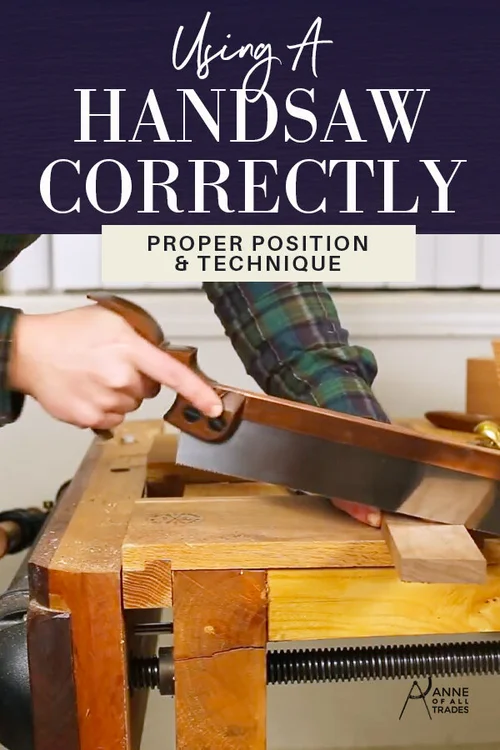
Are you ready to take your woodworking skills to the next level? Imagine creating intricate designs with the confidence and precision of a seasoned craftsman.
The secret? Mastering the art of using a hand saw for fine woodworking. In this guide, we’ll show you how to harness the power of this timeless tool to transform your projects from ordinary to extraordinary. You’ll discover techniques that can enhance your craftsmanship and bring your creative visions to life.
Whether you’re a beginner or a seasoned woodworker, understanding how to use a hand saw effectively can make all the difference. Keep reading to unlock the potential of your woodworking projects and achieve the fine details and finishes you’ve always admired.
Choosing The Right Hand Saw
Using a hand saw correctly helps you create smooth and accurate cuts. Picking the right saw is important for fine woodworking projects.
Different hand saws suit different types of wood and cuts. Knowing which saw to use saves time and effort.
Types Of Hand Saws For Fine Woodworking
There are several hand saws designed for fine woodworking. Each saw has a specific use and tooth design.
- Back Saw:Has a stiff spine for straight cuts. Good for precise joinery.
- Japanese Pull Saw:Cuts on the pull stroke. Offers clean and thin cuts.
- Coping Saw:Ideal for cutting curves and shapes in wood.
- Tenon Saw:Used for cutting tenons and fine joints.
Selecting Based On Wood Type And Cut
Hardwoods need saws with fine teeth for smooth cuts. Softwoods can be cut with saws that have larger teeth.
Choose the saw type based on the cut direction. Rip saws cut along the grain. Crosscut saws cut across the grain.
- Use fine-toothed saws for delicate work and thin wood.
- Use saws with larger teeth for thick or rough cuts.
- Match saw type to the wood grain direction for best results.
Quality And Maintenance Tips
Choose saws made from high-quality steel. A sharp saw cuts better and safer.
Keep your saw clean and dry. Store it properly to avoid rust and damage.
- Sharpen the teeth regularly for smooth cutting.
- Oil the blade lightly to prevent rust.
- Check the handle for cracks and tighten screws.

Credit: www.youtube.com
Preparing For A Precise Cut
Making a precise cut with a hand saw needs careful preparation. You must plan and set up before starting to saw.
This guide covers marking and measuring, securing the wood, and setting up your workspace for the best results.
Marking And Measuring Accurately
Accurate marks guide your saw and help avoid mistakes. Use sharp pencils and good measuring tools.
- Use a ruler or measuring tape to find the exact length.
- Mark the cut line clearly with a sharp pencil or marking knife.
- Double-check your measurements before cutting.
- Consider marking both sides of the wood for better visibility.
Securing The Wood Properly
Keep the wood steady to get a clean cut. Moving wood causes uneven lines and can be unsafe.
| Method | How to Use |
| Clamps | Attach the wood firmly to a workbench or sawhorse. |
| Workbench Vise | Hold smaller pieces tightly for detailed cuts. |
| Non-slip Mat | Place under the wood to stop sliding if clamps are not available. |
Setting Up A Comfortable Workspace
A good workspace helps you saw accurately and safely. Arrange tools and lighting before you start.
- Set your workbench at waist height for better control.
- Ensure bright, even lighting to see your marks clearly.
- Keep your tools within easy reach to avoid distractions.
- Wear safety gear like goggles and gloves to protect yourself.
Proper Hand Saw Techniques
Using a hand saw correctly helps you cut wood cleanly and safely. Good techniques make your work easier and more precise.
This guide covers key methods to improve your hand sawing for fine woodworking.
Correct Grip And Stance
Hold the saw handle firmly but not too tight. Keep your wrist straight to avoid strain. Stand with your feet shoulder-width apart for balance.
- Grip the handle with your dominant hand.
- Use your other hand to steady the wood if needed.
- Position your body so the saw cuts straight ahead.
- Keep your weight evenly on both feet.
Starting The Cut Smoothly
Begin the cut by placing the saw’s teeth at the mark. Use short, gentle strokes to create a shallow groove. This groove guides the saw for a clean cut.
Tips for starting the cut:
- Keep the saw blade at a low angle.
- Use light pressure to avoid slipping.
- Check the groove often to stay on line.
Controlling Speed And Pressure
Use steady, even strokes for smooth cutting. Do not force the saw. Let the teeth do the work by applying gentle pressure.
| Pressure | Effect |
| Too Light | Slow cutting, may wander off line |
| Just Right | Smooth, controlled cut |
| Too Heavy | Blade binds, rough edges |
Maintaining A Straight Line
Keep your eye on the cutting line. Adjust your angle and stroke to stay on track. Use a square or guide if needed.
- Check progress often.
- Keep the saw perpendicular to the wood.
- Correct small deviations early.
- Pause if the blade drifts, then realign.

Credit: www.youtube.com
Common Challenges And Solutions
Using a hand saw in fine woodworking brings some challenges. You may face issues like splintering, inaccurate cuts, or saw binding. Knowing how to fix these problems helps improve your work.
This guide covers common problems and practical solutions. It helps keep your cuts clean and your woodworking projects precise.
Avoiding Splintering And Tear-out
Splintering and tear-out happen when the saw blade pulls wood fibers instead of cutting them cleanly. This can ruin the surface of your project.
- Use a sharp saw blade for smooth cuts.
- Place masking tape along the cut line to hold fibers in place.
- Cut on the waste side of the line to protect the visible surface.
- Score the cut line lightly with a utility knife before sawing.
- Support the wood close to the cut to reduce movement.
Fixing Inaccurate Cuts
Inaccurate cuts cause poor fitting joints and waste wood. Careful measuring and steady sawing improve accuracy.
| Problem | Cause | Solution |
| Cut too short | Incorrect measurement | Double-check measurements before cutting |
| Cut too long | Poor sawing angle | Keep saw perpendicular and steady |
| Uneven edges | Blade wobbling | Use a saw with a rigid blade |
Dealing With Saw Binding
Saw binding happens when the blade gets stuck in the wood. It stops your cut and can damage the saw or wood.
- Check wood for knots or dense grain before cutting.
- Keep the saw blade clean and sharp.
- Use steady, even pressure while sawing.
- Cut from both sides if the wood is thick to reduce tension.
- Ensure the wood is well supported to avoid pinching the blade.
Finishing Touches For Fine Woodworking
Using a hand saw for fine woodworking requires care beyond just making cuts. The final steps shape the quality and look of your project. Paying attention to details after cutting ensures a clean and precise finish.
This guide covers three important finishing touches: sanding and smoothing cut edges, checking fit and adjustments, and preserving saw sharpness.
Sanding And Smoothing Cut Edges
After cutting, edges can be rough or splintered. Sanding smooths these edges and prepares the wood for finishing. Use fine-grit sandpaper to gently remove rough spots. Sand in the direction of the grain to avoid scratches.
- Start with 120-grit sandpaper for rough edges
- Use 220-grit sandpaper for a smooth finish
- Lightly sand corners and curves for evenness
- Remove dust with a soft brush before finishing
Checking Fit And Adjustments
Fit is key to fine woodworking. After cutting, dry fit pieces together. Look for gaps or tight spots. Small adjustments may be needed for a perfect fit. Use a block plane or sandpaper to trim edges carefully.
| Check Point | What to Look For | Adjustment Method |
| Joint Alignment | Edges line up flush | Light sanding or trimming |
| Gap Size | No visible gaps | Fill or refine cut |
| Tightness | Pieces fit snugly without force | Trim high spots |
Preserving Saw Sharpness
Keeping your hand saw sharp helps make clean cuts and saves effort. Clean the blade after each use to remove sap and debris. Store the saw in a dry place to prevent rust. Check the teeth regularly and file them if needed.
Tips to Preserve Saw Sharpness:
- Wipe blade with a cloth dipped in light oil
- Use a saw set tool to maintain tooth alignment
- File teeth only when you notice dullness
- Protect blade with a cover or sheath

Credit: www.anneofalltrades.com
Frequently Asked Questions
What Type Of Hand Saw Is Best For Fine Woodworking?
A backsaw or dovetail saw is ideal for fine woodworking. They offer precise control and fine teeth for smooth cuts. These saws minimize splintering and provide accuracy for detailed work.
How Do I Maintain A Hand Saw For Woodworking?
Keep the saw blade clean and dry to prevent rust. Regularly sharpen the teeth with a file. Store the saw in a dry place, ideally in a protective case or sheath.
What Is The Correct Sawing Technique For Fine Woodworking?
Use smooth, steady strokes with moderate pressure. Let the saw do the cutting, avoiding forcing it. Start with a shallow notch to guide the cut and maintain control.
How Can I Prevent Wood Splintering When Sawing?
Score the cut line with a sharp knife before sawing. Use a fine-tooth saw for cleaner cuts. Support the wood firmly to reduce vibration and splintering.
Conclusion
Using a hand saw for fine woodworking takes practice and care. Choose the right saw and keep it sharp. Hold the saw steady and cut slowly for clean edges. Mark your lines clearly before starting. Remember, patience improves your results every time.
With simple steps, you can create beautiful wood pieces. Keep practicing and enjoy the craft of woodworking. Small efforts lead to great skills. Your hands can shape wood with precision. Keep your workspace safe and organized. Woodworking is both fun and rewarding.