If you’ve ever struggled with a stubborn bolt or wondered how to get the perfect grip without damaging your tools, learning how to use a hex key is a game-changer. This simple tool can make your tightening tasks quicker, easier, and more precise.
You’ll discover step-by-step tips that will help you master the hex key, so you can confidently tackle bolts of all sizes. Keep reading to unlock the secret to effortless tightening and make your next project smoother than ever.

Credit: www.reddit.com
Choosing The Right Hex Key
A hex key helps tighten bolts with hexagonal sockets. Picking the right one makes your work easier and safer.
Different hex keys fit different bolts. Knowing how to choose the right type, size, and material is important.
Types Of Hex Keys
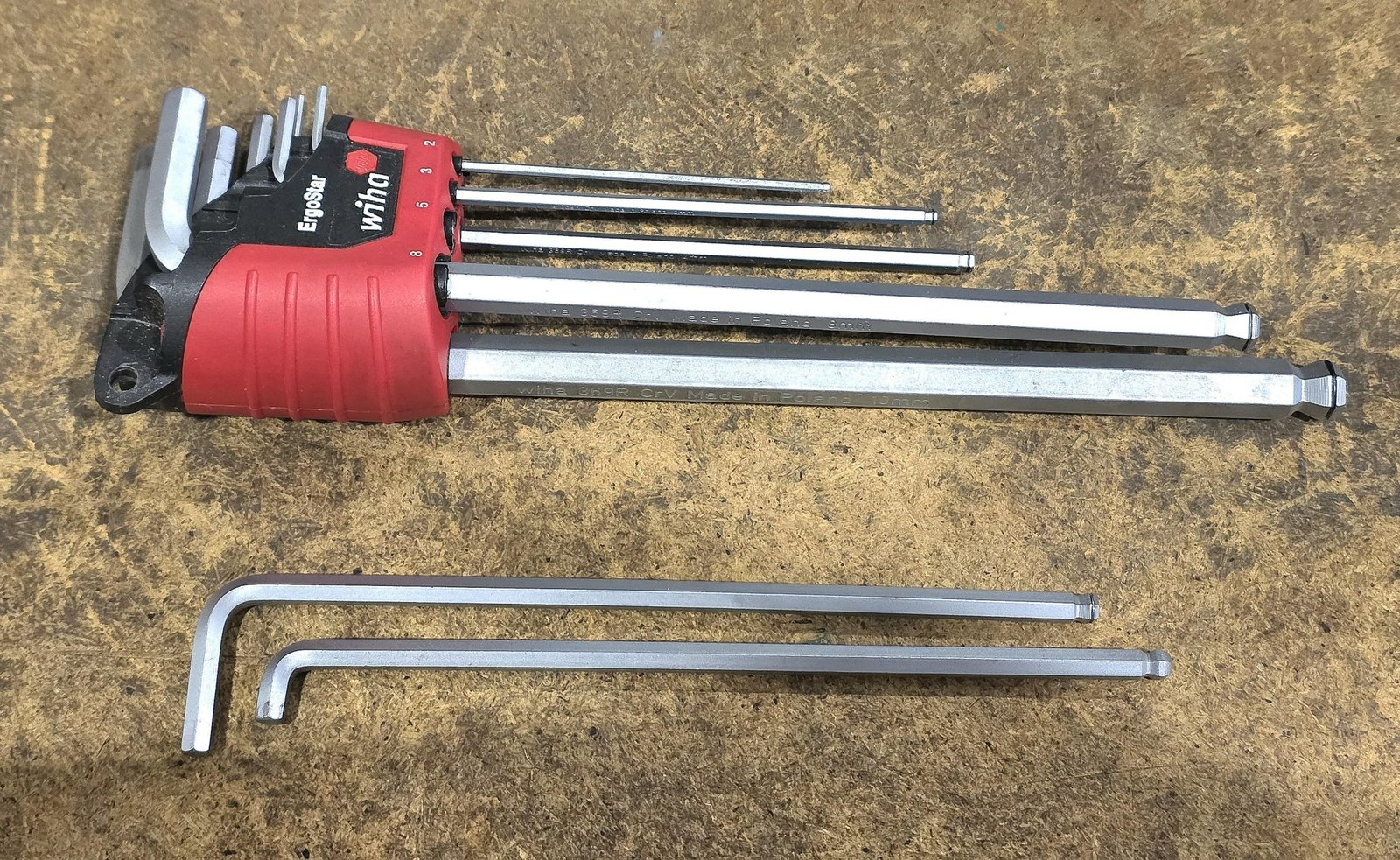
Hex keys come in various shapes. The common types include L-shaped, T-handle, and folding keys. Each type fits certain tasks better.
- L-shaped:Simple and easy to carry.
- T-handle:Gives more torque for tight bolts.
- Folding:Compact and includes many sizes.
Sizing Your Hex Key
Choosing the right size prevents damage to bolts and tools. Too small or too large keys can slip or round the bolt edges.
| Hex Key Size | Common Bolt Size |
| 1.5 mm | M3 bolts |
| 2 mm | M4 bolts |
| 2.5 mm | M5 bolts |
| 3 mm | M6 bolts |
| 4 mm | M8 bolts |
| 5 mm | M10 bolts |
Material And Durability
Hex keys come in steel or alloy. Good quality materials resist bending and wear. Look for keys with rust protection.
- Chrome vanadium steel: strong and rust-resistant.
- Carbon steel: less costly but may rust faster.
- Black oxide finish: adds extra rust protection.

Credit: www.reddit.com
Preparing For Tightening
Using a hex key to tighten bolts needs careful preparation. This helps avoid damage and ensures a strong hold.
Before starting, check the tools and bolts closely. Clean and position everything for the best result.
Cleaning The Bolt And Hex Key
Dirt or rust on the bolt or hex key can cause slipping. Clean both parts before tightening.
Use a cloth or brush to remove dust, grease, and rust. This makes sure the hex key fits well.
- Wipe the bolt head with a clean rag
- Brush away rust or debris gently
- Check the hex key for dirt or damage
- Clean the hex key with a dry cloth
Checking Bolt Condition
Look at the bolt to see if it is damaged or worn. Damaged bolts can strip or break.
Check for rounded corners or cracks. If the bolt is bad, replace it before tightening.
- Inspect bolt head shape and edges
- Look for cracks or rust spots
- Test if the bolt moves freely
- Replace bolts with serious damage
Positioning For Best Grip
Hold the hex key so it fits fully into the bolt. This gives the best grip for turning.
Keep the hex key straight and apply steady pressure. Avoid angles that can slip or damage the bolt.
- Insert hex key fully into the bolt
- Keep the tool straight, not tilted
- Apply firm, even pressure when turning
- Use your hand or a wrench for leverage
Proper Tightening Technique
Using a hex key to tighten bolts needs the right technique. Proper tightening keeps bolts secure and avoids damage.
Follow simple steps to insert the hex key, apply pressure, and avoid over-tightening.
Inserting The Hex Key Correctly
Place the hex key fully into the bolt’s hex-shaped hole. Make sure it fits snugly without wobbling.
Check that the key is straight and not at an angle. This helps avoid stripping the bolt head.
Applying Steady Pressure
Push the hex key with steady, even force while turning. Avoid jerky or sudden movements.
Keep your hand steady to maintain control and prevent slipping.
- Hold the key firmly
- Turn smoothly in the tightening direction
- Keep a consistent speed
Avoiding Over-tightening
Tighten bolts until they are secure but not too tight. Over-tightening can damage threads or the bolt.
Stop turning when you feel resistance or the bolt stops moving easily.
- Check bolt tightness with your hand
- Do not force the key past resistance
- Use a torque wrench if precise tightness is needed
Handling Common Challenges
Tightening bolts with a hex key can be tricky at times. Some bolts may not turn easily or fit well. Knowing how to handle common problems helps you work faster and safer.
This guide covers three common challenges: stripped bolts, working in tight spaces, and using extensions or adapters with your hex key.
Dealing With Stripped Bolts
Stripped bolts have worn or damaged heads. This makes it hard for the hex key to grip and turn the bolt. You can try some simple tricks to fix this problem.
- Use a larger hex key if the bolt head allows it.
- Tap the hex key lightly with a hammer to improve grip.
- Apply some penetrating oil and wait before turning.
- Try gripping the bolt with pliers if the head is exposed.
- Use a rubber band between the bolt and hex key to add friction.
Working In Tight Spaces
Some bolts are placed where it is hard to move your hand or the hex key. You need to use careful techniques to tighten bolts in these tight spots.
| Challenge | Tip |
| Limited hand movement | Use a short hex key for better control |
| Hard to see bolt head | Use a flashlight or headlamp |
| Close to other parts | Work slowly and adjust your angle |
| Low torque possible | Turn the hex key gently and repeatedly |
Using Extensions And Adapters
Extensions and adapters help reach bolts in deep or tricky places. They also give extra leverage for tightening bolts.
Here are three common tools to use with your hex key:
- Extension bars:Add length to your hex key for hard-to-reach bolts.
- Universal joints:Allow angle adjustment to fit odd bolt positions.
- Socket adapters:Let you use sockets with your hex key for more torque.
Maintenance Tips For Hex Keys
Hex keys are simple tools used to tighten bolts with hexagonal sockets. Keeping them in good shape helps them last longer and work better.
Regular care of your hex keys can prevent damage and make your work easier.
Cleaning After Use
After using a hex key, wipe off dirt and grease. Clean tools work better and last longer.
Use a dry cloth or paper towel to remove grime. If needed, use mild soap and water, then dry completely.
Storing To Prevent Damage
Store hex keys in a dry place to stop rust. Keep them in a box or holder to avoid losing them.
- Use a tool organizer or pouch
- Keep away from moisture and dust
- Store keys by size for easy access
When To Replace Your Hex Key
Replace a hex key if it is bent, worn, or stripped. Damaged keys can ruin bolts or cause injury.
- Check tips for rounding or wear
- Replace if the key slips in bolts
- Do not use keys with cracks or bends
Credit: www.familyhandyman.com
Frequently Asked Questions
What Size Hex Key Fits Most Bolts?
Hex keys come in standard sizes, usually ranging from 1. 5mm to 10mm. Choose the key that snugly fits into the bolt head for effective tightening without stripping.
How To Hold A Hex Key For Better Torque?
Hold the long arm of the hex key to maximize leverage. This grip helps apply more torque, making bolt tightening easier and more efficient.
Can Hex Keys Tighten Different Bolt Types?
Hex keys are designed for hexagonal bolts and screws. They are not suitable for other bolt types like Phillips or flathead screws.
How To Avoid Stripping Bolts With A Hex Key?
Use the correct hex key size and apply steady pressure. Avoid forcing the key if it feels stuck to prevent damaging the bolt head.
Conclusion
Mastering the hex key is simple and effective. It ensures bolts stay secure. A handy tool for everyday tasks. Easy to carry and use. No need for complex skills. Just practice and patience. Remember to choose the right size. This avoids damage to bolts.
Regular check-ups keep things tight. Essential for safety and durability. Enjoy the satisfaction of a job well done. Happy tightening!