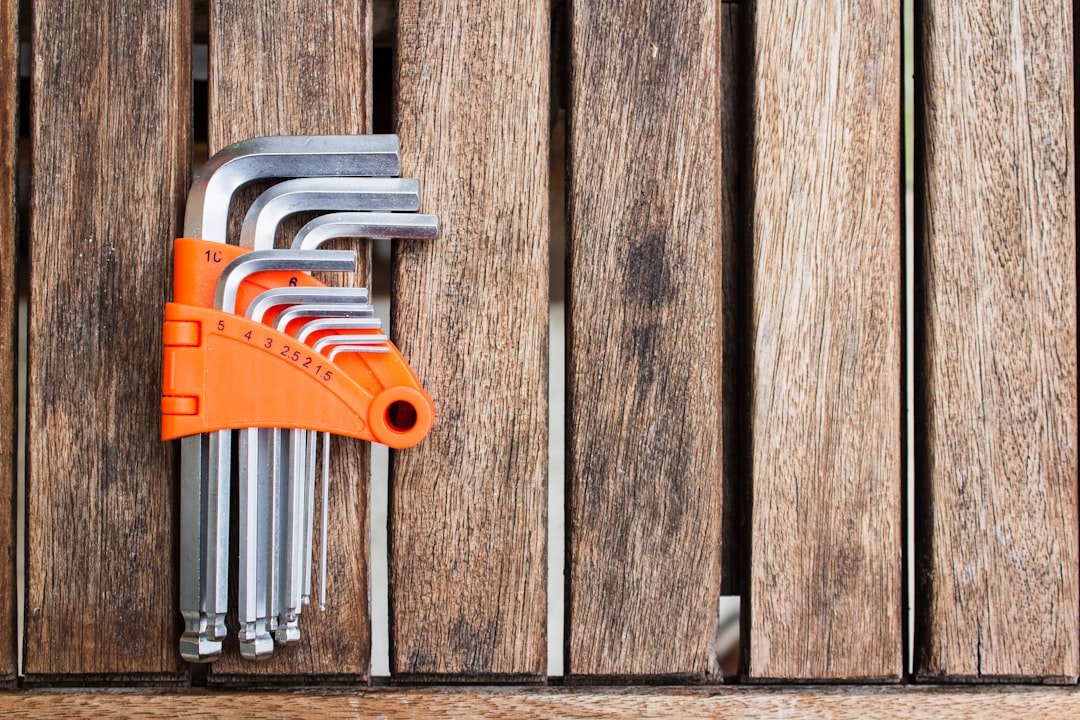
Are you struggling with loose screws on your furniture? Knowing how to use a hex key can save you time and frustration.
This simple tool is your secret weapon for tightening bolts quickly and securely. In this guide, you’ll learn the easy steps to handle a hex key like a pro. Whether you’re assembling a new chair or fixing a wobbly table, mastering this skill will keep your furniture sturdy and safe.
Keep reading to discover tips that make every twist count!
Choosing The Right Hex Key
Using the correct hex key helps tighten furniture screws properly. Picking the wrong size can damage the screws or tools.
This guide explains how to identify hex key sizes and match them to your furniture screws.
Identifying Hex Key Sizes
Hex keys come in different sizes, usually measured in millimeters or inches. Knowing the size helps you choose the right tool for your furniture.
- Check the size markings on the hex key set.
- Use a ruler or caliper to measure the width across flats.
- Match the size to the screw’s hexagonal hole.
- Test fit the key gently to avoid stripping the screw.
Matching Hex Keys To Furniture Screws
Not all furniture uses the same hex screw sizes. Matching the key to the screw ensures proper tightening without damage.
| Furniture Type | Common Hex Screw Size (mm) | Recommended Hex Key Size |
|---|---|---|
| Flat-pack furniture | 4 | 4 mm |
| Office chairs | 5 | 5 mm |
| Wooden cabinets | 3 | 3 mm |
| Metal frames | 6 | 6 mm |

Credit: www.reddit.com
Preparing For Tightening
Using a hex key to tighten furniture parts is simple. Proper preparation makes the task easier and safer.
Before tightening, clear the area and check the furniture’s stability. This helps avoid damage and accidents.
Clearing The Work Area
Make sure the space around your furniture is clean and free of clutter. This gives you room to work comfortably.
- Remove any objects on or near the furniture
- Ensure good lighting to see screws clearly
- Keep your hex key and tools nearby
- Protect the floor with a cloth or mat
Checking Furniture Stability
Before tightening, test if the furniture feels loose or wobbly. This shows where tightening is needed most.
| Check Point | What to Do |
| Table legs | Push gently to see if it rocks |
| Chair joints | Try to move parts by hand |
| Shelves | Look for gaps or loose screws |
Proper Hex Key Grip And Technique
Using a hex key correctly helps tighten furniture parts safely. It prevents damage and makes assembly easier.
This guide explains how to hold the hex key and apply the right force for best results.
Holding The Hex Key Correctly
Hold the hex key with a firm grip to avoid slipping. Use your dominant hand for better control.
- Place the short arm of the hex key into the screw.
- Grip the long arm with your fingers for leverage.
- Keep your wrist straight to reduce strain.
- Use your thumb and index finger to guide the tool.
Applying The Right Amount Of Force
Apply steady pressure to turn the screw without stripping it. Too much force can damage the furniture.
| Force Level | Effect |
| Light | Screw may not tighten fully |
| Moderate | Properly tight and secure |
| Excessive | Can strip screw or damage wood |

Credit: www.istockphoto.com
Tightening Steps
Tightening furniture screws with a hex key is simple. It keeps your furniture strong and stable.
Follow these steps to use a hex key correctly and avoid damage.
Inserting The Hex Key Into The Screw
Find the hexagonal hole on the screw head. Choose the hex key size that fits snugly.
Push the hex key straight into the screw hole. Make sure it fits tightly to prevent slipping.
Turning Direction For Tightening
Turn the hex key clockwise to tighten the screw. This moves the screw deeper into the wood or metal.
Use steady and even pressure. Avoid quick or jerky movements to keep control.
- Clockwise = Tighten
- Counterclockwise = Loosen
Avoiding Over-tightening
Stop turning once the screw feels firm and secure. Over-tightening can strip the screw or damage furniture.
Use only the force needed. If the screw does not tighten easily, check for alignment or the correct screw size.
Troubleshooting Common Issues
Tightening furniture with a hex key is usually simple. Sometimes problems like stripped or stuck screws happen. Knowing how to fix these issues saves time and effort.
This guide explains how to handle stripped screws and stuck or rusty screws when using a hex key.
Dealing With Stripped Screws
A stripped screw has a damaged head that makes it hard to turn with a hex key. This can happen if the key slips or if the screw is old.
- Try using a larger or smaller hex key for a better fit.
- Place a rubber band over the screw head to increase grip.
- Use pliers to turn the screw if the head is exposed.
- Apply a small amount of lubricant to ease turning.
- If the screw is badly stripped, consider drilling it out carefully.
Handling Stuck Or Rusty Screws
Stuck or rusty screws do not turn easily with a hex key. Rust or dirt often causes the screw to seize inside the hole.
| Method | Description | Tip |
| Apply penetrating oil | Use oil to loosen rust inside the screw thread. | Wait 10-15 minutes before trying to turn. |
| Tap the screw gently | Light taps with a hammer can break rust bonds. | Use a small punch or screwdriver tip. |
| Use heat | Heating the area expands metal and can free the screw. | Use a heat gun carefully to avoid damage. |
| Turn slowly and steadily | Apply slow pressure to avoid stripping the screw. | Back off slightly and try again if tight. |
Maintaining Your Hex Keys
Hex keys are simple tools that need care to last long. Proper maintenance keeps them working well.
Learn how to clean, store, and know when to replace your hex keys for best results.
Cleaning And Storage Tips
Keep hex keys free from dirt and rust by cleaning them after use. Store them in a dry place to avoid damage.
- Wipe keys with a dry cloth after every use
- Use a small brush to remove stuck debris
- Apply a light oil to prevent rust
- Store keys in a toolbox or case
- Avoid leaving keys in damp areas
When To Replace Worn Hex Keys
Check your hex keys often for wear. Replace them if they become rounded or bent to avoid damage to screws and furniture.
| Signs of Wear | Why Replace |
| Rounded edges | Cannot grip screws properly |
| Bent or twisted shape | May slip and cause injury |
| Rust or corrosion | Weakens the tool’s strength |
| Loose fit in screws | Damages screw heads |

Credit: www.shutterstock.com
Frequently Asked Questions
What Is A Hex Key Used For In Furniture Assembly?
A hex key is used to tighten or loosen hexagonal screws in furniture. It fits into hex screw heads, providing grip for assembly or adjustment.
How Do You Choose The Right Hex Key Size?
Select a hex key that fits snugly into the screw head. Using the correct size prevents stripping and ensures proper tightening.
Can I Use A Hex Key To Tighten Loose Furniture Joints?
Yes, a hex key can effectively tighten loose joints by securely turning hex screws. This stabilizes the furniture and prevents wobbling.
What Is The Proper Technique For Using A Hex Key?
Insert the hex key fully into the screw head. Turn it clockwise to tighten and counterclockwise to loosen, applying steady pressure.
Conclusion
Using a hex key makes furniture assembly easy and efficient. With practice, you gain confidence and speed in tightening screws. Remember to choose the correct size for each screw. This prevents damage and ensures a snug fit. Keep your hex keys handy in your toolbox.
Regular checks on furniture screws enhance safety and longevity. Proper use of hex keys saves time and effort. It also reduces the risk of injuries from loose fittings. Enjoy your sturdy, well-assembled furniture. Happy DIY!