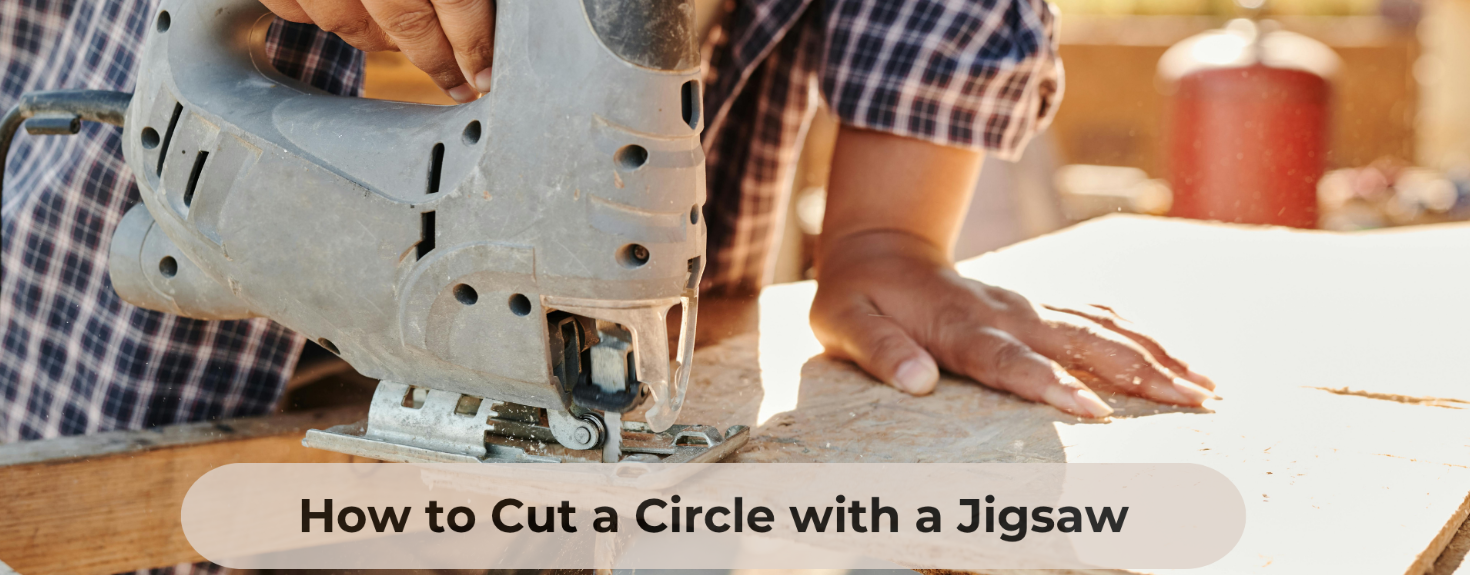
Are you ready to transform plain pieces of wood into stunning, curved masterpieces? If you’ve ever marveled at the elegance of curved woodwork and wondered how to achieve such intricate designs, you’re in the right place.
Using a jigsaw for curved woodwork might seem daunting at first, but with the right guidance, it can be a straightforward and rewarding process. Imagine the satisfaction of crafting beautiful curves and intricate patterns with precision and ease. You’ll discover simple, step-by-step instructions to unlock the full potential of your jigsaw, allowing you to create woodworking projects that are both unique and captivating.
Get ready to unleash your creativity and elevate your woodworking skills to new heights!

Credit: www.findbuytool.com
Choosing The Right Jigsaw
A jigsaw is a helpful tool for cutting wood in different shapes. Picking the right jigsaw makes curved woodwork easier and more accurate.
Look at the types, blades, and power to find a jigsaw that fits your needs well.
Types Of Jigsaws
There are two main types of jigsaws: corded and cordless. Corded jigsaws offer steady power but need an outlet. Cordless jigsaws are easy to move but run on battery life.
Choose a jigsaw with a comfortable handle and good balance. This helps you control cuts around curves better.
Blade Selection For Curves
Blade type affects how smooth and accurate your curved cuts will be. Use blades with more teeth per inch (TPI) for clean curves.
Narrow blades are best for tight curves because they bend easily and cut sharply. Wide blades work better for straight or gentle cuts.
- Fine-toothed blades cut smoothly on curves
- Narrow blades allow tighter turns
- Bi-metal blades last longer on hard wood
Power And Speed Considerations
Choose a jigsaw with adjustable speed settings. Slower speeds help you control cuts on curves. Faster speeds work for straight cuts.
More power helps cut thicker wood without stalling. A jigsaw with variable speed and good power is best for curved woodwork.
Preparing Your Workspace
Using a jigsaw for curved woodwork requires a safe and organized workspace. Prepare your area before starting to make your work easier and safer.
A clean workspace helps you focus on cutting precise curves without distractions or hazards.
Securing The Wood
Fix the wood firmly to your workbench before cutting. This stops the wood from moving and keeps cuts smooth and accurate.
Use clamps to hold the wood tight. Place the clamps away from the cutting line to avoid damage.
- Choose a sturdy workbench or table
- Use quick-release clamps for easy adjustment
- Check that the wood does not wobble before cutting
Marking Curved Patterns
Draw your curved design clearly on the wood using a pencil. Make the lines easy to see but not too thick.
Use a flexible curve ruler or a template to get smooth, even curves. This helps guide your jigsaw blade accurately.
- Use a soft pencil or chalk for marking
- Double-check curves before cutting
- Keep patterns simple for better control
Safety Precautions
Wear safety glasses to protect your eyes from wood chips. Use ear protection if the jigsaw is loud.
Keep your hands clear of the blade and never force the jigsaw. Work slowly for better control and safety.
- Wear a dust mask to avoid breathing sawdust
- Check that the jigsaw blade is sharp and secure
- Keep your workspace well lit and clean
Techniques For Smooth Curves
Cutting curved shapes in wood can be tricky. A jigsaw is a useful tool for making smooth, curved cuts with control and precision.
Using the right techniques helps avoid rough edges and splintering. Follow these tips for better results on curved woodwork.
Starting The Cut
Begin by marking your curve clearly on the wood. Use a pencil or marker for a visible line to follow.
Place the jigsaw blade just outside the line before turning it on. This helps you start cutting smoothly without mistakes.
Controlling The Jigsaw
Hold the jigsaw firmly with both hands. Keep the base plate flat on the wood to avoid tilting the blade.
Guide the tool slowly along the curve. Let the blade do the work without forcing it through the wood.
- Keep your eyes on the cut line
- Move the jigsaw smoothly without sudden turns
- Adjust your hand position for tight curves
Adjusting Speed And Pressure
Use a slower speed for tight curves to keep control and prevent splintering. Faster speeds work better on gentle curves.
Apply light pressure on the jigsaw. Pressing too hard can bend the blade and cause rough cuts.
- Slow speed + light pressure for sharp curves
- Higher speed + steady pressure for smooth curves
- Stop and check your work if the blade feels stuck
Handling Tight Curves
Cutting tight curves with a jigsaw can be tricky. It needs careful handling and the right tools.
This guide explains how to handle tight curves smoothly using a jigsaw.
Choosing Narrow Blades
Narrow blades bend easily and follow curves better. They reduce the chance of breaking.
Use blades made for fine or curved cuts. They give cleaner edges on tight turns.
- Look for blades 1/8 inch or narrower
- Choose blades with fine teeth for smooth cuts
- Use high-quality steel for durability
Making Relief Cuts
Relief cuts help the blade turn without bending too much. They stop the wood from splitting.
Make small straight cuts inside the curve area before cutting the curve. This gives space for the blade.
- Cut relief lines toward the curve center
- Space relief cuts a few inches apart
- Stop relief cuts before the curve edge
Using Guide Tools
Guide tools help keep the jigsaw steady on curves. They make cutting easier and more accurate.
Use curve guides or clamps to hold templates. Follow the guides for smooth, even cuts.
- Clamp a flexible curve ruler to the wood
- Use a jigsaw with a built-in edge guide
- Attach a homemade wooden guide for repeated cuts
Finishing Touches
After cutting curved shapes with a jigsaw, the work is not done yet. Finishing touches make the wood smooth and ready to use.
These steps help improve the look and fit of your curved woodwork.
Sanding Edges
Sanding smooths out rough cuts left by the jigsaw blade. It helps prevent splinters and gives a clean look.
Use fine-grit sandpaper and sand along the curve’s shape. Take your time to keep the curve even and smooth.
- Start with 120-grit sandpaper for rough edges
- Finish with 220-grit for a smooth surface
- Use a sanding block or sponge for better control
Removing Burn Marks
Burn marks can happen if the jigsaw blade moves too slowly or is dull. These marks make the wood look dark and uneven.
Lightly sand the burned area with fine sandpaper. If the mark is deep, use a scraper before sanding.
- Check the blade condition before cutting
- Keep the blade sharp to avoid burns
- Smooth out any dark spots by sanding gently
Checking For Accuracy
After cutting and sanding, check if the curve matches your design. Accuracy ensures the piece fits well in your project.
Use a template or measuring tools to compare the shape. Make small adjustments by sanding if needed.
- Place the wood against the pattern
- Look for gaps or uneven spots
- Sand or trim to perfect the curve
Common Mistakes To Avoid
Using a jigsaw for curved woodwork can be tricky. Avoiding common mistakes helps you cut smoothly and safely.
Learning what not to do saves time and prevents damage to your wood and tool.
Forcing The Blade
Do not push the jigsaw blade too hard into the wood. Forcing the blade can bend or break it.
Let the blade move at its own pace. Pressing too much causes rough cuts and can damage your project.
- Use steady, gentle pressure
- Follow the curve slowly
- Allow the blade to do the cutting
Ignoring Blade Wear
Using a dull blade makes cutting harder and less accurate. It can tear the wood instead of cutting cleanly.
Check your blade often. Replace it when it looks worn or does not cut smoothly anymore.
- Dull blades increase effort
- Worn blades cause rough edges
- Sharp blades improve control and finish
Skipping Safety Steps
Safety is important when using a jigsaw. Skipping safety checks can lead to accidents or injuries.
Always wear safety gear and make sure your workspace is clear before starting to cut.
- Wear safety glasses and ear protection
- Secure wood firmly before cutting
- Keep fingers away from the blade path
- Check the jigsaw is off before plugging in
Maintenance Tips For Your Jigsaw
Keeping your jigsaw in good shape helps it work better and last longer. Regular care is important for safety and smooth cutting.
This guide shares simple maintenance tips. Follow them after each use to keep your tool ready for curved woodwork jobs.
Cleaning After Use
Remove dust and wood chips after you finish cutting. Use a soft brush or compressed air to clean hard-to-reach parts.
Wipe the jigsaw with a dry cloth to clear dirt and moisture. Avoid water as it can cause rust on the metal parts.
Blade Replacement
Change the blade if it becomes dull or damaged. A sharp blade cuts curves smoothly and prevents accidents.
Always switch off and unplug the jigsaw before replacing the blade. Follow the manufacturer’s instructions for safe removal and installation.
- Use the correct blade type for curved woodwork
- Check blade tightness before each use
- Store extra blades in a dry place
Lubrication And Storage
Keep the moving parts of your jigsaw lubricated to reduce wear and tear. Use light machine oil on the blade holder and guide rails.
Store the jigsaw in a dry, dust-free place. Use a case or cover to protect it from damage and moisture.
- Lubricate after every few uses
- Wipe off excess oil to avoid dirt buildup
- Store the jigsaw away from direct sunlight

Credit: www.youtube.com

Credit: www.familyhandyman.com
Frequently Asked Questions
How Do I Choose The Right Jigsaw Blade For Curves?
Select a fine-toothed blade designed for curved cuts. Blades labeled “scroll” or “fine-cut” offer better control and smoother edges on curved woodwork.
What Speed Setting Is Best For Curved Cuts?
Use a slower speed to maintain control on curves. Slower speeds reduce tear-out and improve precision when maneuvering the jigsaw around bends.
How Do I Prevent Wood Splintering With A Jigsaw?
Use painter’s tape along the cut line to reduce splintering. Cutting with the good side facing down also helps keep edges clean.
Can I Use A Jigsaw For Thick Wood Curves?
Yes, but ensure your jigsaw’s power matches the wood thickness. Use a blade designed for thick wood and cut slowly to avoid burning.
Conclusion
Using a jigsaw for curved woodwork becomes easier with practice. Start slow, follow the line carefully, and keep control. Choose the right blade for smooth cuts. Safety matters—always wear goggles and stay focused. With these tips, your wood projects will look neat and polished.
Keep trying, and you will get better every time. Enjoy making creative shapes and designs with your jigsaw.