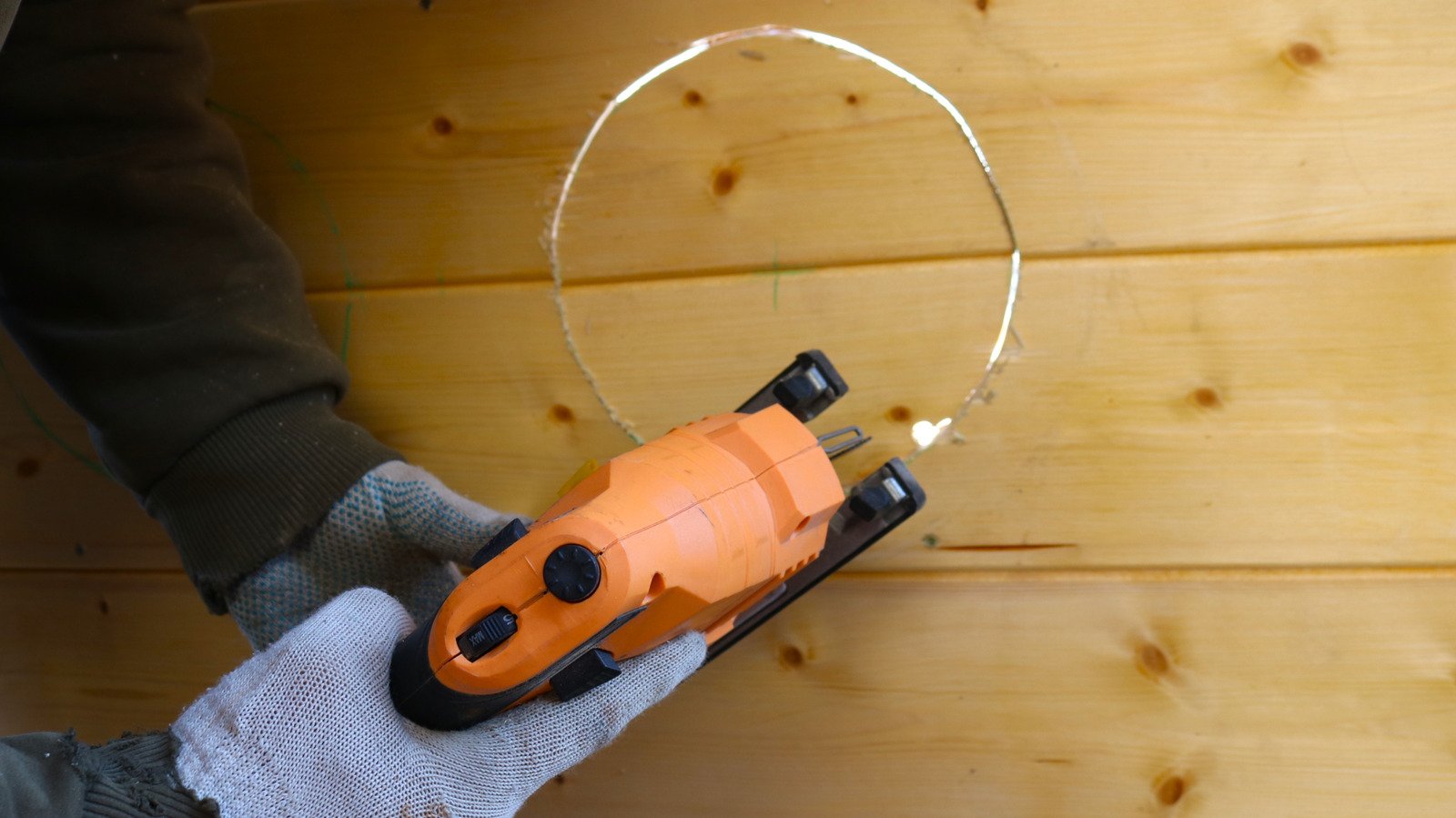
Unlock the full potential of your DIY projects by mastering the art of using a jigsaw for detailed cuts. Whether you’re a seasoned woodworker or a beginner, learning how to handle a jigsaw with precision can take your creations to the next level.
Imagine crafting intricate designs with ease, transforming ordinary materials into extraordinary masterpieces. You might wonder, how can you achieve those smooth curves and perfect angles? The secret lies in understanding how to maneuver this versatile tool effectively. In this guide, you’ll discover simple tips and tricks that will enhance your skills and boost your confidence.
Ready to elevate your craftsmanship? Let’s dive into the world of jigsaw precision.
Choosing The Right Jigsaw
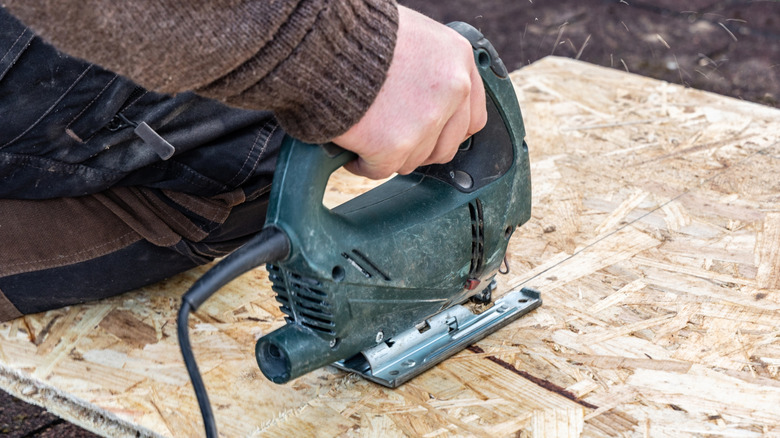
A jigsaw is a handy tool for detailed cuts in wood and other materials. Picking the right jigsaw can make your work easier and more accurate.
Understanding different types, blades, and settings helps you choose the best jigsaw for your project.
Types Of Jigsaws
There are several types of jigsaws you can use. Each type suits different cutting needs and skill levels.
- Orbital jigsaws:These move the blade in a slight forward and backward motion. They cut faster but less smoothly.
- Straight stroke jigsaws:These move the blade straight up and down. They give cleaner cuts but work slower.
- Corded jigsaws:They have constant power for long jobs but need a power outlet.
- Cordless jigsaws:They offer freedom to move but need battery charging.
Blade Selection
Choosing the right blade is key to making detailed cuts. The blade type and size affect the cut quality.
| Blade Type | Best For | Tooth Count (TPI) |
| High-speed steel (HSS) | Softwood and plastic | 10-14 |
| Bimetal | Hardwood and metal | 14-24 |
| Carbide-grit | Tile and ceramics | Special grit |
| Reverse tooth | Clean bottom edges | 10-14 |
Power And Speed Settings
Power and speed control help you cut smoothly and avoid mistakes. Adjust these based on material and blade type.
- Use lower speed for metal and hard materials.
- Higher speed works well for softwood and plastic.
- More power helps with thick or tough materials.
- Less power is good for thin or delicate pieces.

Credit: www.youtube.com
Preparing Your Workspace
Using a jigsaw for detailed cuts needs a tidy workspace. A clean area helps you work safely and clearly see your material.
Set up your tools and materials before you start. This saves time and keeps your focus on the cut.
Securing The Material
Hold your material firmly to avoid movement. Moving pieces can cause mistakes or accidents.
Use clamps to fix the material to your workbench. Clamps keep the material steady during cutting.
- Place clamps near the cutting area but out of the blade path
- Check that the material does not wobble
- Use a non-slip mat under thin materials for extra grip
Marking The Cut Lines
Draw clear cut lines on the material before you cut. This guides your jigsaw blade for precise shapes.
Use a pencil or marker that shows well on your material. Straight rulers or stencils help with accuracy.
- Make sure lines are visible but thin enough to follow easily
- Double-check your measurements before marking
- Mark any curves or intricate details carefully
Safety Precautions
Wear safety glasses to protect your eyes from dust and debris. Use ear protection if the jigsaw is loud.
Keep your fingers away from the blade and wear gloves if needed. Make sure the power cord is not in your cutting path.
- Wear a dust mask if working with materials that create fine dust
- Check the jigsaw blade is sharp and properly installed
- Unplug the tool before changing blades or making adjustments
Techniques For Precise Cuts
Using a jigsaw for detailed cuts requires focus and the right technique. Precise cuts help your project look clean and professional.
Learn how to start your cut, control the tool, and handle curves and angles for the best results.
Starting The Cut
Begin your cut by marking the exact line on your material. Use a sharp pencil or marker for clear visibility. Secure the material to prevent movement during cutting.
- Wear safety goggles and ear protection.
- Use a drill to make a starter hole for interior cuts.
- Place the jigsaw blade on the edge or inside the starter hole before turning it on.
- Start the jigsaw at a slow speed for better control.
Controlling The Jigsaw
Hold the jigsaw firmly with both hands. Keep your arms steady and move the tool along the cut line smoothly. Avoid forcing the blade through the material.
| Control Tip | Reason |
| Keep the base plate flat | Prevents blade bending and uneven cuts |
| Use the correct blade type | Improves cutting speed and precision |
| Adjust speed for material | Reduces splintering and overheating |
| Guide the jigsaw gently | Maintains straight and clean lines |
Managing Curves And Angles
Cutting curves and angles needs patience. Use a narrow blade for tight curves. Move slowly and follow the marked line carefully.
- Use a blade with fine teeth for smoother curves.
- Practice on scrap wood to get comfortable with turns.
- Support the workpiece well to avoid vibration.
- Keep your eyes on the blade, not just the line.
- Make relief cuts to ease sharp turns if needed.
Advanced Cutting Tips
Using a jigsaw for detailed cuts needs careful handling. Small mistakes can ruin your workpiece.
This guide shares tips to improve your cutting skills and get clean results every time.
Using Guide Rails
Guide rails help keep your jigsaw steady on straight cuts. They prevent the blade from wandering off track.
Attach the guide rail firmly to your workpiece. Move the jigsaw along the rail for smooth, precise lines.
- Use clamps to fix the guide rail securely
- Check the rail is straight before cutting
- Keep a steady speed while cutting
- Follow the rail edge closely with the jigsaw base
Reducing Tear-out
Tear-out happens when wood fibers break along the cut edge. It makes the cut rough and uneven.
Use painter’s tape on the cut line to hold wood fibers. This reduces splintering and gives a cleaner edge.
- Apply tape along the cutting path
- Cut slowly and steadily
- Use a sharp blade suited for fine cuts
- Cut from the good side of the wood to the back
Handling Intricate Patterns
Intricate patterns need careful control and patience. Sharp blades and slow cutting help improve accuracy.
Mark the pattern clearly on the wood. Follow the lines closely and avoid forcing the blade.
- Use a fine-toothed blade for detailed cuts
- Drill starter holes inside tight curves
- Turn the workpiece, not the jigsaw, for better control
- Keep the blade vertical and steady
Maintaining Your Jigsaw
Keeping your jigsaw in good shape helps you make clean, detailed cuts. Regular maintenance extends your tool’s life.
Simple care steps keep your jigsaw running smoothly and safely. Check your tool often to avoid problems.
Blade Care And Replacement
Using a sharp blade makes cutting easier and more accurate. Dull blades cause rough edges and strain the motor.
Replace blades when they show signs of wear or damage. Choose the right blade type for the material you cut.
- Check blades for bending or missing teeth
- Use blades designed for wood, metal, or plastic
- Change blades if cuts become slow or uneven
- Store blades safely to avoid damage
Cleaning And Lubrication
Clean your jigsaw after each use to remove dust and debris. Dust can clog the motor and moving parts.
Lubricate moving parts to reduce friction and wear. Use light machine oil or grease where the manual suggests.
- Unplug the tool before cleaning
- Use a brush or compressed air to clear dust
- Wipe the jigsaw body with a dry cloth
- Apply oil to the blade clamp and guide rollers
- Do not over-lubricate to avoid attracting dust
Troubleshooting Common Issues
If the jigsaw vibrates a lot, check the blade for damage or looseness. Tighten or replace the blade as needed.
Sometimes the jigsaw won’t start or stops suddenly. This may be due to a power issue or an internal fault.
- Make sure the power cord is not damaged
- Check the power source and switch connections
- Clean the blade holder and motor vents
- Replace worn brushes inside the motor if needed
- Consult a professional for complex repairs

Credit: www.findbuytool.com
Credit: www.housedigest.com
Frequently Asked Questions
What Is The Best Jigsaw Blade For Detailed Cuts?
For detailed cuts, use a fine-toothed blade with a narrow width. It provides better control and precision on curves and intricate patterns.
How Do I Prevent Splintering With A Jigsaw?
To avoid splintering, place painter’s tape on the cut line. Also, cut slowly and use a fine-toothed blade to minimize tear-out.
Can I Make Curved Cuts With A Jigsaw?
Yes, jigsaws excel at curved cuts. Use a narrow blade and guide the saw carefully along the curve for smooth, accurate results.
What Speed Setting Is Ideal For Detailed Jigsaw Cuts?
Use a slower speed setting for detailed cuts. It improves control, reduces splintering, and allows you to follow complex patterns precisely.
Conclusion
Using a jigsaw for detailed cuts takes patience and care. Choose the right blade for your material. Keep your hand steady and guide the saw slowly. Practice on scrap wood to build confidence. Safety matters—wear goggles and work in a clean space.
With time, your cuts will look neat and precise. Enjoy the process and watch your skills grow. Detailed jigsaw work can add great value to your projects. Give yourself time, and the results will show.