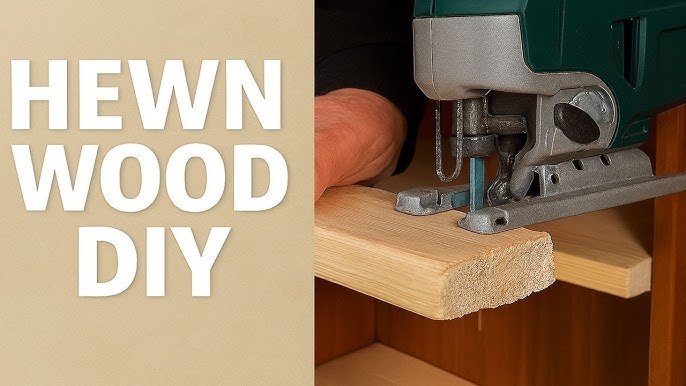
Are you ready to unlock the potential of your DIY woodworking projects? Imagine transforming simple pieces of wood into beautiful creations, all with a tool that fits comfortably in your hand.
That’s the power of a jigsaw. Whether you’re a seasoned carpenter or a weekend hobbyist, mastering this versatile tool can elevate your craftsmanship to new heights. You’ll discover practical tips and insights on using a jigsaw effectively. We’ll guide you through its features, techniques, and common mistakes to avoid, ensuring your projects are not only easier to complete but also more precise and rewarding.
Keep reading, and let’s turn your woodworking dreams into reality with just a few simple steps!

Credit: m.youtube.com
Choosing The Right Jigsaw
A jigsaw is a handy tool for many DIY woodworking projects. Picking the right jigsaw helps you work better and safer.
Understand the types, blades, and power features to choose the best jigsaw for your needs.
Types Of Jigsaws
There are corded and cordless jigsaws. Corded jigsaws offer constant power. Cordless jigsaws provide more freedom to move around.
Some jigsaws have orbital action, which moves the blade in a slight forward motion. This helps cut wood faster but less smoothly.
- Corded jigsaws: steady power, good for long jobs
- Cordless jigsaws: portable, good for quick cuts
- Orbital jigsaws: faster cuts, rougher edges
Blade Selection
Choose blades based on the material and type of cut. Fine blades cut smoothly but slowly. Coarse blades cut faster but rougher.
Blades come in different shapes and sizes. Use blades made for wood, metal, or plastic. Always check if the blade fits your jigsaw model.
- Fine-toothed blades for smooth cuts
- Coarse-toothed blades for fast, rough cuts
- Material-specific blades for wood, metal, or plastic
- Check blade length and thickness for your jigsaw
Power And Features
Look at the motor power. Higher power means easier cutting through thick wood. Lower power suits small or soft wood pieces.
Extra features like variable speed control and dust blowers improve cutting control and visibility. A comfortable handle helps reduce hand fatigue.
- Motor power: choose based on wood thickness
- Variable speed control for different materials
- Dust blower keeps cut line clear
- Ergonomic handle for comfort

Credit: www.youtube.com
Preparing For Your Project
Using a jigsaw safely starts with good preparation. Setting up your workspace and tools helps you cut wood accurately.
Before you begin, plan your steps to avoid mistakes and keep yourself safe.
Safety Gear Essentials
Wear the right safety gear to protect yourself from dust and sharp blades. Safety gear keeps you safe while working with a jigsaw.
- Safety goggles to protect your eyes
- Ear protection to reduce noise
- Dust mask to avoid breathing sawdust
- Gloves to protect your hands
- Close-fitting clothes to prevent accidents
Workspace Setup
Prepare a clean, flat surface to work on. Good lighting helps you see the wood and cut lines clearly.
| Workspace Feature | Reason |
| Flat surface | Keeps wood steady |
| Bright light | Improves visibility |
| Clear space | Prevents tripping hazards |
| Power outlet nearby | Keeps jigsaw plugged in |
Marking Your Cuts
Mark the wood where you want to cut. Clear lines help you guide the jigsaw accurately and avoid mistakes.
- Use a pencil for light, erasable lines
- Draw straight lines with a ruler or square
- Double-check measurements before cutting
- Mark both sides of the wood if possible
Basic Jigsaw Techniques
Using a jigsaw is a simple way to cut wood for many DIY projects. It lets you make straight and curved cuts with ease. Learning some basic techniques helps you work safely and get better results.
This guide covers how to start your cuts, control speed and pressure, and make straight cuts with a jigsaw. Follow these tips to improve your woodworking skills.
Starting The Cut
Place the jigsaw blade on the wood where you want to start cutting. Keep the base plate flat against the surface. Turn on the saw and let the blade reach full speed before moving forward.
Cut slowly at first to avoid splintering the wood. Use steady hands and guide the saw along the line you want to cut.
Controlling Speed And Pressure
Adjust the speed of the jigsaw depending on the wood type. Hard woods need slower speeds to avoid burning. Soft woods can be cut faster but watch for rough edges.
- Use light pressure to let the blade do the cutting
- Do not force the saw forward too fast
- Keep the jigsaw steady to avoid rough cuts
- Slow down at curves for better control
- Wear safety gear to protect your eyes and ears
Making Straight Cuts
To make straight cuts, use a guide like a straight edge or clamp a ruler to the wood. This helps keep the jigsaw on track. Keep your eyes on the line and move the saw smoothly.
| Tip | Description |
| Use a guide | Clamp a straight edge to the wood for better accuracy |
| Blade selection | Choose a fine-tooth blade for cleaner straight cuts |
| Steady movement | Move the jigsaw at a constant speed along the guide |
| Blade alignment | Keep the blade straight and vertical during the cut |
Advanced Cutting Methods
Using a jigsaw can make many woodworking tasks easier. Learning advanced cutting methods helps you handle complex projects. You can create shapes and angles with more skill.
This guide covers curved cuts, bevel and angle cuts, and cutting different materials. Each section explains how to improve your jigsaw techniques.
Curved And Intricate Cuts
Curved and intricate cuts need a steady hand and the right blade. Use a fine-toothed blade for smooth curves. Take your time and follow the marked lines carefully.
- Choose a narrow blade to turn easily on curves
- Make relief cuts to avoid blade binding
- Keep the base of the jigsaw flat on the wood
- Move slowly and control the speed
Bevel And Angle Cuts
Bevel and angle cuts add style and fit pieces together. Adjust the jigsaw’s shoe to the angle you need. Mark the cut line clearly for accuracy.
| Angle | Use |
| 0° (straight) | Basic cuts and straight edges |
| 15° – 30° | Bevel cuts for decorative edges |
| 45° | Miter cuts for frames and joints |
| Up to 60° | Special angled cuts, check blade limits |
Cutting Different Materials
Different materials need different blades and speeds. Use a blade made for the specific material. Adjust cutting speed to avoid damage or rough edges.
- Wood: Use a coarse blade for fast cuts
- Plywood: Choose a fine blade to reduce splinters
- Metal: Use a metal-cutting blade and slow speed
- Plastic: Cut slowly with a fine blade to avoid melting
Maintaining Your Jigsaw
Keeping your jigsaw in good shape makes your woodworking easier. A well-maintained jigsaw lasts longer and works better.
Simple care steps help your tool stay safe and reliable for every DIY project.
Cleaning Tips
After each use, clean sawdust and debris from the jigsaw. Use a soft brush or compressed air to clear hard-to-reach places.
Wipe the exterior with a dry or slightly damp cloth. Avoid water near the motor or electrical parts.
Blade Replacement
Sharp blades make smooth cuts and reduce effort. Change blades when they become dull or damaged.
- Unplug the jigsaw before replacing the blade.
- Release the blade clamp or screw holding the blade.
- Remove the old blade carefully to avoid injury.
- Insert the new blade with the teeth facing forward.
- Tighten the clamp or screw securely.
- Test the blade by turning the jigsaw on briefly.
Storage Advice
| Storage Tip | Reason |
|---|---|
| Keep in a dry place | Prevents rust on metal parts |
| Store with blade removed | Reduces blade damage and injury risk |
| Use a case or cover | Protects from dust and impacts |
| Place on a stable shelf | Avoids falls and tool damage |

Credit: www.youtube.com
Common Mistakes To Avoid
Using a jigsaw for woodworking can be simple, but mistakes slow down your work. Avoiding common errors keeps your cuts clean and safe.
This guide shows key mistakes beginners make and how to prevent them. Focus on proper use for better results.
Blade Jamming Issues
Blade jamming happens when the saw blade gets stuck in the wood. This stops your work and can damage the blade or material.
- Do not force the saw through thick wood.
- Use the correct blade type for the material.
- Keep the blade sharp and clean.
- Make slow and steady cuts to avoid binding.
- Check the blade tension before cutting.
Uneven Cuts
Uneven cuts ruin the look and fit of your project. Many factors cause this problem, but you can fix them easily.
| Cause | Solution |
| Wrong blade type | Use blades made for fine or straight cuts |
| Moving saw too fast | Slow down and guide the saw gently |
| Not securing wood | Clamp the wood tightly before cutting |
| Blade wobbling | Check blade tightness and replace if bent |
Ignoring Safety Practices
Safety is key when using a jigsaw. Ignoring rules leads to injuries and damage. Always follow these safety tips.
- Wear safety glasses to protect your eyes.
- Use ear protection to prevent hearing damage.
- Keep fingers away from the blade path.
- Unplug the saw before changing blades.
- Work in a clean, well-lit area.
Project Ideas To Try
Using a jigsaw for woodworking lets you create many fun projects. You can cut curves and shapes easily.
Here are some simple woodworking ideas to try with your jigsaw. Each project is great for beginners.
Simple Shelves
Simple shelves help organize your space and add style. You can cut the wood pieces to size with a jigsaw.
Try making small wall shelves or corner shelves. Use straight cuts and smooth edges for best results.
- Choose wood planks of the right size
- Mark shelf shapes on the wood
- Use the jigsaw to cut along the marks
- Sand edges for a smooth finish
- Attach brackets or supports to hang shelves
Decorative Signs
Decorative signs are a fun way to add personality to your home. A jigsaw helps cut letters and shapes easily.
Cut out words or simple designs from thin wood boards. Paint or stain your sign for a nice look.
- Pick a thin wood board for easy cutting
- Draw your design or letters on the board
- Cut out shapes carefully with the jigsaw
- Sand edges and surfaces smooth
- Add paint or finish to protect the wood
Custom Furniture Pieces
Using a jigsaw lets you create unique furniture pieces. Cut custom shapes for tables, chairs, or benches.
Start with simple designs and use your jigsaw to make curves or angles that fit your style.
- Choose wood that fits your furniture plan
- Draw each part with exact measurements
- Cut parts out carefully with the jigsaw
- Sand all edges and surfaces smooth
- Assemble pieces using screws or glue
Frequently Asked Questions
What Safety Gear Is Essential When Using A Jigsaw?
Always wear safety goggles, ear protection, and gloves. These protect your eyes, ears, and hands from debris and noise. Use a dust mask if cutting materials that create fine dust. Proper safety gear reduces injury risks during woodworking projects.
How Do I Choose The Right Blade For Wood?
Select a blade with fine teeth for smooth cuts. Coarse blades are best for fast, rough cuts. Choose blades designed specifically for wood to ensure clean, precise edges. Blade type depends on your project’s detail and wood thickness.
Can A Jigsaw Make Curved Cuts In Wood?
Yes, jigsaws excel at cutting curves and intricate shapes. Their narrow blades allow easy maneuvering along curved lines. Use a steady hand and guide the saw slowly for best results. Curved cuts add creative detail to DIY woodworking.
How Do I Prevent Wood Splintering When Cutting?
Use painter’s tape along the cut line to minimize splinters. Cut slowly and steadily with the right blade for wood. Keep the blade sharp and avoid forcing the saw. These tips help produce clean, smooth cuts without splintering.
Conclusion
Using a jigsaw makes woodworking tasks easier and more precise. Choose the right blade for your wood type and thickness. Always keep the jigsaw steady and follow the marked lines carefully. Safety matters—wear goggles and keep fingers away from the blade.
Practice on scrap wood to build confidence and skill. With patience, your cuts will look clean and professional. This tool fits well in any DIY woodworking project. Keep learning and experimenting to improve your results every time.