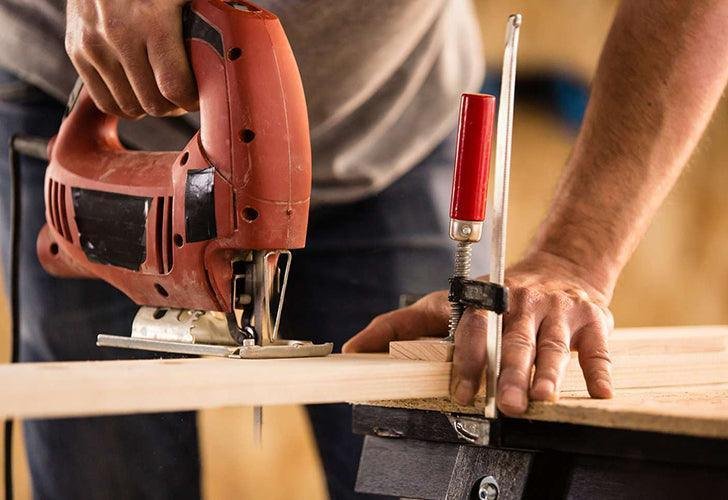
Imagine transforming simple pieces of wood into beautiful, intricate designs with your own hands. This is where a jigsaw becomes your best friend.
Whether you’re a seasoned woodworker or just starting out, mastering the use of a jigsaw can elevate your projects to new heights. You might be wondering how to make those precise cuts without breaking a sweat. The good news is, with a few tips and tricks, you’ll be able to handle even the most complex patterns with confidence.
This guide will show you how to wield a jigsaw like a pro, turning your creative visions into reality. Ready to unlock the secrets of intricate woodworking? Let’s dive in.
Credit: www.housedigest.com
Choosing The Right Jigsaw
A jigsaw is a useful tool for cutting wood into detailed shapes. Picking the right jigsaw helps you work with more control and accuracy.
Look for features that suit your woodworking needs. This guide covers blade types, speed settings, and handling comfort.
Blade Types And Their Uses
Different blades cut wood in various ways. The right blade makes clean and precise cuts for intricate designs.
- High TPI blades:Good for smooth, detailed cuts.
- Low TPI blades:Best for fast, rough cuts.
- Reverse-tooth blades:Cut from bottom up to reduce splintering.
- Scroll blades:Made for tight curves and sharp turns.
Variable Speed Settings
Variable speed lets you adjust how fast the blade moves. Slower speeds work well for delicate cuts.
Faster speeds help cut through thick or hard wood quickly. Control speed to match your project’s needs.
- Slow speed: Better control on curves and fine details.
- Medium speed: General cutting on soft to medium wood.
- High speed: Fast cuts on thick or hard wood.
Ergonomics And Handling
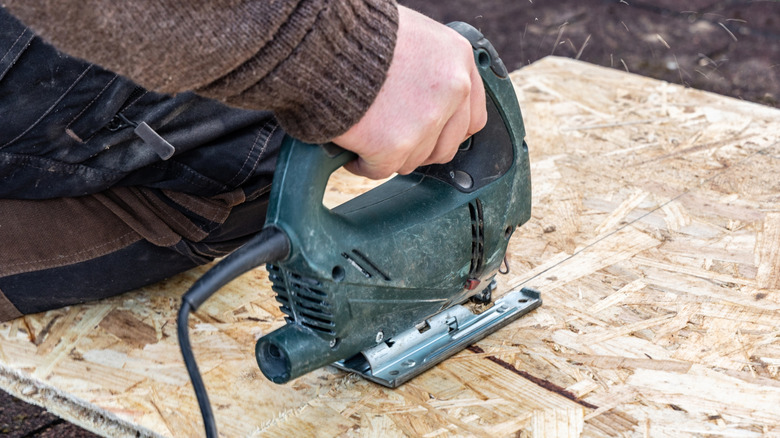
Choose a jigsaw that feels comfortable in your hand. Good grip reduces fatigue during long use.
Look for lightweight models with balanced weight. Easy handling improves accuracy in detailed work.
- Soft grip handles prevent slipping.
- Compact design helps reach tight spots.
- Low vibration reduces hand strain.
Credit: www.housedigest.com
Preparing Your Workspace
Before using a jigsaw for detailed woodworking, set up your workspace carefully. A clean and organized area helps you work safely and accurately.
Proper preparation makes cutting easier and reduces mistakes. Focus on making your space safe and ready.
Securing The Wood
Hold the wood firmly to prevent it from moving while cutting. Use clamps or a sturdy workbench to keep the wood stable.
Moving wood can cause uneven cuts and risk injury. Make sure the wood does not shift during the process.
- Use clamps to secure wood to the bench
- Check that the wood is flat and steady
- Avoid holding wood by hand when cutting
Marking Your Cut Lines
Draw clear and precise lines where you want to cut. Use a pencil or fine-tip marker for accuracy.
Marking helps guide your jigsaw blade. Measure twice to avoid mistakes and uneven edges.
- Use a ruler or straight edge for straight lines
- Mark curves lightly before cutting
- Double-check measurements before marking
Safety Precautions
Wear safety goggles to protect your eyes from dust and wood chips. Use ear protection if the jigsaw is loud.
Keep your hands away from the blade and wear gloves if needed. Work in a well-lit area and avoid distractions.
- Wear eye and ear protection
- Keep fingers clear of the blade path
- Use gloves to protect your hands
- Work in a clean, well-lit space
- Turn off and unplug the jigsaw when not in use
Techniques For Precision Cutting
Using a jigsaw for intricate woodworking needs care and skill. Precision cutting helps create smooth, accurate shapes.
Focus on steady control and sharp blades for best results. Practice these techniques to improve your cuts.
Starting Your Cut Smoothly
Begin your cut by marking the line clearly on the wood. This guide keeps the jigsaw steady.
Start the saw before touching the wood. This avoids rough edges or splintering at the start.
- Use a sharp blade for clean cuts
- Hold the jigsaw firmly but relaxed
- Place the blade on the waste side of the line
- Turn on the saw before lowering it onto wood
Controlling The Jigsaw Movement
Keep your hands steady and guide the jigsaw along the marked line. Move slowly for accuracy.
Do not force the jigsaw. Let the blade cut at its own speed to avoid mistakes.
- Hold the base plate flat on the wood
- Follow the line with your eyes, not just the blade
- Use both hands for better control
- Adjust speed for different wood types
Managing Curves And Tight Turns
Slow down when cutting curves or tight turns. Sharp turns need careful handling.
Make short, smooth strokes and keep the blade straight to avoid bending or breaking.
- Use a fine-toothed blade for curves
- Turn the wood, not the jigsaw, to follow curves
- Make relief cuts to remove waste easily
- Practice gentle, steady movements
Maintaining Your Jigsaw
Keeping your jigsaw in good shape helps it work well for a long time. Regular care stops problems and keeps cuts smooth and safe.
Simple maintenance tasks like changing blades and cleaning parts can improve your jigsaw’s performance. Let’s look at key maintenance tips.
Blade Replacement Tips
Change the blade when it gets dull or damaged. A sharp blade cuts wood better and keeps the tool safe.
Always unplug the jigsaw before replacing the blade. Use the right blade type for your wood and project.
- Loosen the blade clamp or screw carefully
- Remove the old blade straight out
- Insert the new blade with teeth facing forward
- Tighten the clamp firmly but do not over-tighten
- Check the blade is secure before use
Cleaning And Lubrication
Clean your jigsaw after each use to remove sawdust and debris. Dust can clog moving parts and reduce tool life.
Use a soft brush or compressed air to clean hard-to-reach areas. Wipe the outside with a dry cloth.
Lubricate the moving parts like the blade holder and guide rails regularly. This reduces friction and wear.
- Unplug the jigsaw before cleaning or oiling
- Use machine oil or light lubricants recommended by the manufacturer
- Apply oil sparingly to avoid attracting dust
- Wipe off excess oil to keep parts clean
Storage Best Practices
Store your jigsaw in a dry, cool place to prevent rust and damage. Avoid damp or dusty areas.
Keep the jigsaw in its case or cover it to protect from dust. Remove the blade if you will not use it for a long time.
- Unplug and clean the jigsaw before storing
- Store the tool away from children and pets
- Keep blades in a separate, safe container
- Check the tool before use after storage
Troubleshooting Common Issues
Using a jigsaw for detailed woodworking can sometimes cause problems. Understanding common issues helps you fix them quickly.
This guide covers how to avoid blade bending, deal with burn marks, and fix inaccurate cuts.
Avoiding Blade Bending
Blade bending happens when the blade is weak or used incorrectly. It can ruin your cut and damage the wood.
- Use the right blade for the material and thickness.
- Keep the blade tension tight before cutting.
- Cut at a steady, moderate speed without forcing the jigsaw.
- Support the wood firmly to reduce vibrations.
- Replace old or dull blades regularly.
Dealing With Burn Marks
Burn marks appear when the blade gets too hot or moves too slowly. This can leave dark stains on your wood.
| Cause | Solution |
| Blade dullness | Replace the blade |
| Cutting too slowly | Increase cutting speed |
| Excessive pressure | Let the blade do the work, reduce pressure |
| Poor blade quality | Use a high-quality blade |
Fixing Inaccurate Cuts
Inaccurate cuts can spoil your project. They happen when the jigsaw is not guided correctly or the blade is wrong.
Try these tips to improve accuracy:
- Use a guide or fence to keep the cut straight.
- Choose a blade with a fine tooth count for detailed work.
- Mark your cut line clearly before starting.
- Keep your hand steady and move the jigsaw slowly.
- Check blade alignment and replace if bent or dull.

Credit: www.findbuytool.com
Advanced Tips For Intricate Designs
Using a jigsaw for detailed woodworking requires skill and the right techniques. Small changes can improve your control and accuracy.
This guide shares tips for working with templates, using other tools, and finishing edges smoothly.
Using Templates And Guides
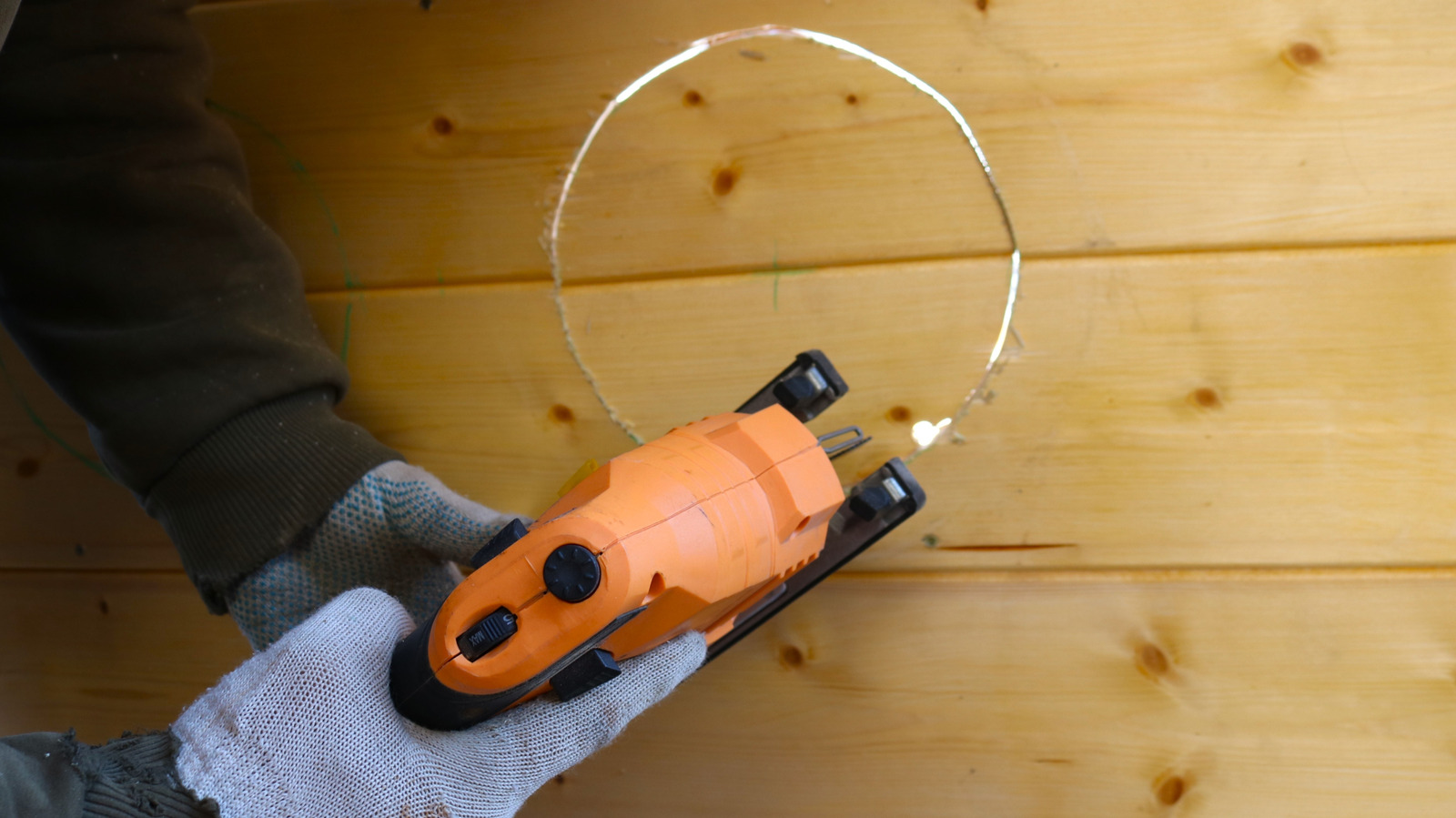
Templates help you follow complex shapes easily. Clamp a sturdy template to your wood for better results. Use a fine-tooth blade for delicate cuts.
- Choose templates made of thin plywood or plastic
- Secure templates firmly with clamps or double-sided tape
- Trace the pattern clearly before cutting
- Move the jigsaw slowly along the guide line
Combining Jigsaw With Other Tools
Using other tools alongside your jigsaw can improve precision and finish. A drill can make starter holes for inner cuts. Sanding tools smooth rough edges after cutting.
| Tool | Purpose |
| Drill | Make starter holes for internal cuts |
| Files | Refine tight curves and small details |
| Sanding blocks | Smooth edges and surfaces |
| Scroll saw | Cut very fine or delicate patterns |
Finishing Techniques For Smooth Edges
After cutting, edges may be rough or uneven. Use these steps for a clean finish.
- Start with coarse sandpaper to remove large burrs
- Switch to finer grit sandpaper for a smooth surface
- Use sanding sponges for curved edges
- Apply a wood sealer or finish to protect the wood
Frequently Asked Questions
How Do I Choose The Right Jigsaw Blade For Intricate Cuts?
Select a blade with fine teeth and narrow width for detailed cuts. Choose blades made of high-speed steel or bi-metal for durability. Match the blade type to your wood material for clean, precise results in intricate woodworking projects.
What Is The Best Jigsaw Speed For Detailed Woodworking?
Use a slow to medium speed setting for intricate cuts. Slower speeds provide better control and reduce splintering. Adjust speed based on wood hardness and blade type to achieve smooth, accurate curves and fine details.
How Can I Prevent Wood Splintering With A Jigsaw?
Use painter’s tape on the cut line to reduce splintering. Cut on the wood’s finished side, and use a fine-tooth blade. Keep the blade sharp and steady for clean, smooth edges in delicate woodworking.
What Safety Tips Should I Follow When Using A Jigsaw?
Always wear safety goggles and ear protection. Keep hands clear of the blade and secure the wood firmly. Disconnect power before changing blades and maintain a clean workspace to prevent accidents during intricate cuts.
Conclusion
Using a jigsaw for detailed woodworking takes patience and care. Choose the right blade for your project. Keep the saw steady and follow your lines slowly. Practice helps you cut curves and shapes with ease. Safety comes first—wear goggles and keep your hands clear.
With time, your skills will improve, and your work will look neat. Enjoy creating unique pieces with your jigsaw. It’s a useful tool for many woodworking tasks. Keep learning, and don’t rush your cuts. Great results come from steady hands and focus.