
Are you ready to take control of your home’s electrical setup? Knowing how to use a junction box can save you time, money, and frustration.
Whether you want to add a new light fixture or fix a wiring issue, understanding this simple device is key. You’ll discover clear, step-by-step guidance that makes working with junction boxes easy and safe. Stick with me, and you’ll gain the confidence to handle your electrical projects like a pro.
Let’s get started!

Credit: www.familyhandyman.com
Purpose Of A Junction Box
A junction box is a container for electrical connections. It keeps wires safe and organized.
Using a junction box helps prevent accidents and makes wiring easier to manage.
What A Junction Box Does
A junction box protects electrical wire connections from damage and moisture. It also helps prevent electrical fires by enclosing loose wires.
- Keeps wires safe inside a protective case
- Prevents accidental contact with live wires
- Makes it easier to find and fix wiring problems
- Keeps connections dry and free from dust
Common Types
There are different types of junction boxes to suit various needs. Each type has a specific design and use.
| Type | Description | Common Use |
| Plastic Box | Non-metallic, lightweight | Indoor dry locations |
| Metal Box | Durable and grounded | Outdoor or wet areas |
| Weatherproof Box | Sealed to keep out moisture | Outdoor installations |
| Flush-Mount Box | Fits inside walls | Wall outlets and switches |
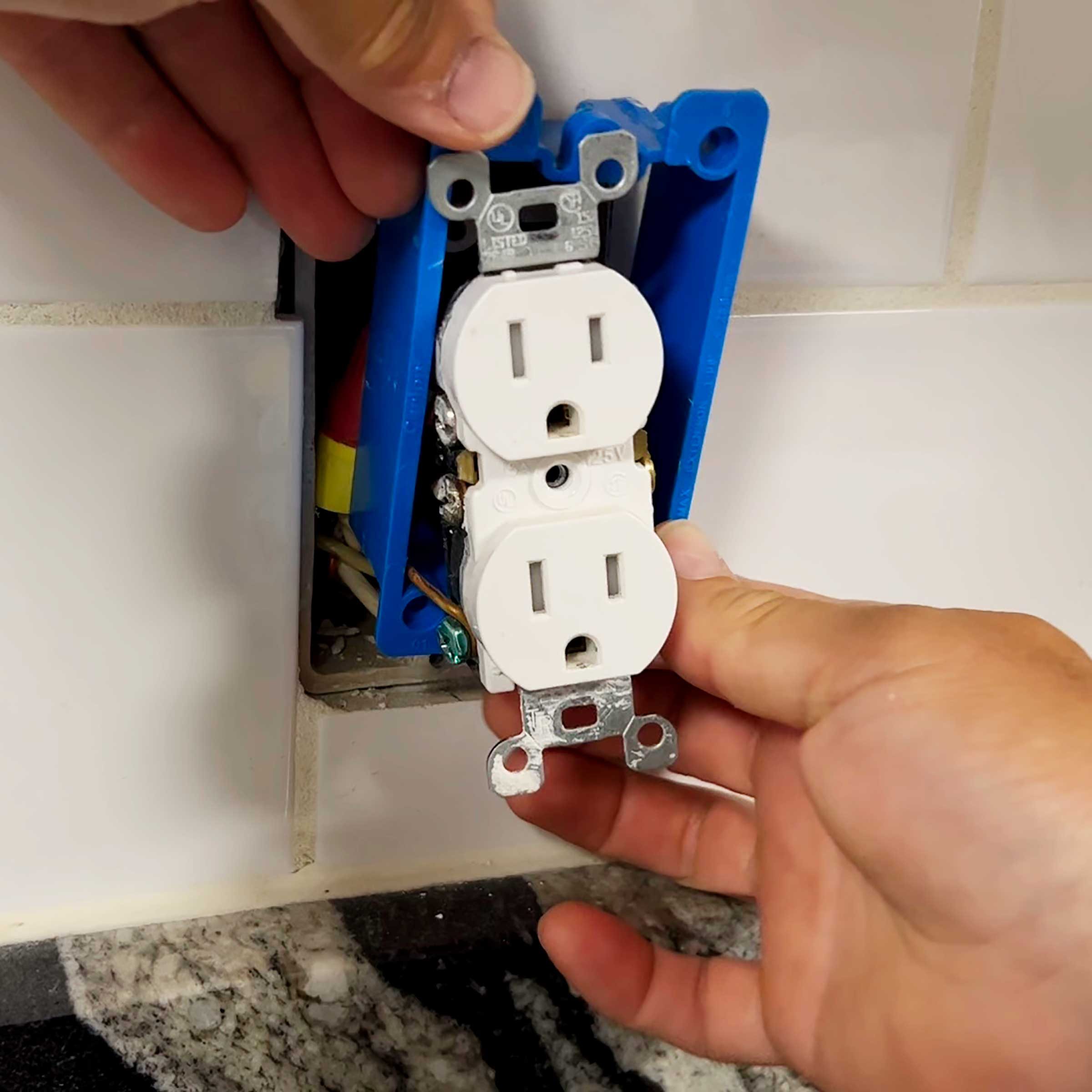
Credit: www.familyhandyman.com
Tools And Materials Needed
Using a junction box is an important task in electrical work. You need the right tools and materials to do it safely and correctly.
This guide explains the essential tools and safety gear you should have before you start.
Essential Tools
To work with a junction box, you need some basic tools. These tools help you cut wires, strip insulation, and secure connections.
- Wire strippers for removing insulation
- Voltage tester to check power
- Screwdrivers for securing screws
- Wire cutters for trimming wires
- Pliers for bending and twisting wires
- Drill with bits for mounting the box
- Measuring tape for accurate placement
Safety Gear
Safety gear protects you from electrical shocks and injuries. Always wear the right protection when working with electricity.
- Insulated gloves to prevent shocks
- Safety goggles to protect your eyes
- Dust mask if drilling in dusty areas
- Non-slip shoes for good footing
- Long sleeves to protect your skin
Preparing The Wiring Area
Before working with a junction box, prepare the wiring area carefully. This helps you work safely and efficiently.
Two key tasks are turning off the power and clearing the workspace. Follow these steps to get ready.
Turning Off Power
Always turn off the power to the circuit you will work on. This prevents electric shocks and accidents.
- Locate the main electrical panel in your home.
- Find the circuit breaker for the wiring area.
- Switch the circuit breaker to the off position.
- Use a voltage tester to confirm the power is off.
- Do not start work until you are sure the power is off.
Clearing The Workspace
Remove all objects and debris from your work area. A clean space helps you focus and avoid mistakes.
| Item | Reason to Remove |
|---|---|
| Loose wires | Prevent tripping and accidental contact |
| Tools not in use | Keep workspace organized |
| Dust and debris | Improve visibility and cleanliness |
| Flammable materials | Avoid fire hazards |
Choosing The Right Junction Box
Choosing the right junction box is important for safe and neat wiring. The box protects electrical connections from damage and keeps wires organized.
Selecting the proper box depends on factors like material and size. These factors affect durability and fit for your project.
Material Options
Junction boxes come in different materials. Each type suits certain environments and uses.
- Plastic:Lightweight and easy to install. Good for indoor, dry places.
- Metal:Strong and durable. Ideal for outdoor or industrial areas.
- Steel:Offers extra protection against impact and fire.
- Aluminum:Resists corrosion well, suitable for damp locations.
Size Considerations
Choosing the right size ensures enough room for wires and connectors. A box that is too small can cause overheating and damage.
| Box Size (inches) | Number of Wires | Recommended Use |
|---|---|---|
| 4 x 4 x 1.5 | Up to 4 | Small circuits, light switches |
| 4 x 4 x 2.5 | 5 to 8 | Standard wiring, outlets |
| 6 x 6 x 2.5 | More than 8 | Complex wiring, multiple connections |
Installing The Junction Box
A junction box holds electrical connections safely inside a container. It helps protect wires and prevents accidents. Installing it properly is important for safe wiring.
This guide explains how to mount and secure a junction box during installation. Follow simple steps to ensure it stays in place and works well.
Mounting Techniques
Choose a solid surface to mount the junction box. Common places include wall studs or ceiling joists. The box should be easy to reach for future access.
Use screws or nails to attach the box securely. Some boxes come with mounting brackets to help hold them firmly in place.
- Find a sturdy surface like wood or metal
- Align the box so the openings face the wires
- Use screws or nails through mounting holes
- Ensure the box is flush with the surface
Securing The Box
After mounting, secure the box to prevent movement. This keeps wires safe and reduces strain on connections. Tighten all screws firmly but do not over-tighten.
Use cable clamps or connectors to hold wires inside the box. This stops wires from pulling out and causing hazards.
- Tighten mounting screws evenly
- Use cable clamps on entry points
- Check for any loose wires
- Cover the box with a proper lid
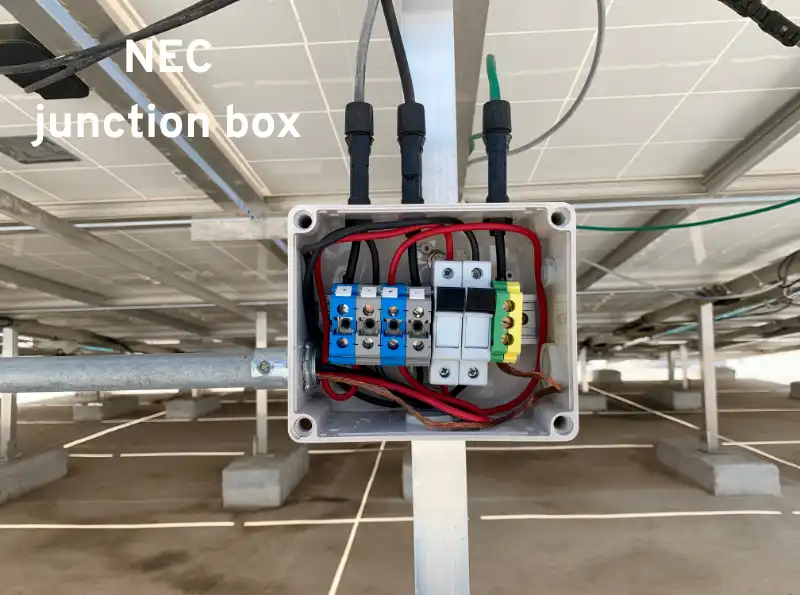
Credit: www.onesto-ep.com
Connecting Wires Safely
Working with a junction box requires care to keep wires secure and avoid hazards. Proper connection helps prevent electrical problems and ensures safety.
This guide covers key steps for stripping wires, using connectors, and grounding properly inside a junction box.
Stripping And Arranging Wires
Strip the insulation from wires carefully to avoid cutting the metal inside. Arrange wires neatly to fit inside the junction box without crowding.
- Use a wire stripper to remove about half an inch of insulation
- Check wires for damage before connecting
- Separate wires by function: hot, neutral, and ground
- Lay wires parallel and avoid sharp bends
Using Wire Connectors
Wire connectors join wires securely and prevent loose connections. Choose the right size connector for the wire gauge and number of wires.
| Connector Size | Wire Gauge | Max Wires |
| Small | 22-16 | 3 |
| Medium | 16-14 | 4 |
| Large | 12-10 | 5 |
Twist wires tightly before placing the connector. Screw the connector until it feels firm and the wires do not pull out.
Grounding Procedures
Grounding protects against electrical shock by directing current safely to the earth. Connect the ground wires first inside the junction box.
- Identify the bare or green ground wires
- Twist ground wires together using pliers
- Attach a ground wire to the metal box if it is grounded
- Use a grounding screw to secure the ground wire
Inspecting And Testing
Using a junction box safely means checking it first. Inspect and test to avoid problems.
Follow simple steps to see if the junction box works well. This keeps your wiring safe.
Visual Checks
Look at the junction box for cracks or damage. Check if the cover is tight and secure.
Inspect wires inside for loose ends or burnt spots. Make sure wires are connected properly.
- Check for broken or cracked box parts
- Make sure the cover fits well
- Look for exposed or frayed wires
- Notice any signs of burning or melting
- Ensure all wire connections are tight
Using A Voltage Tester
Turn off power before opening the junction box. Use a voltage tester to check for live wires.
Test each wire to see if electricity flows. This helps avoid shocks and confirms wiring is correct.
- Switch off power at the circuit breaker
- Open the junction box cover carefully
- Touch voltage tester to each wire
- If tester lights up, wire is live
- Only work when no wires are live
Common Mistakes To Avoid
Using a junction box is simple if you follow the rules. Many people make mistakes that can cause problems.
These errors can lead to safety risks and damage to your wiring. Learn what to avoid for a safe setup.
Overcrowding The Box
Putting too many wires inside a junction box is a common mistake. Overcrowding makes it hard to connect wires properly.
It can cause wires to bend or break, leading to shorts or fires. Leave enough space for all wires and connectors.
- Use the right size box for the number of wires
- Do not force wires into a small box
- Organize wires neatly inside the box
- Check box fill limits marked on the box
Ignoring Local Codes
Every area has rules for electrical work. Ignoring local codes can cause unsafe installations and legal trouble.
Local codes ensure safe wiring and proper box placement. Always check codes before starting your work.
- Find out the electrical code for your area
- Follow rules for box size and wire type
- Get permits if required
- Have work inspected by a professional
Maintenance Tips
Keeping a junction box in good shape is important for safety and performance. Regular care helps prevent electrical problems and extends its life.
Below are key tips on how to maintain your junction box properly and know when it needs replacing.
Regular Inspections
Check the junction box often to catch any signs of trouble early. Look for damage, dirt, and loose connections. Inspecting at least twice a year is a good practice.
- Look for cracks or breaks in the box cover.
- Ensure no moisture or water is inside the box.
- Check that all wire connections are tight and secure.
- Clean out dust or debris that may have gathered.
- Make sure the box is properly mounted and not loose.
When To Replace
Sometimes maintenance is not enough, and replacing the junction box is needed. Use this table to know when to replace your junction box.
| Condition | Reason to Replace |
|---|---|
| Cracked or broken box | Can expose wires and cause electrical hazards |
| Rust or corrosion | Weakens the box and damages wiring inside |
| Signs of overheating | May indicate electrical faults or overload |
| Loose or damaged mounting | Box may move and damage wires or connections |
| Box too small for wiring | Can cause crowding and increase risk of shorts |
Frequently Asked Questions
What Is The Primary Purpose Of A Junction Box?
A junction box safely houses electrical connections. It protects wires from damage and prevents accidental contact. It also organizes wiring and helps maintain electrical system integrity.
How Do You Properly Install A Junction Box?
To install, turn off power first. Secure the box to a stud or wall. Connect wires inside using wire nuts. Cover with a suitable lid for safety.
Can Junction Boxes Be Used Outdoors?
Yes, outdoor junction boxes must be weatherproof. They resist moisture and dust to protect wiring. Use boxes rated for outdoor use to ensure safety.
What Size Junction Box Do I Need?
Choose box size based on wire count and gauge. Follow local electrical codes for minimum dimensions. A larger box simplifies wiring and future maintenance.
Conclusion
Understanding how to use a junction box is crucial. It ensures safety. It organizes wiring neatly, preventing hazards. A clear plan helps achieve a successful installation. Practice makes perfect. Always follow safety guidelines. Double-check connections for a secure fit. Regular maintenance keeps everything running smoothly.
Mistakes can lead to big problems. So, take your time. Using the right tools is important. Consult a professional if needed. Safety should always come first. Knowledge empowers you to handle tasks confidently. Now you’re ready to tackle your own junction box project.
Happy wiring!