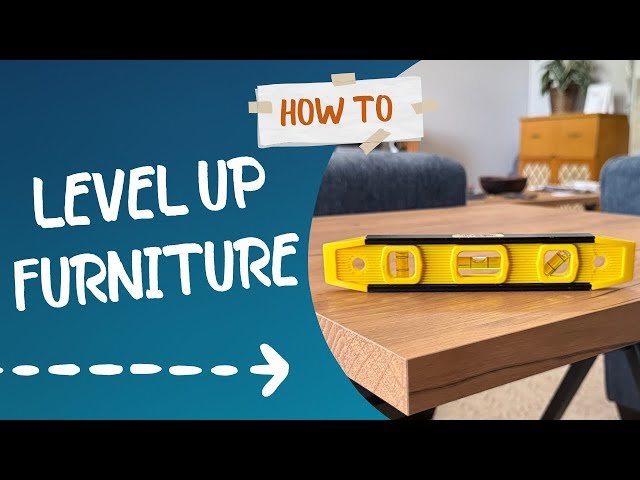
Imagine this: you finally found the perfect spot for your new bookshelf, but once you step back to admire your work, you notice that it’s slightly tilted. A crooked piece of furniture can be a real eyesore and even a hazard.
But don’t worry; you can fix it with a simple tool – a level. In this guide, you’ll discover how to use a level to make sure your furniture is perfectly balanced. Whether it’s a wobbly table or a leaning bookshelf, mastering this skill will save you time and frustration.
Plus, it can make your living space look and feel more organized. Stick around to learn these easy tips that will make your home feel just right.
Choosing The Right Level
Using a level helps make sure your furniture sits evenly. Picking the right level makes your work easier.
There are many types of levels. Each type fits different needs and furniture styles.
Types Of Levels
Bubble levels are common and simple. They use liquid and an air bubble to show if a surface is flat.
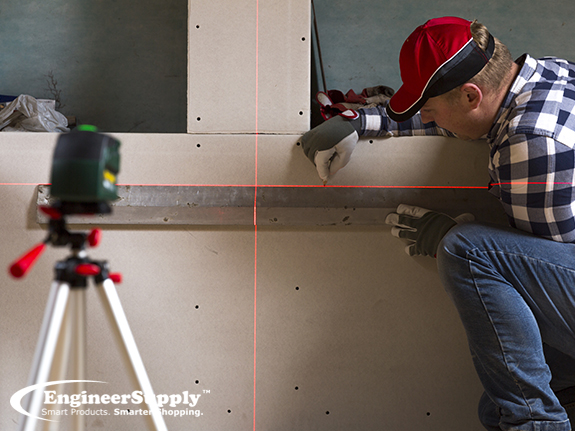
Laser levels project a straight line of light. They help check large areas and multiple points.
- Bubble levels: easy to use and affordable
- Laser levels: good for big or complex jobs
- Digital levels: show exact angle or tilt
Features To Look For
Choose a level with clear markings. This helps you read measurements quickly and correctly.
Look for a level with a sturdy build. It should resist drops and last a long time.
- Clear, easy-to-read vials or digital screen
- Strong material like aluminum or tough plastic
- Magnetic base to stick to metal furniture parts
- Compact size for easy handling and storage
Preparing Your Furniture
Before leveling furniture, it is important to prepare it properly. This makes sure the process goes smoothly and the furniture stays safe.
Start by clearing the area around and on the furniture. Then position the piece so you can check its balance easily.
Clearing The Surface
Remove all items from the furniture’s surface. This helps you see any uneven spots clearly. It also prevents objects from falling or getting damaged.
- Take off books, decorations, and electronics
- Wipe the surface clean to remove dust
- Check for any loose parts or screws
- Make sure the surface is dry before leveling
Positioning The Furniture
Place the furniture where you want it to stay. Make sure the floor underneath is clean and free of debris. This helps the furniture sit evenly.
| Tip | Reason |
| Use a soft cloth under legs | Prevents floor scratches |
| Keep furniture away from walls | Allows space to adjust level |
| Check floor for bumps or dirt | Ensures stable furniture placement |
Using The Level Correctly
Using a level helps you make sure furniture is even. It prevents wobbling and keeps items stable. Knowing how to use it correctly saves time and effort.
This guide explains how to place the level, read the bubble, and adjust furniture properly. Follow these steps for best results.
Placing The Level
Put the level on the surface you want to check. It can be on the top, side, or any flat part of the furniture. Make sure the level touches the surface fully.
- Clean the surface before placing the level.
- Hold the level steady to avoid false readings.
- Use a longer level for larger furniture pieces.
Reading The Bubble
The bubble inside the level shows if the surface is even. When the bubble sits between two lines, the surface is level. If not, the furniture needs adjusting.
| Bubble Position | Meaning |
| Centered between lines | Surface is level |
| Bubble left of center | Left side is higher |
| Bubble right of center | Right side is higher |
Adjusting The Furniture
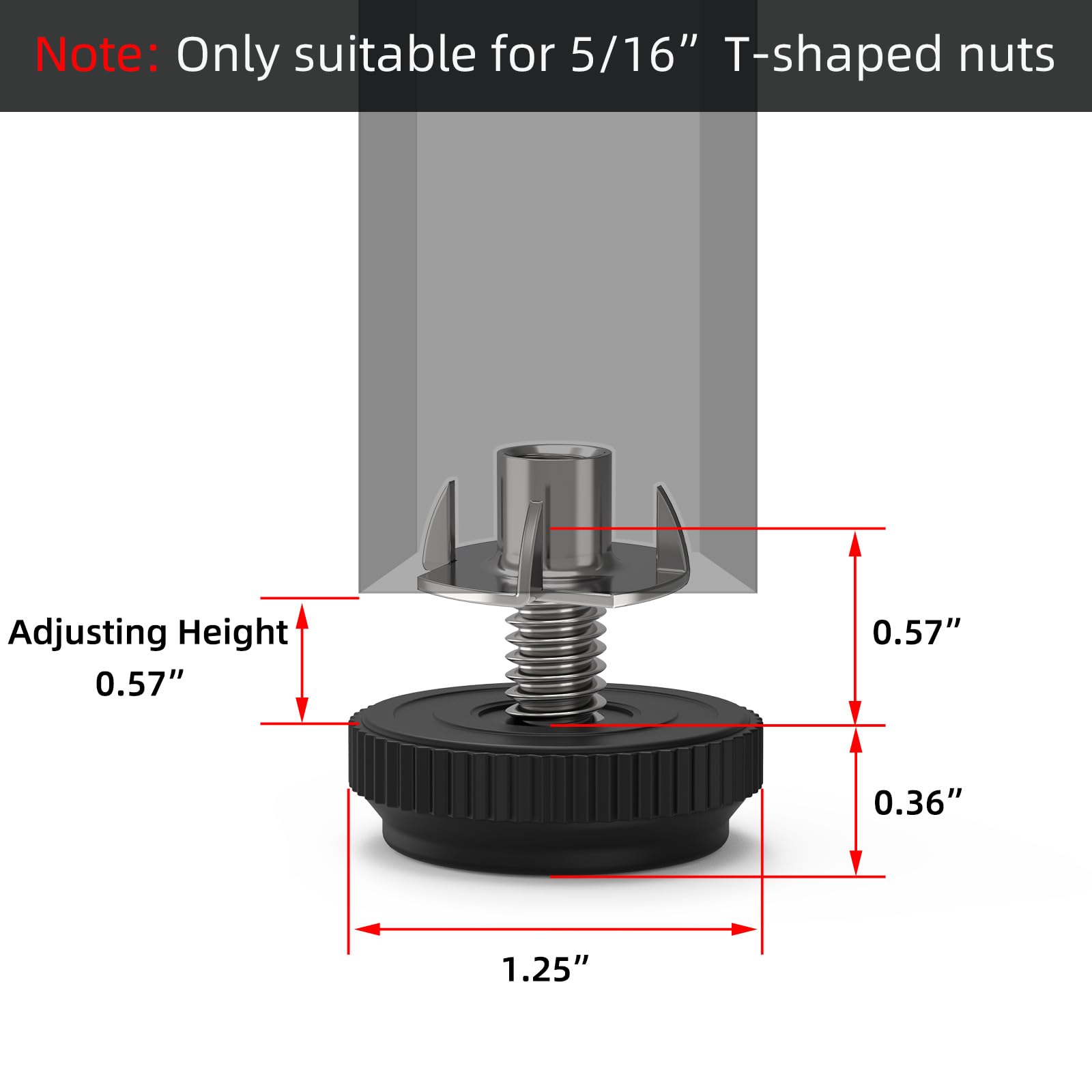
Change the height of the furniture legs or base to level it. Small objects like shims or folded paper can help adjust uneven legs.
- Check the bubble position on each side.
- Place shims under the legs that are too low.
- Retest with the level after each adjustment.
- Repeat until the bubble is centered.
Credit: www.engineersupply.com
Fine-tuning For Stability
Using a level helps make sure your furniture stands straight. Small adjustments can stop wobbling and improve safety.
Fine-tuning your furniture means checking many spots and adding support where needed. This keeps it steady on any floor.
Using Shims And Pads
Shims and pads fill gaps between furniture legs and the floor. They stop rocking and help balance uneven surfaces.
You can use wood, plastic, or rubber shims. Furniture pads also protect floors and add grip to keep furniture from sliding.
- Place shims under the shorter leg to raise it.
- Use thin pads to protect floors from scratches.
- Check the level after adding each shim or pad.
- Trim shims if they stick out too much.
Checking Multiple Points
Check the level on different parts of the furniture. This helps find spots that need adjustment for full stability.
Look at corners, edges, and the middle. Some furniture may need shims in more than one place to be steady.
- Place the level on each leg area.
- Check front-to-back and side-to-side.
- Adjust shims or pads where the level shows unevenness.
- Repeat until the furniture does not wobble.
Maintaining Furniture Balance
Using a level helps keep your furniture balanced and steady. Balanced furniture lasts longer and looks better.
Checking your furniture often prevents wobbling and damage. A level tool makes this task easy.
Regular Checks
Check your furniture balance regularly with a level. Place the level on flat surfaces like table tops or shelves.
If the bubble in the level is not centered, adjust the furniture legs or use shims to fix it. Repeat this check every few months.
- Place the level on the furniture surface
- Look at the bubble position
- Adjust legs or add shims if needed
- Recheck to confirm balance
Preventing Future Imbalance
Prevent imbalance by keeping furniture on even floors. Avoid placing heavy items on one side only.
Use felt pads under furniture legs to protect floors and reduce slipping. This helps maintain balance over time.
- Place furniture on flat, hard surfaces
- Distribute weight evenly on shelves and tables
- Use felt pads or rubber feet under legs
- Check balance after moving furniture

Credit: www.reddit.com
Credit: www.amazon.com
Frequently Asked Questions
What Is The Best Type Of Level For Furniture Leveling?
A bubble level or spirit level is ideal for furniture. It accurately shows if surfaces are horizontal or vertical. Choose a small, handheld level for easy maneuvering around furniture pieces. This tool helps ensure stability and prevents wobbling.
How Do I Check If Furniture Is Perfectly Level?
Place the level on the furniture surface. Adjust the furniture legs until the bubble is centered. Check multiple sides for accuracy. This ensures the furniture sits evenly and prevents damage or discomfort caused by uneven surfaces.
Can I Use A Smartphone App As A Level Tool?
Yes, many smartphone apps mimic bubble levels. They use the device’s sensors to show levelness. However, physical levels are more accurate for furniture. Apps are good for quick checks but not precise adjustments.
Why Is Leveling Furniture Important?
Level furniture prevents wobbling and uneven wear. It ensures safety by reducing tipping risks. Proper leveling also improves the furniture’s appearance and functionality. This simple step extends furniture life and enhances user comfort.
Conclusion
Using a level makes furniture setup easier and more precise. Check each piece carefully to avoid wobbles and tilts. Small adjustments can make a big difference in stability. Take your time and keep the level steady. A well-leveled furniture looks better and lasts longer.
This simple tool helps save frustration and improves comfort. Remember, good furniture support means safer and more enjoyable use. Try these steps next time you arrange your furniture.
