Imagine you have a piece of soft wood in front of you, ready to be crafted into something beautiful. You have your tools laid out, but you’re unsure about one thing: how to use a mallet properly without damaging the wood.
This is a common concern, and understanding the right technique can make a huge difference in your woodworking projects. You want your work to be precise and the wood to remain intact. This article will guide you on how to wield a mallet with confidence, ensuring that your creations are both beautiful and structurally sound.
By the end, you’ll feel more skilled and ready to tackle your woodworking tasks with ease. Let’s dive into the techniques that will transform your woodworking experience.
Choosing The Right Mallet
Using a mallet on soft wood needs care. The right mallet protects the wood and helps work smoothly. Picking the correct mallet depends on several factors.
This guide covers types of mallets, materials, and size to help you choose well for soft wood projects.
Types Of Mallets For Soft Wood
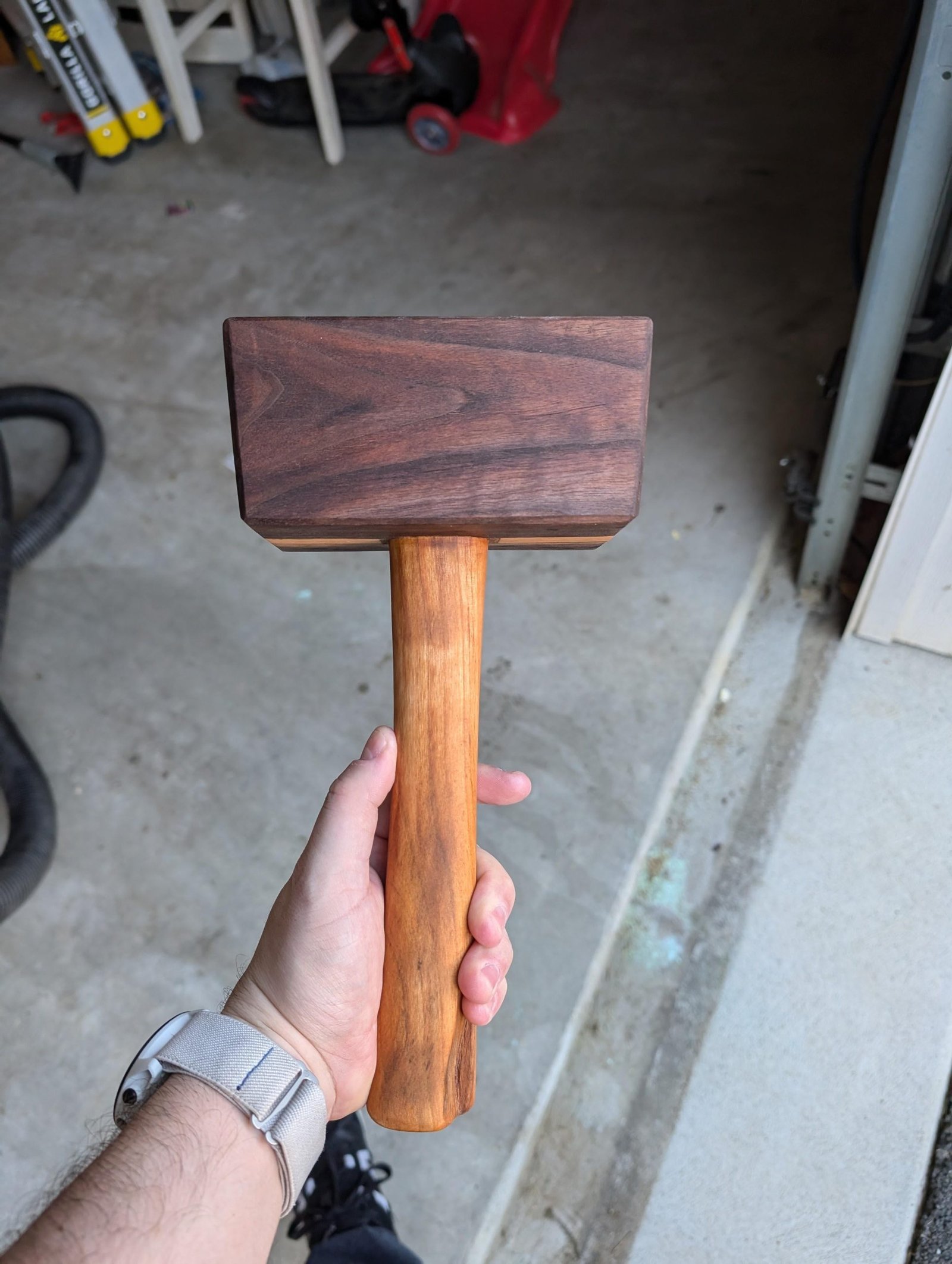
Soft wood requires a mallet that does not leave marks. Common types include wooden, rubber, and rawhide mallets. Each type offers different benefits for gentle tapping and shaping.
- Wooden mallet:Traditional and gentle, made of hardwood to avoid dents.
- Rubber mallet:Soft and flexible, ideal for delicate surfaces.
- Rawhide mallet:Wrapped head absorbs shock, good for fine woodworking.
Material Considerations
The mallet’s material affects its impact and durability. Softer materials reduce damage to soft wood. Choose a mallet that balances strength and softness.
| Material | Impact on Soft Wood | Durability |
|---|---|---|
| Hardwood | Gentle, less likely to dent | High |
| Rubber | Very soft, absorbs shock | Medium |
| Rawhide | Soft with controlled force | Medium to High |
| Plastic | May be too hard, can mark wood | Low to Medium |
Size And Weight Factors
Size and weight change how the mallet feels and works. A heavier mallet needs less force but can bruise soft wood. A lighter mallet gives control but needs more swings.
- Choose a mallet weight that feels comfortable.
- Select a size that fits your hand well.
- Balance weight to avoid wood damage.
- Test different mallets to find the best match.
Credit: www.lorddecor.com
Preparing Soft Wood For Mallet Use
Using a mallet on soft wood requires proper preparation. This helps avoid damage to the wood and ensures better control.
Focus on choosing the right wood, checking its grain, and securing it well before starting your work.
Selecting Suitable Wood Types
Soft woods differ in strength and texture. Choose wood that will hold up well to mallet hits without splintering.
- Pine: Easy to shape and widely available
- Cedar: Lightweight and resistant to cracking
- Fir: Strong yet soft enough for gentle mallet use
- Spruce: Even texture, good for fine work
Inspecting Wood Grain And Texture
Look closely at the wood grain before you start. Straight grains are easier to work with and less likely to split.
| Grain Type | Workability | Durability |
| Straight Grain | Easy to carve | High |
| Cross Grain | Hard to control | Medium |
| Curly Grain | Challenging to shape | Low |
Marking And Securing The Workpiece
Mark your cutting or carving lines clearly. Secure the wood firmly to prevent movement during mallet use.
- Use a pencil or marking knife for clear lines
- Clamp the wood to a stable workbench
- Double-check that the wood does not shift
- Wear safety gear before starting
Techniques For Using A Mallet
Using a mallet on soft wood requires care and skill. The right technique helps avoid damage and improves your work.
Learn how to hold the mallet, strike gently, and protect the wood from splintering. These tips will guide you.
Proper Grip And Stance
Hold the mallet firmly but not too tight. Use your dominant hand near the end of the handle for control.
Stand with feet shoulder-width apart. Keep your body relaxed and balanced to allow smooth swings.
- Grip the mallet handle near the end
- Keep your wrist straight
- Stand with feet apart for stability
- Keep your arms relaxed
Controlled Striking Methods
Strike the wood with light, controlled hits. Avoid heavy swings that can damage the soft wood.
Use the mallet’s flat face to hit evenly. Aim for steady taps instead of hard blows.
- Use light, steady strikes
- Hit with the flat face of the mallet
- Keep your swings smooth and even
- Adjust force depending on the task
Avoiding Damage And Splintering
Soft wood is easy to dent or splinter. Protect it by using gentle strikes and steady pressure.
Check the wood grain direction. Always strike with the grain to reduce splitting.
- Hit with light taps to avoid dents
- Strike in the direction of the wood grain
- Use a wooden or rubber mallet head if possible
- Inspect wood surface before and after striking
Common Mistakes To Avoid
Using a mallet on soft wood needs care and attention. Avoiding mistakes helps protect the wood and your tools.
Here are some common errors to watch out for. Fixing these will make your work smoother and cleaner.
Using Excessive Force
Hitting soft wood too hard can cause dents and cracks. Soft wood needs gentle taps, not heavy blows.
Using too much force can ruin the wood surface and waste effort. Try to use controlled, light strikes.
- Start with light taps to test the wood’s reaction
- Increase force slowly if needed
- Stop if the wood shows signs of damage
Wrong Mallet For The Job
Using a metal hammer or a hard mallet can damage soft wood. Choose a mallet with a softer head to protect the wood.
A wooden or rubber mallet is better for soft wood. The right mallet absorbs shock and prevents marks.
- Avoid metal hammers on soft wood
- Use wooden mallets for gentle control
- Rubber mallets work well for delicate work
Ignoring Wood Direction
Wood grain direction affects how the wood reacts to force. Striking against the grain can cause splitting.
Always tap in line with the grain. This reduces damage and helps the mallet work effectively.
- Look at the wood grain before striking
- Tap along the grain, not across it
- Adjust your position to match grain direction
Maintaining Your Mallet
Using a mallet on soft wood requires care to keep the tool in good shape. Proper maintenance helps your mallet last longer and work better.
Regular checks and cleaning prevent damage. Safe storage protects the mallet from wear and tear.
Cleaning And Storage Tips
After each use, clean your mallet to remove dirt and wood dust. Use a dry cloth to wipe it down gently. Avoid soaking the mallet in water to prevent swelling or cracking.
Store your mallet in a dry place away from direct sunlight. Keep it off the ground to avoid moisture damage. A toolbox or a hanging rack works well.
- Wipe mallet with a dry cloth after use
- Do not use water or harsh cleaners
- Store in a dry, cool area
- Keep away from direct sunlight
- Use a rack or toolbox for storage
Checking For Wear And Damage
Regularly inspect your mallet for cracks or dents. Look at the head and handle closely. Damage can affect your control and safety.
Check if the head is loose. A loose head can fall off during use. Tighten or fix it before your next project.
- Look for cracks on the mallet head
- Check the handle for splits or rough spots
- Ensure the head is securely attached
- Fix any loose parts immediately
When To Replace Your Mallet
Replace your mallet if the head is deeply cracked or broken. A damaged mallet can harm your work or cause injury.
If the handle is split or very worn, it is safer to get a new mallet. Do not use a mallet that feels weak or unstable.
- Replace if the head has deep cracks
- Replace if the handle is split or loose
- Do not use mallets that feel weak
- Get a new mallet to ensure safety

Credit: www.reddit.com
Advanced Tips For Perfect Results
Using a mallet on soft wood needs care and skill. Small mistakes can damage the wood.
These tips help you get clean, precise results every time you work with soft wood.
Combining Mallet With Other Tools
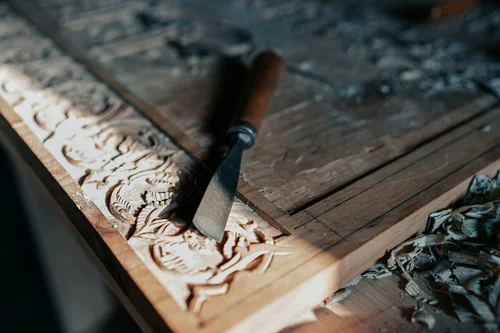
Using a mallet with other tools makes your work easier and more accurate. A chisel pairs well with a mallet for shaping soft wood.
Try tapping lightly with the mallet while holding the chisel steady. This helps control the cut and avoids splitting the wood.
- Use a sharp chisel for clean cuts
- Hold the mallet firmly but do not hit too hard
- Support the wood piece to avoid movement
- Combine with a clamp to keep wood stable
Fine Tuning With Sanding And Finishing
After using the mallet, sanding smooths rough edges on soft wood. Use fine-grit sandpaper for a gentle finish.
Apply a light finish like oil or wax to protect the wood. This also highlights the wood’s natural color and grain.
- Start sanding with 220-grit sandpaper
- Sand along the grain to avoid scratches
- Apply finish with a clean cloth in thin layers
- Let each layer dry before adding another
Troubleshooting Common Issues
If the wood splits, check your mallet strikes. Too hard hits can cause damage.
Uneven surfaces happen when the mallet is not steady. Keep your hand firm and the strikes even.
- Use softer mallet heads for delicate work
- Check the wood grain direction before striking
- Replace worn-out mallet faces to avoid marks
- Practice on scrap wood to improve control

Credit: www.reddit.com
Frequently Asked Questions
What Type Of Mallet Is Best For Soft Wood?
A rubber or wooden mallet is ideal for soft wood. These mallets prevent dents and damage, providing gentle yet effective force. Avoid metal mallets as they can mar the wood surface.
How Do I Hold A Mallet Correctly On Soft Wood?
Grip the mallet handle firmly but comfortably. Position your wrist straight to control the swing. Use smooth, controlled strikes to avoid splintering or crushing the wood.
Can I Use A Mallet Instead Of A Hammer On Soft Wood?
Yes, mallets are preferred over hammers for soft wood. They deliver softer impacts, reducing the risk of damage. Mallets help in assembling joints and tapping wood pieces gently.
How Much Force Should I Apply With A Mallet On Soft Wood?
Apply moderate force to avoid damaging soft wood. Start with light taps and increase pressure gradually. Controlled hits ensure the wood stays intact without bruising or cracking.
Conclusion
Using a mallet on soft wood needs care and the right touch. Always hold the mallet firmly and strike gently. This prevents dents and keeps the wood safe. Choose a mallet with a soft head for best results. Practice on scrap pieces before working on your project.
This helps you feel the right strength and angle. With patience, your soft wood work will look clean and strong. Keep these tips in mind for better woodworking results every time. Simple steps make a big difference.