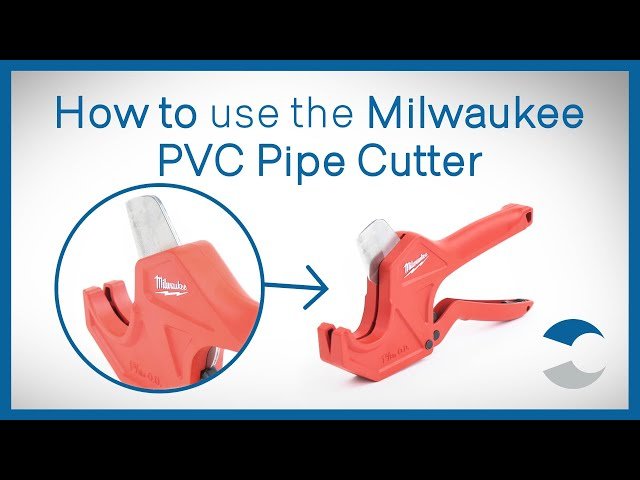
Are you looking to tackle a plumbing project with PVC pipes but unsure how to get started? Using a pipe cutter might seem intimidating, but it’s easier than you think.
Imagine the satisfaction of making clean, precise cuts every time, eliminating the hassle of jagged edges or uneven lengths. Whether you’re a DIY enthusiast or just someone looking to save a bit on home repairs, mastering the use of a pipe cutter can be your secret weapon.
In this guide, you’ll discover the simple steps to using a pipe cutter effectively. You’ll learn to achieve professional results without the stress or mess. Stick around, and you’ll soon handle PVC pipes like a pro, making your project smoother and more efficient. Let’s dive in and unlock the secrets of perfect pipe cutting!

Credit: www.pvcfittingsonline.com
Choosing The Right Pipe Cutter
Using the right pipe cutter makes cutting PVC pipes easier and cleaner. It helps you avoid damage and saves time. Picking the correct cutter depends on the pipe size and type.
This guide explains different types of pipe cutters and how to select the right size for your PVC pipe.
Types Of Pipe Cutters
There are several pipe cutters designed for different cutting needs. Each type offers unique benefits for cutting PVC pipes.
- Plastic Pipe Cutter:This cutter has sharp, curved blades to slice through PVC cleanly.
- Rotary Pipe Cutter:It uses a rotating blade and is good for larger pipes.
- Hacksaw:A basic tool with a fine-toothed blade for manual cutting.
- Ratchet Pipe Cutter:It applies steady pressure and is easy to use for thick pipes.
Selecting Cutter Size For Pvc
Choosing the correct cutter size depends on the diameter of your PVC pipe. Using the wrong size may cause uneven cuts or damage.
| Pipe Diameter | Recommended Cutter Size | Notes |
|---|---|---|
| Up to 1 inch | Small plastic pipe cutter | Best for thin pipes and tight spaces |
| 1 to 2 inches | Medium rotary or ratchet cutter | Offers smooth cuts for medium pipes |
| Above 2 inches | Large rotary cutter or hacksaw | Needed for thick or large diameter pipes |

Credit: www.commercial-industrial-supply.com
Preparing The Pvc Pipe
Using a pipe cutter on PVC pipe needs careful preparation. Proper steps help you get a clean cut without damage.
This section covers how to measure and mark the pipe, and how to hold it steady before cutting.
Measuring And Marking
Measure the PVC pipe carefully to cut the right length. Mark the cutting spot clearly to guide the cutter.
- Use a tape measure for accurate length
- Mark the pipe with a pencil or marker
- Draw a straight line around the pipe for even cutting
- Double-check the measurement before cutting
Securing The Pipe
Hold the pipe firmly to avoid slipping or movement while cutting. Use tools or supports to keep it steady.
| Method | Description |
| Pipe Clamp | Use a pipe clamp to lock the pipe in place on a workbench. |
| Vise | A bench vise holds the pipe securely without damaging it. |
| Hands with Gloves | Wear gloves and hold the pipe firmly if clamps are not available. |
Cutting The Pvc Pipe
Cutting a PVC pipe with a pipe cutter is easy and clean. It gives a smooth, straight cut without much effort.
Using the right technique helps prevent damage to the pipe. Follow these steps to cut the pipe properly.
Positioning The Cutter
Place the pipe cutter at the mark where you want to cut. Make sure the pipe is held steady and straight.
Align the cutter’s blade with the cutting line on the pipe for a precise cut.
- Hold the pipe firmly in one hand
- Fit the cutter around the pipe at the mark
- Check that the blade touches the pipe evenly
Applying Even Pressure
Tighten the cutter’s knob until the blade gently presses the pipe. Avoid forcing it too hard at first.
Apply steady pressure to cut through the pipe without crushing it.
- Turn the knob slowly to tighten the blade
- Keep pressure even across the pipe surface
- Do not squeeze too hard to avoid pipe damage
Rotating The Cutter
Rotate the pipe cutter around the pipe in a smooth motion. Keep the pressure steady as you turn.
After each full turn, tighten the knob a little more. Repeat until the pipe is cut completely.
- Hold the cutter firmly and rotate it around the pipe
- Tighten the blade slightly after each rotation
- Keep turning until the pipe separates cleanly
Finishing The Cut
After cutting PVC pipe with a pipe cutter, you need to finish the cut properly. This ensures a smooth and safe edge for fitting and joining.
Finishing the cut helps prevent leaks and damage when installing the pipe.
Removing Burrs
Burrs are rough edges left on the pipe after cutting. They can cause leaks or blockages in the pipe system.
Use a deburring tool or a utility knife to remove these burrs carefully. Run the tool around the inside and outside edges of the pipe.
- Hold the pipe firmly.
- Slide the deburring tool inside the pipe edge.
- Rotate the tool around the pipe’s inner edge.
- Trim any rough spots on the outside edge.
Checking For Clean Edges
Clean edges make it easier to join pipes with fittings. Check the pipe ends for smoothness and evenness.
Look closely at the edges to see if any cracks or uneven cuts remain. A clean edge ensures a tight seal and strong connection.
- Run your finger gently around the edge to feel for rough spots.
- Use a fine sandpaper to smooth any uneven areas.
- Make sure the pipe end is straight and flat.
Safety Tips For Cutting Pvc
Cutting PVC pipes needs care to avoid injury. Using a pipe cutter safely helps you finish the job well.
Always follow safety tips to protect yourself and others around you.
Wearing Protective Gear
Wear safety glasses to protect your eyes from flying bits. Gloves keep your hands safe from cuts and scratches.
Long sleeves and closed shoes reduce the chance of skin injuries. Make sure your clothes are tight to avoid getting caught.
- Safety glasses or goggles
- Cut-resistant gloves
- Long-sleeved shirts
- Closed-toe shoes
Handling The Cutter Safely
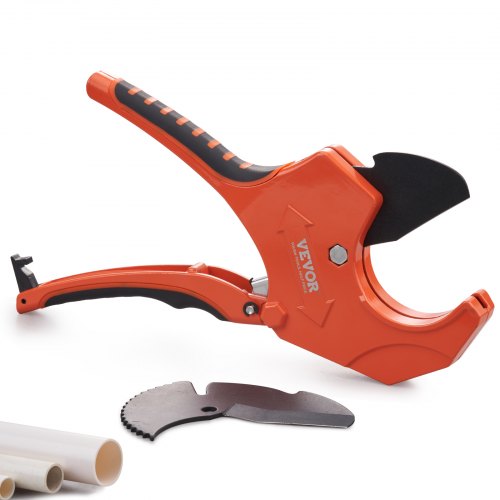
Hold the cutter firmly and steady the pipe. Use slow, even pressure to avoid slipping or breaking the pipe.
Keep fingers away from the blade. Never use a damaged cutter or force it to cut hard pipes.
- Grip the cutter with both hands if needed
- Do not rush the cutting process
- Check the blade for sharpness and damage
- Cut on a stable surface
Credit: www.vevor.ca
Maintaining Your Pipe Cutter
Keeping your pipe cutter clean and sharp helps it work well. Regular maintenance stops damage and makes cutting easier.
Simple care steps can make your pipe cutter last longer. This saves you money and effort.
Cleaning After Use
After cutting PVC pipes, clean the pipe cutter to remove dirt and debris. This prevents rust and keeps the tool smooth.
Use a dry cloth to wipe the blade and handle. For sticky residue, use a little rubbing alcohol on the cloth.
- Wipe blade and handles clean
- Remove any pipe shavings or dirt
- Dry the cutter to stop rust
- Store in a dry place
Sharpening The Blade
If the blade becomes dull, it will not cut PVC pipes cleanly. Sharpen the blade to keep it sharp and safe.
Use a fine file or sharpening stone. Gently file the blade edge in one direction until it is sharp again.
- Remove the blade if possible
- Use a fine file or sharpening stone
- File in one direction only
- Check sharpness often during filing
- Reattach blade carefully
Frequently Asked Questions
What Is The Best Pipe Cutter For Pvc Pipes?
The best pipe cutter for PVC is a ratcheting PVC cutter. It provides clean, straight cuts without crushing the pipe, ensuring a perfect fit for plumbing or irrigation projects.
How Do You Properly Use A Pipe Cutter On Pvc?
Position the cutter blade on the pipe mark. Squeeze the handles firmly and rotate the cutter around the pipe. Continue until the pipe is cut through cleanly without cracking.
Can A Pipe Cutter Damage Pvc Pipes?
If used incorrectly, a pipe cutter can crack or crush PVC pipes. Always use a sharp blade and cut slowly to avoid damage and ensure a smooth edge.
How Do You Maintain A Pvc Pipe Cutter?
Clean the blade after each use to remove residue. Sharpen or replace the blade regularly. Store the cutter in a dry place to prevent rust and maintain cutting efficiency.
Conclusion
Using a pipe cutter for PVC makes cutting clean and simple. It saves time and effort compared to other tools. Always measure and mark your pipe before cutting. Hold the cutter steady for a straight cut. Practice a few times to gain confidence.
With these steps, you can cut PVC pipes safely and easily. This skill helps in many home projects. Keep your cutter sharp and clean for best results. Ready to try? Grab your pipe cutter and start cutting right!