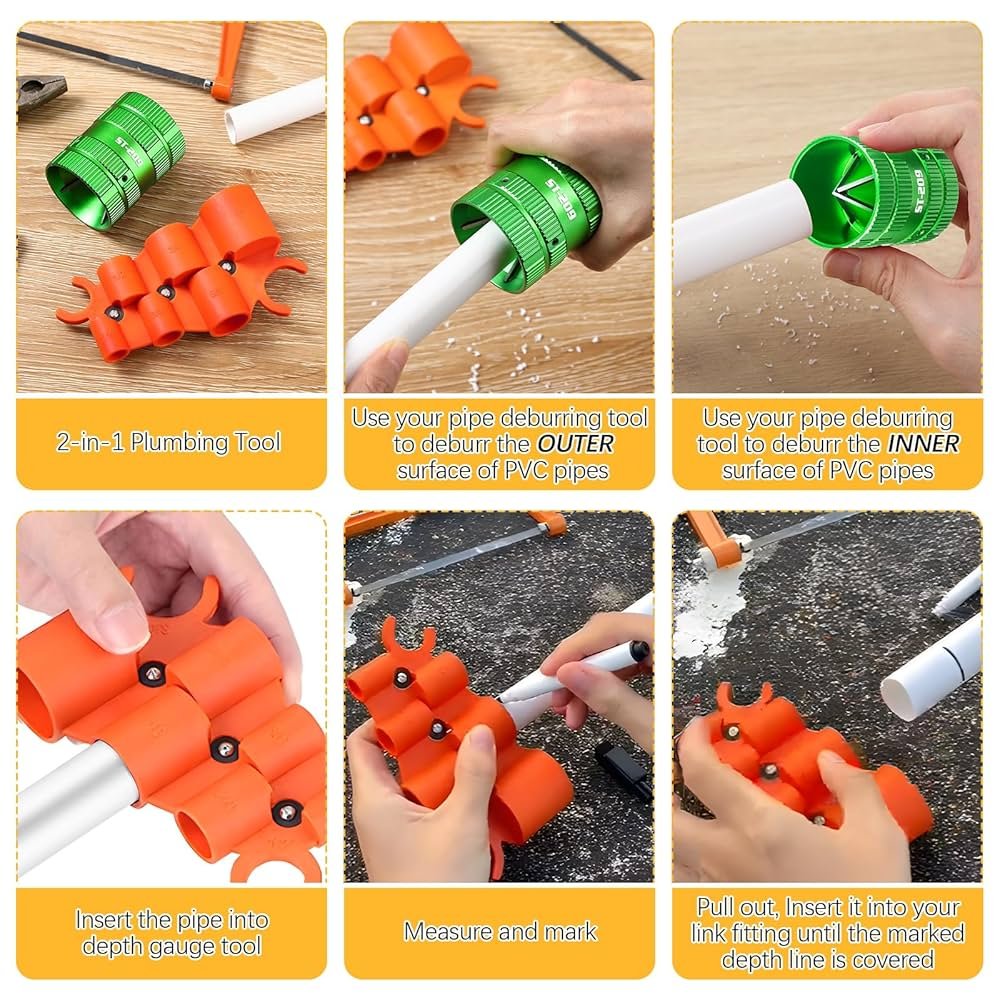
Are you tired of rough, uneven pipe edges ruining your plumbing projects? Using a pipe deburring tool can make your work cleaner, safer, and more professional.
But if you’re not sure how to use it correctly, you might be wasting time or damaging your pipes. You’ll discover simple, step-by-step tips to master the pipe deburring tool quickly. By the end, you’ll handle your pipes like a pro and avoid common mistakes that slow you down.
Ready to improve your skills and get flawless results every time? Let’s dive in!

Credit: www.reedmfgco.com
Choosing The Right Deburring Tool
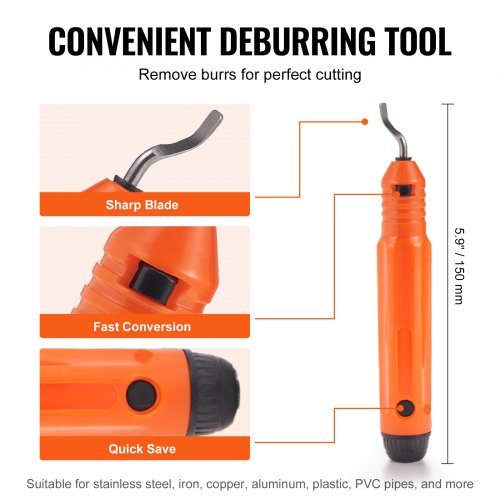
Using the correct pipe deburring tool makes your work easier and safer. It helps remove sharp edges and smooth pipe ends quickly.
Different pipes and materials need different tools. Learn about types and sizes to pick the best one.
Types Of Deburring Tools
There are several types of deburring tools. Each works best for a specific task or pipe type.
- Manual Hand Deburrers:Small, handheld tools for light work and tight spaces.
- Rotary Deburring Tools:Power tools with rotating blades for fast and smooth cuts.
- Pipe Reamers:Designed to clean and smooth the inside of pipes after cutting.
- Deburring Blades:Replaceable blades that fit into handles for different pipe sizes.
Materials And Sizes
Choosing the right material and size of the tool is important for durability and effectiveness.
| Tool Material | Use | Advantages |
| High-Speed Steel | Metal pipes | Long-lasting, cuts hard metals well |
| Carbide | Very hard metals | Extremely durable, stays sharp longer |
| Plastic or Nylon | Soft pipes like PVC | Gentle on soft materials, prevents damage |
- Sizes must match pipe diameter for a clean finish.
- Too small tools will not remove all burrs.
- Too large tools may damage the pipe.
Credit: www.vevor.ca
Preparing The Pipe For Deburring
Before using a pipe deburring tool, you need to prepare the pipe properly. This makes the deburring process easier and safer.
Two main steps help prepare the pipe: cleaning the pipe surface and securing the pipe firmly in place.
Cleaning The Pipe Surface
Remove dirt, rust, and grease from the pipe surface. A clean surface helps the deburring tool work better and prevents damage.
- Wipe the pipe with a dry cloth to remove dust.
- Use a wire brush to clean off rust or old paint.
- Apply a degreaser if the pipe has oil or grease.
- Rinse the pipe with water and dry it completely.
Securing The Pipe
Hold the pipe steady to ensure safety and accuracy when deburring. A moving pipe can cause injury or uneven edges.
| Method | Description |
|---|---|
| Pipe Clamp | Use a pipe clamp on a workbench to hold the pipe firmly. |
| Vise | Place the pipe in a vise for a strong, stable grip. |
| Support Stands | Use stands to support long pipes and prevent movement. |
Step-by-step Deburring Process
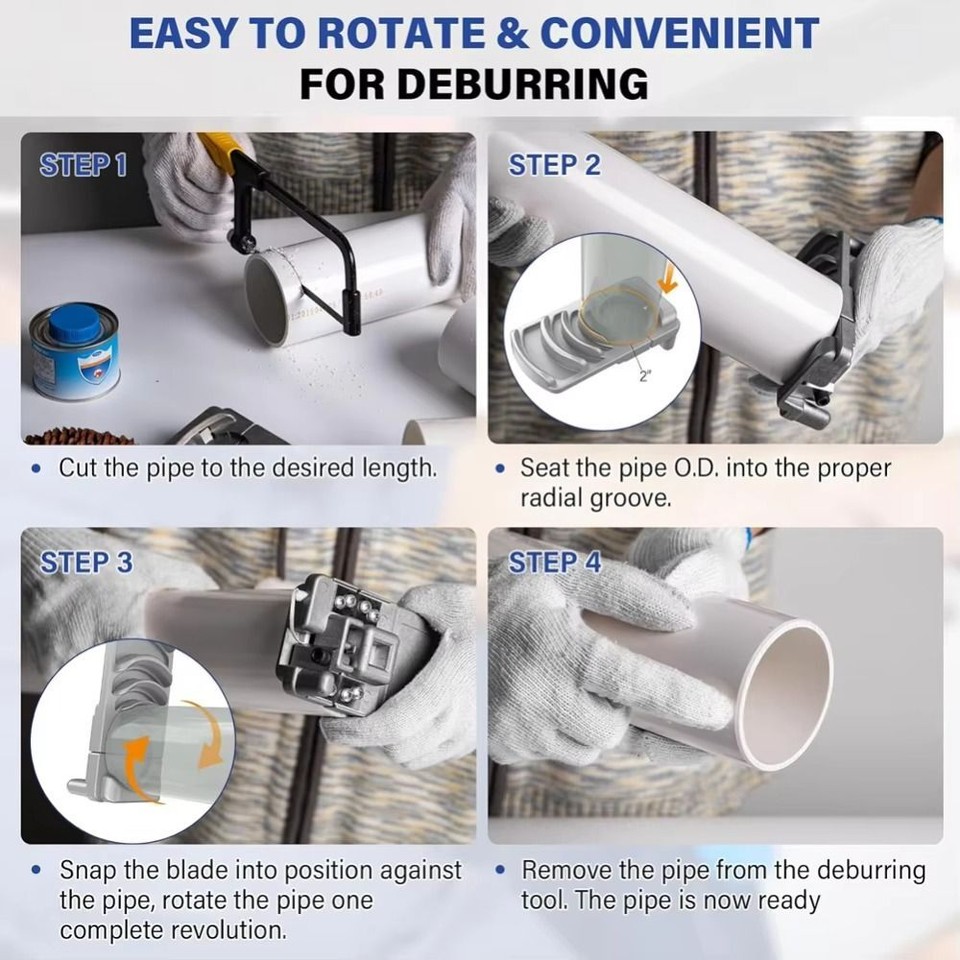
Using a pipe deburring tool removes rough edges from cut pipes. This makes pipes safe and ready for installation. Follow these steps carefully for smooth results.
This guide explains how to position the tool, apply the right pressure, and rotate it smoothly.
Positioning The Tool
Place the deburring tool at the open end of the pipe. Make sure the blade lines up with the pipe’s edge. Hold the tool steady to keep it in place.
- Check that the tool fits the pipe size.
- Hold the pipe firmly with one hand.
- Insert the tool straight into the pipe opening.
- Ensure the blade touches the inner edge of the pipe.
Applying Proper Pressure
Use enough pressure to remove burrs but avoid damaging the pipe. Too much force can cause uneven edges or cracks.
| Pressure Level | Effect |
| Light | Leaves burrs behind |
| Moderate | Removes burrs cleanly |
| Heavy | May damage pipe edge |
Rotating The Tool Smoothly
Turn the tool in a slow, even motion around the pipe’s edge. This helps to remove all rough spots evenly.
- Grip the handle firmly.
- Rotate the tool clockwise around the pipe.
- Keep the motion steady and continuous.
- Check the pipe edge for smoothness after one rotation.
- Repeat if needed until the edge is smooth.
Credit: bexcodeservices.com
Safety Tips During Deburring
Deburring pipes removes sharp edges and makes them safe to handle. It is important to follow safety rules to avoid injuries. Using the right tools and methods keeps you protected.
Always take care when working with metal or plastic pipes. Small mistakes can cause cuts or other accidents. Learn how to stay safe while using a pipe deburring tool.
Using Protective Gear
Wear protective gear to keep your hands and eyes safe. Deburring can send small metal pieces flying. These can hurt your skin or eyes.
- Use safety glasses to protect your eyes from debris.
- Wear gloves to avoid cuts and scratches on your hands.
- Choose gloves that fit well and allow good grip.
- Consider long sleeves to protect your arms from sharp edges.
- Use a dust mask if working with plastic pipes that create dust.
Avoiding Common Mistakes
Many accidents happen because of simple mistakes. Avoid rushing and use the tool correctly. This helps prevent injuries and damage to the pipe.
- Do not apply too much pressure. Let the tool do the work.
- Keep your fingers away from the blade or cutting edge.
- Secure the pipe firmly before deburring.
- Check the tool for damage before use.
- Clean the work area to avoid slipping or tripping.
- Work in a well-lit space to see clearly.
Maintaining Your Deburring Tool
Keeping your pipe deburring tool in good shape helps it work well. Proper care extends the tool’s life and ensures clean cuts every time.
Regular maintenance is simple and only takes a few minutes after each use. This guide covers cleaning and sharpening your deburring tool.
Cleaning After Use
Remove dirt and metal shavings from your tool to keep it smooth and safe. Cleaning stops rust and damage on the blade and handle.
- Wipe the blade and handle with a dry cloth after use.
- Use a soft brush to clear metal chips from hard-to-reach areas.
- If needed, apply a small amount of oil to prevent rust.
- Store the tool in a dry place away from moisture.
Sharpening And Replacement
Dull blades make deburring harder and can damage pipes. Sharpen blades regularly or replace them if worn out.
| Action | When to Do It | How to Do It |
| Sharpen Blade | Blade feels dull or cuts poorly | Use a fine file or sharpening stone carefully |
| Replace Blade | Blade is chipped, bent, or cannot be sharpened | Follow manufacturer’s instructions to install a new blade |
| Check Handle | Handle is loose or cracked | Tighten screws or replace the handle if needed |
Troubleshooting Common Issues
Using a pipe deburring tool can sometimes cause problems. Fixing these issues helps you get clean, smooth edges.
This guide covers two common problems: uneven edges and tool slipping. Follow the tips to solve them easily.
Uneven Edges
Uneven edges happen when the tool is not used correctly or the blade is dull. This causes rough or jagged pipe ends.
- Check if the blade is sharp and replace it if needed.
- Hold the tool steady and apply even pressure around the pipe.
- Rotate the pipe smoothly to avoid chipping the edges.
- Make sure the pipe is clean before deburring.
Tool Slipping
Tool slipping happens when the deburring tool loses grip on the pipe. This can damage the pipe or cause injury.
| Cause | Fix |
| Dirty or oily pipe surface | Clean the pipe with a cloth before deburring |
| Worn or loose tool parts | Tighten or replace parts as needed |
| Incorrect tool size | Use the right tool size for the pipe diameter |
| Uneven pressure during use | Apply steady, even pressure when rotating the tool |
Frequently Asked Questions
What Is The Purpose Of A Pipe Deburring Tool?
A pipe deburring tool removes sharp edges and burrs from cut pipes. It ensures smooth pipe ends for safe handling and proper fitting. This prevents leaks and damage during installation.
How Do You Use A Pipe Deburring Tool Effectively?
Insert the deburring tool into the pipe’s edge. Rotate it gently around the circumference. Apply consistent pressure to remove burrs evenly. Check the pipe end for smoothness before installation.
Can A Pipe Deburring Tool Work On All Pipe Materials?
Yes, most pipe deburring tools work on metal, plastic, and copper pipes. However, always check the tool’s compatibility with your pipe material for best results.
Why Is Deburring Pipes Important Before Plumbing Installation?
Deburring prevents leaks by ensuring tight seals. It also avoids damage to fittings and reduces injury risk from sharp edges. Proper deburring guarantees a longer-lasting plumbing system.
Conclusion
Using a pipe deburring tool is straightforward. It ensures smooth pipe edges. This tool improves safety and efficiency in projects. Proper handling prevents accidents. Always wear protective gear while working. Select the right tool for your pipe size. Practice helps perfect your technique.
Regular maintenance extends the tool’s lifespan. Clean it after each use. Store in a dry place to avoid rust. Understanding these basics enhances your experience. Safe and efficient work is the ultimate goal. Happy deburring!