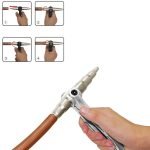
Imagine tackling a plumbing project at home and suddenly hitting a wall because the pipes just won’t fit. It’s a common frustration, but there’s a tool that can save the day: a pipe expansion tool.
This handy device can make your plumbing tasks smoother and more efficient. But how exactly do you use it? If you’ve ever found yourself scratching your head over this, you’re in the right place. You’ll discover the simple steps to master this tool, turning a daunting task into a breeze.
Plus, with a few insider tips, you’ll feel like a pro in no time. Ready to make your next plumbing project a success? Let’s dive in and unlock the secrets of the pipe expansion tool!
Credit: www.homehardware.ca
Choosing The Right Pipe Expansion Tool
Using a pipe expansion tool helps fit pipes together without leaks. Picking the right tool makes the job easier and safer.
There are many types and sizes of pipe expansion tools. You should know which one fits your pipe and project needs.
Types Of Expansion Tools
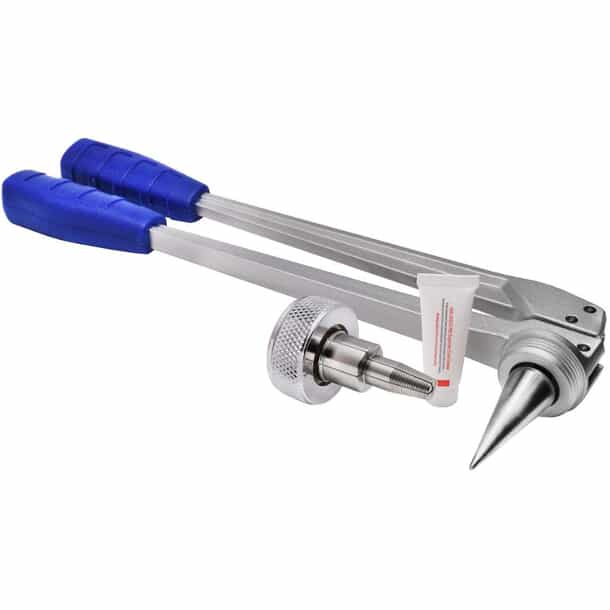
Pipe expansion tools come in different styles. Some are manual, while others use power to expand pipes.
- Manual Expanders:Handheld tools good for small jobs and tight spaces.
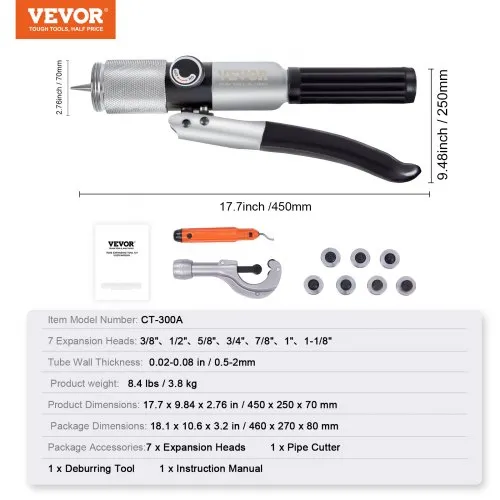
- Hydraulic Expanders:Use fluid pressure for larger pipes and harder materials.
- Electric Expanders:Powered tools that speed up work for many pipe sizes.
Material Compatibility
Not all expansion tools work with every pipe material. You must check the tool’s compatibility before use.
- Plastic Pipes: Use tools designed for soft materials like PEX or PVC.
- Copper Pipes: Require tools that handle metal without damaging the pipe.
- Stainless Steel: Need heavy-duty tools with strong expansion force.
Size Selection
Choose an expansion tool that matches your pipe size. Using the wrong size can cause poor fits or damage.
- Measure your pipe’s outside diameter accurately.
- Check the tool’s size range before buying or renting.
- Use adjustable tools for working with multiple pipe sizes.
Preparing The Pipe For Expansion
Before using a pipe expansion tool, prepare the pipe carefully. Proper preparation helps the tool work well and keeps the pipe safe.
Cleaning, measuring, and safety are important steps to prepare the pipe. Follow these steps to get ready for expansion.
Cleaning The Pipe Surface
Clean the pipe surface where you will use the expansion tool. Dirt and grease can stop the tool from working right.
Use a cloth or brush to remove dust and rust. Make sure the pipe is dry before expanding.
- Wipe off dust and dirt
- Use a wire brush for rust
- Dry the surface fully
Measuring And Marking
Measure the section of the pipe where you want to expand carefully. Accurate measuring helps avoid mistakes.
Mark the pipe with a pencil or marker. These marks guide the tool during expansion.
- Measure pipe length and diameter
- Mark expansion start and end points
- Check marks are clear and visible
Safety Precautions
Wear safety gear before starting. Pipe expansion can cause sharp edges or flying debris.
Work in a clean area and keep hands clear of moving parts. Follow all tool instructions to stay safe.
- Wear gloves and safety glasses
- Clear the workspace
- Keep fingers away from the tool
- Read the tool manual fully
Step-by-step Expansion Process
Using a pipe expansion tool helps fit pipes together securely. This guide explains how to expand pipes safely and correctly.
Follow these steps carefully to avoid damage and ensure a tight fit between pipes.
Inserting The Tool
Start by cleaning the pipe end to remove dirt and rust. This helps the tool fit properly.
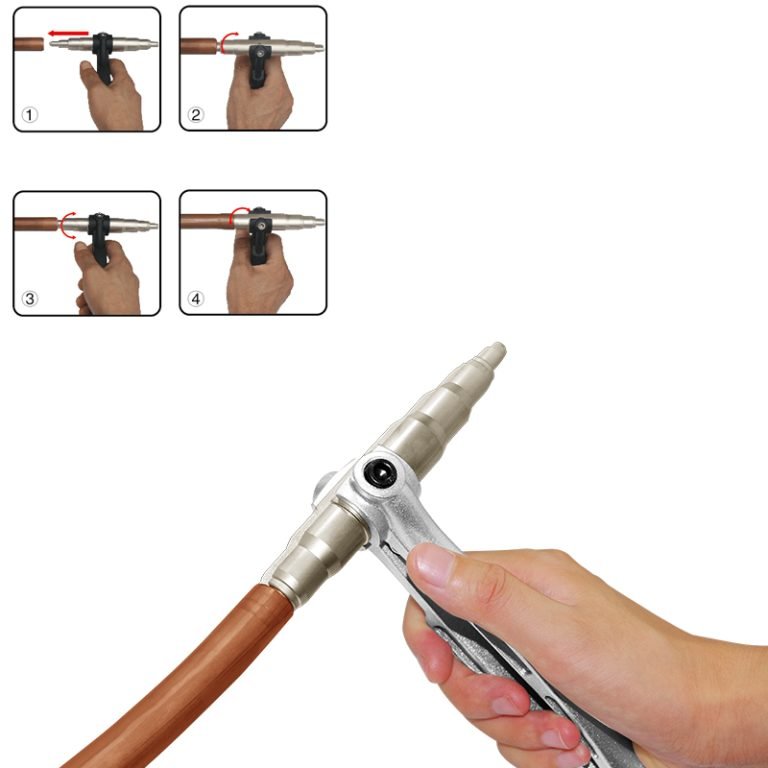
Insert the expansion tool into the pipe until it reaches the desired position. Make sure the tool is centered inside the pipe.
Operating The Tool Correctly
Slowly pump or turn the tool handle to expand the pipe. Do this evenly to avoid warping the pipe.
Stop expanding when the pipe reaches the needed size for the fitting. Do not force the tool beyond this point.
- Pump handle smoothly and steadily
- Check pipe size often
- Stop if you feel unusual resistance
Monitoring Pipe Expansion
Watch the pipe closely as it expands. Look for cracks or splits that may appear during the process.
Use a measuring tool to verify the pipe diameter matches the fitting size. This ensures a proper connection.
- Inspect pipe surface regularly
- Measure pipe diameter after expansion
- Release pressure slowly when done

Credit: www.vevor.ca
Common Mistakes To Avoid
Using a pipe expansion tool makes pipe fitting easier. But mistakes can cause damage or safety problems.
Learn what to avoid for safer and better results with your pipe expansion tool.
Over-expansion Risks
Expanding pipes too much can weaken or break them. Pipes may leak or fail later.
- Do not stretch the pipe beyond the recommended size.
- Check pipe specifications before expanding.
- Use the correct tool size for the pipe diameter.
- Expand slowly and evenly to avoid cracks.
Tool Misalignment
Align the tool straight with the pipe. Misalignment causes uneven expansion and damage.
| Misalignment Type | Effect on Pipe | How to Fix |
| Angled tool | Uneven pipe edges | Hold tool perpendicular to pipe |
| Off-center tool | Pipe deformation | Center the tool carefully |
| Loose grip | Tool slips during expansion | Secure the tool firmly |
Ignoring Safety Measures
Safety rules protect you from injury and damage. Never skip safety checks.
- Wear gloves and eye protection.
- Check the tool for damage before use.
- Keep the work area clean and clear.
- Follow the tool manufacturer’s safety instructions.
- Do not force the tool if it feels stuck.
Maintaining Your Pipe Expansion Tool
Taking care of your pipe expansion tool helps it last longer. Proper maintenance keeps it working well and safe to use.
Regular care prevents damage and ensures the tool stays ready for your next job.
Cleaning After Use
Clean your pipe expansion tool right after using it. Dirt and debris can cause problems if left on the tool.
Use a soft cloth to wipe all parts. Remove any grease or residue to keep it smooth.
- Wipe the tool with a clean cloth
- Use mild soap and water if needed
- Dry all parts completely before storing
- Check for stuck dirt or rust spots
Regular Inspection
Look over your tool regularly for any damage. Check moving parts and handles for wear.
Find small problems early to fix them before they get worse. This keeps your tool safe and effective.
- Check the expansion head for cracks or dents
- Test the moving parts for smooth action
- Look for rust or corrosion
- Tighten any loose screws or bolts
Proper Storage
Store your pipe expansion tool in a dry place. Avoid damp areas to stop rust from forming.
Keep the tool in its case or on a tool rack to protect it from damage and dust.
- Use a toolbox or a dedicated storage case
- Keep the tool away from moisture
- Avoid stacking heavy items on top
- Store in a cool, dry spot
Applications Of Pipe Expansion
Pipe expansion tools help increase the size of pipes or fittings. This makes joining pipes easier without leaks.
Many industries use pipe expansion for repair and installation work. It saves time and ensures tight connections.
Plumbing Repairs
Pipe expansion tools are common in plumbing repairs. They widen pipe ends to fit new pipes or fittings.
This tool helps fix leaks and replace damaged sections quickly. It avoids cutting or welding pipes.
- Expands copper and PEX pipes
- Allows tight, leak-free joints
- Saves time on repair jobs
Hvac Systems
HVAC systems often use pipe expansion tools during installation. They make connecting pipes easier and secure.
The tool helps fit metal pipes for heating and cooling systems. It ensures smooth airflow and prevents leaks.
- Expands copper and aluminum pipes
- Creates strong joints for refrigerant lines
- Improves system efficiency and safety
Industrial Uses
Industries use pipe expansion tools for large piping systems. They help connect pipes without welding or threading.
This tool works on steel and other metal pipes. It supports oil, gas, and water transport systems.
- Expands heavy-duty metal pipes
- Speeds up pipe installation
- Reduces the need for extra fittings
Credit: www.vevor.ca
Frequently Asked Questions
What Is A Pipe Expansion Tool Used For?
A pipe expansion tool enlarges pipe ends to fit other pipes or fittings. It ensures tight, leak-free connections in plumbing and HVAC systems.
How Do You Safely Operate A Pipe Expansion Tool?
Wear safety gloves and goggles. Clean the pipe before use. Slowly expand the pipe without forcing to avoid damage or injury.
Which Pipes Are Compatible With Pipe Expansion Tools?
Pipe expansion tools work best with copper, aluminum, and thin-walled steel pipes. Always check the tool specifications for pipe size compatibility.
Can A Pipe Expansion Tool Fix Leaks?
No, it does not fix leaks directly. It prepares pipe ends for proper joining, which helps create leak-free connections when used correctly.
Conclusion
Using a pipe expansion tool makes pipe fitting easier and faster. Follow each step carefully for the best results. Practice helps improve your skill and confidence. Always check your work to avoid leaks or damage. Keep your tool clean and well-maintained for long use.
Small efforts bring better plumbing results. Now you are ready to try it yourself!