
Are you ready to tackle your next DIY project but feeling a little unsure about how to use a power drill for metal? You’re not alone.
Many people hesitate when it comes to drilling into metal, worried they might damage their tools or ruin their materials. But here’s the good news: with a little guidance, you can confidently master this skill and unlock a world of possibilities in metalworking.
Imagine the satisfaction of crafting your own metal creations or fixing things around the house with ease. We’ll walk you through the steps to safely and effectively use a power drill for metal, ensuring your projects turn out just the way you envisioned. Stick with us, and soon you’ll be drilling like a pro!
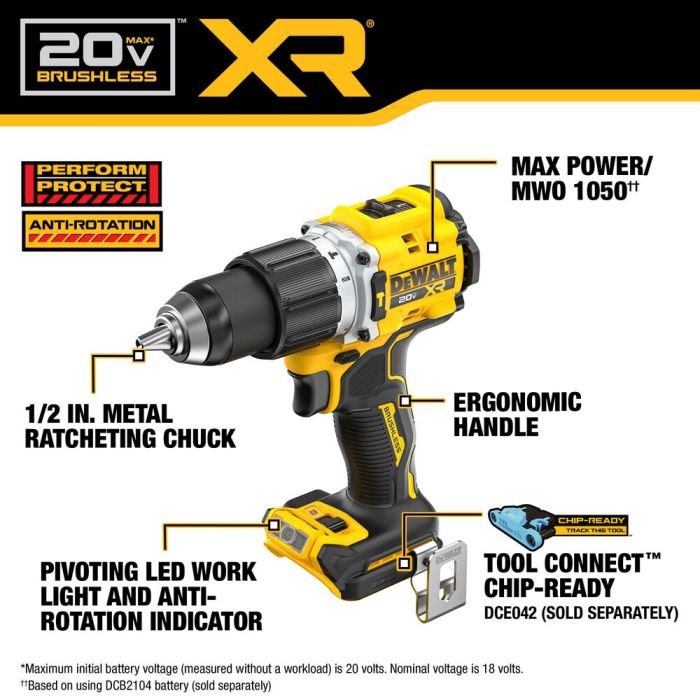
Credit: www.jccayer.com
Choosing The Right Drill And Bit
Using a power drill for metal needs careful choices. The drill and bit must fit the metal type and job.
Picking the right tools makes drilling easier and keeps the metal safe from damage.
Types Of Power Drills For Metal
Corded drills offer steady power for tough metals. Cordless drills give freedom but less power.
Hammer drills are not for metal. Use a drill with variable speed to control drilling better.
Selecting Drill Bits For Metalwork
- High-Speed Steel (HSS) bits are good for soft metals.
- Cobalt bits stay sharp and work well on hard metals.
- Titanium-coated bits last longer and reduce heat.
- Carbide bits are very strong for thick metal.
Choose bits that match the metal hardness and thickness. Use sharp bits for clean holes.
Material And Coating Considerations
| Bit Material | Best For | Benefits |
| High-Speed Steel (HSS) | Soft Metals | Affordable, good for light use |
| Cobalt | Hard Metals | Heat resistant, lasts longer |
| Titanium Coated | General Metal | Reduces friction, stays sharp |
| Carbide | Thick, Hard Metal | Very durable, cuts fast |

Credit: www.youtube.com
Preparing Your Workspace
Using a power drill on metal needs a clean and safe workspace. A good setup helps you work better and avoid accidents.
Before drilling, prepare your area carefully. This guide will help you get ready step by step.
Safety Gear Essentials
Wear the right safety gear to protect yourself from metal chips and noise. Safety helps you avoid injuries.
- Safety glasses to protect your eyes
- Gloves to protect your hands
- Hearing protection like earplugs or earmuffs
- Long sleeves to guard your arms
- Closed-toe shoes to protect your feet
Setting Up A Stable Work Area
Use a solid table or workbench to hold your metal steady. A stable surface keeps the drill steady and safe.
Clamp the metal piece firmly. This stops it from moving while you drill.
- Clear the table of clutter
- Use clamps or a vise to hold metal
- Ensure good lighting for clear visibility
- Keep power cords out of the way
Marking And Measuring Metal
Mark where you want to drill before starting. Accurate marks help you drill in the right spot.
Measure twice to be sure. Use a ruler and a marker made for metal surfaces.
- Use a metal ruler or tape measure
- Mark spots with a permanent marker or center punch
- Double-check measurements before drilling
Drilling Techniques For Metal
Using a power drill on metal requires care and the right techniques. Metal is tough and can wear down drill bits quickly. Following proper methods helps you drill clean holes without damage.
This guide focuses on controlling drill speed and pressure, using lubricants to keep things cool, and starting and finishing holes cleanly.
Drill Speed And Pressure Control
Set the drill to a low speed for metal. High speed can overheat the bit and metal. Apply steady pressure but do not force the drill. Let the bit do the work.
- Use slower speeds for hard metals like stainless steel.
- Apply firm, even pressure without pushing too hard.
- Stop drilling if you hear a screeching sound; it means too much friction.
- Pull the bit out occasionally to clear metal shavings.
Using Lubricants To Reduce Heat
Lubricants help keep the drill bit and metal cool. This reduces wear and prevents damage to both the bit and the workpiece.
| Lubricant Type | Use |
|---|---|
| Cutting oil | Best for all metal drilling tasks |
| Machine oil | Good for light drilling work |
| Vegetable oil | Use as a substitute if cutting oil is not available |
| Soap and water | Works for soft metals but not recommended for steel |
Starting And Finishing Holes Cleanly
Start drilling with a small pilot hole to guide the larger bit. This helps keep the drill steady and prevents slipping.
- Mark the drilling spot clearly with a center punch.
- Use a small drill bit to make a pilot hole first.
- Switch to the correct size bit to enlarge the hole.
- Drill slowly near the end to avoid rough edges.
- Deburr the hole edges with a file or deburring tool.
Handling Common Challenges
Using a power drill for metal can be tricky. You may face some common problems during drilling.
Knowing how to handle these issues helps you work safely and get better results.
Avoiding Bit Slippage
Bit slippage happens when the drill bit slips off the metal surface. It can damage the workpiece or cause injury.
To avoid slippage, start with a small pilot hole or use a center punch to mark the spot.
- Use a sharp drill bit designed for metal
- Hold the drill steady and apply firm pressure
- Start drilling at a low speed
- Keep the drill perpendicular to the metal surface
Dealing With Hard Or Thick Metals
Hard or thick metals need more care when drilling. Using too much force can break the bit or damage the metal.
Use a drill bit made for tough metals and apply cutting oil to reduce heat and friction.
- Choose cobalt or titanium-coated drill bits
- Drill at a slow speed to prevent overheating
- Apply cutting oil regularly during drilling
- Let the drill rest if it gets too hot
Fixing Stripped Or Worn Drill Bits
Drill bits wear out over time or get stripped. This reduces their ability to cut metal well.
You can fix minor wear by sharpening the bit or replacing it if damaged badly.
- Use a bench grinder to sharpen dull bits carefully
- Check for cracks or chips before reusing a bit
- Replace bits that are bent or severely worn
- Store bits properly to avoid damage
Maintaining Your Tools
Keeping your power drill and its parts clean helps them work better. Good care stops damage and saves money.
Regular checks and cleaning make your drill last longer. It also keeps your work safe and easy.
Cleaning And Storing Drill Bits
After using drill bits on metal, clean off dust and metal bits. Use a brush or cloth to remove debris.
Store bits in a dry case to stop rust. Keep them organized by size for quick use.
- Wipe bits with a dry cloth
- Use oil to prevent rust
- Keep bits in a closed container
- Sort bits by size for easy access
Inspecting And Replacing Parts
Check your drill often for worn or broken parts. Look at the chuck, cord, and switches closely.
Replace any damaged parts quickly. Using broken parts can cause accidents or damage the drill.
- Inspect the chuck for tightness
- Look for frayed or cut cords
- Test switches for smooth operation
- Replace worn brushes or parts as needed
Tips For Extending Drill Life
Use your power drill carefully to make it last. Avoid pushing too hard on the drill.
Let the drill cool down after long use. Store it in a dry, safe place away from dust.
- Use the right drill bit for metal
- Do not force the drill during use
- Let the drill rest if it gets hot
- Keep the drill dry and dust-free

Credit: www.darttoolgroup.com
Frequently Asked Questions
What Drill Bit Is Best For Drilling Metal?
Use high-speed steel (HSS) drill bits for metal. They provide durability and sharpness needed to drill through tough metals efficiently and cleanly.
How Do I Prevent Metal From Overheating?
Apply cutting oil or lubricant on the metal surface. Drill at a moderate speed and avoid applying too much pressure to reduce heat buildup.
Can I Use A Cordless Drill For Metal?
Yes, cordless drills can work on metal if they have enough power. Use appropriate drill bits and maintain steady speed for best results.
How Do I Secure Metal While Drilling?
Clamp the metal firmly on a stable surface. This prevents movement, ensures accuracy, and improves safety during the drilling process.
Conclusion
Using a power drill on metal needs care and the right tools. Always pick the correct drill bit for metal. Keep the drill steady and use slow speed. Wear safety glasses to protect your eyes. Clean the metal surface before drilling for best results.
Practice on scrap metal helps build your skill. Follow these simple steps to drill metal safely and well. Your projects will look better and last longer. Try these tips next time you drill metal. You will see the difference.