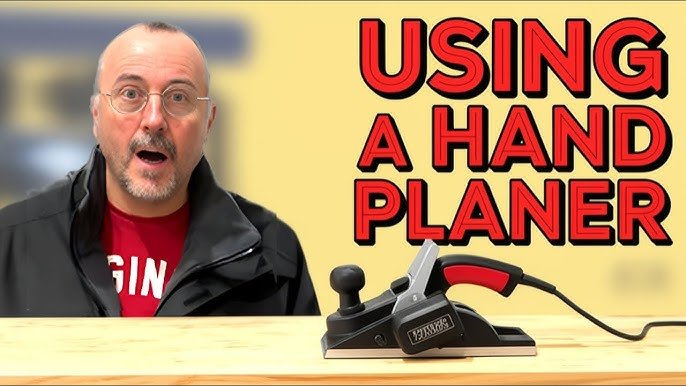
Are you ready to take your woodworking skills to the next level? Imagine achieving perfectly smooth surfaces and flawless finishes with ease.
That’s exactly what a power planer can do for you. This indispensable tool can transform your woodworking projects, saving you time and effort while delivering professional results. Whether you’re a seasoned craftsman or a DIY enthusiast, learning how to use a power planer effectively is a game-changer.
In this guide, we’ll break down the essentials, ensuring you gain the confidence and know-how to make the most of this powerful tool. Let’s dive in and unlock the secrets to seamless woodworking!

Credit: www.findbuytool.com
Choosing The Right Power Planer
Choosing the right power planer is important for woodworking projects. It helps you smooth and shape wood easily.
Different planers work for different tasks. Knowing what to look for makes your work better and safer.
Types Of Power Planers
There are several types of power planers. Each type fits a specific woodworking need.
- Handheld Planers: Portable and good for small jobs.
- Bench Planers: Large and fixed, used for heavy-duty work.
- Electric Planers: Fast and easy to use for trimming edges.
- Manual Planers: Require physical effort, ideal for fine control.
Key Features To Consider
| Feature | Why It Matters |
|---|---|
| Blade Width | Wider blades cover more area, speeding work. |
| Cutting Depth | Adjustable depth helps control how much wood is removed. |
| Power Source | Corded for constant power, cordless for mobility. |
| Weight | Lighter planers are easier to handle for long periods. |
| Dust Collection | Keeps work area clean and improves safety. |
Safety Ratings And Certifications
Look for safety ratings to ensure the planer meets standards. Certifications show the tool is tested for safe use.
- UL (Underwriters Laboratories) marks electrical safety.
- CSA (Canadian Standards Association) indicates Canadian compliance.
- CE (Conformité Européenne) shows European safety standards.
- Check for guards and emergency stop features on the planer.
- Read user manuals to understand safe operation.

Credit: www.findbuytool.com
Preparing Your Workspace
Using a power planer safely starts with a well-prepared workspace. A tidy and organized area helps you work more efficiently and prevents accidents. This guide covers three key parts to get your space ready.
Make sure your work surface is steady, your lighting is good, and you have the right safety gear. These basics help you focus on your woodworking project.
Setting Up A Stable Work Surface
A stable surface keeps your wood steady as you use the planer. This prevents slips and ensures smooth, even cuts. Choose a solid workbench or table that does not wobble.
- Use clamps to hold the wood firmly in place.
- Check that the workbench legs are even and secure.
- Clear the surface of any debris or tools that might cause instability.
- Make sure there is enough space around you to move freely.
Ensuring Proper Lighting
Good lighting helps you see the wood grain and planer edges clearly. This reduces mistakes and improves safety. Natural daylight is best, but you can add strong work lamps if needed.
| Lighting Type | Benefits |
| Natural Daylight | Bright and even, shows true colors |
| LED Work Lights | Energy-efficient and adjustable |
| Fluorescent Lamps | Good for large areas, less heat |
Gathering Essential Safety Gear
Wear safety gear to protect yourself from wood chips and dust. Proper equipment lowers the risk of injury while you work with the power planer.
- Safety glasses to protect your eyes
- Hearing protection like earplugs or earmuffs
- A dust mask to avoid breathing wood particles
- Work gloves to protect your hands
- Close-fitting clothes to prevent catching in the planer
Setting Up The Power Planer
Setting up your power planer correctly is important for safe and effective woodworking. Proper setup helps you get smooth cuts and avoid damage to your wood.
This guide covers installing blades, adjusting depth, and checking your tool’s power and cord before use.
Installing And Adjusting Blades
Start by unplugging the planer to stay safe. Remove the blade cover to access the blades. Install new blades carefully, aligning them with the slots.
- Use gloves to protect your hands.
- Insert blades so the sharp edges face the direction of rotation.
- Tighten screws firmly but do not overtighten.
- Adjust blades so they stick out evenly from the blade holder.
- Replace the cover securely before use.
Calibrating Depth Settings
The depth setting controls how much wood the planer removes at once. Set this before you start to avoid taking too much off.
| Depth Setting | Use |
|---|---|
| 0.5 mm | Fine smoothing |
| 1.0 mm | Light planing |
| 1.5 mm | Medium planing |
| 2.0 mm | Heavy material removal |
Adjust the depth wheel to the desired setting. Test on scrap wood and change if needed for best results.
Checking Power And Cord Condition
Before plugging in the planer, inspect the power cord and plug. Look for cracks, cuts, or loose connections.
- Do not use the planer if the cord is damaged.
- Make sure the plug fits tightly in the outlet.
- Check that the power switch works smoothly.
- Keep the cord away from the cutting path.
Techniques For Effective Planing
Using a power planer helps smooth and shape wood quickly. Good techniques make the work easier and the result better.
Focus on how you hold, press, and move the planer. These steps affect the quality of your wood surface.
Holding And Guiding The Planer
Hold the planer firmly with both hands. One hand should be on the front handle and the other on the rear handle.
Keep your arms steady and guide the planer in a straight line along the wood. Avoid twisting your wrists.
- Use a steady grip to control the tool
- Keep the planer flat on the wood surface
- Move the planer smoothly without jerks
Maintaining Consistent Pressure
Apply even pressure while planing. Pressing too hard can cause gouges or uneven surfaces.
Let the planer do the work. Your pressure should keep the blades in contact without forcing them.
- Use steady, gentle pressure
- Do not push the planer too fast
- Adjust pressure if you feel the tool struggling
Working With Grain Direction
Planing with the wood grain gives a smooth finish. Going against the grain can cause splinters and roughness.
Look closely at the wood grain before you start. Move the planer in the same direction as the grain flows.
- Identify the grain direction by the wood lines
- Plan along the grain, not against it
- For difficult grain, use lighter passes
Handling Common Wood Types
Using a power planer is easier when you know your wood. Different woods need different care. This guide helps you handle common wood types safely.
Learn how to plane softwoods and hardwoods, work on rough or smooth surfaces, and deal with knots and flaws in wood.
Softwoods Vs Hardwoods
Softwoods are lighter and easier to plane. Hardwoods are dense and tougher to work on. Choose the right blade sharpness for each type.
| Wood Type | Texture | Planing Tips |
| Softwood | Light, porous | Use medium blade speed |
| Hardwood | Dense, tight grain | Use sharp blades and slow feed |
Planing Rough Vs Finished Surfaces
Rough wood needs more passes with the planer. Finished wood requires a light touch to avoid damage. Adjust the depth of cut accordingly.
- Start with a deeper cut on rough surfaces
- Use shallow cuts on smooth, finished wood
- Check the surface often to avoid removing too much
- Keep the planer moving steadily to prevent gouges
Dealing With Knots And Imperfections
Knots and flaws can slow your planer or cause damage. You must handle these areas carefully to keep your wood smooth.
Tips for Knots and Imperfections:
- Reduce the blade depth near knots
- Move the planer slowly over tough spots
- Check blades for dullness after knots
- Sand areas after planing for a smooth finish
Troubleshooting And Maintenance
Using a power planer for woodworking needs care and attention. Fixing problems early keeps the tool working well.
Regular maintenance improves safety and the quality of your work. Learn how to spot issues and keep your planer in good shape.
Identifying Common Issues
Watch for signs like uneven cuts or strange noises. These often mean the blades are dull or parts are loose.
- Planer stops suddenly or won’t start
- Wood surface has gouges or uneven spots
- Excessive vibration during use
- Burn marks on the wood
- Unusual smells or smoke
Cleaning And Lubricating Components
Clean the planer after each use to remove dust and wood shavings. Use a brush or compressed air to clear hard spots.
Lubricate moving parts to reduce wear and keep the planer running smoothly. Avoid over-lubricating, which can attract dust.
| Component | Cleaning Method | Lubrication Type |
| Blades | Wipe with dry cloth | Not recommended |
| Rollers | Brush off dust | Light machine oil |
| Motor housing | Compressed air | No lubrication |
| Depth adjustment knob | Wipe clean | Grease or light oil |
Replacing Blades And Parts
Change blades when they become dull or damaged. Use the correct tools and follow safety steps to avoid injury.
- Unplug the planer before starting
- Use the blade wrench to loosen screws
- Remove old blades carefully
- Install new blades firmly and evenly
- Check other parts for wear and replace if needed
- Test the planer on scrap wood after replacement
Advanced Tips And Tricks
Using a power planer can greatly improve your woodworking projects. Learning some advanced tips helps you get cleaner and more precise results. This guide shares expert advice for better use of your planer.
Focus on techniques that create smooth edges, aid joinery, and combine the planer with other tools. These ideas save time and improve the quality of your work.
Creating Smooth Edges
To get smooth edges, adjust the depth of cut carefully. Taking thin passes is better than heavy cuts. Always move the planer with steady pressure and speed.
- Check the blade sharpness before starting
- Use a guide fence to keep edges straight
- Sand lightly after planing for extra smoothness
- Plan your cuts along the wood grain direction
Using Planer For Joinery
Power planers help make precise joints by trimming edges to exact sizes. Use the planer to fit pieces tightly for a stronger bond. Be patient and test fit often.
| Joinery Type | Planer Use | Tip |
| Butt Joint | Trim edges square | Keep base flat on wood |
| Dovetail | Fine tune tails and pins | Use light passes |
| Mortise and Tenon | Smooth tenon shoulders | Check fit frequently |
Combining Planer With Other Tools
Using a power planer with other tools improves efficiency. You can prepare wood faster and get better results by pairing tools smartly.
Try these combinations:
- Use a power planer then a belt sander for a smooth finish
- Combine planer with a jointer to flatten and square boards
- Follow up planing with a router for decorative edges
- Use clamps to hold wood steady while planing

Credit: www.familyhandyman.com
Frequently Asked Questions
What Is The Main Purpose Of A Power Planer?
A power planer smooths and levels wood surfaces quickly. It removes thin layers of wood for an even finish. This tool is ideal for shaping edges and reducing thickness efficiently in woodworking projects.
How Do I Set The Depth On A Power Planer?
Adjust the depth knob or lever to control wood removal. Start with a shallow cut for safety and precision. Gradually increase depth for thicker material removal without damaging the wood.
Can A Power Planer Be Used On Hardwood?
Yes, power planers work on hardwood but require sharp blades. Use slower feed rates to avoid burn marks. Always test on scrap wood to ensure smooth cutting and blade effectiveness.
What Safety Precautions Should I Take When Using A Power Planer?
Wear safety goggles and ear protection before operating. Keep hands clear of the blade path and use clamps. Ensure the workpiece is stable to prevent accidents during planing.
Conclusion
Using a power planer can make woodworking faster and neater. Always follow safety steps to avoid accidents. Keep your tool sharp and clean for best results. Practice on scrap wood before working on your project. Small, steady passes give smoother surfaces.
With patience, your skills will grow over time. Enjoy shaping wood with confidence and ease.