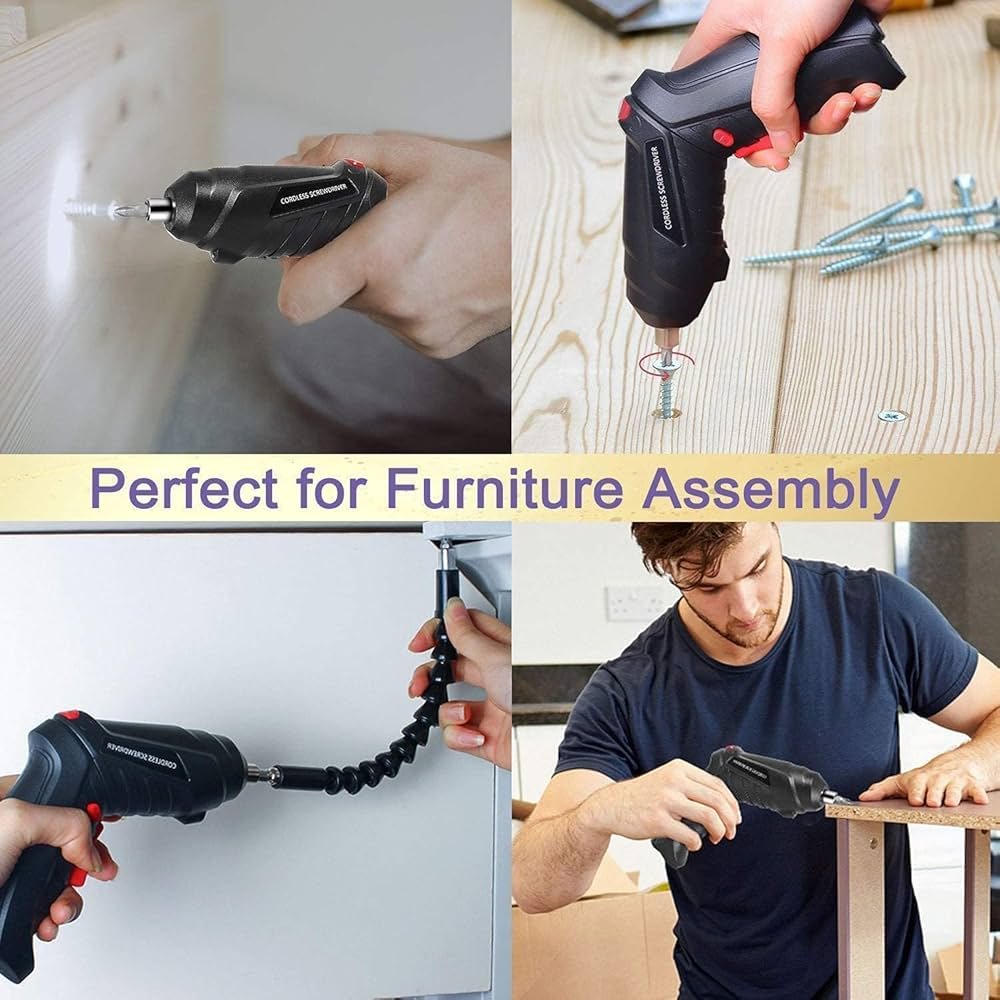
Are you tired of struggling with tiny screws and wasting time putting furniture together? Using a power screwdriver can change the whole experience.
It makes assembly faster, easier, and less frustrating. In this guide, you’ll learn simple steps to use a power screwdriver like a pro. Whether you’re a beginner or just want to work smarter, this article will help you save time and avoid common mistakes.
Keep reading, and soon you’ll feel confident building your furniture with ease.
Choosing The Right Power Screwdriver
Using a power screwdriver makes furniture assembly easier and faster. Picking the right one helps you work comfortably and safely.
Many options exist, so consider your needs before buying. Focus on power type, features, and trusted brands.
Corded Vs Cordless Options
Corded screwdrivers plug into power outlets. They offer constant power without needing to charge.
Cordless models run on batteries. They are easy to carry and use anywhere, but need charging.
- Corded:No battery limits, steady power, but less portable
- Cordless:Portable, handy for tight spots, but battery life varies
Key Features To Consider
Look for a screwdriver that fits your hand well. Comfort helps prevent fatigue during use.
Check the torque settings. Adjustable torque lets you control screw tightness and avoid damage.
- Ergonomic handle for comfort
- Adjustable torque settings
- Variable speed control for precision
- Lightweight design for easy use
- LED light to see in dark areas
- Quick-change chuck for fast bit swaps
Recommended Brands And Models
Trusted brands offer good quality and durability. Look for models with positive reviews from users.
| Brand | Model | Type | Key Feature |
|---|---|---|---|
| DeWalt | DCF680N2 | Cordless | Compact and lightweight |
| Makita | TD0101F | Corded | High torque and speed |
| Bosch | PS21-2A | Cordless | Two-speed settings |
| Black+Decker | BDCS20C | Cordless | Affordable and easy to use |
Preparing For Furniture Assembly
Using a power screwdriver makes furniture assembly easier. Preparing well saves time and avoids mistakes.
Before starting, get your tools ready and understand the instructions clearly. This helps the process go smoothly.
Gathering Necessary Tools
Having the right tools ready is key. A power screwdriver is the main tool, but you also need other items.
- Power screwdriver with charged battery
- Different screwdriver bits for various screws
- Measuring tape to check parts
- Rubber mallet for gentle tapping
- Safety gloves and glasses
- Small container for holding screws
Organizing Screws And Parts
Sort screws and parts before assembly. This saves time and stops you from losing pieces.
| Type | Description | Tip |
| Screws | Different sizes and lengths | Group by size and type in small containers |
| Panels | Wood or metal parts of furniture | Lay flat and check labels or markings |
| Fasteners | Bolts, nuts, and washers | Place near screws but separate by type |
Reading Assembly Instructions
Read the instructions fully before you start. This helps you understand all steps and tools needed.
- Check the parts list and match all pieces.
- Note the order of assembly steps.
- Look for symbols or warnings in the manual.
- Understand how the power screwdriver fits in each step.
- Keep the manual nearby while working.
Setting Up The Power Screwdriver
Using a power screwdriver makes furniture assembly faster and easier. Before starting, it is important to set up the tool correctly. This helps you work safely and finish the job well.
Setting up includes choosing the right bit, adjusting torque, and preparing the battery. These steps help the screwdriver work properly for your furniture project.
Installing The Correct Bit
Choose a screwdriver bit that fits the screws you will use. Using the wrong bit can damage the screw or the tool. Most furniture uses Phillips or flathead screws.
To install the bit, open the chuck on the power screwdriver. Insert the bit fully and tighten the chuck. Make sure the bit is secure and straight before use.
- Match bit type to screw head (Phillips, flathead, etc.)
- Insert bit into the chuck firmly
- Tighten chuck to hold bit in place
- Check bit is straight and secure
Adjusting Torque Settings
Torque controls how much force the screwdriver uses. High torque can drive screws deep but may damage soft wood. Low torque is good for delicate parts.
Set the torque before you start. Turn the torque dial to a low setting for small screws. Increase torque for larger screws or hard materials. Test on scrap wood if unsure.
- Low torque for small screws and soft wood
- Medium torque for general furniture assembly
- High torque for large screws and hardwood
- Adjust torque dial as needed during work
Charging And Battery Tips
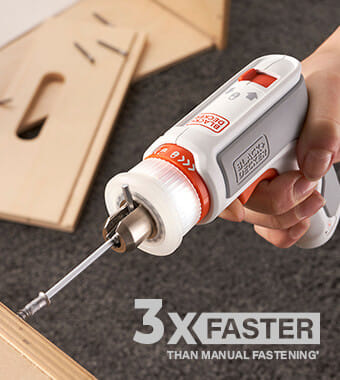
Keep the battery charged for the best performance. Charge the battery fully before starting your project. A low battery can slow down the screwdriver.
Follow the charger instructions. Avoid overcharging by removing the battery when full. Carry a spare battery if you have one, to avoid interruptions.
- Charge battery fully before use
- Remove battery after charging to avoid overcharge
- Use a spare battery for long projects
- Store batteries in a cool, dry place
Credit: www.tooled-up.com
Techniques For Efficient Screwing
Using a power screwdriver saves time when assembling furniture. It helps you drive screws quickly and securely.
Good techniques improve your control and prevent damage. Learn how to hold the tool, control speed, and avoid mistakes.
Proper Grip And Angle
Hold the power screwdriver firmly with one hand. Keep your wrist straight to avoid strain.
Align the screwdriver bit with the screw head. Keep the tool at a 90-degree angle to the surface.
- Use your dominant hand for better control
- Keep the screwdriver steady and straight
- Adjust your angle slightly if the screw fits tight
Controlling Speed And Pressure
Start screwing at a low speed to guide the screw. Increase speed once it is stable in the wood.
Apply steady pressure straight into the screw. Too much pressure can damage the material.
- Begin slow to avoid slipping
- Increase speed after the screw grips
- Keep pressure firm but gentle
- Stop if the screw resists too much
Avoiding Stripped Screws
Use the right screwdriver bit size for each screw. A loose bit can strip the screw head.
Do not apply too much force or speed. Stop if the screw stops turning easily.
- Match bit size to screw head
- Keep the bit centered in the screw
- Use controlled speed and pressure
- Replace damaged screws immediately
Troubleshooting Common Issues
Using a power screwdriver for furniture assembly can save time and effort. Sometimes, problems like stuck screws or bit slippage can slow you down.
This guide helps you fix common issues quickly. You will learn how to handle stuck screws, prevent bit slippage, and keep your tool in good condition.
Dealing With Stuck Screws
Stuck screws can stop your work. They often happen when screws are over-tightened or the wood is hard.
- Apply a small amount of oil to the screw to reduce friction.
- Use a manual screwdriver to turn the screw gently backward and forward.
- Tap the screwdriver handle lightly with a hammer to loosen the screw.
- Try using a different screwdriver bit that fits better.
- Drill a small hole near the screw to relieve pressure if needed.
Handling Bit Slippage
Bit slippage happens when the screwdriver bit slips out of the screw head. This can damage the screw or bit.
| Cause | Solution |
| Wrong bit size | Use a bit that fits the screw tightly |
| Worn-out bit | Replace the bit with a new one |
| Low torque setting | Increase the torque on your power screwdriver |
| High speed | Use a slower speed to keep control |
Maintaining Your Power Screwdriver
Good maintenance keeps your power screwdriver working well and lasts longer.
- Clean the tool after each use to remove dust and debris.
- Check and tighten all screws and parts regularly.
- Lubricate moving parts as recommended by the manufacturer.
- Store the tool in a dry place to prevent rust.
- Charge batteries fully and avoid letting them drain completely.
Safety Tips While Using Power Screwdrivers
Using a power screwdriver helps build furniture faster. But safety is very important. You must protect yourself and your space.
Follow simple safety rules to avoid accidents. This guide explains how to stay safe while using a power screwdriver.
Wearing Protective Gear
Wear the right gear to protect your eyes, hands, and ears. Power screwdrivers can throw small debris or cause noise.
- Use safety glasses to protect your eyes from dust and wood chips.
- Wear gloves to protect your hands from cuts and blisters.
- Consider ear protection if you work with the tool for a long time.
Working In A Safe Environment
Keep your workspace clean and clear of obstacles. This helps prevent trips and falls.
Make sure the area is well-lit. Good lighting lets you see what you are doing clearly.
- Remove clutter and loose objects from the floor.
- Keep cords away from your working path.
- Work on a stable surface to hold furniture parts steady.
Handling The Tool Correctly
Hold the power screwdriver firmly with both hands. This gives you better control and reduces slipping risk.
Follow the tool instructions before use. Always check the bit is tight and the battery is charged.
- Do not force the screwdriver. Let it work at its own speed.
- Keep fingers away from the rotating bit.
- Turn off and unplug the tool before changing bits or making adjustments.
Tips For Faster Furniture Assembly
Using a power screwdriver can speed up furniture assembly a lot. Knowing some simple tips helps you work faster and better.
This guide covers key ways to save time while putting furniture together. Follow these tips to get the job done quickly.
Pre-drilling Holes
Pre-drilling holes makes screwing easier and faster. It prevents wood from splitting and guides the screw in straight.
Use a drill bit slightly smaller than the screw size. Drill holes at the exact spots where screws go.
- Choose the right drill bit size
- Mark screw spots clearly
- Drill holes straight and to correct depth
- Check holes before screwing
Using The Right Screws
Using the right screws speeds up assembly and keeps your furniture strong. Screws that fit well hold parts firmly.
Match screw size and type to the furniture material and thickness. Avoid screws that are too long or short.
- Pick screws designed for wood or metal
- Use the correct length for each joint
- Keep screws organized by size
- Use a magnetic bit holder on your screwdriver
Working With A Partner
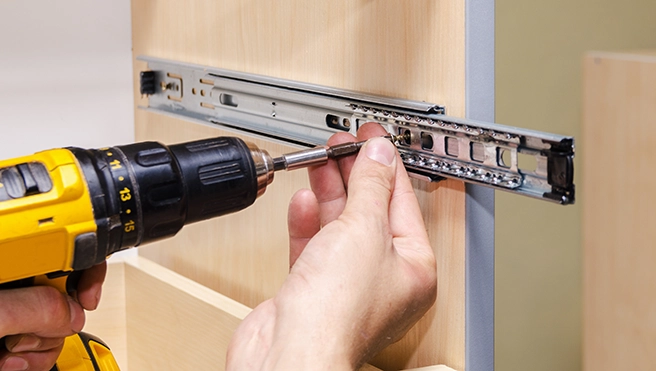
Having a partner helps you finish faster and easier. One person holds parts while the other screws them together.
Divide tasks to save time. Communicate clearly about the next step and hand over tools when needed.
- Assign roles before starting
- Hold pieces steady during screwing
- Pass screws and tools quickly
- Check each other’s work for mistakes
Credit: www.mrhandyman.com

Credit: m.youtube.com
Frequently Asked Questions
How Do I Choose The Right Power Screwdriver?
Choosing the right power screwdriver depends on your needs. Consider the power source, speed settings, and torque. Cordless models offer flexibility, while corded ones provide consistent power. For furniture assembly, lightweight models with adjustable torque settings are ideal. Check user reviews to find reliable brands.
Can A Power Screwdriver Damage Furniture?
Yes, a power screwdriver can damage furniture if used improperly. Use the correct torque setting to prevent over-tightening screws. Always start with a lower speed and adjust as needed. Ensure the screwdriver bit is suitable for the screw type to avoid slipping and damaging surfaces.
What’s The Difference Between A Drill And A Power Screwdriver?
A drill is more versatile and powerful than a power screwdriver. It’s ideal for drilling holes and heavy-duty tasks. A power screwdriver is lighter and easier to handle, making it perfect for assembling furniture. It offers better control and precision for driving screws.
How Do I Maintain My Power Screwdriver?
Regular maintenance ensures your power screwdriver’s longevity. Clean the screwdriver after each use to remove dust and debris. Check and tighten loose parts periodically. Charge batteries fully before storing cordless models. Lubricate moving parts as per the manufacturer’s guidelines to keep it functioning smoothly.
Conclusion
Using a power screwdriver makes furniture assembly faster and easier. It saves your hands from strain and helps keep screws tight. Always choose the right bit and set the right speed. Take your time and work carefully for the best results.
With practice, you will feel more confident and finish projects well. Enjoy building your furniture with less effort and better results. Simple tools, smart use, great outcomes.