
Are you ready to tackle your next project with confidence? Knowing how to use a pry bar can make a huge difference in getting things done quickly and safely.
Whether you’re removing nails, lifting heavy objects, or prying apart materials, this simple tool is incredibly powerful in your hands. In this guide, you’ll discover easy steps and expert tips that will help you master the pry bar like a pro.
Keep reading, and you’ll never struggle with stubborn materials again.
Credit: www.amazon.com
Choosing The Right Pry Bar
Using a pry bar is easier when you pick the right one for your task. Different pry bars work best for different jobs.
Choosing the right pry bar helps you work safely and finish faster. Look at the type, material, size, and shape before buying.
Types Of Pry Bars
Pry bars come in many types. Each type fits a special job or space. Pick one that matches your work.
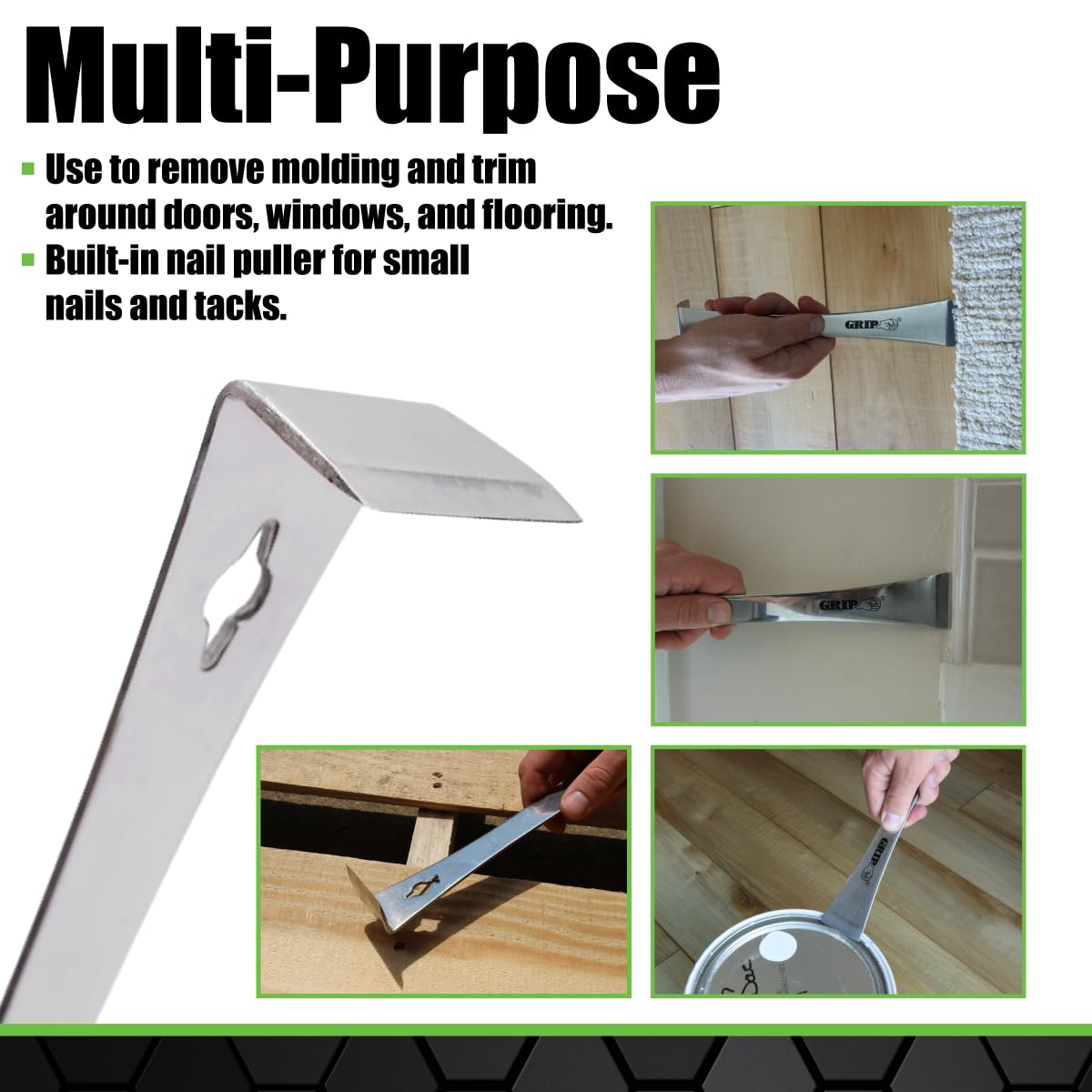
- Flat Pry Bars: Good for lifting and pulling nails.
- Cat’s Paw Bars: Best for removing nails in tight spots.
- Wrecking Bars: Strong and long for heavy jobs.
- Nail Pullers: Designed mainly to pull nails out.
Material And Durability
Material affects how strong and long-lasting a pry bar is. Choose one made from tough metal for safety.
Steel is common because it is hard and resists bending. Some bars have a coating to stop rust and wear.
- Carbon Steel: Very strong and durable.
- Alloy Steel: Offers extra strength and toughness.
- Chrome Vanadium: Resists rust and lasts long.
- Coatings: Protect metal from rust and scratches.
Size And Shape Considerations
Size matters for control and power. Smaller bars fit tight places. Larger bars give more force.
Shape affects how you use the bar. Some have curved ends for leverage. Others are straight for prying flat surfaces.
- Short Bars: Good for small, detailed work.
- Long Bars: Provide more leverage for heavy lifting.
- Curved Ends: Help to get under objects easily.
- Straight Ends: Best for sliding into flat spaces.
Preparing For Use
Using a pry bar safely starts with good preparation. Preparing helps you avoid accidents and work better.
Before you use a pry bar, check your tool, clear the area, and wear the right safety gear.
Inspecting The Pry Bar
Look over the pry bar before you use it. Make sure it is not bent or cracked. Check the ends for damage.
A damaged pry bar can break and cause injuries. If you see any problems, do not use it.
- Check for cracks or bends
- Look for worn or chipped ends
- Make sure the handle is secure and clean
Clearing The Work Area
Clear the space where you will use the pry bar. Remove any items that could trip you or get in the way.
Keep pets and people away from the work area to stay safe. A clean area helps you work faster and safer.
- Pick up loose tools and debris
- Make sure the floor is dry and not slippery
- Keep enough space to move freely
Wearing Safety Gear
Wear safety gear to protect yourself. Eye protection is important to stop flying debris.
Gloves help protect your hands from cuts and blisters. Wear sturdy shoes to protect your feet.
- Safety glasses or goggles
- Work gloves
- Closed-toe shoes or boots
Proper Grip And Positioning
Using a pry bar safely and effectively starts with the right grip and body position. Good technique helps you work faster and avoid injuries.
Focus on how you hold the tool and how you stand to get the best leverage. This guide shows key tips for grip and positioning.
Hand Placement Techniques
Place your hands correctly to control the pry bar. One hand should grip near the curved end for pushing or pulling.
The other hand holds the straight part for balance and extra force. Keep your grip firm but not too tight to avoid fatigue.
- Hold the curved end with your dominant hand
- Use the other hand to steady the bar near the middle
- Keep your fingers wrapped around the handle
- Maintain a firm but relaxed grip
Body Position For Leverage
Stand close to the work area with feet shoulder-width apart. This stance gives you balance and power.
Bend your knees slightly and keep your back straight. Use your legs and hips to push or pull the pry bar, not just your arms.
- Position feet to face the direction of the force
- Bend knees, keep back straight
- Use legs to add strength
- Keep your body close to the pry bar
Avoiding Common Mistakes
Do not hold the pry bar too close to the tip. This reduces your leverage and can cause slips.
Avoid standing too far from the tool or overreaching. This can lead to loss of balance and injury.
- Never grip only the end of the bar
- Do not overreach or stretch your arms fully
- Keep your body weight balanced
- Check the tool for damage before use
Applying Effective Leverage
A pry bar helps you lift or move heavy objects by using leverage. Using it correctly makes your work easier and safer.
Applying effective leverage means using the pry bar to increase force with less effort. This guide shows how to do it well.
Using The Fulcrum Correctly
The fulcrum is the pivot point of the pry bar. Place it firmly under the object you want to move.
Positioning the fulcrum close to the object increases force. Make sure it rests on a solid surface to avoid slipping.
- Use a sturdy spot as the fulcrum
- Keep the fulcrum near the load for more power
- Check that the fulcrum does not move during use
Controlled Force Application
Apply force slowly and steadily with the pry bar. Sudden force can cause damage or injury.
Keep your hands steady and push or pull with control. This helps you keep balance and prevent accidents.
- Push or pull in a smooth motion
- Keep your grip firm but relaxed
- Stop if the bar slips or the object moves too fast
Adjusting Angle For Maximum Efficiency
Changing the angle of the pry bar changes the leverage power. Find the best angle to lift or move the object easily.
Start with the bar low and raise it slowly. Small angle changes can make a big difference in effort needed.
- Begin with the bar close to the ground
- Lift the handle slowly to increase the angle
- Stop adjusting when the object moves freely
Handling Different Tasks
A pry bar is a simple tool that helps with many jobs around the house or worksite. It can remove nails, lift heavy items, and separate materials.
Knowing how to use a pry bar safely makes these tasks easier and faster. Here are tips for handling different jobs with a pry bar.
Removing Nails
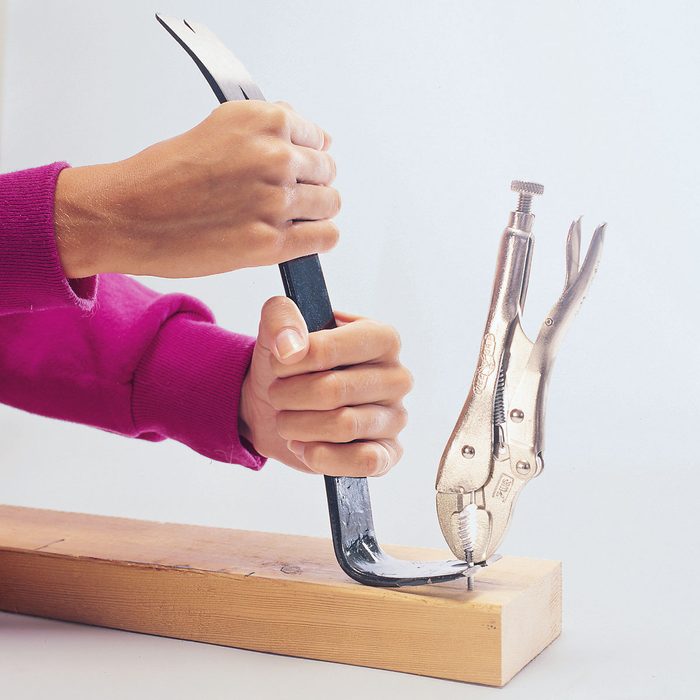
Use the curved end of the pry bar to pull out nails. Slide it under the nail head and pull back slowly. This helps avoid damage to the wood.
If the nail is hard to remove, wiggle the pry bar gently to loosen it. Use steady pressure to prevent bending the nail.
- Place the pry bar under the nail head
- Pull the handle back to lift the nail
- Use a hammer to tap the pry bar if needed
- Work slowly to avoid wood damage
Lifting Heavy Objects
Slide the flat end of the pry bar under heavy objects like stones or boxes. Use the bar as a lever to lift or move the item.
Apply force on the opposite end of the bar to raise the object. This reduces strain on your back and helps you work safely.
- Place the flat end under the object
- Press down on the handle to lift
- Use a sturdy surface as a pivot point
- Lift slowly to avoid sudden movements
Separating Materials
A pry bar can separate wood, panels, or other materials stuck together. Insert the flat end between the surfaces and push the handle.
Work the bar back and forth to loosen the materials. This helps you break apart items without causing too much damage.
- Insert the flat end between materials
- Push or pull the handle to create space
- Move the bar gently to avoid cracking
- Repeat until materials separate

Credit: www.reddit.com
Maintaining Your Pry Bar
Keeping your pry bar in good shape helps it last longer. Proper care makes the tool safer and easier to use.
Regular maintenance prevents rust and damage. It also keeps the pry bar strong for tough jobs.
Cleaning And Storage
After using your pry bar, clean off dirt and debris. Use a wire brush or cloth to remove stuck-on material.
Store the pry bar in a dry place to stop rust. Avoid leaving it outside or in damp areas.
- Wipe the tool with an oily rag to prevent rust
- Keep it in a toolbox or on a rack
- Use a cover if storing for a long time
Checking For Damage
Look for cracks, bends, or chips before each use. Damaged pry bars can break and cause injury.
Pay attention to the tip and edges. These parts take the most wear and tear.
- Check the tip for rounding or cracks
- Look for bends along the shaft
- Inspect for rust spots that weaken metal
Sharpening And Repairs
Sharpen the pry bar’s tip if it becomes dull. A sharp tip works better for prying tasks.
Use a metal file or grinder carefully. Fix small bends by gently hammering them back.
- File the tip at a slight angle for better grip
- Wear safety glasses when sharpening
- Replace the pry bar if cracks or major damage appear
Safety Tips To Prevent Injuries
Using a pry bar can help with many tasks, but it can also cause injuries if you are not careful. Follow safety tips to keep yourself safe while working.
Paying attention to how you use the pry bar will prevent slips, strains, and other accidents. Always work with care and proper technique.
Avoiding Slips And Strains
Hold the pry bar firmly to avoid slips. Make sure your hands are dry and wear gloves for better grip. Keep your body balanced while pushing or pulling.
Use your legs, not your back, to apply force. Do not overreach or twist your body in awkward positions. Take breaks if you feel tired to avoid muscle strain.
- Wear gloves for grip and protection
- Keep feet stable and body balanced
- Use legs to push, not your back
- Take regular breaks to rest muscles
Working In Pairs For Heavy Jobs
For heavy or large objects, work with another person. Teamwork makes the job safer and easier. Communicate clearly about when to push or pull.
Both people should use the pry bar at the same time. Make sure you lift and move objects together to avoid sudden shifts or falls.
- Have a clear plan before starting
- Lift and push together slowly
- Watch each other’s movements
- Stop immediately if something feels unsafe
Emergency Procedures
If an injury happens, stop working right away. Check the injured area and apply first aid if you can. Call for help if the injury is serious.
Keep a first aid kit nearby before starting work. Know the emergency phone numbers and have a plan to get help fast. Safety is the top priority.
- Stop work immediately after injury
- Apply first aid if trained
- Call emergency services for serious injuries
- Keep a first aid kit on site
- Have emergency contacts ready
Credit: www.familyhandyman.com
Frequently Asked Questions
What Is A Pry Bar Used For?
A pry bar is a versatile tool used for prying, lifting, and separating objects. It is commonly used in construction, demolition, and carpentry. With its leverage design, it can easily remove nails, open crates, or lift heavy objects. A pry bar is essential for tasks requiring force and precision.
How Do You Safely Use A Pry Bar?
To safely use a pry bar, first ensure you have proper footing. Position the bar securely under the object. Apply steady pressure while maintaining balance. Use appropriate gloves and eyewear for protection. Always inspect the bar for damage before use.
Proper technique reduces the risk of injury and enhances efficiency.
What Are The Types Of Pry Bars?
There are several types of pry bars, including flat bars, crowbars, and wrecking bars. Flat bars are ideal for light-duty tasks like removing molding. Crowbars are suited for heavier work, like demolition. Wrecking bars are versatile, with a curved end for maximum leverage.
Each type serves specific purposes.
How Do You Maintain A Pry Bar?
Maintaining a pry bar involves regular inspections for rust and damage. Clean the bar after each use to prevent corrosion. Store it in a dry place to avoid moisture exposure. Sharpen the edges if they become dull. Proper maintenance extends the lifespan and efficiency of the pry bar.
Conclusion
Using a pry bar is simple with the right steps. Always hold it firmly and apply steady pressure. Choose the correct size for your task. Safety comes first—wear gloves and watch your fingers. Practice helps you get better and avoid damage.
Now, you can remove nails, lift boards, and open crates easily. Keep your pry bar clean and store it properly. A small tool, but very useful around the house or workshop. Try it out and see how it makes jobs easier.