If you’ve ever struggled with stubborn bolts or nuts, you know how frustrating it can be. A ratchet wrench can make your work faster and easier—but only if you use it the right way.
Imagine finishing your project without wasted effort or damaged tools. In this guide, you’ll learn simple steps to master your ratchet wrench quickly. By the end, you’ll handle it like a pro and save yourself time and hassle on every job.
Ready to get started? Let’s dive in.
Credit: www.youtube.com
Choosing The Right Ratchet Wrench
Using a ratchet wrench makes tightening and loosening bolts easier. Picking the right wrench helps you work faster and safer.
Different jobs need different ratchet wrenches. Knowing the types and sizes will help you choose the best one.
Types Of Ratchet Wrenches
Ratchet wrenches come in various types. Each type suits different tasks and spaces.
- Standard Ratchet:The most common type. Good for general use.
- Flex-Head Ratchet:Has a pivoting head. Useful in tight spaces.
- Reversible Ratchet:Allows switching direction without removing the wrench.
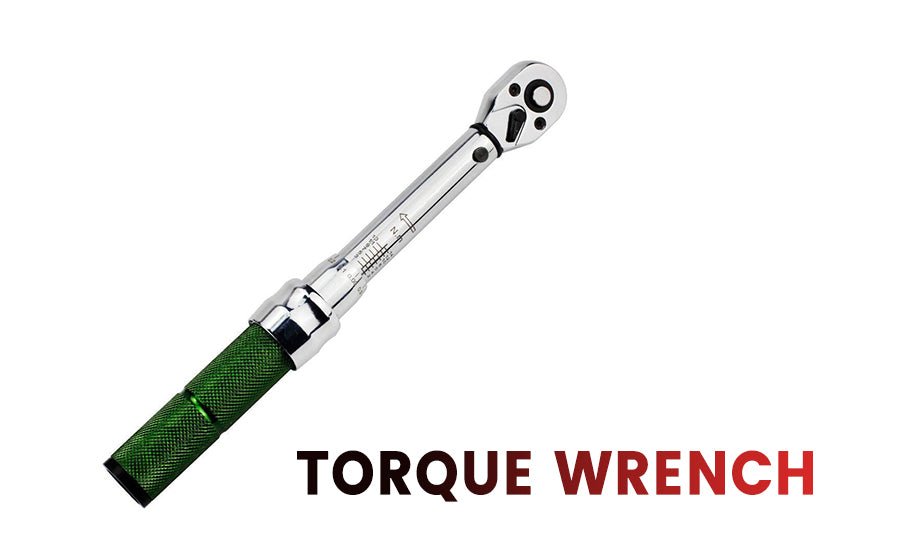
- Torque Ratchet:Designed to apply a specific force to bolts.
- Stubby Ratchet:Short handle for working in very tight spots.
Selecting The Correct Size
Choose a ratchet wrench size that fits your sockets and job space. Sizes relate to the drive and handle length.
Common drive sizes include 1/4 inch, 3/8 inch, and 1/2 inch. Smaller drives fit small bolts; larger drives handle bigger bolts.
| Drive Size | Best For |
|---|---|
| 1/4 inch | Light work, small bolts, tight spaces |
| 3/8 inch | General automotive and household work |
| 1/2 inch | Heavy-duty tasks and large bolts |

Credit: jpttools.com
Preparing For Use
Using a ratchet wrench correctly starts with proper preparation. This helps you work safely and efficiently.
Before you begin, check your tool and gather what you need. This saves time and avoids problems.
Inspecting The Tool
Look over the ratchet wrench before use. Check for damage or wear that could cause issues.
Make sure the ratchet mechanism works smoothly. Test the switch to change direction and listen for clicks.
- Check the handle for cracks or bends
- Ensure the ratchet clicks properly when turned
- Look at the socket attachment for damage
- Clean any dirt or rust from the tool
Gathering Necessary Accessories
Collect all parts needed to use the ratchet wrench. This includes the right sockets and adapters.
Using the correct size socket makes the job easier and prevents damage to bolts and the tool.
- Choose sockets that fit the bolt size
- Get extensions if bolts are hard to reach
- Have adapters ready if needed for different socket types
- Wear safety gloves for better grip and protection
Proper Handling Techniques
Using a ratchet wrench safely helps avoid injuries and damage. Knowing how to handle it properly makes your work easier and faster.
This guide covers the best ways to grip and position the wrench. It also explains how to apply the right amount of force.
Grip And Positioning
Hold the ratchet wrench firmly but not too tight. Your hand should feel comfortable to avoid strain. Place your palm around the handle with your thumb on top.
- Keep your wrist straight to prevent injury.
- Position your body so you can pull the wrench smoothly.
- Use your whole arm, not just your wrist, for turning.
- Make sure the socket fits the bolt tightly before turning.
Applying The Correct Force
Apply steady force to avoid slipping or rounding the bolt. Do not use too much force, as it can damage the tool or fastener.
| Force Level | Use When | Risk |
| Low | Starting to loosen a bolt | Tool slips if too low |
| Medium | Normal tightening and loosening | Safe and effective |
| High | Breaking loose a stuck bolt | Can damage bolt or wrench |
Using The Ratchet Wrench Efficiently
A ratchet wrench helps tighten or loosen bolts quickly. Using it properly saves time and effort.
Knowing how to adjust and move the wrench lets you work smarter on any project.
Setting The Direction Lever
Check the lever on the wrench head before starting. It controls the turning direction.
Flip the lever to switch between tightening and loosening bolts. Make sure it clicks into place.
Optimizing Stroke Length
Stroke length affects how fast you can turn a bolt. Use the right motion for your space.
- Start with a full swing if you have enough room.
- Use shorter strokes in tight spots to avoid hitting objects.
- Keep the handle steady to maintain control.
- Let the ratchet mechanism move freely for smooth action.
Working In Tight Spaces
Tight spaces need special care to use the ratchet wrench well. Adjust your grip and angle.
| Tip | Advice |
| Use a smaller wrench head | Fits better where space is limited |
| Turn the handle in short, quick strokes | Prevents knocking nearby parts |
| Keep the wrench close to the bolt | Helps maintain control |
| Clear obstacles | Remove or move objects to increase working room |
Maintenance And Care
Proper maintenance keeps your ratchet wrench working well for a long time. It helps avoid rust and damage.
Regular care improves the tool’s performance and safety during use.
Cleaning After Use
Cleaning the ratchet wrench after each use removes dirt and grease. This stops buildup that can harm the tool.
- Wipe the wrench with a dry cloth to remove dust.
- Use a mild soap and water for sticky dirt, then dry fully.
- Check the teeth of the ratchet for debris and clear it carefully.
Lubrication Tips
Lubrication keeps the ratchet mechanism smooth and prevents wear. Use oil designed for tools.
| Lubrication Step | Details |
|---|---|
| Apply oil | Put a few drops on the gear and moving parts. |
| Work the mechanism | Move the wrench back and forth to spread oil. |
| Remove excess | Wipe off extra oil to avoid dirt sticking. |
Storage Recommendations
Store your ratchet wrench in a dry place to prevent rust. Avoid leaving it in damp or dusty areas.
- Keep the wrench in a toolbox or protective case.
- Use silica gel packs to reduce moisture inside storage.
- Store the tool where it will not fall or get damaged.
Common Mistakes To Avoid
Using a ratchet wrench correctly helps you work faster and safer. Avoid common mistakes to prevent damage and injury.
This guide covers mistakes many people make when using a ratchet wrench. Learn what to watch out for.
Over-tightening Fasteners
Applying too much force with a ratchet wrench can damage fasteners. Over-tightening may strip threads or break bolts.
Use the right torque for each fastener to avoid problems. Tighten just enough to hold parts firmly.
- Check manufacturer torque specs before tightening
- Stop tightening once resistance increases sharply
- Use a torque wrench for precise tightening
Ignoring Wear And Damage
A ratchet wrench with worn or damaged parts can slip or fail during use. This can cause injury or damage to your work.
Inspect your wrench regularly. Look for cracks, worn gears, and loose parts before starting work.
- Check the ratchet mechanism for smooth operation
- Replace sockets that are cracked or worn
- Clean and lubricate moving parts as needed
Using The Wrong Attachments
Using the wrong size or type of socket can damage fasteners and tools. It also increases the chance of slipping.
Always use sockets that fit tightly on the fastener. Avoid using adapters that reduce tool strength.
- Match socket size exactly to the fastener
- Use impact-rated sockets for power tools
- Avoid mixing metric and standard sockets

Credit: www.youtube.com
Frequently Asked Questions
What Is The Correct Way To Hold A Ratchet Wrench?
Hold the ratchet wrench firmly by its handle. Keep your grip steady to apply consistent pressure. Avoid gripping near the ratchet head for better control and leverage.
How Do You Change The Ratchet Wrench Direction?
Locate the small lever or switch on the ratchet head. Flip it to change the wrench’s rotation direction. This allows you to tighten or loosen bolts efficiently.
Can I Use A Ratchet Wrench On Tight Spaces?
Yes, ratchet wrenches are ideal for tight spaces. Their compact head and ratcheting mechanism enable easy turning without removing the tool. Use a smaller socket for very confined areas.
How Much Force Should I Apply With A Ratchet Wrench?
Apply moderate, controlled force to avoid stripping bolts. Let the ratchet mechanism do the work. Excessive force can damage both the tool and fasteners.
Conclusion
Mastering the ratchet wrench takes practice and patience. Start slowly. Focus on technique. Tighten bolts efficiently and safely. Always choose the right wrench size. This prevents damage to nuts and bolts. Remember, safety is crucial. Wear protective gear, like gloves.
Regularly maintain your wrench. This extends its lifespan. Proper use boosts efficiency in projects. Makes tasks easier. Understanding these basics enhances your skills. You’ll work smarter. And with more confidence. Enjoy the satisfaction of a job well done. Practice these tips regularly.
Your skills will improve over time. Happy wrenching!