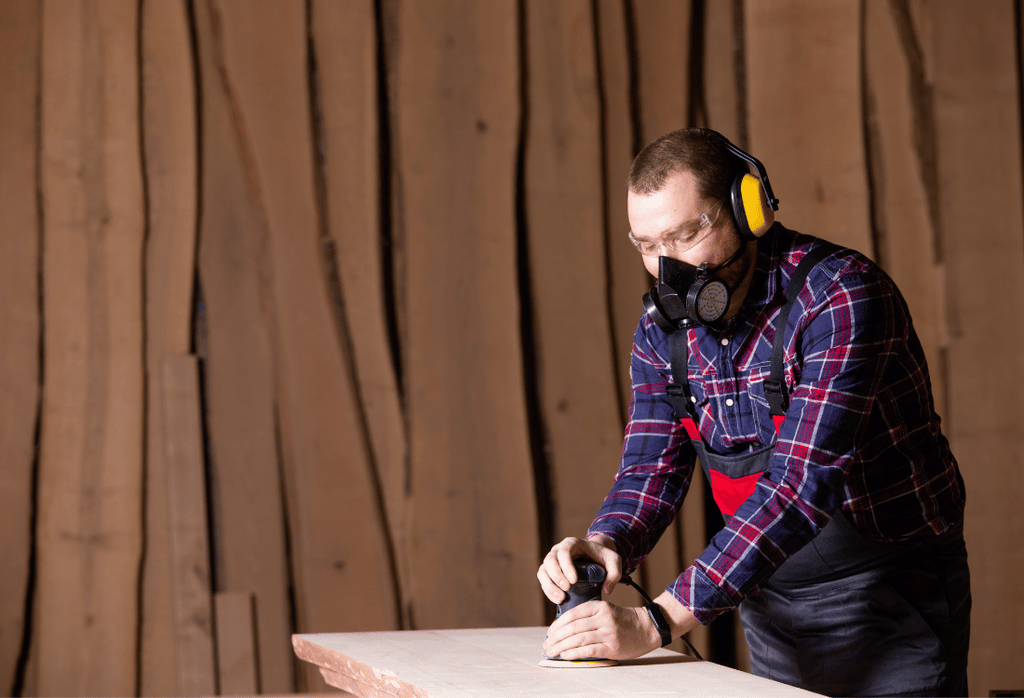
Imagine the smell of freshly cut wood filling your workshop. You love creating beautiful pieces, but there’s one thing you should never overlook—your safety.
Dust and harmful particles are lurking in the air. Breathing them in can be dangerous over time. That’s why knowing how to use a respirator for woodworking is essential for your health. You want to keep doing what you love without risking your well-being, right?
Stay with us as we reveal simple steps to protect yourself while you work. Your health is priceless, and we’re here to help you keep it safe. Dive into the details so you can focus on your craft, worry-free.
Credit: www.walmart.com
Choosing The Right Respirator
Using a respirator is important for safety during woodworking. Dust and fumes can harm your lungs. Picking the right respirator helps protect your health.
There are different types of respirators. You also need to choose the right filters and ensure the respirator fits well. This guide explains what to look for.
Types Of Respirators
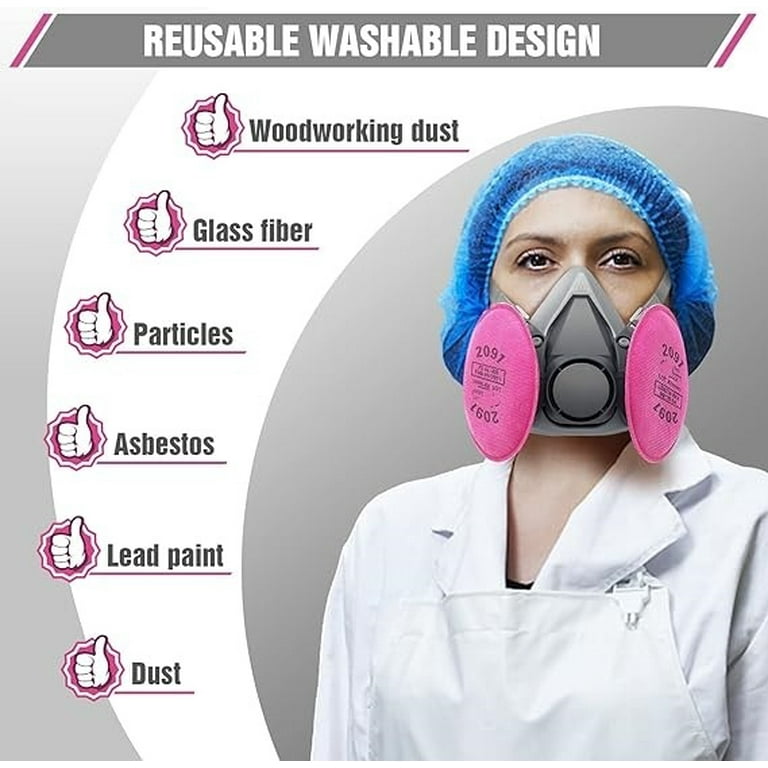
There are two main types of respirators for woodworking: disposable and reusable. Disposable respirators are light and easy to use. Reusable respirators offer more protection but cost more.
Half-face respirators cover your nose and mouth. Full-face respirators also protect your eyes. Choose the type that fits your work needs and comfort.
- Disposable respirators (N95 or P100)
- Reusable half-face respirators
- Reusable full-face respirators
Filters And Cartridges
Filters and cartridges clean the air you breathe. They remove dust, fumes, and chemicals. Use the right filter for the type of dust in your workshop.
Common filters include N95 and P100. N95 blocks 95% of dust. P100 blocks 99.97% of dust and oil particles. Some cartridges also protect against gases.
- N95: Good for wood dust only
- P100: Best for fine dust and oils
- Organic vapor cartridges: For chemical fumes
- Combination filters: Dust and gas protection
Fit And Comfort
A respirator must fit tightly to work well. If air leaks in, you can breathe harmful dust. Try different sizes to find the best fit.
Comfort is key for long use. Look for soft straps and a lightweight design. Adjust straps to avoid pressure on your face. Clean your respirator regularly.
- Check for a tight seal around nose and mouth
- Adjust straps for a secure fit
- Choose soft materials to reduce skin irritation
- Clean and replace parts as needed
Preparing Your Respirator
Using a respirator correctly helps protect your lungs while woodworking. Proper preparation ensures it works well and fits safely.
Before each use, check your respirator carefully. Clean it regularly and store it properly to keep it in good shape.
Inspecting For Damage
Look over your respirator for any cracks, tears, or broken parts. Check the straps and valves for wear. Damaged parts can reduce protection.
- Examine facepiece for cracks or holes
- Check straps for elasticity and breaks
- Inspect valves for dirt or damage
- Ensure filters are not expired or clogged
- Replace any worn or broken parts immediately
Cleaning And Maintenance
Cleaning your respirator removes dust and germs. Use mild soap and warm water. Rinse well and air dry before storing.
| Cleaning Item | Method |
| Facepiece | Wash with mild soap and water |
| Straps | Wipe with damp cloth |
| Valves | Rinse gently, check for damage |
| Filters | Do not wash; replace if dirty |
Proper Storage
Store your respirator in a clean, dry place. Avoid direct sunlight and extreme temperatures. Keep it away from chemicals.
Tips for storing your respirator:
- Use a sealed container or bag
- Keep it away from dust and dirt
- Do not crush or bend the respirator
- Store filters separately if possible
Correct Usage During Woodworking
Using a respirator correctly protects your lungs from dust and harmful particles. It helps keep you safe while working with wood.
Follow simple steps to fit and adjust your respirator well. This ensures it works effectively during woodworking tasks.
Fitting The Respirator Properly
Choose a respirator that fits your face shape and size. Make sure the mask covers your nose and mouth fully.
Try on the respirator before starting work. Adjust it until it feels snug but comfortable.
Adjusting Straps And Seals
Straps keep the respirator in place. Tighten or loosen them to avoid gaps on your face.
- Place the top strap above your ears.
- Position the bottom strap below your ears.
- Tighten both straps evenly.
- Check that the respirator feels secure but not too tight.
Inspect the edges of the respirator. The seal must touch your skin all around.
Ensuring A Tight Seal
A good seal stops dust from entering the mask. Check the seal every time you wear the respirator.
| Seal Check Method | How to Do It |
| Positive Pressure Test | Cover the exhalation valve and blow gently. Mask should bulge slightly. |
| Negative Pressure Test | Cover the filters and inhale gently. Mask should collapse slightly. |
Respirator Safety Tips
Using a respirator correctly is important for safety in woodworking. Dust and fumes can harm your lungs. Following safety tips helps protect your health.
This guide covers key points about respirator use. Learn how to avoid mistakes, when to replace filters, and how to check air quality.
Avoiding Common Mistakes
Many people make errors that reduce respirator effectiveness. A tight seal is needed to keep dust out. Facial hair can break the seal.
- Always clean your respirator after use
- Check the fit every time before you start working
- Do not wear a respirator with glasses that break the seal
- Store your respirator in a clean, dry place
- Replace parts that show damage or wear
When To Replace Filters
Filters trap dust and fumes but get full over time. Using old filters can let harmful particles through. Know when to change them for safety.
| Filter Type | Replacement Time | Signs to Replace |
| Particulate Filters | Every 40 hours of use | Increased breathing resistance |
| Gas/Vapor Cartridges | After 30 days or strong odor | Smell or taste of fumes |
| Combination Filters | Based on the shortest time of components | Any signs of damage or smell |
Monitoring Air Quality
Keep an eye on the air you breathe while woodworking. Dust levels can rise fast. Use tools to check air quality and stay safe.
Air Quality Checks:
- Use a dust meter to measure dust concentration.
- Ensure proper ventilation in your workspace.
- Stop work if dust or fumes feel heavy.
- Wear your respirator at all times in dusty areas.
Additional Safety Measures
Using a respirator is important for woodworking safety. You should also follow other safety steps. These help keep you safe and healthy.
Wood dust and particles can harm your eyes, skin, and lungs. Extra safety measures reduce these risks while you work.
Ventilation And Dust Control
Good airflow helps remove dust from your workspace. Use fans or open windows to keep air moving.
Dust collectors and air filters catch dust before it spreads. Keep them clean for best results.
- Use a dust collection system on your tools
- Open windows or doors for fresh air
- Run fans to push dust away
- Wear your respirator properly
Using Protective Eyewear
Wood chips and dust can hurt your eyes. Always wear safety glasses or goggles when working.
Choose eyewear that fits well and covers your eyes fully. Check for scratches and replace if needed.
- Wear impact-resistant glasses or goggles
- Make sure they fit snugly
- Clean lenses before use
- Replace damaged eyewear
Wearing Appropriate Clothing
Wear clothes that protect your skin from dust and splinters. Avoid loose clothing that can catch in tools.
Long sleeves, long pants, and closed-toe shoes help keep you safe. Use gloves if needed for extra hand protection.
- Wear fitted long sleeves and pants
- Use gloves for hand safety
- Choose sturdy, closed-toe shoes
- Avoid loose or dangling clothes

Credit: www.amazon.com

Credit: www.amazon.com
Frequently Asked Questions
What Type Of Respirator Is Best For Woodworking?
A NIOSH-approved N95 or P100 respirator is ideal for woodworking. These filters block harmful dust and fine particles efficiently.
How Do I Properly Fit A Respirator For Woodworking?
Ensure the respirator seals tightly over your nose and mouth. Adjust straps for a snug, comfortable fit with no air leaks.
When Should I Replace My Woodworking Respirator Filter?
Replace filters when breathing becomes difficult or after heavy use. Follow manufacturer guidelines for specific filter lifespan and maintenance.
Can I Use A Respirator For All Woodworking Tasks?
Respirators are essential for dusty tasks like sanding and cutting. For less dusty tasks, a mask may suffice but respirators offer better protection.
Conclusion
Wearing a respirator keeps you safe from harmful dust and fumes. Always choose the right mask for your woodworking project. Make sure it fits well and feels comfortable. Clean the respirator regularly to keep it working properly. Protecting your lungs helps you enjoy woodworking for years.
Stay safe and work with care every time.