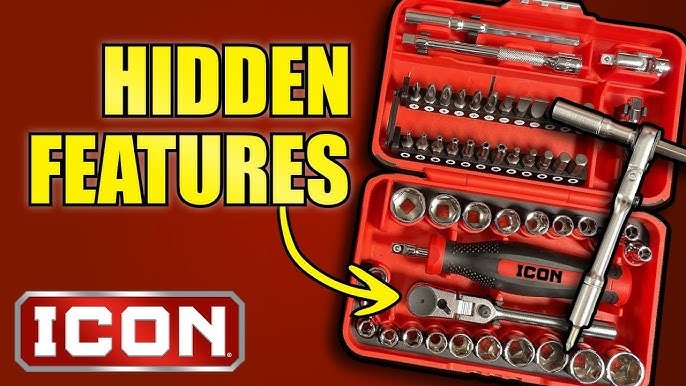
Are you tired of fumbling with your tools and wasting time on simple tasks? Learning how to use a socket set efficiently can save you hours and make your projects feel much easier.
Whether you’re fixing a bike, working on your car, or tackling home repairs, mastering this skill puts control right in your hands. In this guide, you’ll discover smart tips and tricks that help you work faster, avoid mistakes, and get the job done like a pro.
Ready to boost your confidence and take your tool skills to the next level? Keep reading—your next project just got a whole lot smoother.

Credit: www.youtube.com
Choosing The Right Socket Set
Picking the right socket set makes your work easier and faster. It helps you fit bolts and nuts without slipping or damage.
Knowing the types, sizes, and materials lets you choose a set that fits your needs well.
Types Of Socket Sets
Socket sets come in many types. Each suits different tasks and tools.
- Standard Sets: Common sockets for everyday jobs.
- Deep Socket Sets: Reach nuts on long bolts or in tight spots.
- Impact Socket Sets: Made for power tools, strong and durable.
- Metric and SAE Sets: Metric for millimeters, SAE for inches.
Essential Socket Sizes
Choosing the right sizes means you can handle many bolts and nuts. A good set has a variety of sizes.
| Size Type | Common Sizes | Use |
| Metric | 8mm, 10mm, 13mm, 15mm, 17mm | Most cars and bikes |
| SAE | 1/4″, 3/8″, 7/16″, 1/2″, 9/16″ | Older cars and machinery |
Material And Build Quality
Strong material keeps sockets from breaking or wearing out fast. Look for sets made of chrome vanadium steel or similar.
- Chrome Vanadium Steel: Rust-resistant and tough.
- Chrome Molybdenum Steel: Used for impact sockets, very strong.
- Polished Finish: Helps stop rust and makes cleaning easy.
- Good Fit: Sockets should fit tightly on bolts to avoid slipping.
Organizing Your Socket Set
Keeping your socket set neat helps you work faster and find tools easily. A well-organized set saves time and frustration.
Simple steps like storing, labeling, and cleaning can keep your socket set in top shape for years.
Storage Solutions
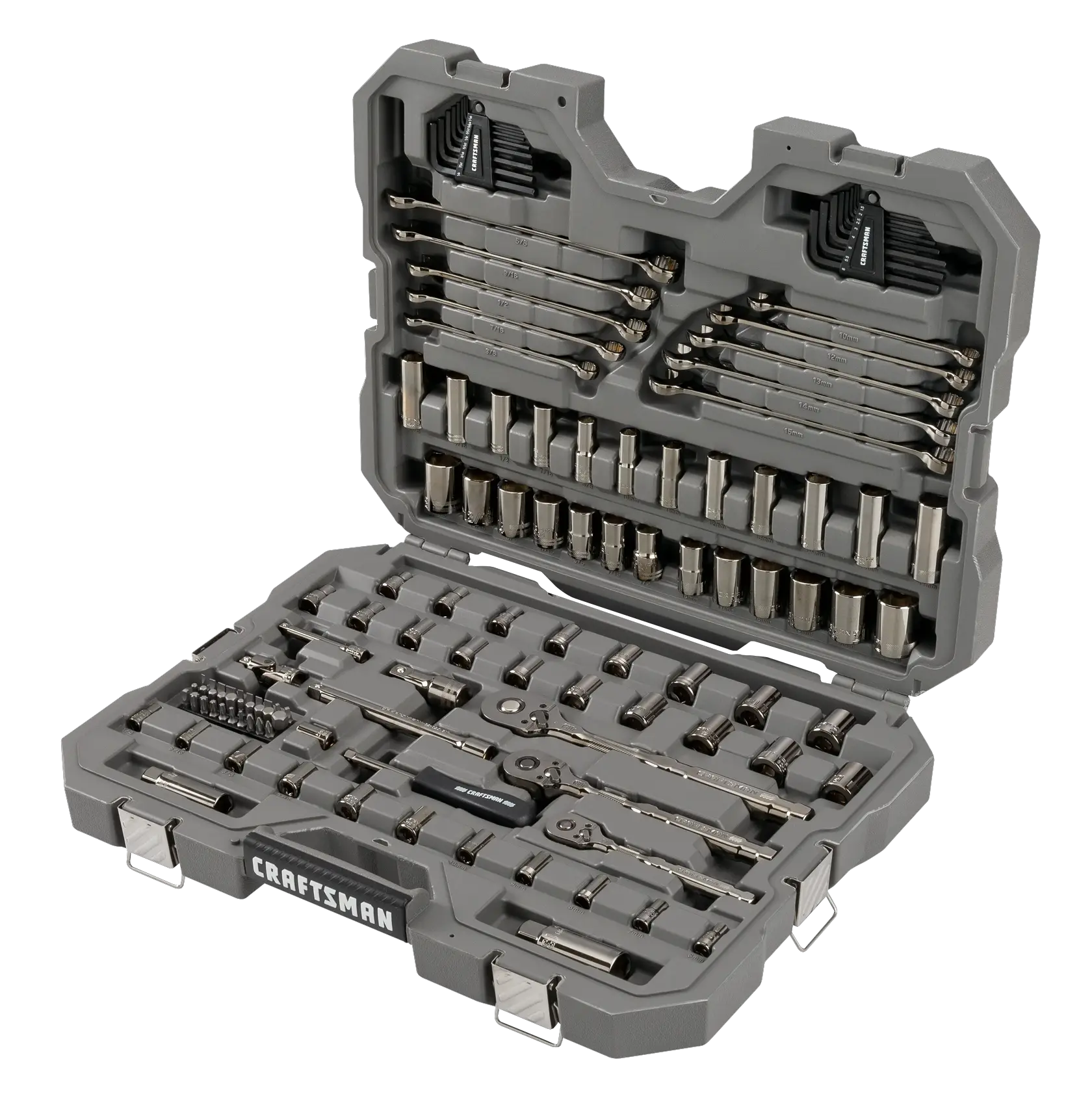
Use a sturdy case or drawer organizer to keep sockets in place. Choose storage that fits your workspace and tool size.
- Use socket trays with molded slots for each size
- Store the ratchet and extensions together in one spot
- Keep similar sizes grouped to avoid mixing
- Use a portable case for easy transport
Labeling And Sorting
Label sockets by size to quickly grab the right tool. Sorting sockets by size and type helps prevent mistakes.
| Socket Size | Label Color | Type |
| 1/4 inch | Red | Standard |
| 3/8 inch | Blue | Deep |
| 1/2 inch | Green | Standard |
| Metric 10mm | Yellow | Standard |
| Metric 13mm | Orange | Deep |
Maintaining Cleanliness
Keep sockets clean to prevent rust and damage. Wipe tools after use and store them dry.
Tips for cleaning your socket set:
- Use a dry cloth to remove dirt and grease
- Apply light oil to metal parts to stop rust
- Check for damage before storing
- Store in a dry place away from moisture
Basic Socket Set Techniques
Using a socket set can make many repairs easier and faster. Knowing some basic techniques helps you work safely and efficiently.
This guide covers how to pick the right socket, handle the ratchet properly, and apply the correct torque.
Selecting The Correct Socket
Choose a socket that fits the bolt or nut snugly. A loose socket can cause damage or slip off.
Check if you need a metric or standard size. Use the right drive size for your ratchet and socket.
- Match the socket size to the fastener size
- Use deep sockets for long bolts
- Pick a 1/4″, 3/8″, or 1/2″ drive socket for your ratchet
Proper Ratchet Handling
Hold the ratchet handle firmly but comfortably. Keep your wrist straight to avoid injury.
Set the ratchet to tighten or loosen the fastener. Move the handle smoothly to turn the bolt or nut.
- Use your dominant hand for better control
- Keep the ratchet head aligned with the fastener
- Switch the ratchet direction lever before turning
Applying The Right Torque
Use only the force needed to turn the fastener. Too much force can break bolts or tools.
Stop tightening when the fastener feels tight and secure. Use a torque wrench for precise torque needs.
- Apply steady pressure, not sudden force
- Do not overtighten to avoid damage
- Use a torque wrench for important or sensitive bolts
Credit: www.craftsman.com
Advanced Socket Set Tips
Using a socket set well saves time and effort. You can work faster and avoid mistakes.
These tips help you handle tough jobs and protect your tools and fasteners.
Using Extensions And Adapters
Extensions and adapters let you reach bolts in hard-to-get places. Choose the right size for your socket set.
- Use a short extension for small gaps to keep control.
- Use a long extension to reach deep bolts in engine bays or frames.
- Adapters help fit sockets to different drive sizes.
- Check that adapters are tight to avoid slipping.
Working In Tight Spaces
Tight spaces need careful socket set use. Choose tools that fit and move easily.
| Tip | Description |
|---|---|
| Use Low-Profile Sockets | These are shorter and fit better in small gaps. |
| Use Ratchets with Slim Handles | Slim handles allow more turn space in tight spots. |
| Use Universal Joints | These let you turn sockets at angles where direct access is blocked. |
| Turn Slowly | Slow turns prevent the tool from slipping off the fastener. |
Preventing Damage To Fasteners
Protect fasteners from rounding or stripping. Use the right size and apply force carefully.
Follow these tips to avoid fastener damage:
- Match the socket size exactly to the fastener.
- Use impact sockets for power tools, not regular ones.
- Keep sockets clean and free from dirt or rust.
- Apply steady, even pressure without jerking.
- Replace worn or damaged sockets immediately.
Safety Measures While Using Socket Sets
Using a socket set can make tasks easier and faster. Safety is important to avoid injuries.
Follow safety rules to protect yourself and work better with your tools.
Wearing Protective Gear
Always wear protective gear before using a socket set. It helps keep you safe from accidents.
Use gloves to protect your hands and safety glasses to shield your eyes from debris.
- Wear sturdy gloves for hand protection
- Use safety glasses to protect your eyes
- Wear closed-toe shoes to protect feet
Inspecting Tools Before Use
Check your socket set before starting work. Look for cracks or damage on sockets and handles.
Make sure all parts fit well and work smoothly. Do not use broken or worn tools.
- Check for cracks or rust on sockets
- Test the ratchet to ensure smooth movement
- Verify the sockets fit tightly on bolts
- Replace any damaged or worn parts
Avoiding Common Mistakes
Using a socket set incorrectly can cause injury or damage. Avoid these common mistakes.
- Do not use the wrong socket size on bolts
- Avoid applying too much force to prevent tool breakage
- Never use a socket set as a hammer or pry bar
- Keep your work area clean and organized

Credit: www.reddit.com
Maintaining Your Socket Set
Taking care of your socket set keeps it working well for a long time. Simple maintenance stops rust and damage.
Regular care saves money and helps you finish jobs faster. Learn key ways to maintain your socket set.
Cleaning And Lubrication
Clean your sockets after each use. Dirt and grease can cause parts to stick or wear out.
- Wipe sockets with a dry cloth to remove dust and dirt
- Use a mild soap and water for tough grease, then dry completely
- Apply a small amount of light machine oil to moving parts
- Avoid using harsh chemicals that can damage metal
Regular Inspections
Check your socket set often to find damage early. This helps avoid accidents and tool failure.
| Inspection Point | What to Check |
| Socket Faces | Look for cracks or rounded edges |
| Ratchet Mechanism | Test smooth turning and locking |
| Extensions | Check for bends or rust |
| Storage Case | Ensure it holds parts firmly and closes well |
Proper Storage Practices
Store sockets in a dry, clean place. Good storage prevents rust and loss.
- Keep the set in its original case or a sturdy toolbox
- Place silica gel packets nearby to absorb moisture
- Store in a low-humidity area away from direct sunlight
- Organize sockets by size to find them quickly
Frequently Asked Questions
What Is The Best Way To Organize A Socket Set?
Organize sockets by size and type for quick access. Use labeled trays or holders to keep them sorted. This prevents loss and speeds up your work process.
How Do I Choose The Right Socket Size?
Match the socket size precisely to the fastener. Using the correct size prevents stripping and damage. Always double-check before applying force.
Can I Use A Socket Set On Tight Spaces?
Yes, use a ratchet with a flexible head or a swivel adapter. These tools provide better access in confined areas. Choose compact sockets for tighter fits.
How To Maintain A Socket Set For Longevity?
Clean sockets after use and apply light oil to prevent rust. Store them in a dry place. Regular maintenance ensures smooth operation and durability.
Conclusion
Using a socket set well saves time and effort. Keep your tools clean and organized. Match the socket size to the bolt for a tight fit. Apply steady pressure while turning to avoid slipping. Practice helps you work faster and with more skill.
Safety matters—wear gloves and protect your eyes. Enjoy fixing things yourself with confidence and ease. Simple steps lead to better results every time.