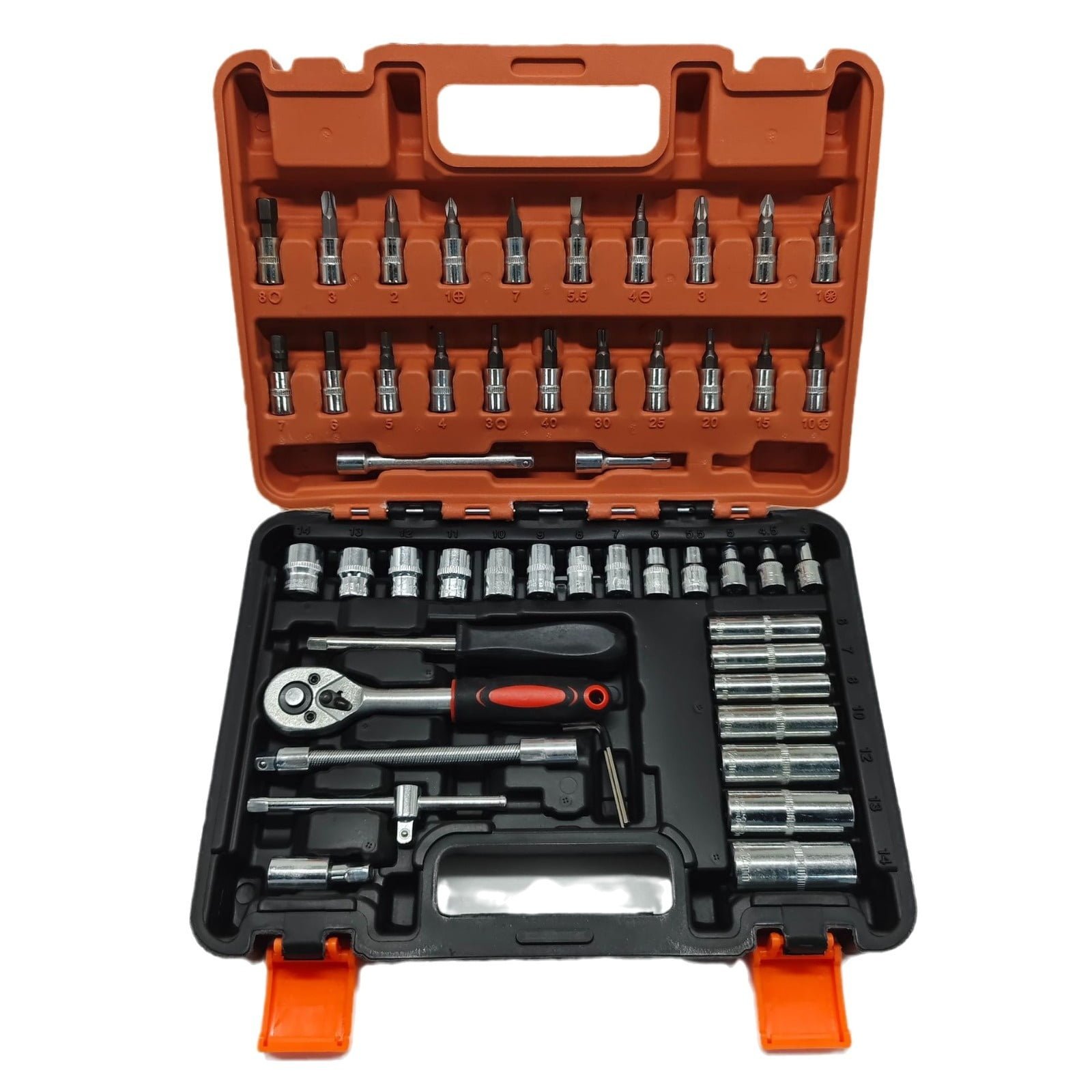
If you want to save time and money on car repairs, learning how to use a socket set is a smart move. Whether you’re tightening bolts or replacing parts, a socket set is one of the most useful tools you can have.
But if you’re unsure where to start or how to use it properly, don’t worry. This guide will walk you through every step, making your automotive repairs easier and more efficient. By the end, you’ll feel confident tackling common fixes on your own.
Ready to take control of your car maintenance? Let’s dive in.
Credit: www.vevor.ca
Choosing The Right Socket Set
Using a socket set is key for many car repairs. Picking the right set saves time and effort.
Not all socket sets are the same. You need to know the types, sizes, and materials.
Types Of Sockets
Sockets come in different shapes for various bolts and nuts. The most common types are six-point and twelve-point.
Six-point sockets fit snugly on hexagonal bolts. They reduce the chance of rounding off the bolt.
- Six-point sockets: best for tight bolts
- Twelve-point sockets: fit in smaller spaces
- Deep sockets: reach bolts on long studs
- Shallow sockets: for bolts close to surfaces
Socket Drive Sizes
Drive size is the part of the socket that fits onto the ratchet. Common sizes include 1/4 inch, 3/8 inch, and 1/2 inch.
Smaller drives fit smaller bolts but deliver less power. Larger drives handle bigger bolts and more force.
- 1/4 inch drive: for small bolts and tight spaces
- 3/8 inch drive: most common for general repairs
- 1/2 inch drive: for heavy-duty automotive work
Materials And Durability
Sockets are made from different metals. The most common are chrome vanadium and chrome molybdenum.
Chrome vanadium is strong and rust-resistant. Chrome molybdenum is tougher and good for impact tools.
- Chrome vanadium: durable, good for most jobs
- Chrome molybdenum: better for heavy impacts
- Polished finish: resists rust and dirt

Credit: www.amazon.ca
Essential Socket Set Components
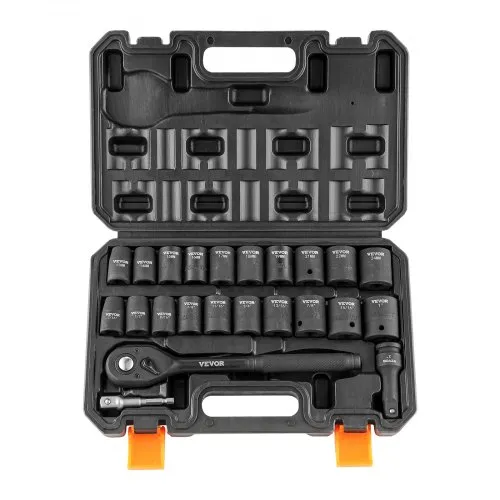
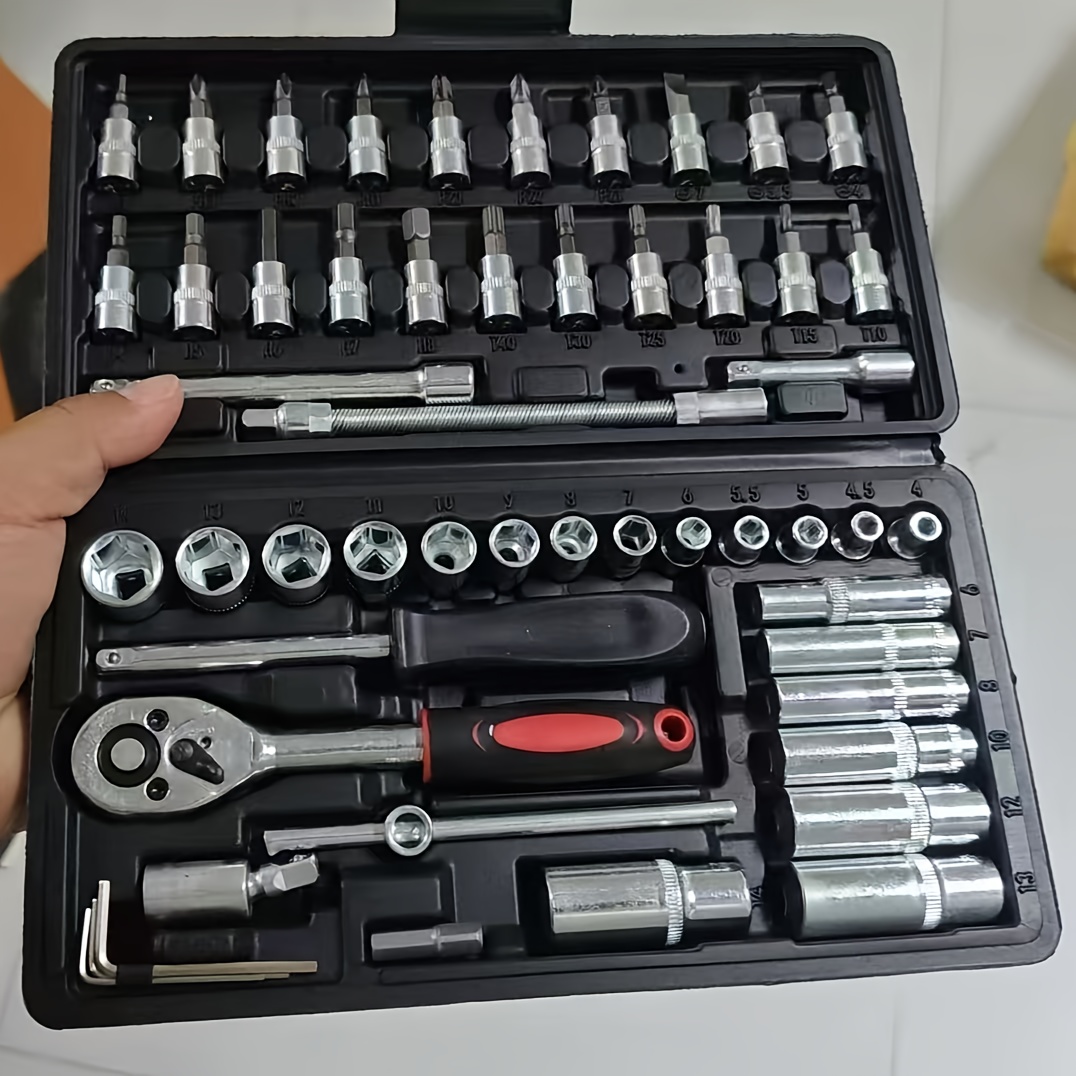
A socket set is a must-have for automotive repairs. It helps you loosen and tighten bolts and nuts easily. Knowing the main parts of a socket set makes your work faster and safer.
Each component has a special role. Understanding their uses will improve your repair skills and save time.
Ratchets And Handles
Ratchets and handles provide the turning force needed to use sockets. Ratchets allow you to turn bolts without removing the tool from the fastener. Handles offer extra grip and leverage for more control.
- Ratchet:Features a switch to change direction easily.
- Handle:Usually a T-handle or breaker bar for strong grip.
- Comfort grip:Some handles have rubber grips for comfort.
Extensions And Adapters
Extensions and adapters help you reach tight spaces and fit different socket sizes. Extensions add length between the ratchet and socket. Adapters change the drive size to fit various tools and sockets.
| Component | Purpose |
| Extension | Reaches fasteners in deep or tight spots |
| Adapter | Changes drive size for different sockets or ratchets |
| Universal joint | Allows angle movement for hard-to-reach fasteners |
Universal Joints
Universal joints add flexibility to your socket set. They let you turn bolts at an angle. This is useful in cramped spaces where straight tools cannot fit.
- Connects between ratchet and socket
- Allows pivoting up to 45 degrees
- Helps reach bolts behind obstacles
- Works best with extensions for extra reach
Preparing For Repairs
Using a socket set for car repairs needs some preparation. You must get ready before starting work.
Proper preparation helps you work safely and finish repairs faster. It also protects your tools and car parts.
Gathering Tools And Safety Gear
First, collect all the tools you need. This includes your socket set and other helpful items.
Wear safety gear to protect yourself. Gloves and safety glasses are important to avoid injuries.
- Socket set with different sizes
- Ratchet wrench and extension bars
- Gloves to protect your hands
- Safety glasses to protect your eyes
- Work clothes that can get dirty
Identifying Bolt And Nut Sizes
Check the bolts and nuts before using your socket set. Using the right size prevents damage.
Look at the bolt heads or nuts to find their size. This helps you pick the correct socket quickly.
- Use a ruler or caliper to measure if unsure
- Match bolt size to socket size for a tight fit
- Note metric or standard (SAE) sizes
- Keep sockets organized by size for easy access
Clearing The Work Area
Make sure your work area is clean and free from clutter. A tidy space reduces accidents.
Clear any tools or objects that can get in your way. This helps you move safely around the vehicle.
- Remove loose items from the floor
- Keep your socket set and tools nearby
- Ensure good lighting to see clearly
- Have a container for bolts and nuts to avoid loss
Using The Socket Set Correctly
A socket set is a useful tool for many car repairs. Using it the right way helps you work safely and efficiently. This guide covers how to attach sockets, apply torque, and avoid mistakes.
Knowing the correct steps can save time and protect your tools and vehicle parts. Follow these tips for better results during automotive repairs.
Attaching Sockets To Ratchets
Start by choosing the right socket size for your fastener. Align the socket with the ratchet square drive. Push the socket onto the drive until it clicks or fits snugly. Make sure it is secure before use.
- Check socket size matches bolt or nut
- Push socket firmly onto ratchet square drive
- Listen for a click or feel the socket lock
- Test socket tightness by pulling gently
- Use socket extensions if needed for hard-to-reach places
Applying Proper Torque
Torque means the force you use to turn a bolt or nut. Use the right amount of torque to avoid damage. Too little torque can loosen parts. Too much can strip threads or break bolts.
| Torque Level | Use |
| Low (5-20 Nm) | Sensors, small bolts |
| Medium (20-60 Nm) | Brakes, engine parts |
| High (60+ Nm) | Wheel lug nuts, suspension bolts |
Use a torque wrench for precise tightening. Check your vehicle manual for recommended torque settings. Turn bolts steadily and avoid sudden force.
Avoiding Common Mistakes
Many errors can harm your work or tools. Watch out for these common mistakes when using a socket set.
- Using the wrong socket size can round off bolts
- Applying too much force may break the ratchet or bolt
- Not cleaning sockets and bolts causes slipping
- Ignoring torque specs leads to unsafe repairs
- Using worn or damaged tools reduces effectiveness
Tips For Hard-to-reach Areas
Automotive repairs often require working in spaces that are tight or hard to reach. Using the right tools and techniques makes these jobs easier and safer.
This guide covers ways to use a socket set effectively in tight spots around your vehicle.
Using Extensions And Universal Joints
Extensions and universal joints help reach bolts that are deep or angled. Extensions add length to your socket wrench, while universal joints allow flexibility.
- Choose the right length extension to avoid tool slipping.
- Use universal joints to work around corners and tight angles.
- Combine extensions and universal joints carefully to keep control.
- Keep tools clean and lubricated for smooth movement.
Working In Tight Spaces
Working in confined areas requires patience and proper positioning. Adjust your body and the tool angle to fit the space.
| Tip | Reason |
|---|---|
| Use a ratchet with a slim handle | Fits better in narrow gaps |
| Wear gloves with good grip | Prevents slipping in tight spots |
| Remove nearby obstructions if possible | Gives more room to work |
| Work slowly and check tool position often | Reduces chance of damage or injury |
Maintaining Control And Stability
Holding your tools steady is key to avoid rounding bolts or hurting yourself. Use both hands and steady your body.
- Keep your wrist aligned with the tool handle.
- Apply pressure slowly to prevent slips.
- Use a socket with a secure fit on the bolt.
- Support your arms on stable parts of the vehicle if possible.
- Take breaks if your hands get tired.
Maintaining Your Socket Set
Keeping your socket set in good shape helps it last longer. Regular care ensures the tools work well during automotive repairs.
Simple maintenance steps like cleaning and checking parts can save money. A well-maintained set is safer and easier to use.
Cleaning And Lubrication
After each use, clean your sockets to remove dirt and grease. Use a dry cloth or a brush for tough spots.
Lubricate moving parts like ratchets with light machine oil. This stops rust and keeps parts moving smoothly.
- Wipe sockets and ratchets clean
- Use compressed air to blow out dust
- Apply a drop of oil to ratchet joints
- Wipe off any extra oil to avoid dirt buildup
Storage Best Practices
Store your socket set in a dry place to stop rust. Use the original case or a tool organizer to keep parts together.
Avoid leaving sockets loose where they can get lost or damaged. Proper storage saves time looking for tools later.
- Keep the set in its case or tray
- Store in a dry, cool area
- Do not pile other tools on top
- Label sockets if needed for easy finding
Regular Inspection For Wear
Check your sockets and ratchets often for cracks or damage. Using damaged tools can cause injury or damage bolts.
Replace worn parts to keep your set safe and effective. Catching problems early avoids bigger repairs later.
- Look for cracks, chips, or rust
- Test ratchets for smooth operation
- Replace damaged sockets immediately
- Keep an eye on worn drive connectors
Credit: www.temu.com
Frequently Asked Questions
What Is A Socket Set Used For?
A socket set is a versatile tool used for automotive repairs. It helps in tightening and loosening nuts and bolts efficiently. Socket sets come with various sizes and types, making them suitable for different tasks. They are essential for mechanics and DIY enthusiasts alike.
How Do You Choose The Right Socket Size?
To choose the right socket size, measure the nut or bolt. Use a caliper or a ruler for accurate measurement. Match the measurement to the corresponding socket size in your set. Always ensure a snug fit to prevent slipping and potential damage.
Can A Socket Set Replace A Wrench?
A socket set can often replace a wrench for many tasks. It offers more grip and torque, making it effective for stubborn bolts. However, in tight spaces, a wrench might be more practical. Both tools have their unique advantages in automotive repairs.
How Do You Maintain A Socket Set?
Maintain your socket set by cleaning it after use to remove dirt and grease. Store it in a dry place to prevent rust. Regularly check for wear and tear. Proper maintenance ensures longevity and reliable performance during automotive repairs.
Conclusion
Using a socket set makes car repairs easier and faster. Choose the right size socket for each bolt. Keep the set organized to avoid losing pieces. Always work carefully to avoid damage or injury. Practice helps you feel more confident and skilled.
With basic tools and patience, many repairs become possible. A socket set is a helpful tool for any car owner. Try small projects first, then move to bigger tasks. Your car will thank you for the care you give.