Are you struggling to tighten nuts quickly and securely? Knowing how to use a socket set can save you time and effort, making your work smoother and more precise.
Whether you’re fixing a bike, assembling furniture, or working on your car, mastering this simple tool gives you control and confidence. In this guide, you’ll discover easy steps to use a socket set like a pro, avoid common mistakes, and get the perfect fit every time.
Keep reading, and turn your next project into a hassle-free success.

Credit: www.reddit.com
Choosing The Right Socket
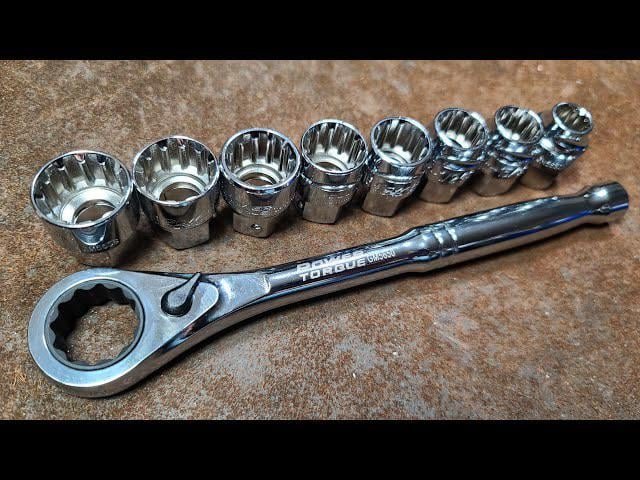
Using a socket set correctly starts with choosing the right socket. Picking the right type, size, and material helps you tighten nuts safely and easily.
Each socket fits different nuts and bolts. This guide covers the main points to help you select the best socket for your work.
Types Of Sockets
Sockets come in many styles. The shape and design affect how well they grip nuts and bolts.
- Standard (6-point):Fits hex nuts and bolts. It grips the flat sides.
- Deep sockets:Longer than standard. Good for bolts with long threads.
- Impact sockets:Made for power tools. They are thicker and stronger.
- Universal sockets:Can adjust to many shapes. Useful for odd fasteners.
- Spark plug sockets:Have rubber inside to hold spark plugs safely.
Socket Sizes And Measurements
Choose the socket size that matches the nut or bolt. Using the wrong size can damage the fastener or socket.
| Measurement Type | Description | Common Units |
|---|---|---|
| Metric | Size measured across flats of the nut or bolt | Millimeters (mm) |
| Imperial | Size measured across flats of the nut or bolt | Inches (in) |
| Drive size | Size of the square hole that fits the wrench handle | 1/4″, 3/8″, 1/2″, 3/4″ |
Materials And Durability
Sockets are made from different metals. The material affects how long the socket lasts and how strong it is.
- Chrome vanadium steel:Common and strong. Resists rust and wear.
- Chrome molybdenum steel:Used in impact sockets. Tough and durable.
- Stainless steel:Rust-resistant but less common for sockets.
- Carbon steel:Less expensive but can wear out faster.
Preparing Your Workspace
Using a socket set to tighten nuts is easier with a clean workspace. Getting ready helps you work faster and safer.
Before starting, spend some time to prepare the area. This makes the task smooth and prevents accidents.
Clearing The Area
Remove anything that can block your work or cause trips. A tidy space lets you move tools easily.
- Pick up loose items from the floor
- Clear workbench or table surfaces
- Organize cords and cables away from the workspace
- Make sure there is enough light to see clearly
Gathering Necessary Tools
Collect all the tools you need before you start. This avoids stopping in the middle of your work.
- Socket set with the right sizes
- Ratchet handle or wrench
- Extension bars if needed for tight spaces
- Protective gloves
- Rags or cloth for cleaning
Ensuring Safety
Safety is important when using tools. Check your workspace and tools before starting.
- Wear safety glasses to protect your eyes
- Use gloves to avoid cuts and bruises
- Make sure tools are clean and not damaged
- Keep children and pets away from your workspace
- Work in a well-ventilated area if needed
Attaching The Socket To The Ratchet
Using a socket set correctly starts with attaching the socket to the ratchet. This connection must be secure to tighten nuts safely.
Understanding the drive size and how to lock the socket helps prevent slipping or damage during use.
Selecting The Correct Drive Size
The drive size is the square part of the ratchet that fits into the socket. Choosing the right size ensures a good fit and better control.
- Common drive sizes include 1/4 inch, 3/8 inch, and 1/2 inch.
- Use 1/4 inch for small nuts and bolts.
- Use 3/8 inch for medium-sized nuts.
- Use 1/2 inch for large nuts and heavy-duty tasks.
- A wrong drive size can slip or damage the socket or fastener.
Securing The Socket Properly
After choosing the right drive size, attach the socket firmly to the ratchet. A loose connection can cause accidents or damage.
| Action | How to Do It |
| Check socket size | Match the socket square hole to the ratchet drive |
| Push socket on | Firmly press the socket onto the ratchet square drive until it clicks |
| Test connection | Pull gently on the socket to ensure it does not come off |
| Use locking mechanism | Engage the ratchet’s release button or lever if it has one |

Credit: www.reddit.com
Positioning The Socket On The Nut
Using a socket set to tighten nuts requires careful positioning. Proper socket placement helps apply force evenly. This prevents damage to the nut and tool.
In this guide, you will learn how to align the socket correctly and avoid slippage during tightening.
Aligning The Socket Correctly
Place the socket squarely on the nut to ensure a strong grip. The socket should cover the nut fully to avoid rounding the edges.
- Check the socket size matches the nut size exactly.
- Hold the socket and push it straight onto the nut.
- Make sure the socket fits snugly without rocking.
- Adjust the angle slightly if the socket does not sit flush.
Avoiding Slippage
Slippage can damage the nut and make tightening difficult. Follow these tips to keep the socket in place:
| Cause | Prevention |
|---|---|
| Loose socket fit | Use the correct socket size |
| Grease or dirt on nut | Clean the nut before use |
| Improper angle | Align socket straight on nut |
| Worn socket edges | Replace old or damaged sockets |
Tightening Nuts Effectively
Using a socket set is a simple way to tighten nuts securely. Proper technique helps prevent damage and ensures a strong hold.
Follow these tips to tighten nuts with the right pressure and control.
Applying Steady Pressure
Apply pressure slowly and steadily. Avoid sudden force that can strip the nut or bolt.
Keep your hand firm and push in a controlled way to tighten the nut evenly.
Using Proper Hand Techniques
Hold the socket wrench near the handle for better control. Use your palm to push or pull.
Use your body weight gently to add force if needed. Avoid twisting your wrist too hard.
- Grip the wrench firmly but not too tight
- Turn the wrench smoothly to avoid jerks
- Keep your wrist straight to prevent injury
Adjusting Torque As Needed
Use the right torque for the nut size and material. Too much force can cause damage.
Check the manufacturer’s torque specs if available. Use a torque wrench for precise tightening.
- Small nuts need less torque
- Larger nuts require more force
- Soft materials need gentle tightening
Tips For Difficult Or Stubborn Nuts
Sometimes nuts are hard to turn. They may be stuck because of rust or tight fitting. Using a socket set alone might not work well on these nuts.
Try some extra tips to loosen these tough nuts safely and easily. These tips help you avoid damage and save time.
Using Penetrating Oil
Penetrating oil helps loosen nuts that are rusted or stuck. Spray the oil on the nut and let it soak for a few minutes.
This oil moves into the threads and breaks down rust or dirt. It makes turning the nut much easier.
- Spray oil evenly on the nut and bolt threads
- Wait 5 to 10 minutes before trying to turn
- Reapply if the nut is still tight
Applying Heat Safely
Heat can expand metal and loosen stuck nuts. Use a heat source like a propane torch carefully on the nut.
Heat the nut for a short time, then try to turn it with your socket set. Be careful not to burn nearby parts or yourself.
- Wear heat-resistant gloves and eye protection
- Keep the flame moving to avoid damage
- Allow the nut to cool slightly before turning
Leveraging Extensions Or Adapters
Extensions and adapters help reach nuts in tight places. They also give you more leverage to turn stubborn nuts.
Use a longer handle or a breaker bar with your socket set. This increases force without extra effort.
- Attach an extension to reach deep nuts
- Use a breaker bar for extra turning power
- Combine adapters for hard-to-reach angles
Maintaining Your Socket Set
Keeping your socket set in good shape helps it work better. Proper care makes the tools last longer.
Regular maintenance prevents rust and damage. It saves money by avoiding early replacements.
Cleaning And Storage
After use, clean your sockets and ratchets with a dry cloth. Remove dirt and grease to stop rust.
Store your socket set in a dry, cool place. Use the original case or a tool organizer to keep parts together.
- Wipe tools after each use
- Use light oil on metal parts to protect from rust
- Avoid damp or humid storage areas
- Keep sockets in their holders to prevent loss
Regular Inspection
Check your socket set often for signs of wear or damage. Look for cracks, rust, or bent parts.
Inspect the ratchet mechanism to ensure it works smoothly. Test sockets on bolts to check fit and grip.
- Look for rounded or worn socket edges
- Check ratchet teeth for damage or stiffness
- Make sure sockets fit tightly on fasteners
- Replace any parts that show damage
Replacing Worn Components
Replace sockets or ratchets that are worn or broken. Using damaged tools can cause injury or damage fasteners.
Buy replacement parts that match your socket set size and brand. Keep spare sockets for common sizes.
- Discard cracked or bent sockets
- Replace ratchets with sticky or broken gears
- Use correct size sockets to avoid rounding nuts
- Store replacements carefully to avoid damage

Credit: www.shopbuildmate.com
Frequently Asked Questions
What Size Socket Do I Need For Tightening Nuts?
Choose a socket size that fits snugly over the nut. Using the right size prevents slipping and damage. Measure the nut or check specifications to find the correct socket size.
How Do I Use A Socket Set Safely?
Always wear safety glasses and gloves when using a socket set. Ensure the socket is securely attached to the wrench before applying force. Use controlled, steady pressure to avoid injury.
Can A Socket Set Tighten Different Nut Types?
Yes, socket sets include various sizes to fit different nuts. They can tighten hex, square, and other common nut shapes efficiently.
How To Prevent Over-tightening Nuts With A Socket Set?
Use a torque wrench attachment if available. Tighten nuts gradually and check firmness frequently. Avoid using excessive force to prevent damage.
Conclusion
Using a socket set simplifies tightening nuts. It’s practical and efficient. Always select the right size socket. This prevents any damage. Remember to apply steady pressure. Avoid over-tightening to protect the nut. Keep your tools clean. This ensures longer life and better performance.
Practice makes perfect. The more you use it, the better you’ll get. Safety is essential. Always wear protective gear. Understanding the basics can help in many tasks. Now, you can confidently tackle projects. A socket set is truly handy for any toolbox.