Are you tired of uneven fertilizer application that leaves your plants struggling? Using a soil scoop for fertilizers can change the game for your garden’s health.
With the right technique, you’ll apply nutrients more efficiently, saving time and avoiding waste. You’ll discover simple steps to master your soil scoop and boost your plants’ growth like never before. Keep reading to unlock the secrets that will make your garden thrive!
Choosing The Right Soil Scoop
Using a soil scoop for fertilizers makes planting easier and cleaner. Picking the right scoop helps you handle fertilizers well and saves time.
This guide covers key points to help you choose a soil scoop that fits your needs. Focus on material and durability, size, and shape options.
Material And Durability
Soil scoops come in many materials. The right material ensures the scoop lasts and works well with fertilizers.
- Plastic:Lightweight and rustproof but less durable for heavy use.
- Stainless steel:Strong, rust-resistant, and easy to clean.
- Aluminum:Lightweight and sturdy but can dent easily.
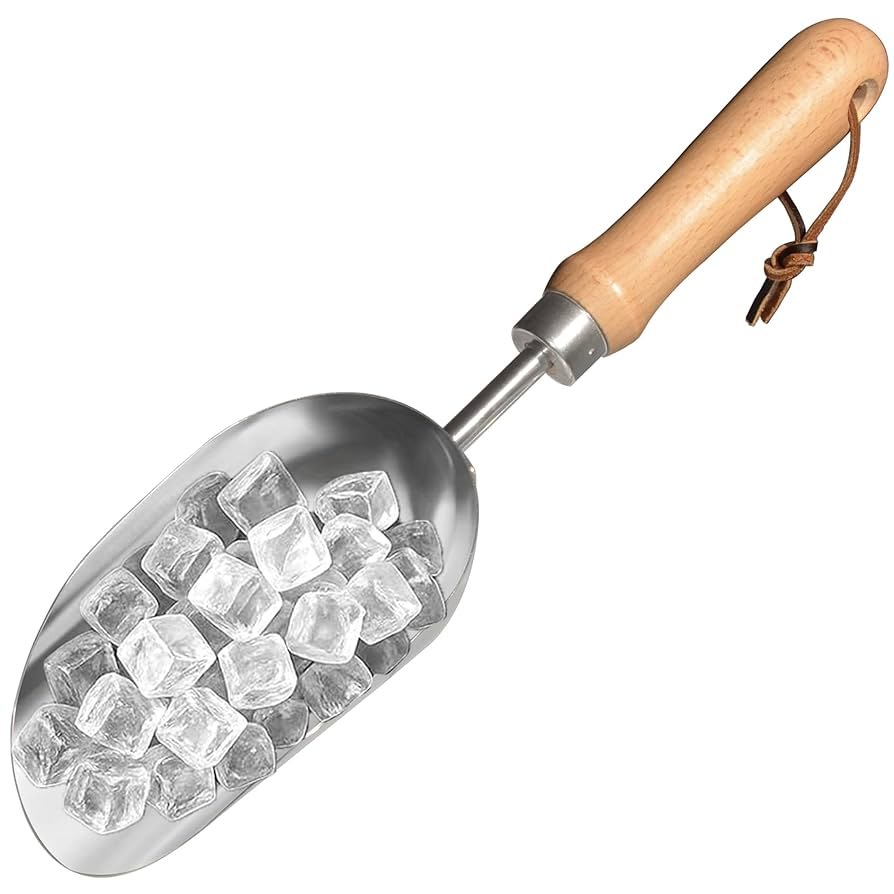
- Wood handle with metal scoop:Comfortable grip with strong scoop, but the handle may wear out.
Choose a scoop with good durability to avoid damage from rough soil or fertilizers.
Size And Shape Options
| Size | Best For | Details |
| Small (3-5 inches) | Precise fertilizer placement | Easy to control, good for pots and small gardens |
| Medium (6-8 inches) | General use | Balances control and volume, good for most tasks |
| Large (9+ inches) | Moving large amounts | Faster work but less precise, good for big gardens |
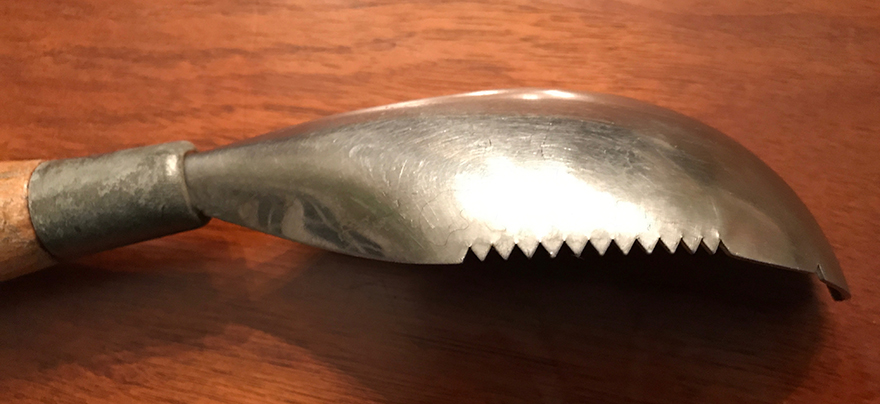
Shape affects how you scoop and pour fertilizers. Rounded scoops hold more, while flat scoops work well for scraping.
Preparing Fertilizer For Application
Using a soil scoop helps apply fertilizer evenly and accurately. Preparing the right type and amount of fertilizer is key for healthy plants.
This guide explains how to select the right fertilizer and measure the correct amount before using your soil scoop.
Selecting The Right Fertilizer
Choose fertilizer based on your plants’ needs and soil condition. Different fertilizers supply different nutrients like nitrogen, phosphorus, and potassium.
- Check soil test results to find nutrient deficiencies
- Pick a fertilizer that matches the nutrient needs
- Use slow-release fertilizers for steady feeding
- Consider organic options for natural soil improvement
Measuring Proper Amounts
Applying the right amount of fertilizer prevents damage to plants and the environment. Use a soil scoop to measure and spread fertilizer evenly.
| Plant Type | Fertilizer Amount per Square Foot | Notes |
|---|---|---|
| Vegetables | 1 to 2 tablespoons | Apply before planting |
| Flowers | 1 tablespoon | Feed monthly during growing season |
| Lawn | 0.5 to 1 cup | Use spreader for large areas |
Techniques For Effective Scooping
Using a soil scoop for fertilizers helps spread nutrients evenly. Good scooping techniques save time and reduce waste.
Learn how to hold the scoop right and keep your fertilizer clean for best results.
Proper Grip And Handling
Hold the scoop firmly with your dominant hand. Use your other hand to steady the container if needed.
Keep your wrist straight to avoid strain. Scoop with a smooth, steady motion to pick up fertilizer easily.
- Grip handle near the base for control
- Use a scooping motion from the edge of the container
- Avoid jerky or fast movements
- Keep scoop level to prevent spills
Avoiding Contamination
Do not mix different fertilizers in the scoop. Clean the scoop after each use to stop cross-contamination.
Store the scoop in a dry place. Avoid touching fertilizer with dirty or wet hands to keep it pure.
- Rinse scoop with water after use
- Dry scoop before storing
- Use separate scoops for different fertilizers if possible
- Wear gloves to protect fertilizer and skin

Credit: www.amazon.com
Applying Fertilizer With A Soil Scoop
A soil scoop helps you apply fertilizer easily and accurately. It allows you to measure and place fertilizer where plants need it most.
Using a soil scoop reduces waste and prevents over-fertilizing. It makes gardening cleaner and more effective.
Even Distribution Methods
To spread fertilizer evenly, use the soil scoop to take small amounts at a time. Walk slowly and drop fertilizer at regular spaces.
Make sure to cover the entire planting area. This helps all plants get the nutrients they need.
- Scoop fertilizer carefully to avoid spilling.
- Drop fertilizer in a grid pattern across the soil.
- Use your hand or a small rake to lightly mix fertilizer into the soil.
- Repeat the process to cover all parts evenly.
Targeting Plant Roots
Plant roots absorb fertilizer best when it is placed close to them. Use the soil scoop to dig small holes near each plant.
Put fertilizer into the holes and cover it with soil. This gives nutrients directly to the roots where plants can use them fast.
- Dig small holes about 2-3 inches deep around the plant base.
- Scoop a small amount of fertilizer into each hole.
- Cover holes with soil to keep fertilizer in place.
- Water the area to help fertilizer reach the roots.
Maintaining Your Soil Scoop
Taking care of your soil scoop helps it last longer. Regular maintenance keeps it clean and easy to use.
A well-maintained scoop works better for spreading fertilizers evenly. It also prevents rust and damage.
Cleaning After Use
Clean your soil scoop after each use to remove fertilizer residue. This stops buildup that can cause damage.
Use water and a brush to scrub the scoop. Dry it fully to avoid rust.
- Rinse off dirt and fertilizer with water
- Use a stiff brush to remove stuck particles
- Wipe dry with a clean cloth
- Check for cracks or damage
Storage Tips
Store your soil scoop in a dry place to keep it in good shape. Moist areas can cause rust and wear.
Hang the scoop or place it off the ground. This protects the scoop from dirt and moisture.
- Keep the scoop indoors or in a shed
- Hang it on a hook or nail
- Avoid leaving it on wet soil or grass
- Check storage area for moisture regularly
Common Mistakes To Avoid
Using a soil scoop for fertilizers needs care to avoid harming plants. Many gardeners make simple errors. These mistakes can waste fertilizer or damage soil health.
Knowing what to avoid helps you use a soil scoop correctly. This guide covers common errors and how to fix them.
Over-fertilizing Risks
Adding too much fertilizer can burn plant roots and stop growth. Over-fertilizing also harms soil life and pollutes water. It is important to use the right amount every time.
- Do not scoop more than the recommended amount.
- Avoid adding fertilizer too often in the same spot.
- Check the fertilizer label for correct dosage.
- Use a clean soil scoop to measure fertilizers precisely.
- Mix fertilizer well with soil to prevent concentrated areas.
Incorrect Scooping Practices
Wrong scooping techniques lead to uneven fertilizer spread. This causes some plants to get too much and others too little. It also wastes fertilizer and time.
| Common Scooping Mistakes | Effect |
| Using a scoop that is too large | Over-fertilizing small plants |
| Not leveling off fertilizer in the scoop | Inconsistent fertilizer amounts |
| Transferring fertilizer with wet or dirty scoop | Clumping and uneven spread |
| Scooping fertilizer directly from the bag without measuring | Uncontrolled fertilizer quantity |
| Forgetting to clean scoop after use | Cross-contamination of fertilizer types |
Enhancing Plant Growth With Proper Fertilizer Use
Using a soil scoop for fertilizers helps spread nutrients evenly. This tool makes it easy to apply the right amount of fertilizer to your plants.
Proper fertilizer use improves plant health and growth. It supports strong roots, healthy leaves, and better flowers or fruits.
Timing Fertilizer Application
Fertilize plants when they need nutrients most. Early spring and late summer are good times for many plants.
Avoid fertilizing during hot or dry weather. Plants may not absorb nutrients well at these times.
- Apply fertilizer in the morning or evening
- Check plant growth stage before applying
- Follow recommended intervals on fertilizer labels
Monitoring Soil Health
Healthy soil supports strong plant growth. Use a soil scoop to check soil texture and moisture regularly.
Test soil nutrient levels to avoid over or under fertilizing. Adjust fertilizer use based on test results.
- Look for soil that drains well but holds moisture
- Check pH levels for plant-friendly ranges
- Use soil tests every season to guide fertilizing

Credit: www.amazon.com
Credit: www.harvesting-history.com
Frequently Asked Questions
What Is A Soil Scoop Used For?
A soil scoop is a versatile gardening tool. It’s designed for scooping, transferring, and mixing soil or fertilizers. This tool helps in evenly distributing fertilizers around plants, ensuring better growth. Its curved shape makes it easy to handle and reduces spillage.
A soil scoop is essential for efficient gardening.
How Do I Use A Soil Scoop Effectively?
To use a soil scoop effectively, fill it with the desired amount of soil or fertilizer. Gently tilt the scoop to distribute the contents evenly around the plants. Ensure you target the root area for maximum absorption. Using a scoop minimizes waste and provides precise application.
Can A Soil Scoop Improve Fertilizer Application?
Yes, a soil scoop can significantly improve fertilizer application. It allows precise control over the amount and placement of fertilizer. This ensures that plants receive nutrients directly at their roots, promoting healthy growth. The scoop’s design reduces wastage and ensures even distribution, enhancing overall gardening efficiency.
Is A Soil Scoop Necessary For Gardening?
A soil scoop is not strictly necessary, but it enhances gardening efficiency. It offers precision in soil and fertilizer application. The tool reduces mess and ensures even distribution. For gardeners who prioritize efficiency and cleanliness, a soil scoop is a valuable addition to their toolkit.
Conclusion
Using a soil scoop helps spread fertilizer evenly and saves time. It keeps your hands clean and reduces waste. Always choose the right size scoop for your task. Measure carefully to avoid over-fertilizing your plants. Regular use of a soil scoop improves garden health and growth.
Simple tools like this make gardening easier and more fun. Try it in your garden and see the difference. Small steps lead to better plants and a happier garden.