Imagine planting your favorite vegetables or flowers, only to find they don’t thrive as expected. What if the secret to a lush garden lies beneath the surface?
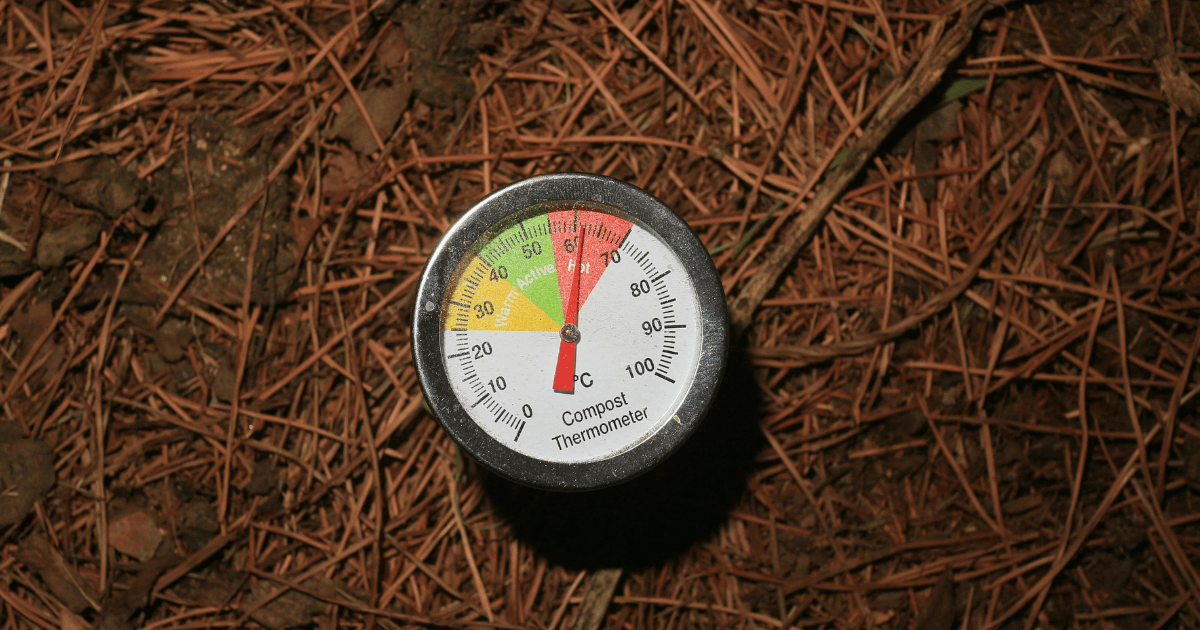
The temperature of your soil can be a silent partner in determining plant success. Using a soil thermometer might sound technical, but it’s surprisingly simple and incredibly beneficial. Curious about how this small tool can revolutionize your gardening game? By the end of this article, you’ll know exactly how to use a soil thermometer and why it’s the key to unlocking your garden’s full potential.
Let’s dig deeper into how this humble gadget can make a big difference in your gardening success.
Credit: agricarehub.com
Choosing The Right Soil Thermometer
Using a soil thermometer helps you know the temperature of your garden soil. This information lets you plant seeds at the best time.
Choosing the right soil thermometer makes your gardening easier and more accurate. Different types suit different needs.
Digital Vs Analog Thermometers
Digital thermometers show the temperature on a screen. They give quick and clear readings.
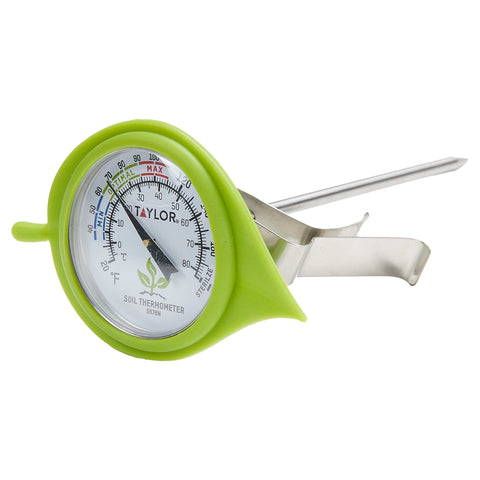
Analog thermometers have a dial with a needle. They do not need batteries and are simple to use.
- Digital thermometers are easy to read.
- Analog thermometers work without power.
- Digital models can have extra features.
- Analog thermometers are usually more durable.
Features To Look For
| Feature | Why It Matters |
| Probe Length | Long probes reach deeper soil layers |
| Temperature Range | Choose one suitable for your climate |
| Durability | Resists damage from water and dirt |
| Ease of Reading | Clear display or dial for quick use |
| Battery Life | Long battery life for digital models |
Recommended Brands
Some brands are known for making good soil thermometers. They offer accuracy and reliability.
- Brand A: Offers digital models with fast readings.
- Brand B: Known for sturdy analog thermometers.
- Brand C: Combines durability with clear displays.
- Brand D: Provides probes in various lengths.
When To Measure Soil Temperature
Knowing the right time to check soil temperature helps plants grow well. Soil temperature affects seed germination and root health.
Using a soil thermometer at the best times gives accurate readings. This helps you plan planting and care better.
Ideal Times Of Day
Measure soil temperature in the morning for consistent results. The soil is cooler and less affected by sun heat.
Late morning or early afternoon readings show peak soil warmth. These times help understand daily temperature changes.
- Early morning (6–9 AM) gives stable, cool readings
- Late morning (10 AM–12 PM) shows warming soil
- Early afternoon (1–3 PM) shows peak soil temperature
Seasonal Considerations
Soil temperature changes with seasons. Check more often in spring and fall when temperatures shift fast.
In winter, soil stays cold longer. In summer, soil warms quickly and stays warm all day.
- Spring: Check daily for planting time
- Summer: Check weekly to monitor heat stress
- Fall: Check often to prepare for frost
- Winter: Check monthly if soil freezes
Frequency Of Measurement
Measure soil temperature regularly to track changes. This helps plan planting and watering well.
More frequent checks are needed during planting seasons. Less often in stable weather periods.
- Daily during seed planting time
- Every few days during growing season
- Weekly during stable weather
- Monthly in winter or dormancy
How To Take Accurate Soil Readings
Using a soil thermometer correctly helps you know the soil temperature. Accurate readings guide planting and care decisions.
Follow simple steps to insert the thermometer and read the soil temperature right. This ensures your plants grow well.
Proper Insertion Techniques
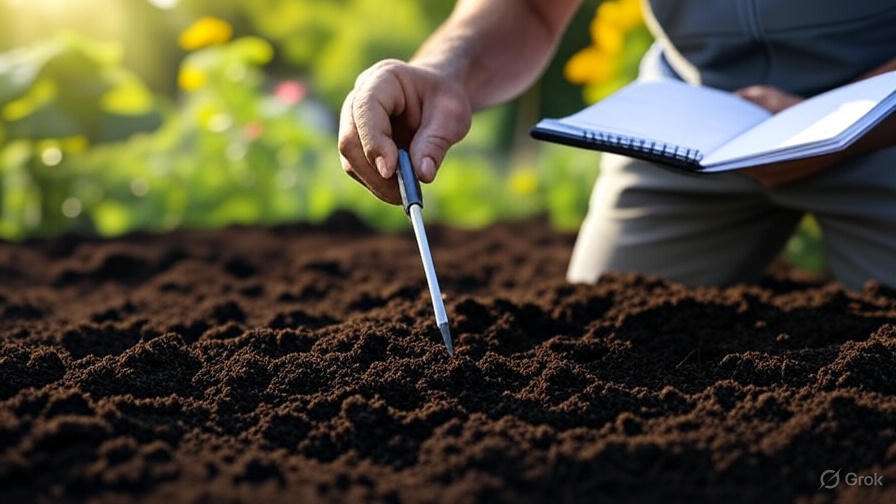
Insert the soil thermometer gently to avoid damaging it or the soil. Push it straight down to get a true reading.
- Clear away debris like leaves or stones before inserting.
- Hold the thermometer steady while inserting it into the soil.
- Do not force the thermometer into hard soil; moisten soil if needed.
- Leave the thermometer in place for at least one minute before reading.
Depth Guidelines
Measure soil temperature at the right depth for your plants. Different plants need different soil depths.
| Plant Type | Soil Depth for Reading |
| Vegetables (e.g., carrots, beans) | 2 to 4 inches (5 to 10 cm) |
| Flowers and small plants | 1 to 3 inches (2.5 to 7.5 cm) |
| Lawn and grass | 2 inches (5 cm) |
| Trees and shrubs | 4 to 6 inches (10 to 15 cm) |
Avoiding Common Mistakes
Some errors can cause wrong temperature readings. Watch out for these to get good results.
- Do not take readings in direct sunlight; shade the soil first.
- Avoid touching the thermometer bulb with your hands during reading.
- Do not use a damaged or dirty thermometer.
- Take multiple readings in different spots to check for consistency.
- Wait long enough for the thermometer to adjust to soil temperature.
Credit: www.taylorusa.com
Using Soil Temperature Data For Planting
Soil temperature affects how well plants grow. Using a soil thermometer helps you check this important factor. It tells you when the soil is ready for seeds.
Knowing the soil temperature helps you plant at the right time. This improves seed germination and plant health. It also helps avoid problems caused by cold or hot soil.
Matching Crops To Soil Temperature
Different crops need different soil temperatures to grow well. Some plants like cool soil, while others need warm soil. Check the temperature before planting to match your crops.
- Cool-season crops grow best between 45°F and 65°F (7°C to 18°C).
- Warm-season crops need soil above 65°F (18°C).
- Root vegetables prefer soil around 50°F to 70°F (10°C to 21°C).
Timing Seed Germination
Seeds start to grow only when the soil temperature is right. Using a soil thermometer helps you find the best time to plant seeds. This ensures seeds sprout quickly and evenly.
Planting too early or late can cause slow or poor germination. Check the soil temperature each day in early spring or fall. Plant seeds when the soil reaches the right warmth.
Adjusting Planting Schedules
Soil temperature data helps you change your planting plans. If the soil is colder than usual, wait before planting. If it warms up early, start planting sooner.
You can also use soil temperature to decide when to transplant seedlings. This keeps plants safe from cold shock and helps them grow better.
- Delay planting if soil temperature is below crop needs.
- Plant early if soil warms quickly in spring.
- Use soil temperature to plan transplanting dates.
- Adjust watering and care based on soil warmth.
Improving Soil Temperature For Better Growth
Soil temperature affects how plants grow and develop. Using a soil thermometer helps you check this temperature accurately. Knowing the right soil temperature lets you prepare your garden for better growth.
Several methods can improve soil temperature. These include mulching, soil amendments, and using row covers or plastic. Each method works differently to keep the soil warm and healthy.
Mulching Strategies
Mulch keeps soil warm by covering it with organic or inorganic material. It also holds moisture and reduces weeds. Using mulch early in the season can raise soil temperature for young plants.
- Use straw, leaves, or grass clippings as organic mulch.
- Spread mulch evenly over the soil surface.
- Apply mulch before planting to warm the soil.
- Remove or thin mulch once soil warms to prevent overheating.
Soil Amendments
Adding materials to soil can improve its heat retention. Amendments like compost and manure boost soil health and help keep it warm. They also improve soil structure and drainage.
| Amendment | Effect on Soil Temperature | Additional Benefit |
| Compost | Increases warmth | Improves nutrients |
| Manure | Raises temperature | Enhances moisture retention |
| Sand | Improves heat absorption | Improves drainage |
Using Row Covers And Plastic
Row covers and plastic sheets trap heat and protect soil from cold air. They create a warmer microclimate for seeds and plants. This method works well in early spring and late fall.
Tips for using row covers and plastic:
- Choose clear plastic for better sunlight penetration.
- Secure covers tightly to avoid wind damage.
- Remove covers on warm days to prevent overheating.
- Use lightweight row covers for frost protection.

Credit: www.shanghaiqualitywell.com
Troubleshooting Temperature Issues
Using a soil thermometer helps you check if your soil is at the right temperature. Sometimes, the readings may not be what you expect. This guide covers common temperature problems and how to fix them.
Understanding soil temperature issues can improve your gardening results. Let’s look at common challenges and their solutions.
Cold Soil Challenges
Cold soil can slow seed germination and root growth. It may also cause your soil thermometer to show lower temperatures than expected.
- Check if the thermometer is placed deep enough in the soil.
- Measure soil in the morning, when it is coldest.
- Remove mulch or debris that may trap cold air near the soil.
- Use a soil heating mat if temperatures stay too low for long periods.
Overheated Soil Problems
Soil that is too hot can harm plants and give false high readings on your thermometer. Heat sources like direct sunlight or nearby heat-reflecting surfaces cause this.
| Cause | Effect |
| Direct sunlight on soil surface | Temperature spikes during midday |
| Dark mulch absorbing heat | Soil overheating near surface |
| Thermometer touching warm objects | Incorrect high temperature readings |
Solutions For Temperature Fluctuations
Soil temperatures can change quickly. These tips help you get accurate readings and protect your plants.
Tips to Manage Fluctuations:
- Insert the thermometer 2 to 4 inches deep for stable readings.
- Take multiple readings at different times of day.
- Use mulch to moderate soil temperature swings.
- Water soil in the morning to cool overheated soil.
- Cover soil at night with a cloth to keep it warm.
Maintaining Your Soil Thermometer
Keeping your soil thermometer in good shape helps it last longer. Proper care also gives you accurate readings.
Follow simple steps to clean, store, and check your soil thermometer regularly. This keeps it working well.
Cleaning Tips
Clean your soil thermometer after each use. Dirt or moisture can damage it or affect the readings.
Use a soft cloth or sponge with mild soap and water. Avoid harsh chemicals that can harm the thermometer.
- Wipe the probe gently to remove soil
- Rinse with clean water if needed
- Dry completely before storing
Storage Recommendations
Store your soil thermometer in a dry place. Keep it away from extreme heat or cold to protect its parts.
Use a case or cover to prevent dust and damage. Avoid placing heavy items on top of it.
- Keep it in a tool box or drawer
- Use a protective cover if available
- Store at room temperature
Calibration Checks
Check your soil thermometer’s accuracy often. Calibration ensures the readings are correct.
Test it by comparing with a known accurate thermometer or use ice water for a simple check.
- Fill a glass with ice and water
- Insert the thermometer probe
- Wait a few minutes for a steady reading
- The thermometer should read close to 32°F (0°C)
- If not, follow the manufacturer’s calibration instructions
Frequently Asked Questions
What Is The Purpose Of A Soil Thermometer?
A soil thermometer measures soil temperature accurately. It helps gardeners know the best planting time. Proper soil temperature improves seed germination and plant growth.
How Deep Should I Insert A Soil Thermometer?
Insert the soil thermometer 2 to 4 inches deep. This depth gives an accurate reading of root zone temperature. Avoid surface readings as they can be misleading.
When Is The Best Time To Use A Soil Thermometer?
Use a soil thermometer early morning for consistent readings. Check soil temperature before planting seeds or seedlings. This ensures optimal conditions for plant growth.
How Do I Clean And Maintain A Soil Thermometer?
Clean the thermometer with a soft cloth and mild soap. Avoid harsh chemicals or abrasive materials. Store it in a dry, safe place to prevent damage.
Conclusion
Using a soil thermometer helps you grow healthy plants. It shows the best soil temperature for seeds to sprout. You can check the soil before planting. This tool saves time and avoids guesswork. Remember to clean it after each use.
Simple steps lead to better gardening results. Try it in your garden soon. Watch your plants grow strong and happy. Soil thermometers make gardening easier and more fun. Give it a try and see the difference yourself.